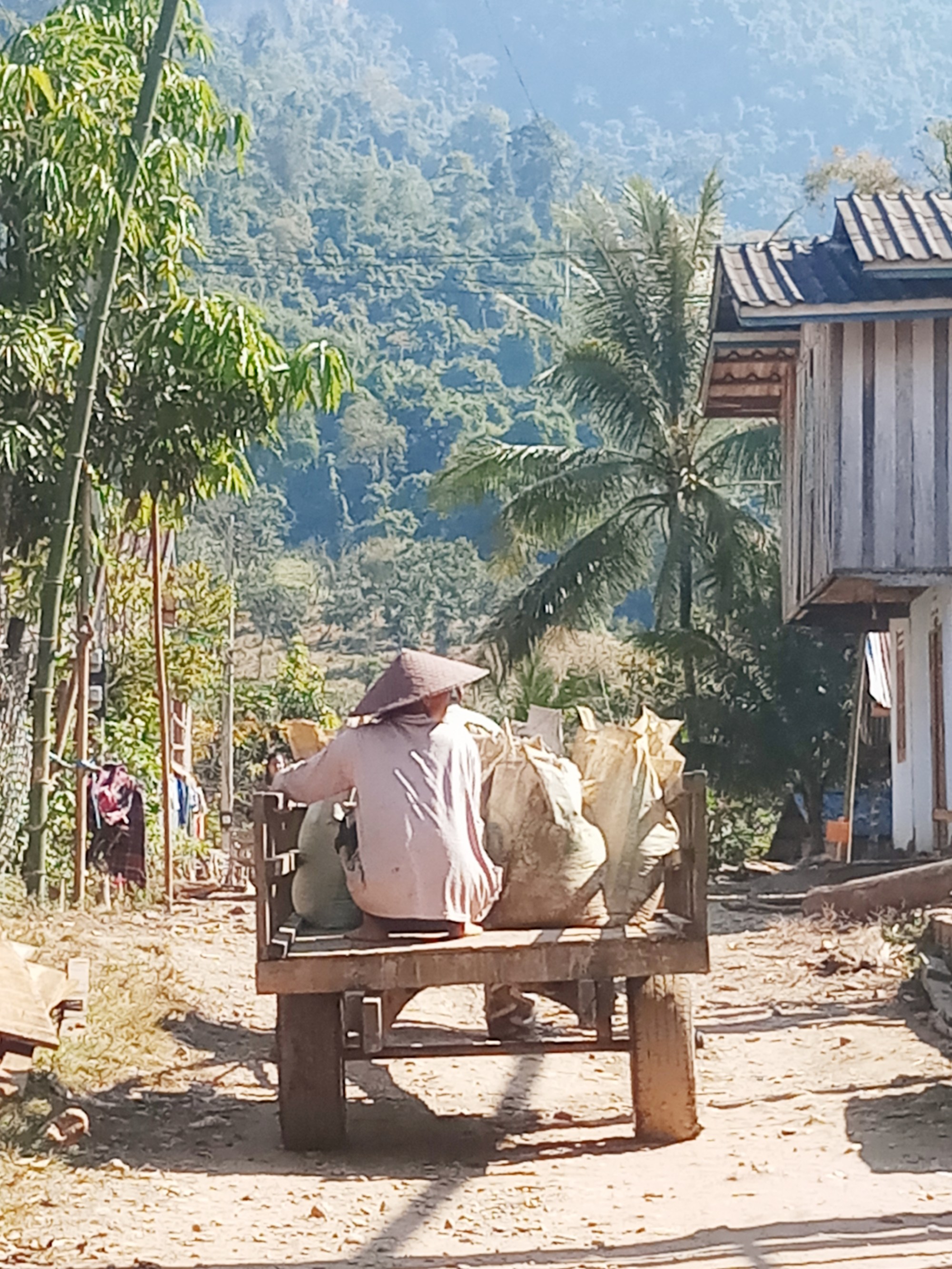
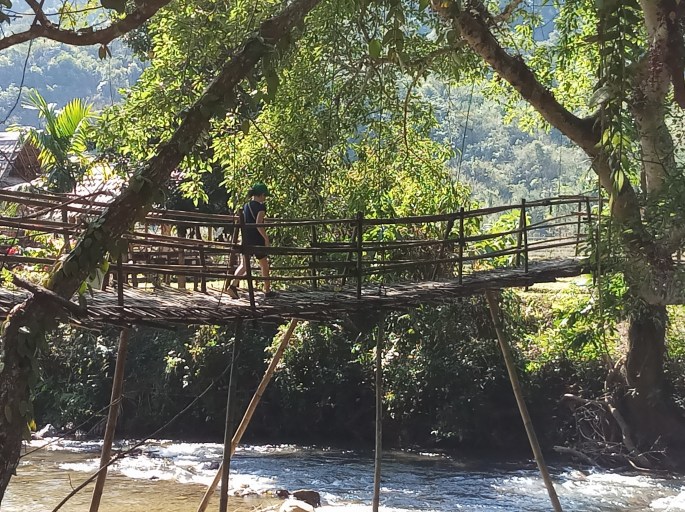
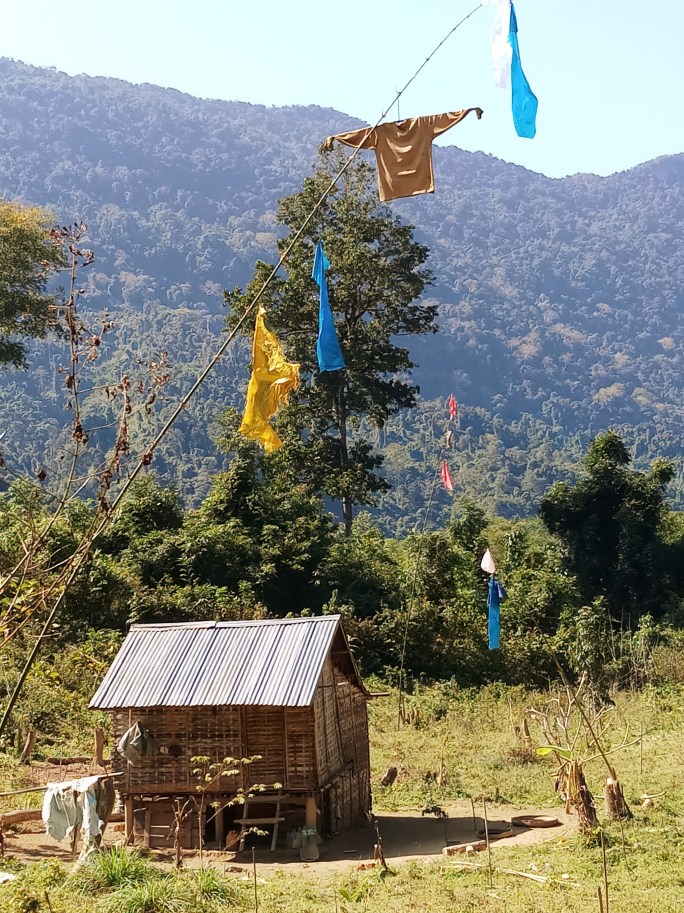
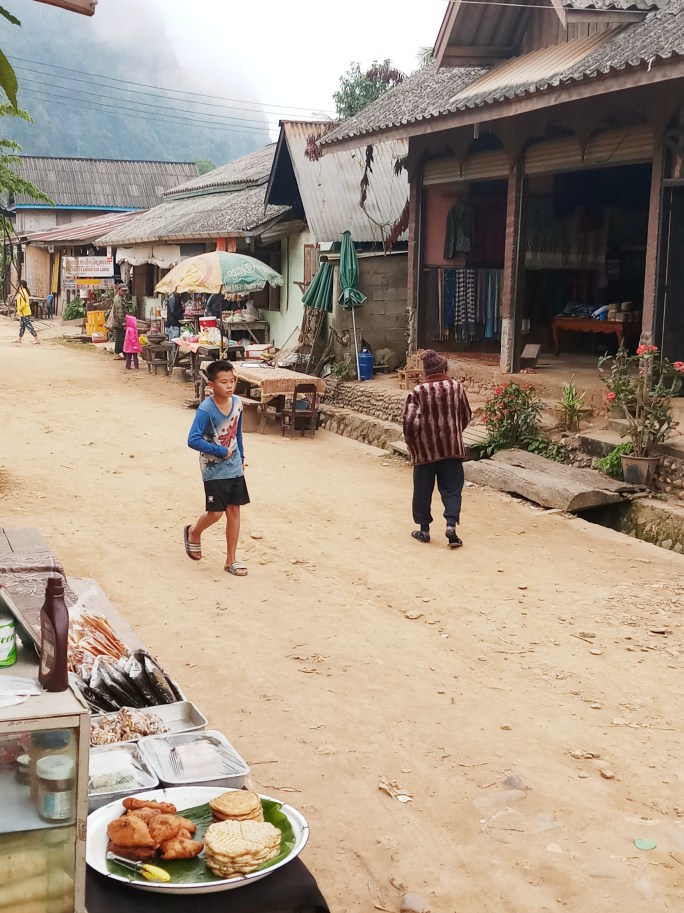
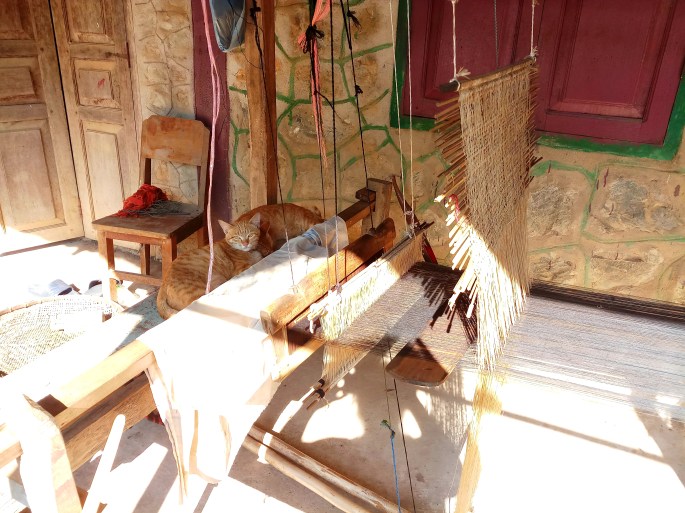
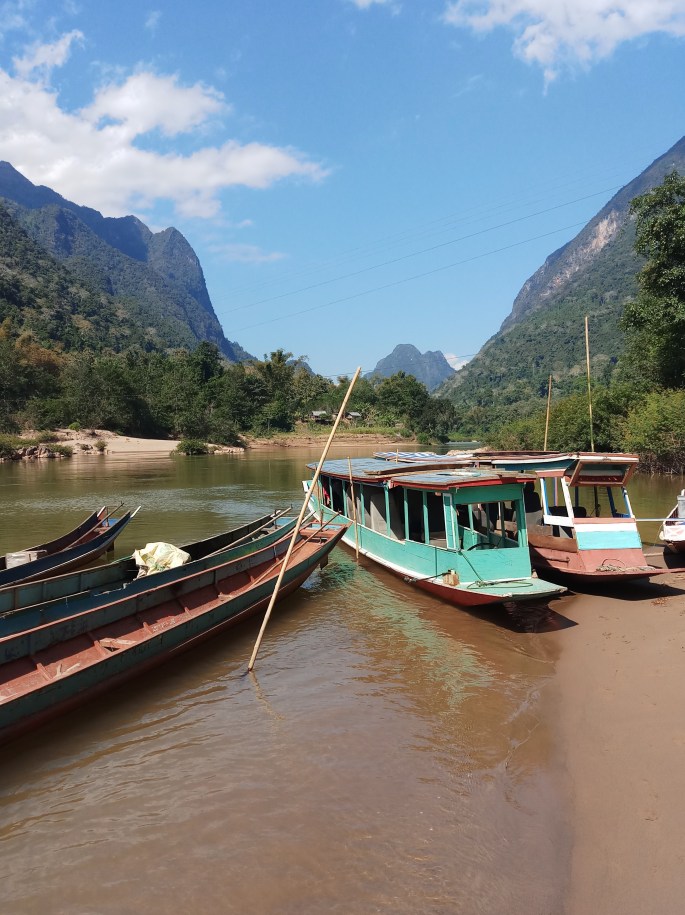
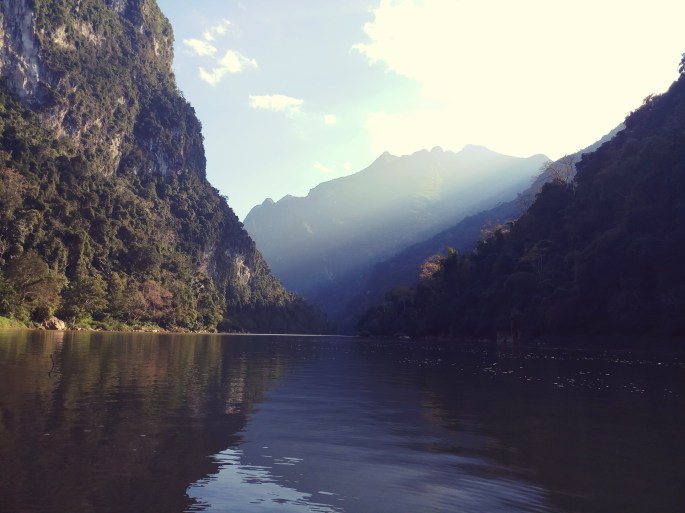
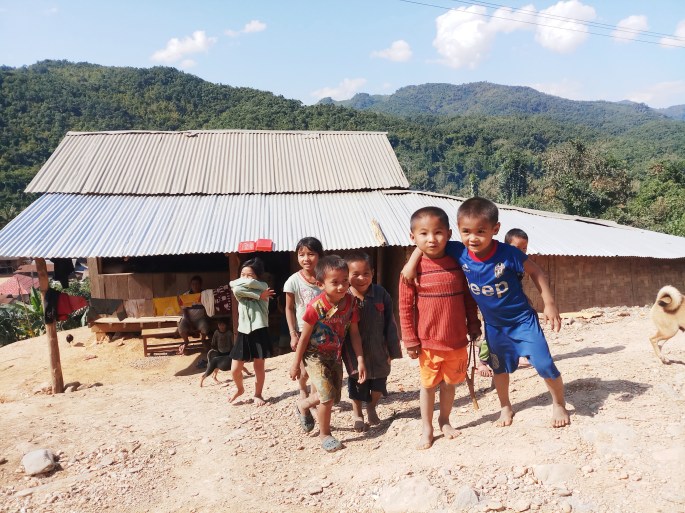
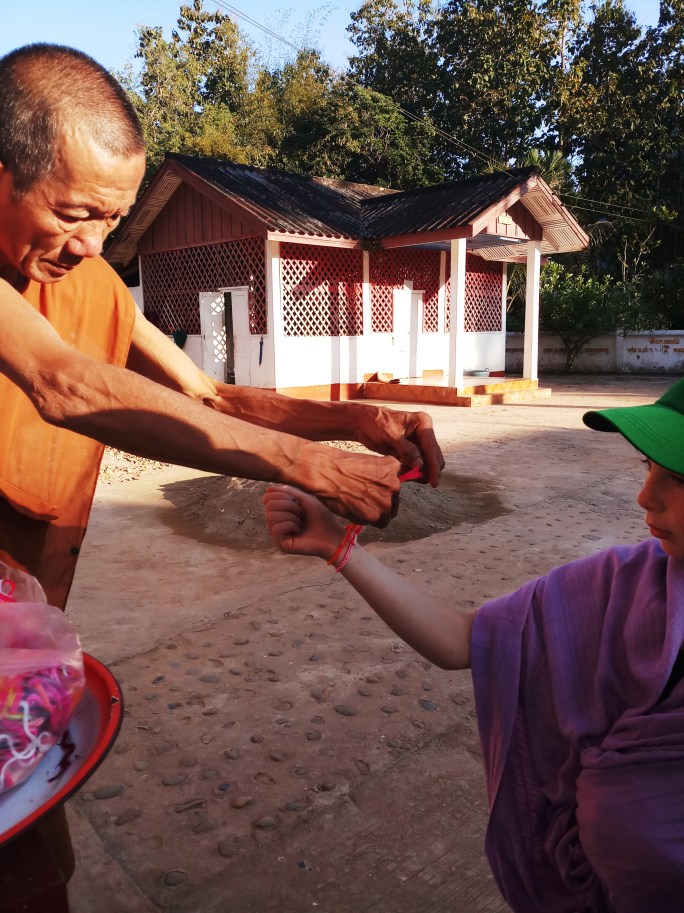
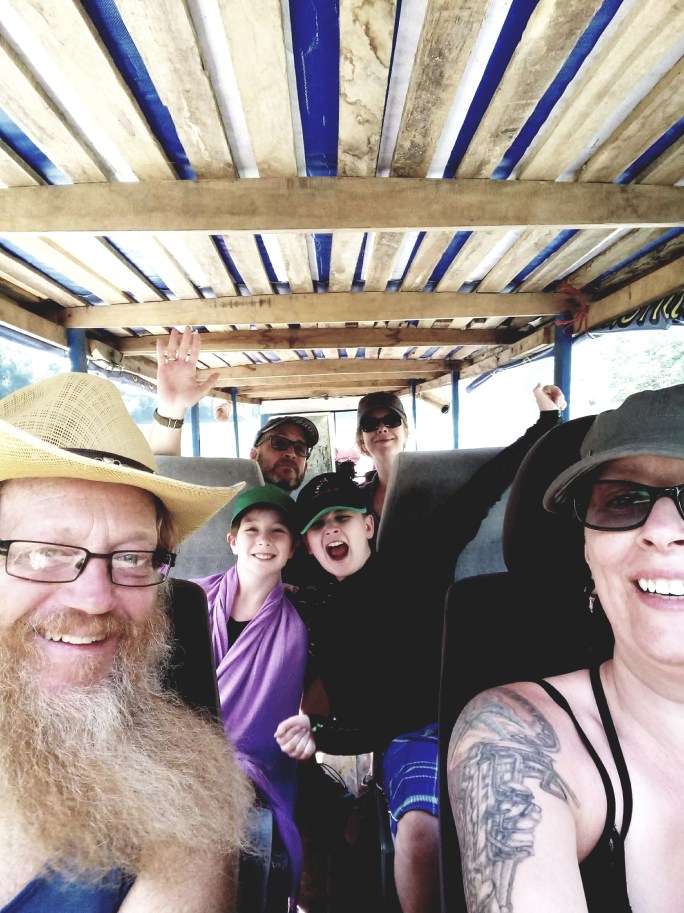
We travelled by bus up the Nam Ou River about four hours north of Luang Prapang back in time. Aside from the additional plastics and synthetic fibers available for sale, much is the same in this part of the world as it was many years ago. In this area are Hmong, Khmu and Lao people who weave silk and cotton, make baskets and live using traditional methods. There is a school in Nong Khiaw and Muang Ngoi and now a health clinic. Our visit to this part of the world was definitely our first step off the well trodden path.
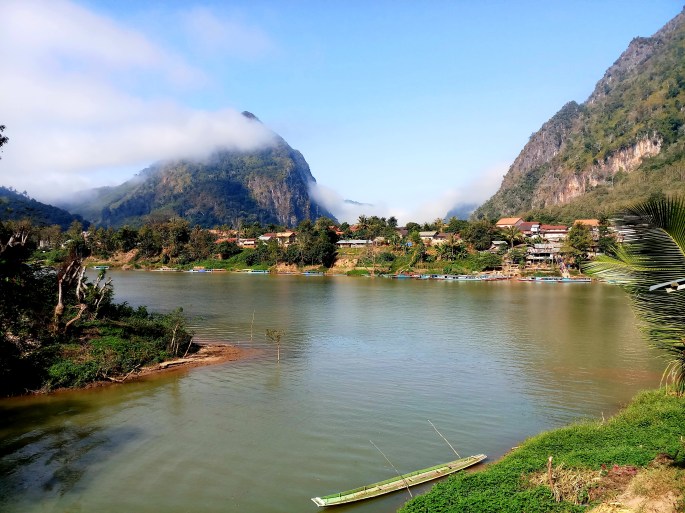
Until 2013 one could take a slow boat all the way to Nong Khiaw, but now there is a hydroelectric dam that is blocking the way and bus or tuktuk is the only route open. Laos is currently constructing over 21 damns and expects to open two new hydroelectric powerplants every year from 2012 to 2022. Painted Chinese characters loom large on the sides of large work trucks and concrete structures built to hold back the land from new reservoirs created by the damns. It is clear who is bank rolling these projects. China has its eye on the future and its hands reach everywhere in Southeast Asia to secure future energy and land needs.

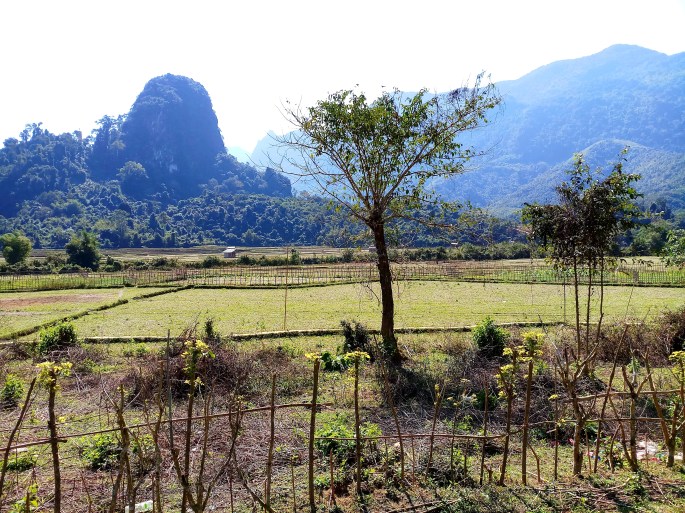
Despite these changes to the Mekong and Nam Ou rivers, the landscape is breathtaking. We spent eight days in Nong Khiaw and then went further North and stayed in an even smaller village of Muang Ngoi that only recently got electricity. Although these villages are not easy for the average tourist to reach, I think that these once quiet villages are going to change fast as the influx of visitors grows. A road is being constructed between Nong Khiaw and Muang Ngoi (now only reached by small wooden boat) and this will allow larger tour vans to reach this area, bring more money and encourage larger infrastructure.
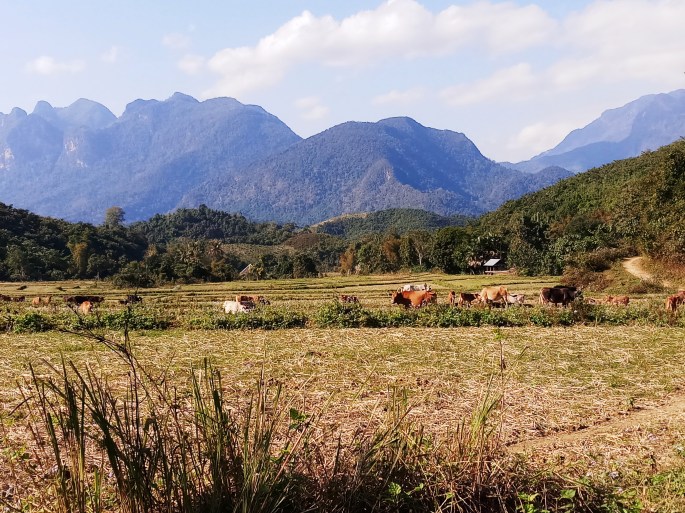
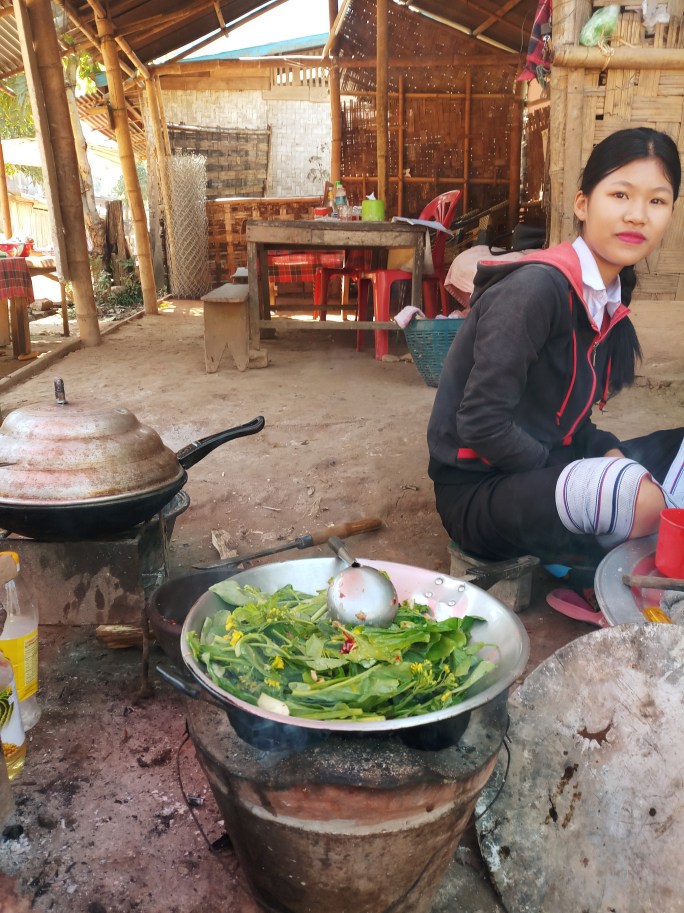
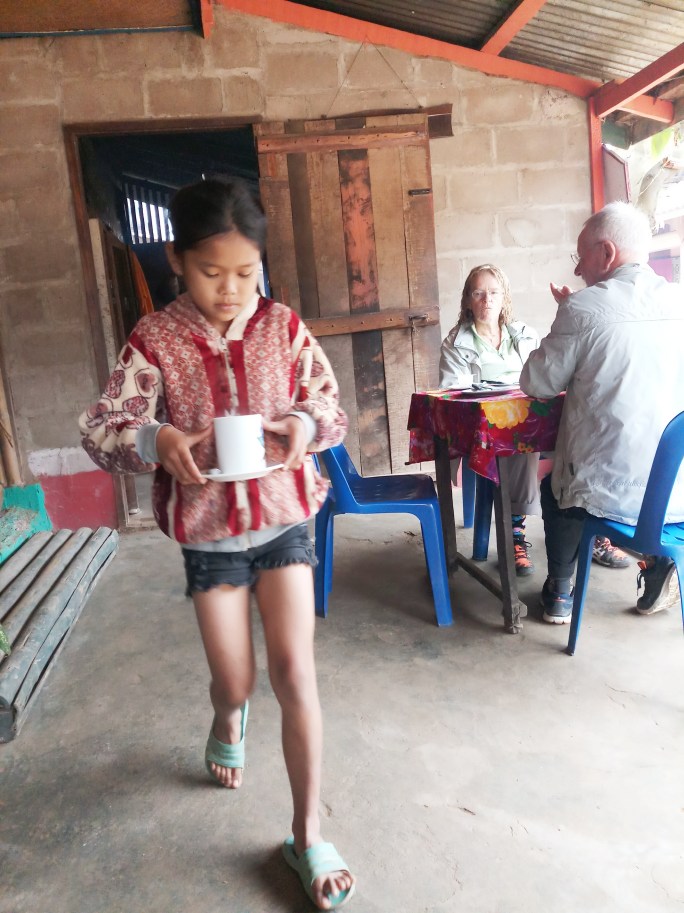
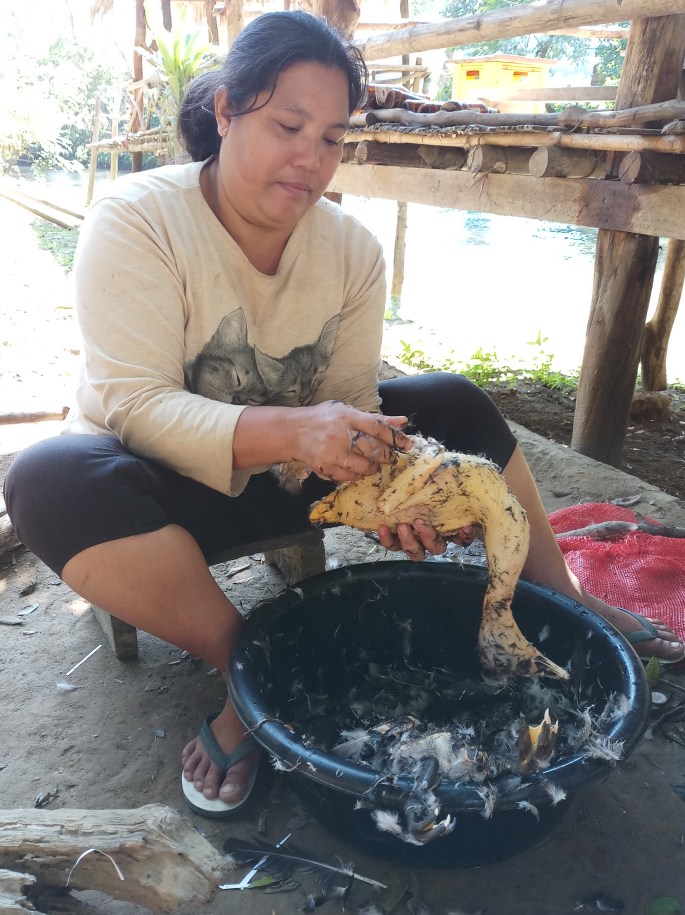
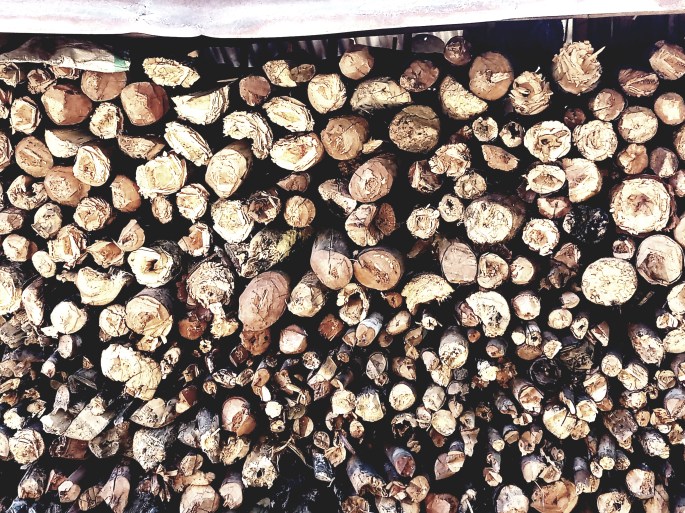
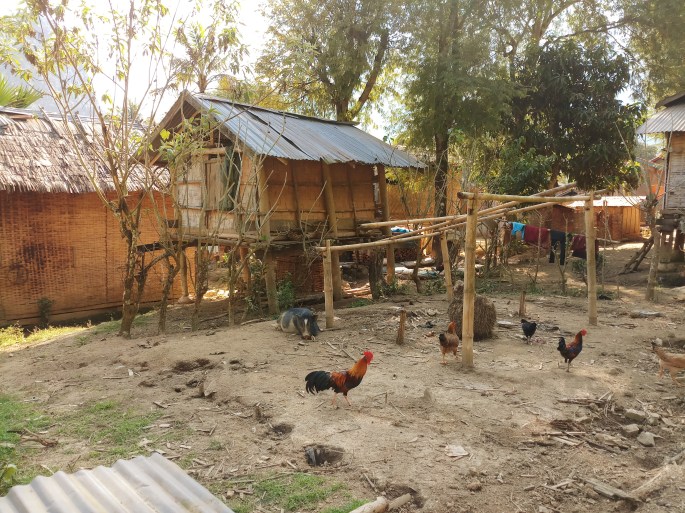
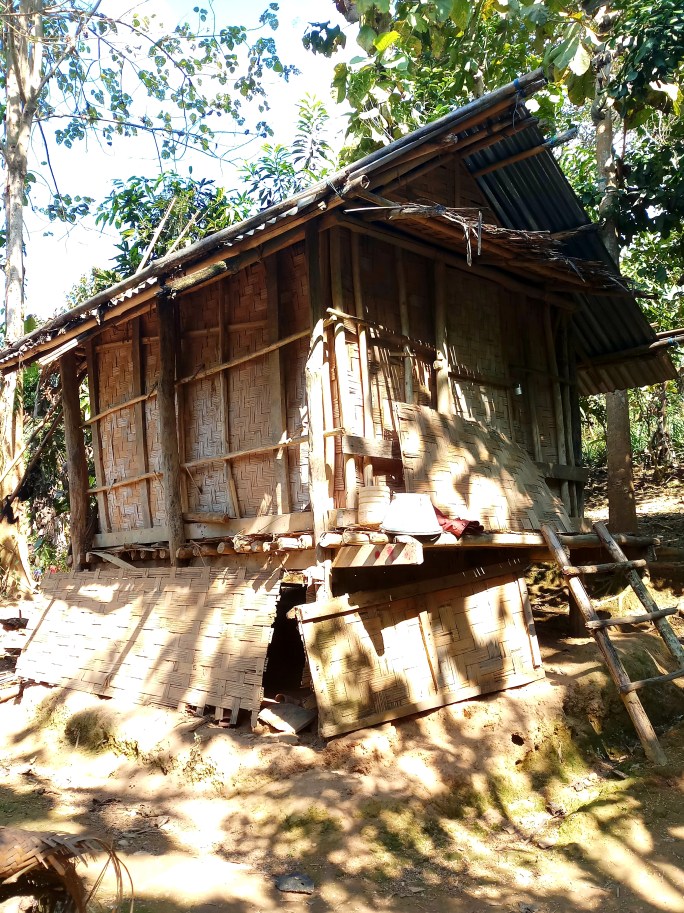
Most of the people in these villages still live very close to the bone, depend on fish from the river and small-scale farming. They create homes and baskets from bamboo, rattan and hardwood. Most use coal and cook over an open fire.

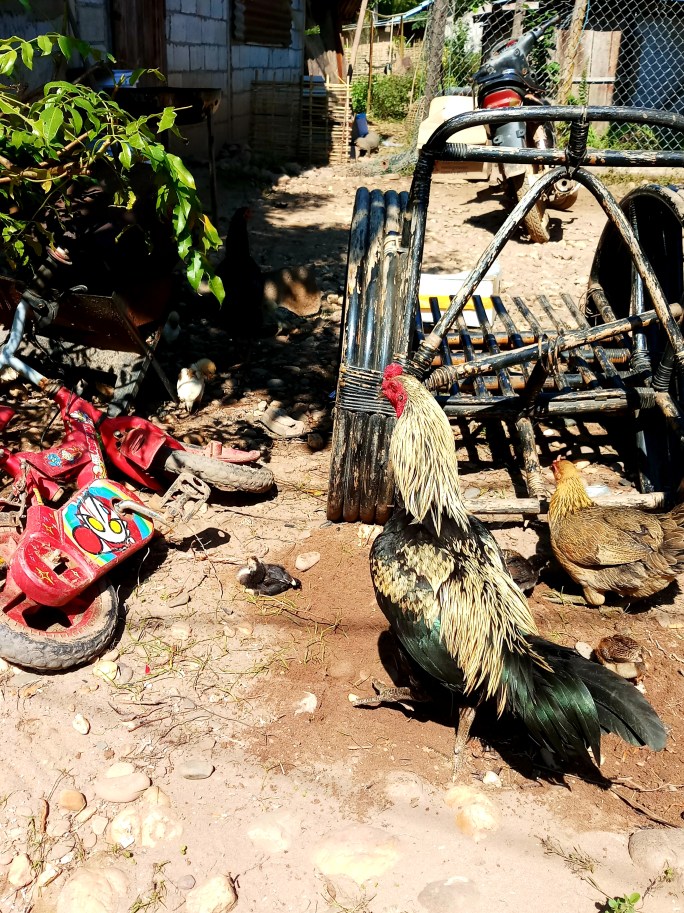
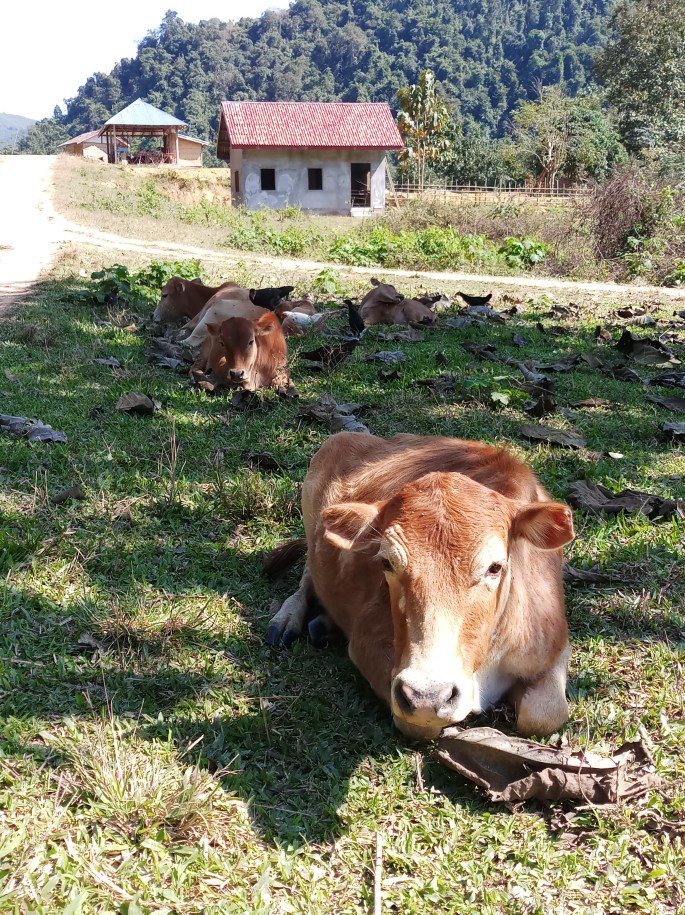
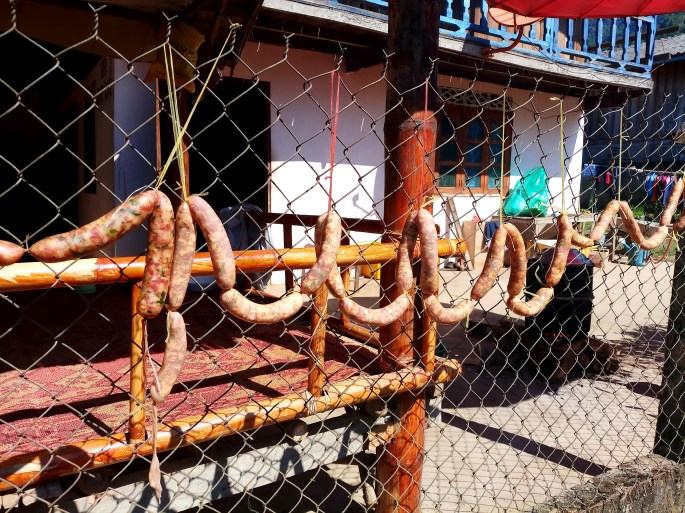
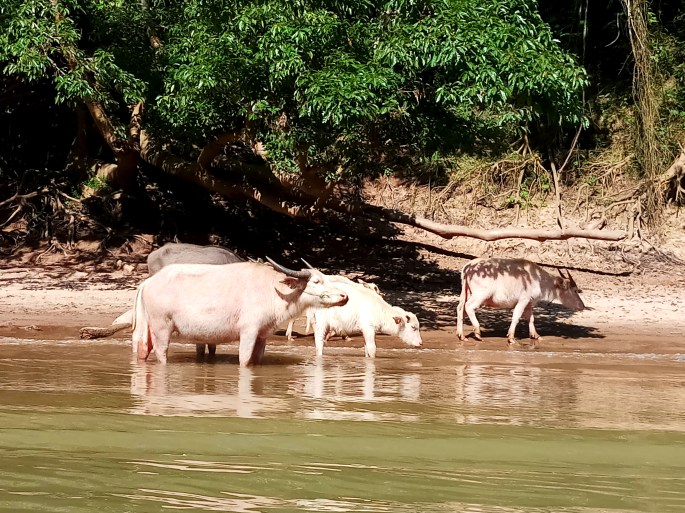
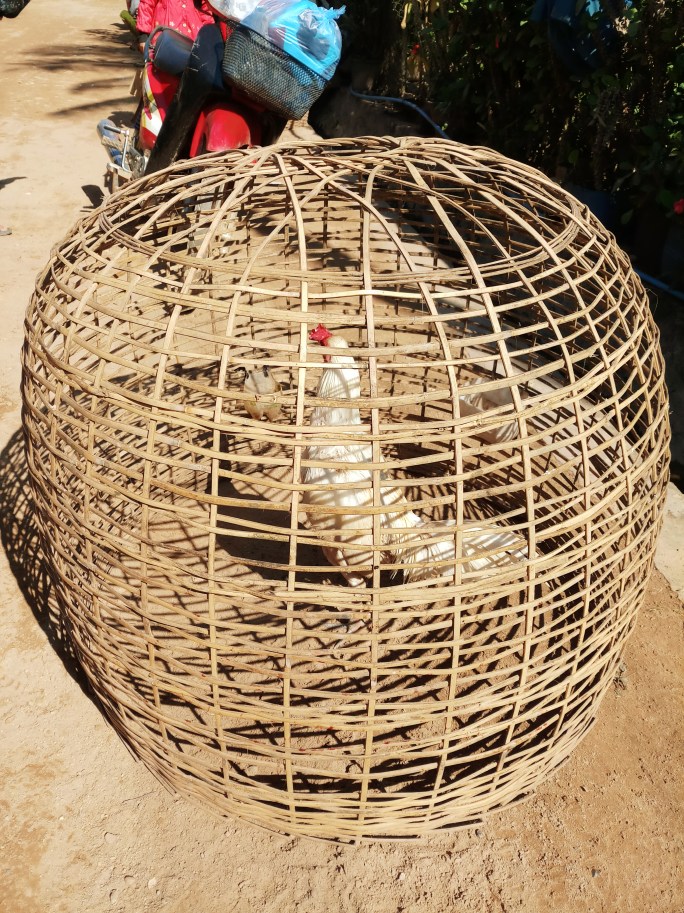
There are chickens and roosters everywhere, as well as pigs, cows, water buffalo and dogs. These animals are truly free range, and I am confident antibiotic and hormone free. Organic? Most likely not as I saw animals often snacking in the free form piles of burning trash. But, definitely local!
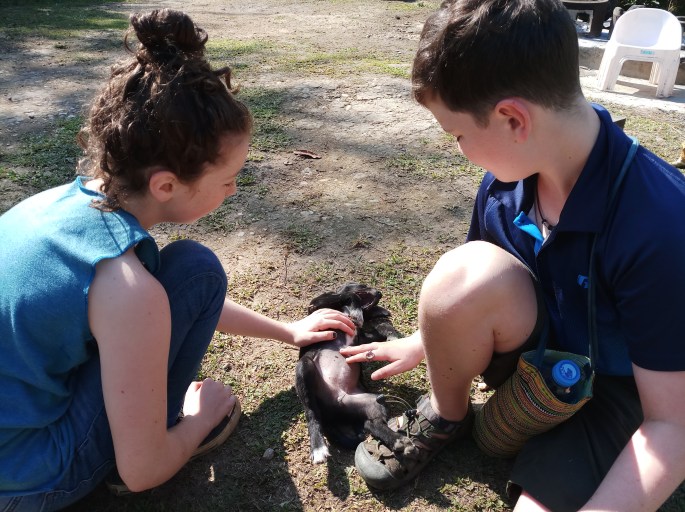
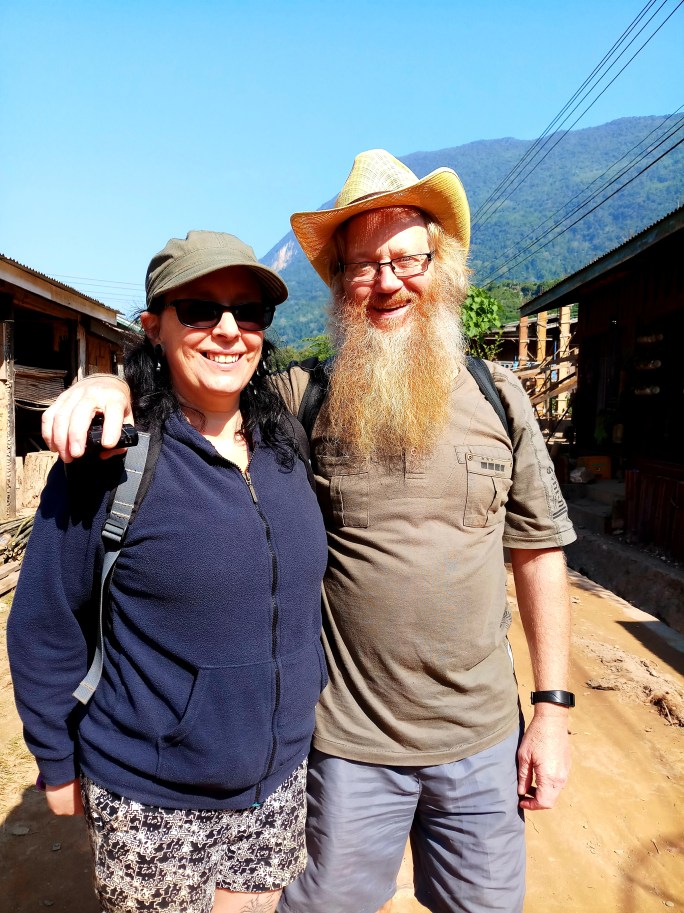
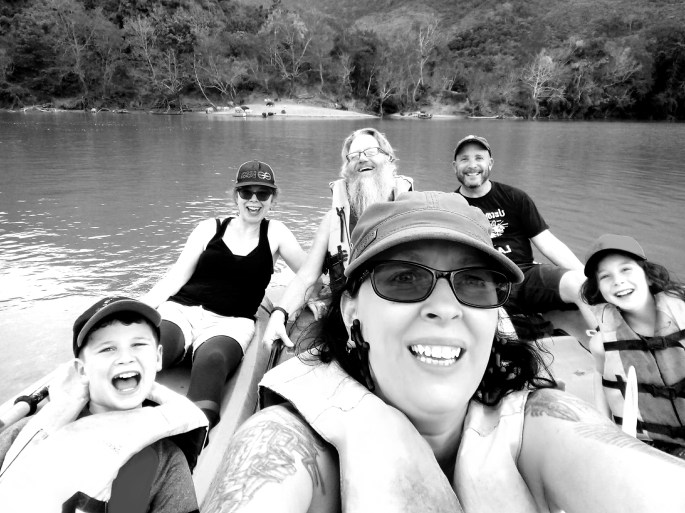
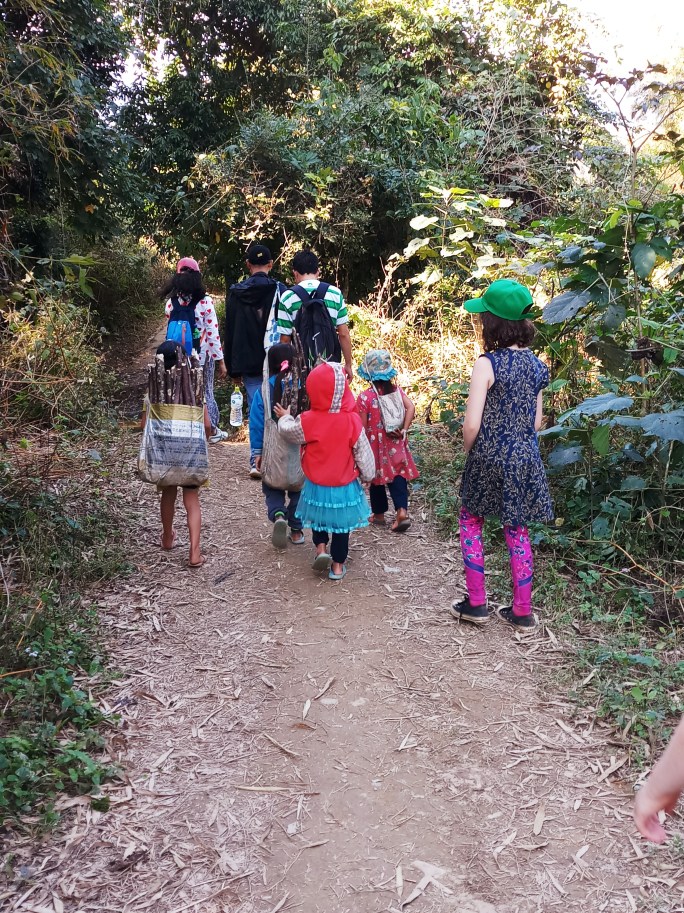
We spent our time trekking up steep paths to view points, visiting temples and walking along hot dusty roads to far-flung villages (9 miles in one day). We were fortunate to meet Silver and Tony, a fun loving couple from New Castle England. They shared tremendous stories of travel and offered comic relief, as well as parenting to Addie and Jack. I hope our paths cross again. I am sure they will.
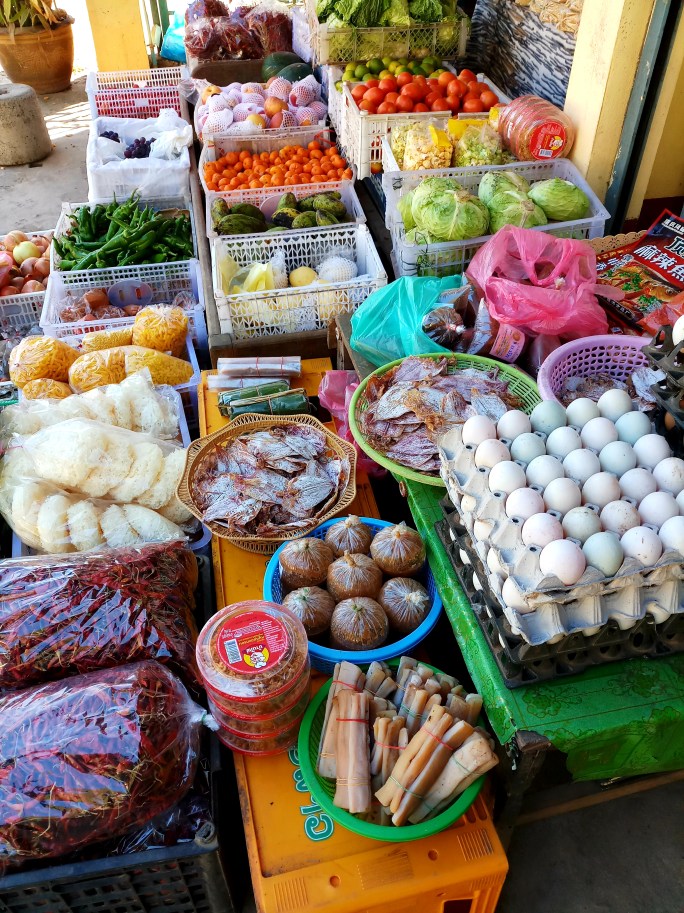
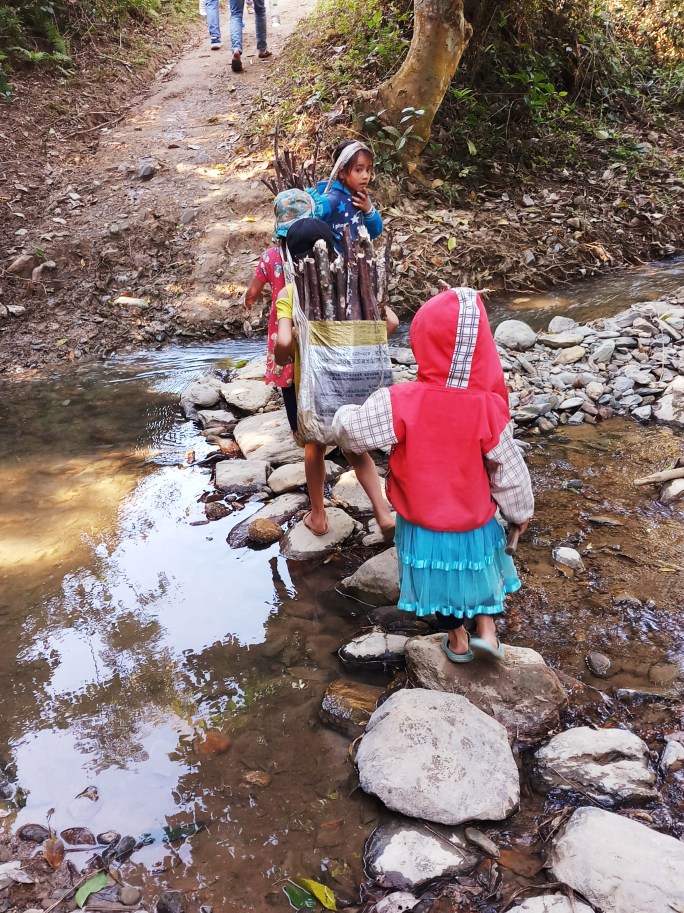
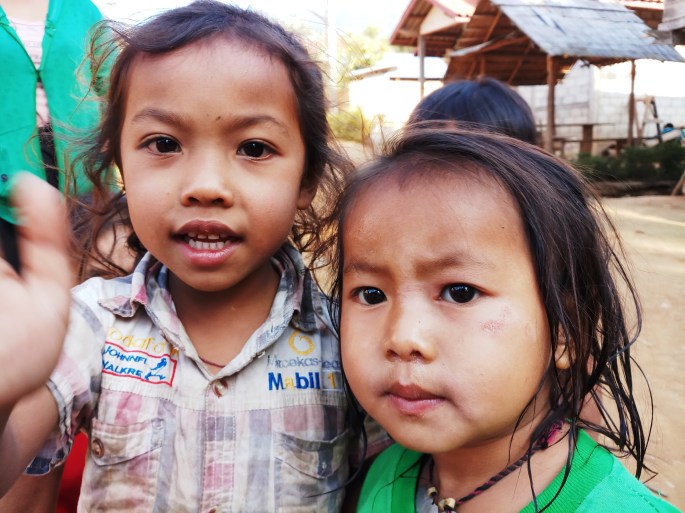
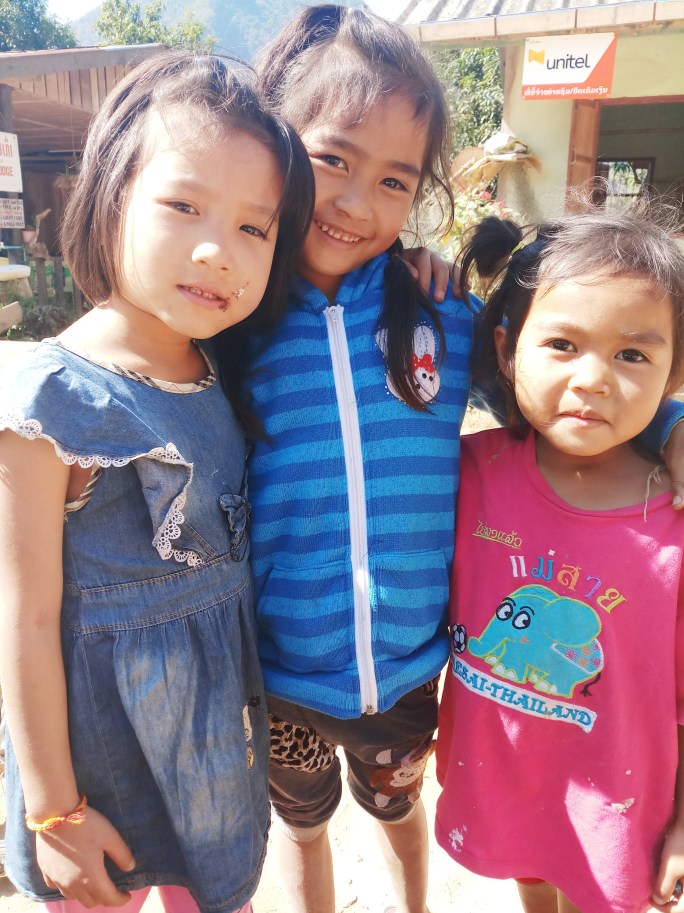
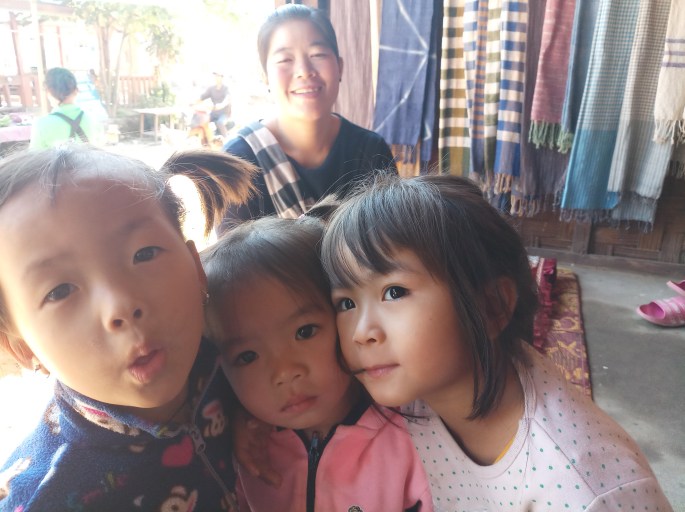
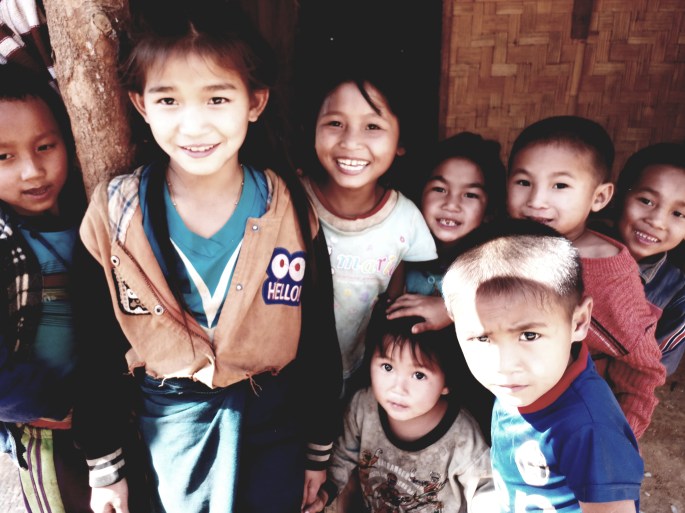
I found that children and adults would love to have their photo or video taken and then see it. I really wished I had a Polaroid camera so I could give them a photo. In many of these homes there are no mirrors.

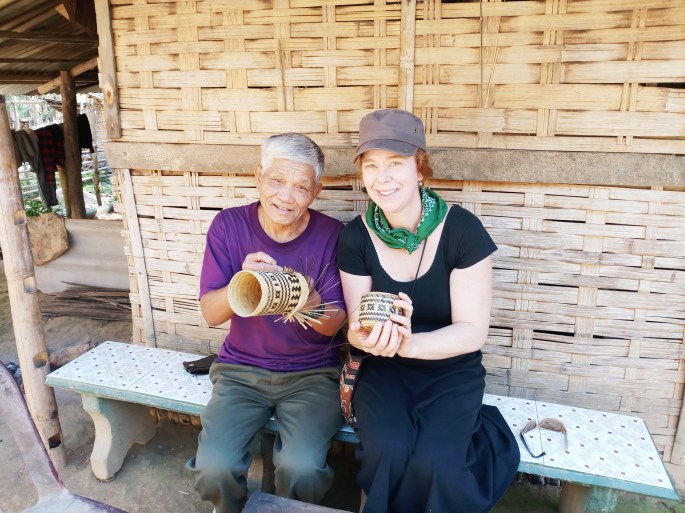
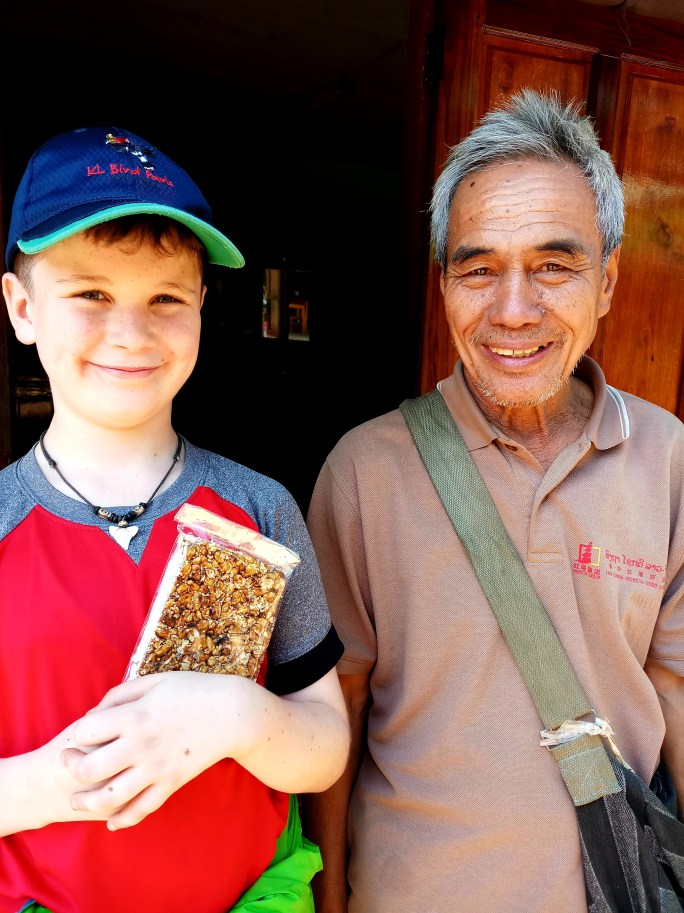
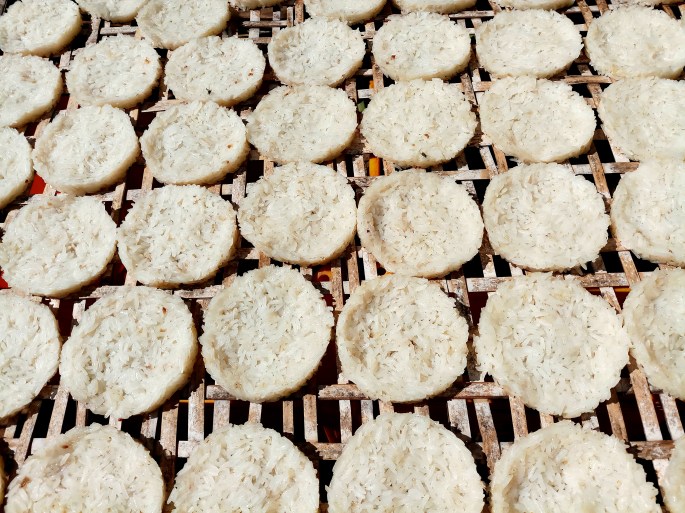
An average sticky rice basket takes two days to make. This man sold me one for 25000 kip ($3) and I am sure that was the tourist price.


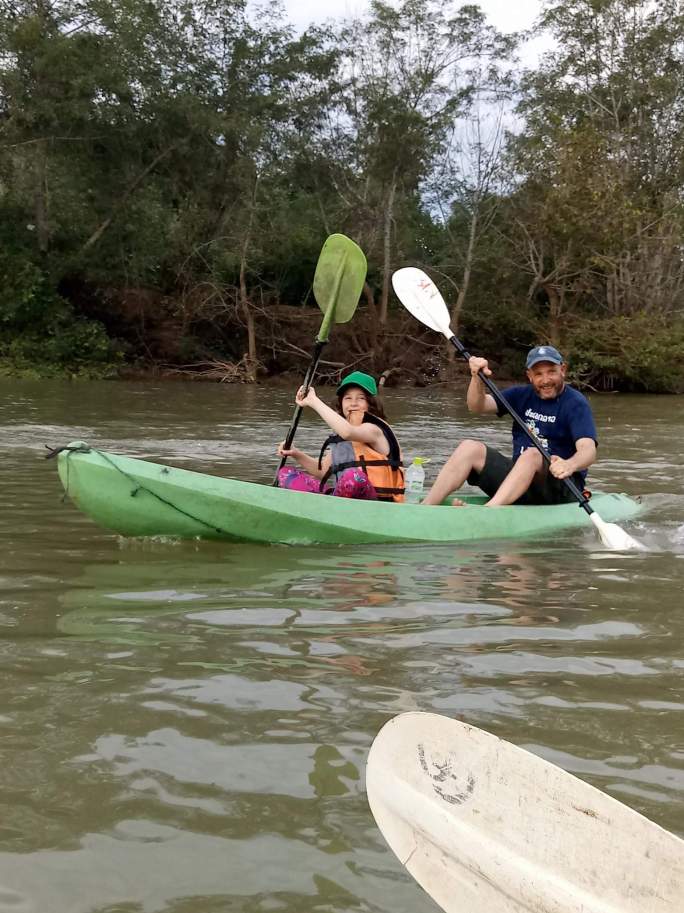
According to our friend Tony, confrontations with water buffalo cause great injury in this part of the world.

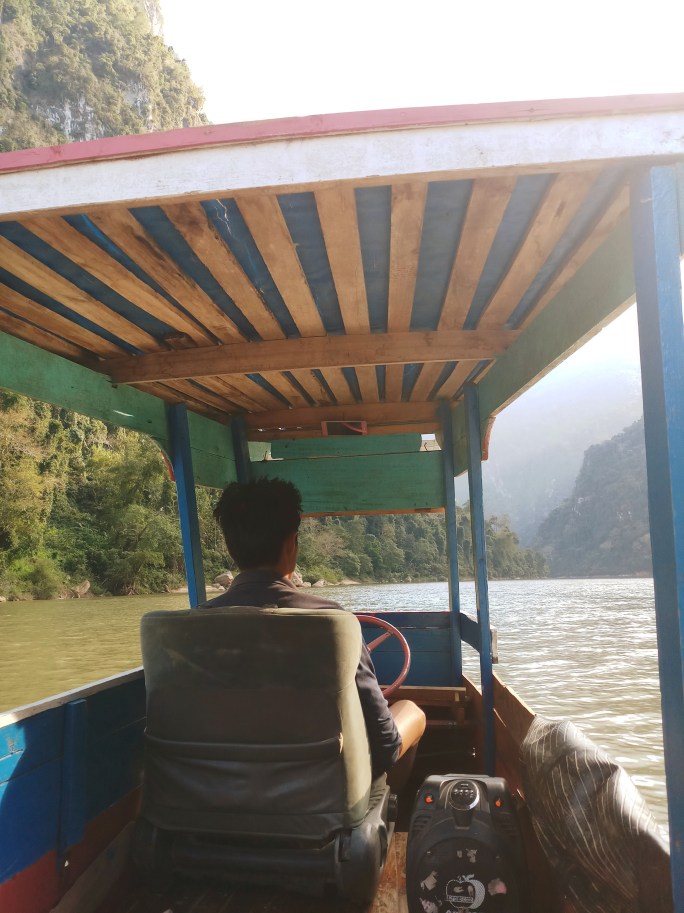
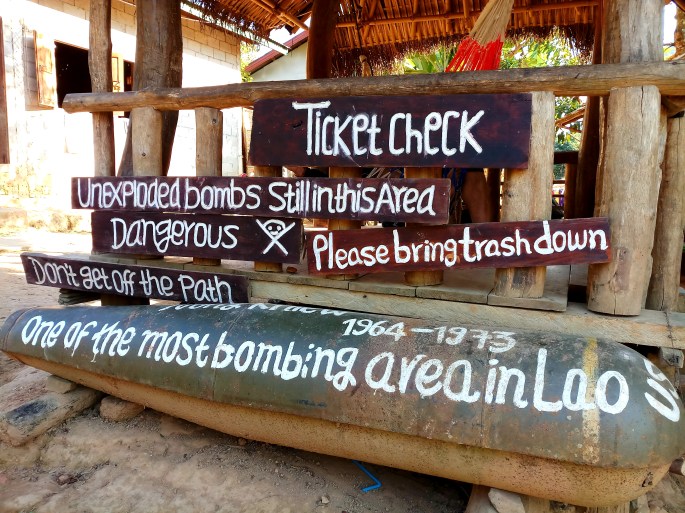
Laos is still plagued with a huge number of unexploded bombs thanks to the United States. To develop or build, one must clear the land first for safety. We are learning a lot about this part of the world and the complex relationships Laos has to nearby countries and far. Stay on the path!
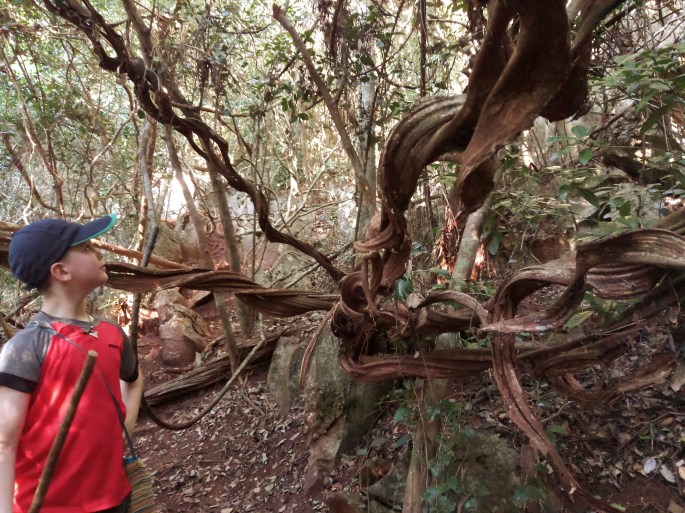
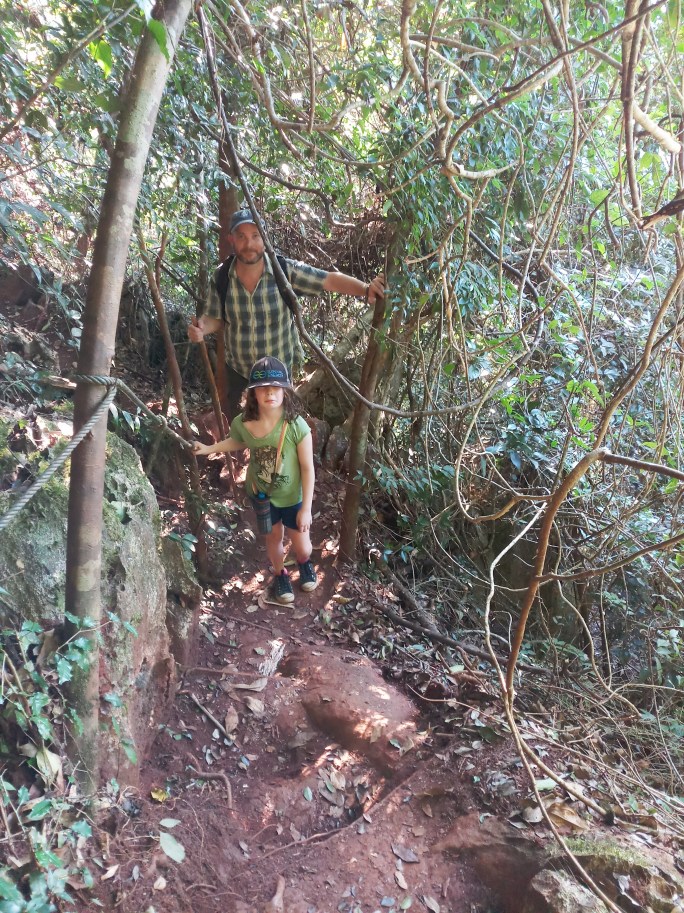
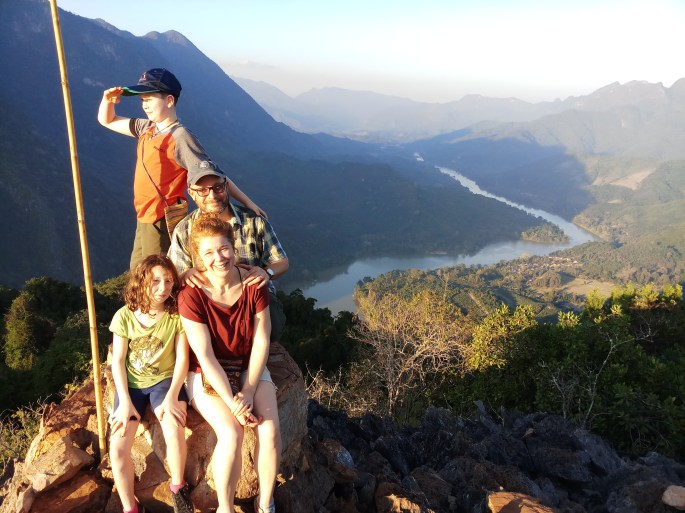

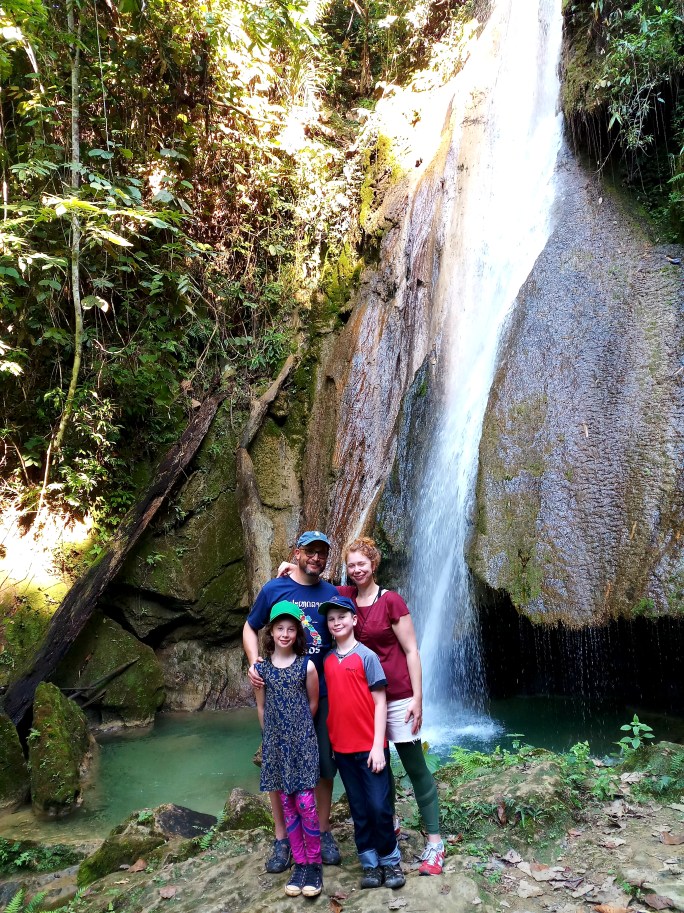
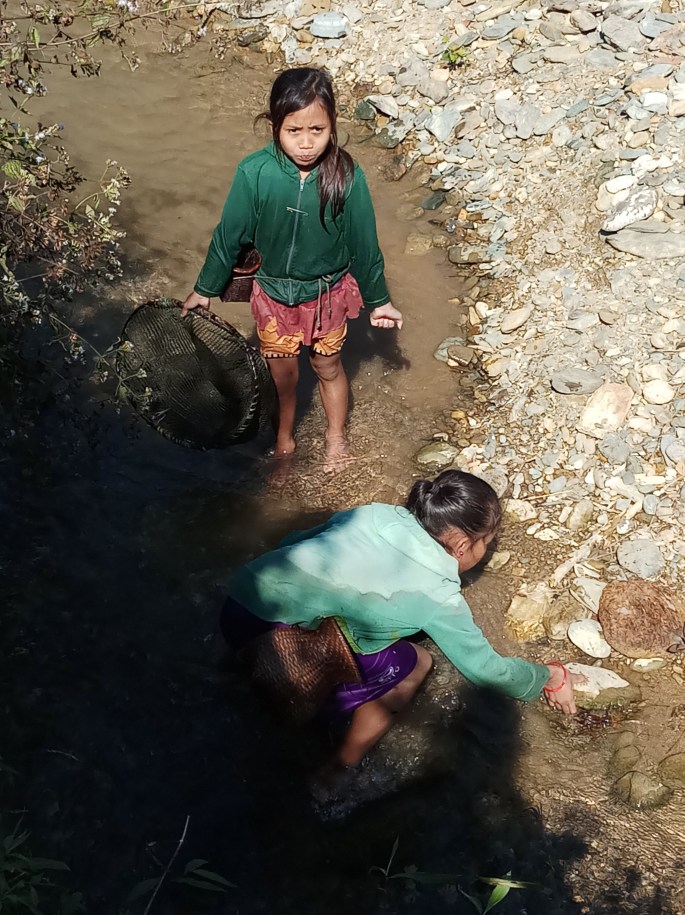

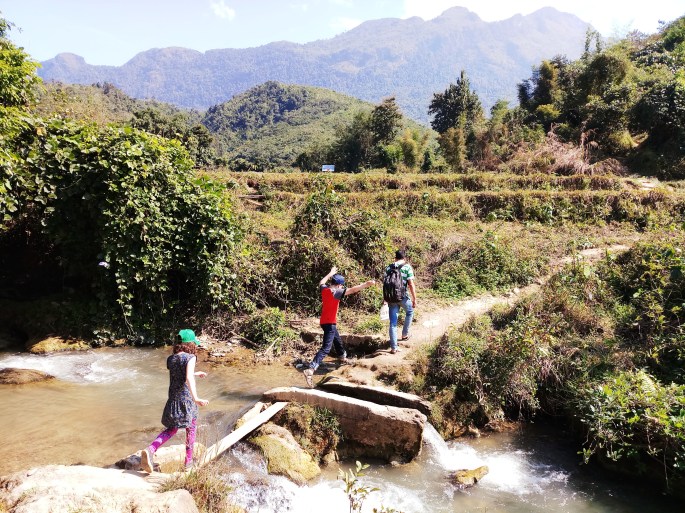

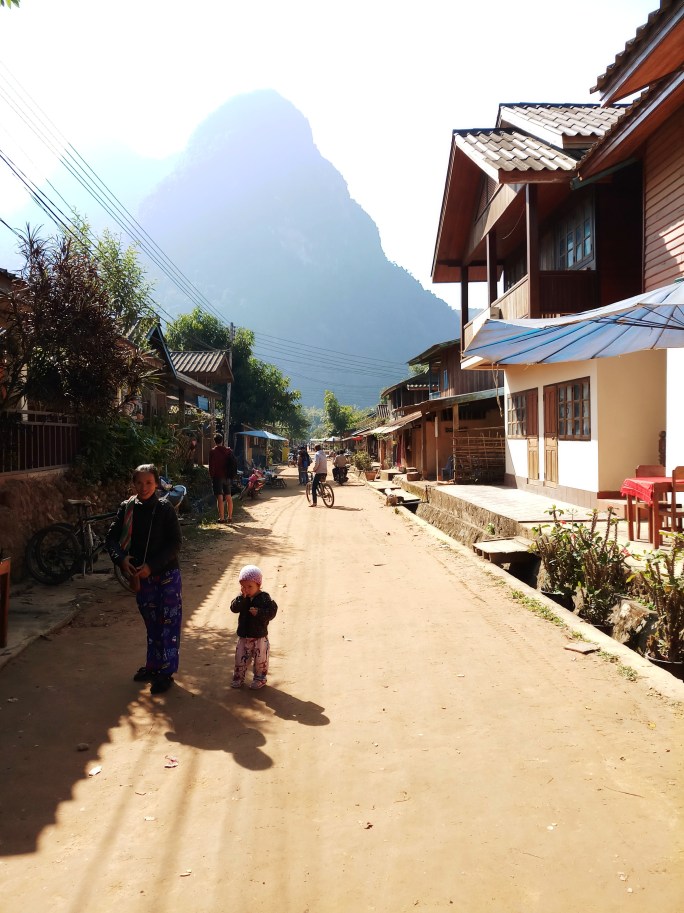
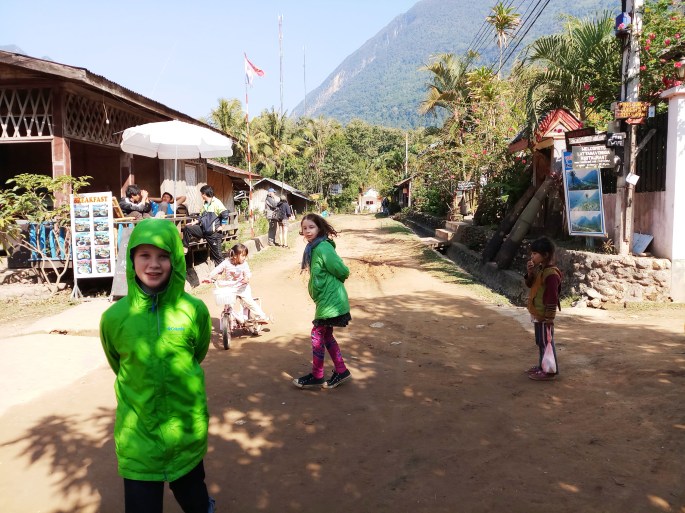

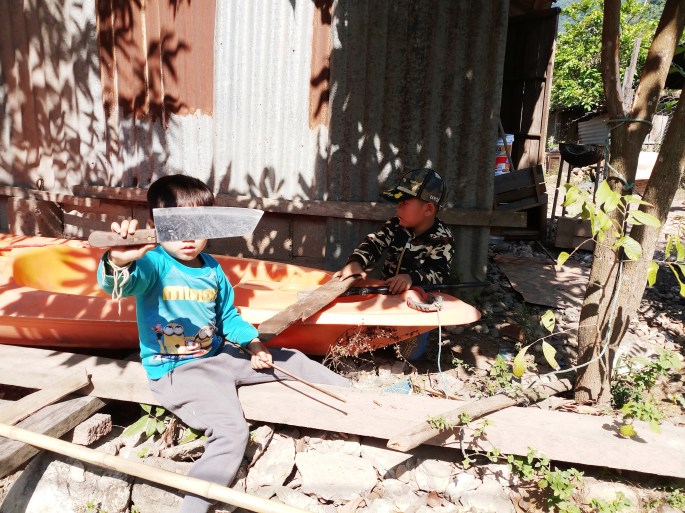
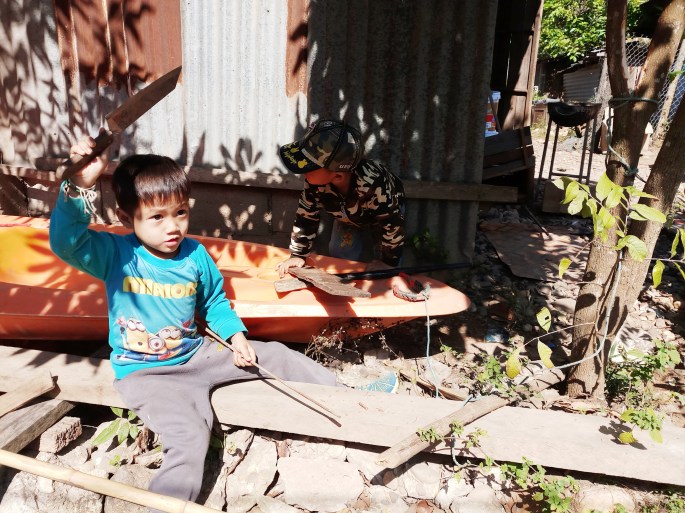
Our visit to this Northern oasis has been one of the highlights of our trip! We feel so lucky to be able to see this beauty and witness this little pocket of the world that is trapped in time.
 Bochner Family Adventure
Hi Family- This was an exceptional posting….amazing to see this part of the world through your eyes and experiences. Missing you all!
LikeLike
When this is all over I hope Jackson and Addie will take time to write about it. it will be a great read for children and adults.
LikeLike