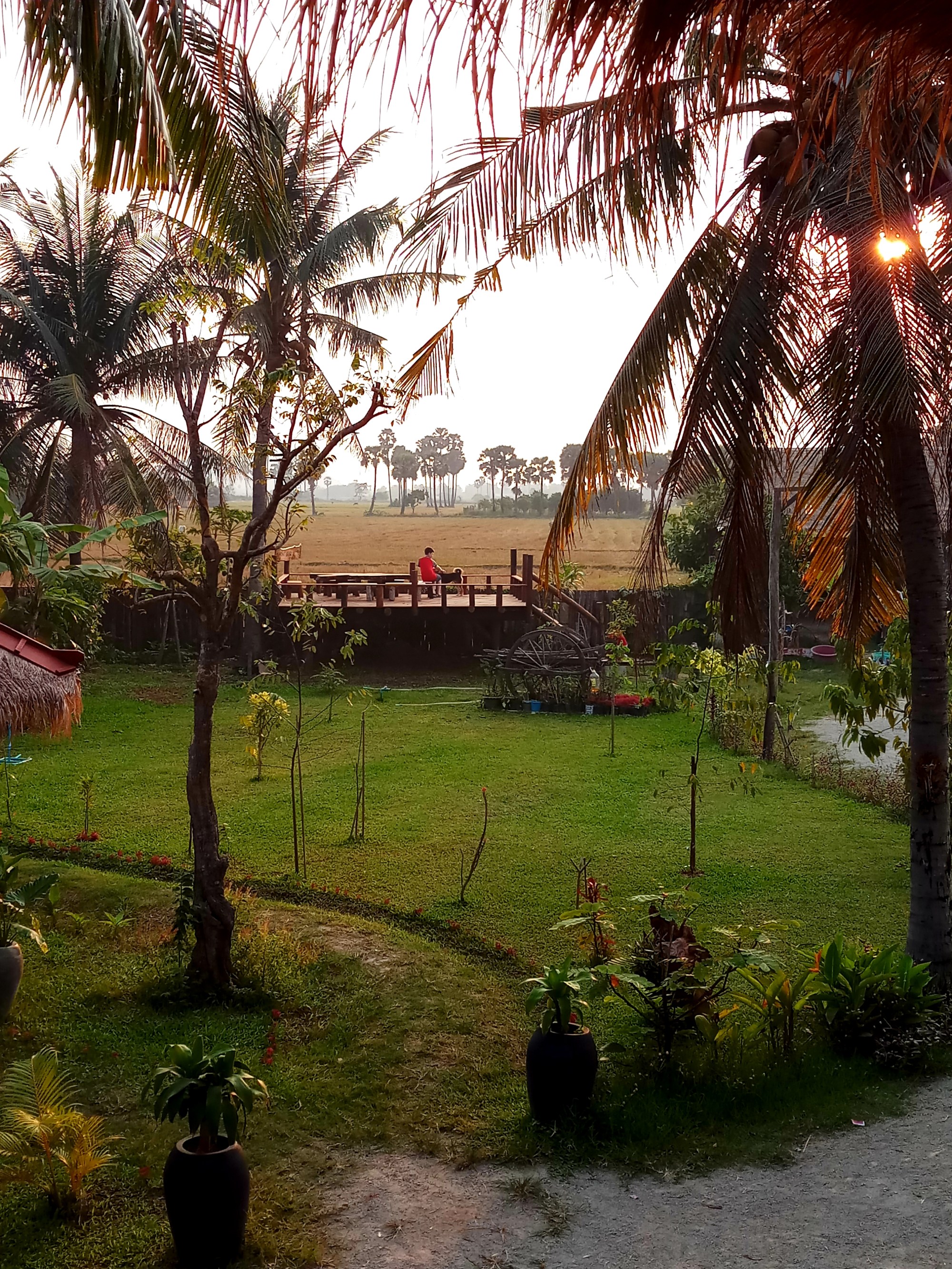
Kampuchea, officially known in English as the “Kingdom of Cambodia”, is the country that we are travelling through now. The more I read and learn about this country, the more confused and conflicted I feel. In preparation for visiting this country, we learned about the Vietnam war and the Khmer Rouge genocide. I read political and historical accounts that gave me a general idea of the challenges this country faces. On paper this country is mired in problems and, from afar, it appears broken and irreparable. Political corruption is endemic, child exploitation and poverty pervasive, vast environmental degradation and a failing education system are among the largest hurdles to development.
A generation of educated Cambodians were murdered or fled in fear during the Khmer Rouge takeover in 1975. Two million murdered, another million died from disease and starvation after the conflict. The survivors and perpetrators go about their daily lives in the present, all suffering amazing loss, largely unspoken. When I look into the faces of those that are older than 42, I know they experienced the unthinkable. Imagine a whole country carrying that type of trauma and grief in their souls. Although, the Khmer Rouge reigned from 1975-1979, the fighting and violence continued until the early 1990s.
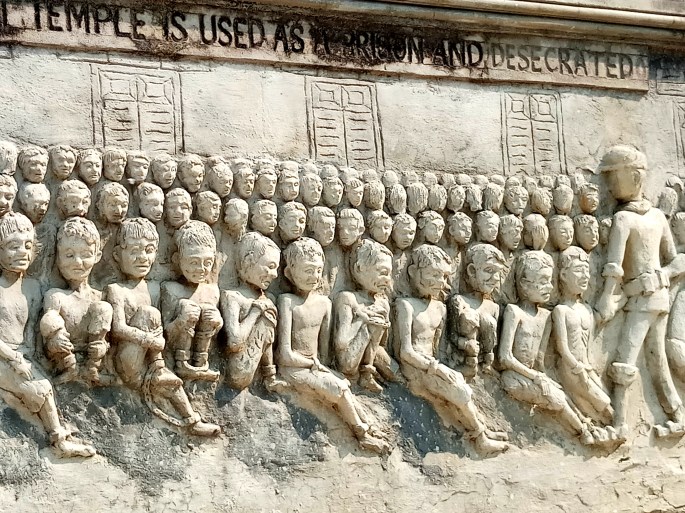
We experience the educational deficits as our TukTuk drivers struggle with maps and illiteracy is rampant, as school is costly (bribes needed to help pay the teachers) and not mandatory. It is a miracle that anything works here. Described by Human Rights Watch, Cambodia is a “vaguely communist free-market state with a relatively authoritarian coalition ruling over a superficial democracy.” Currently, Hun Sen has been in power for 30 years and recently the opposition party has been ruled illegal. However, despite these plaguing problems, the Khmer greet us with the largest, easiest smiles, real “light up the room” grins.

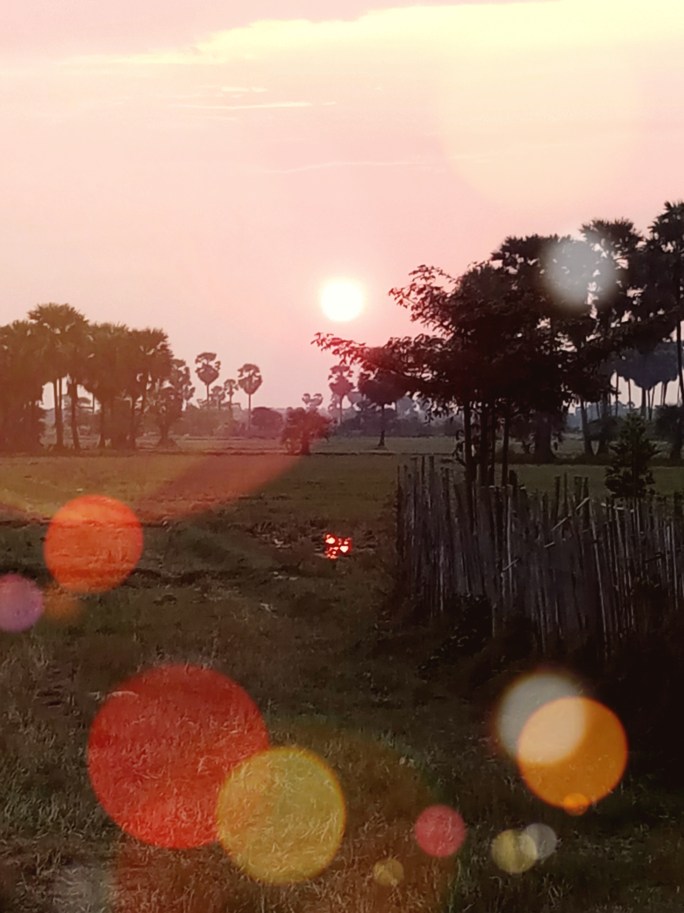
Kampuchea, as the Khmers refer to their country, is a largely flat country smaller than Oregon with three times the population. The city of Siem Reap is a two-story town with only a few taller buildings. Most of the roads are dirt and the red clay dust coats everything. Although the dust and dirt makes for a gritty experience, it lends the evenings an eery magical glow that is unique to this land.
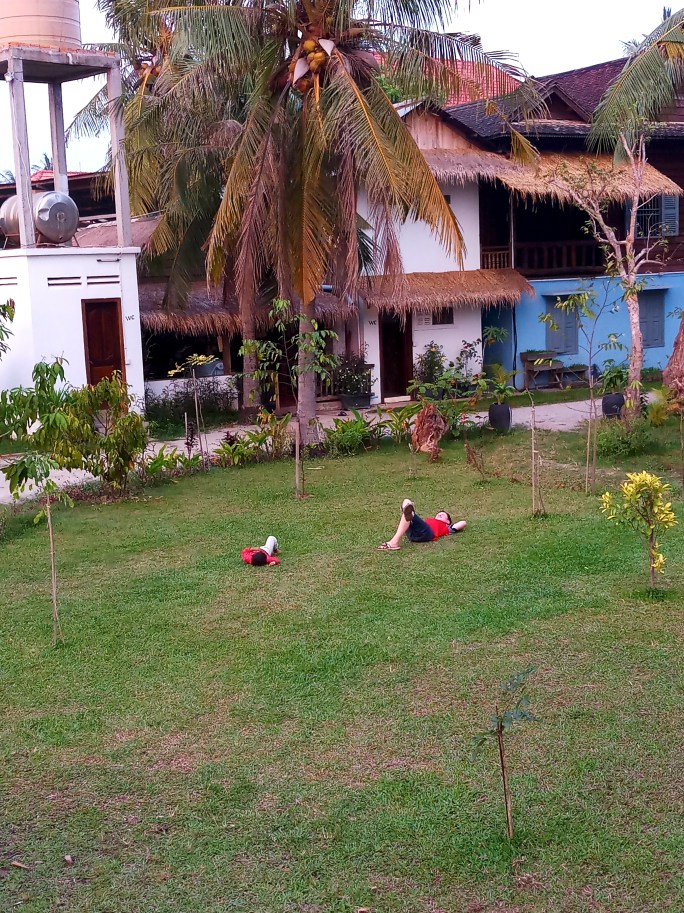
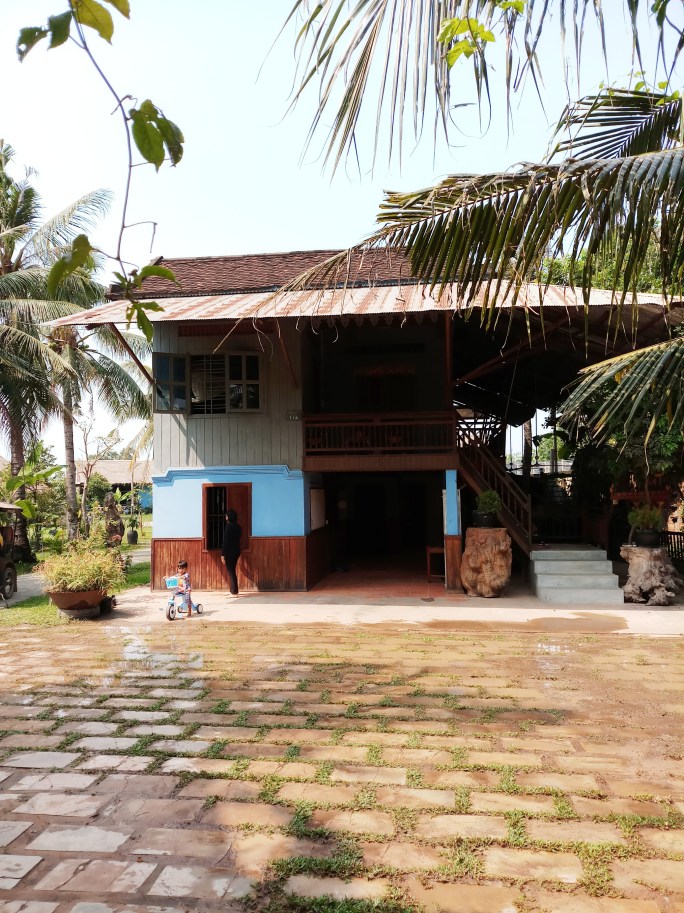
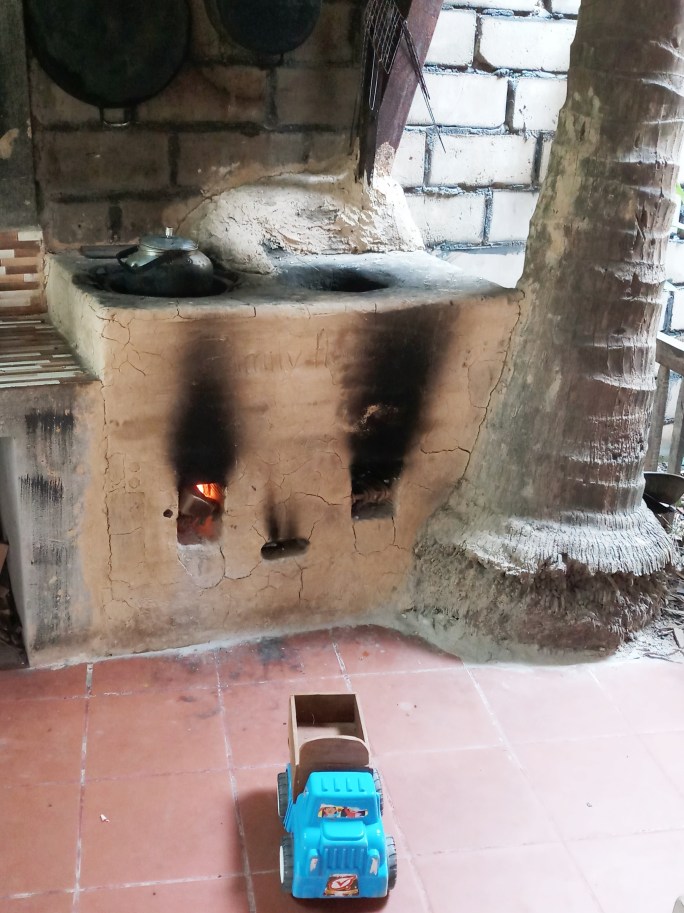
For our first three days in Siem Reap we stayed in the country side, sleeping at a homestay. We had rooms in the main house, all hard wood, and shared meals in the family kitchen. It is simple, inexpensive and a good way to experience Khmer life away from the tour groups. The family is very welcoming, the food fresh and although far from town, the grounds are beautiful.


The common mode of transport for us is a TukTuk. The Khmer style are carts with seats behind a motorbike. Originally these were Cyclos, the same style, although more basic behind a bicycle. The locals get around on motorbikes and bicycles. Traffic here is crazier than Laos, tamer than Vietnam. Apparently the Khmers believe that what they do not see, is not there. Instead of a blind spot, an invisible spot. Also, as with all of Asia, the biggest car wins, so we are often side lined by the honks of large trucks that roar past. The TukTuk trips are bumpy, loud and often harrowing rides, although since we survived, exhilarating. The open aired transport also facilitates smiles and waves as car glass does not keep us hidden. Unlike other countries, most Khmers do wear helmets, or “hats” as there is a hefty $6 fine.
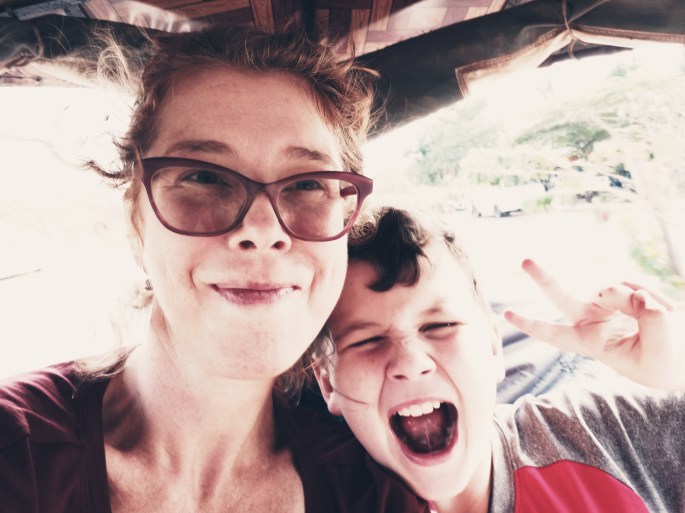
Arriving from Laos, where we had such a cozy experience, Cambodia shoved us out of our idyllic dream into the dusty reality of the developing world. At first, to be honest, I did not like it. Overwhelmed by the story of trauma that this whole country experienced, I wanted to turn away, walk away. In fact, in this emotional place we made the decision to go to Nepal next, move on from SE Asia. However, in the ensuing days, Cambodia is unfolding and expanding. Its complex history and recent atrocities are a true testament to the resilience of humans to move on, do more than survive, live on and continue to smile at strangers.
 Bochner Family Adventure
Love it. Jack seems to be growing fast. Miss you guys. It’s been a mild winter in Oregon, daffodils are already starting to stick their heads up. I’m heading to Hawaii to visit friends and play a couple of gigs. Trump’s hair flew off the other day, as he was climbing the stairs to Trump Force One on a windy tarmac. It was scary to see the pink stump that is his head.
LikeLike
I hope all this helps the rest of us keep our minor troubles in perspective. I am dealing with counter tops and plumbing, seems so trivial. Moving to new town and home, seems less dramatic. I will never know the world as well as my great grandchildren. Miss all of you so much, but I love reading and seeing the photos.
LikeLike