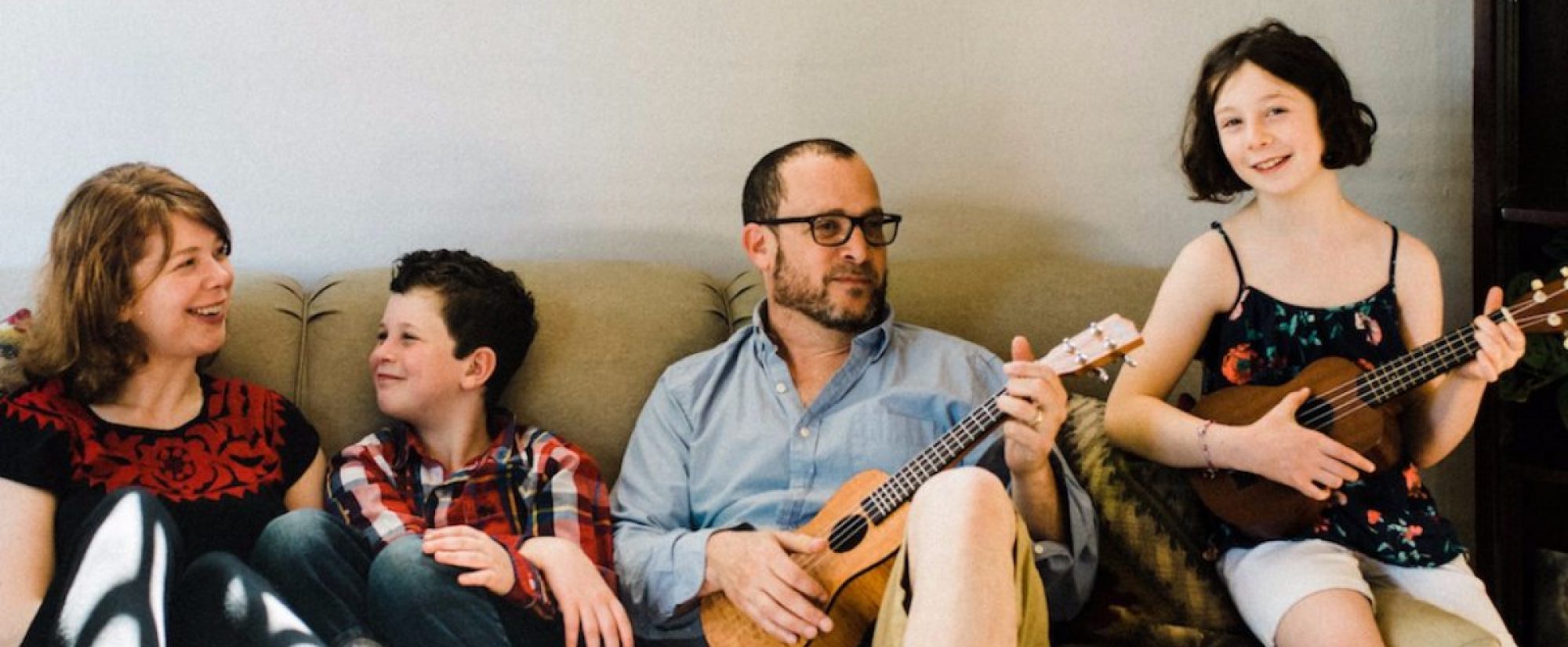
We are a family of four that decided to step off the treadmill of life in Portland, Oregon and travel in Southeast Asia. We will be volunteering, road schooling and slow traveling for a year or more. We have created this site primarily as a journal to document our photos, experiences and thoughts.
I am an RN, recently worked in the ED, now after 14 years am taking a break to travel and explore. My husband Cork, is a Montessori elementary teacher and we have two children, Jack who is 12 and Addie who is 10.
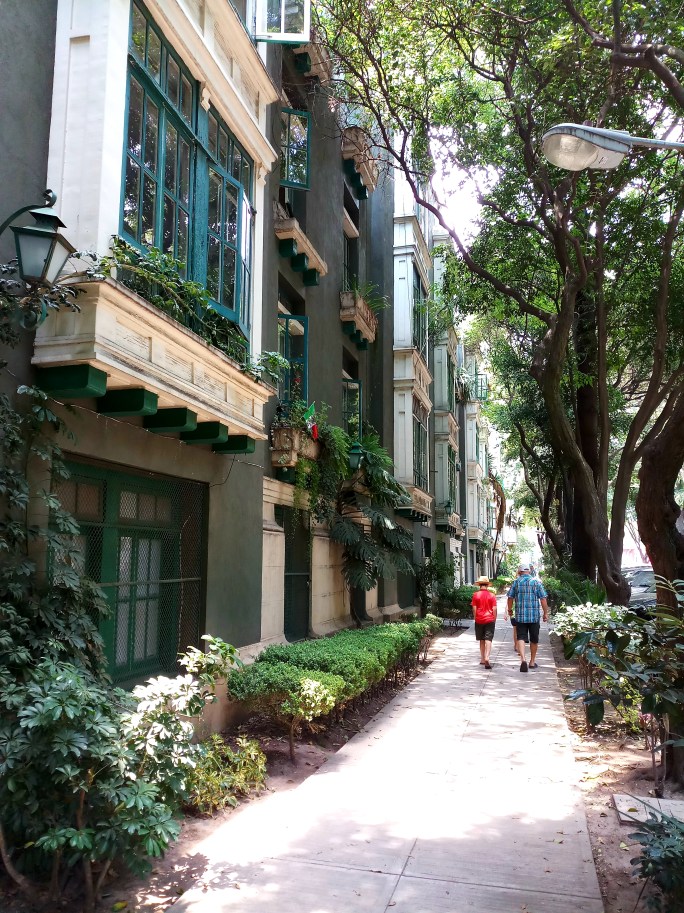
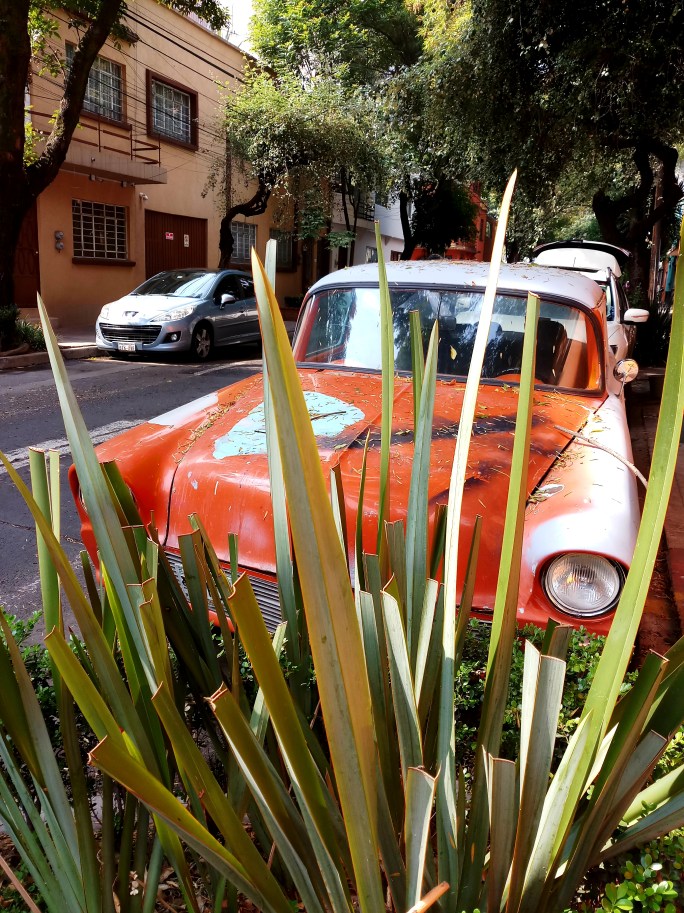
We are back in Mexico, a country that we have visited numerous times and deeply love. As we walk the streets of Condesa, a neighborhood that is as hip as any in Northwest Portland and filled with stylish people walking their well-groomed dogs and modern cafes, we marvel at how misrepresented Mexico is in the States. Albeit, we are not staying in a poor area, and do not visit any high crime sections of the city, it is our experience that the media portrayal of Mexico across the world is in direct contrast to the reality. This is a city for the people and we do not see tourist faces. The green spaces, museums, parks and zoos are well cared for, artfully designed and free most of the time. It is meaningful when a city shares its gems and relics with the public for free, there is a solid pride in the history of this country that strives to be shared.
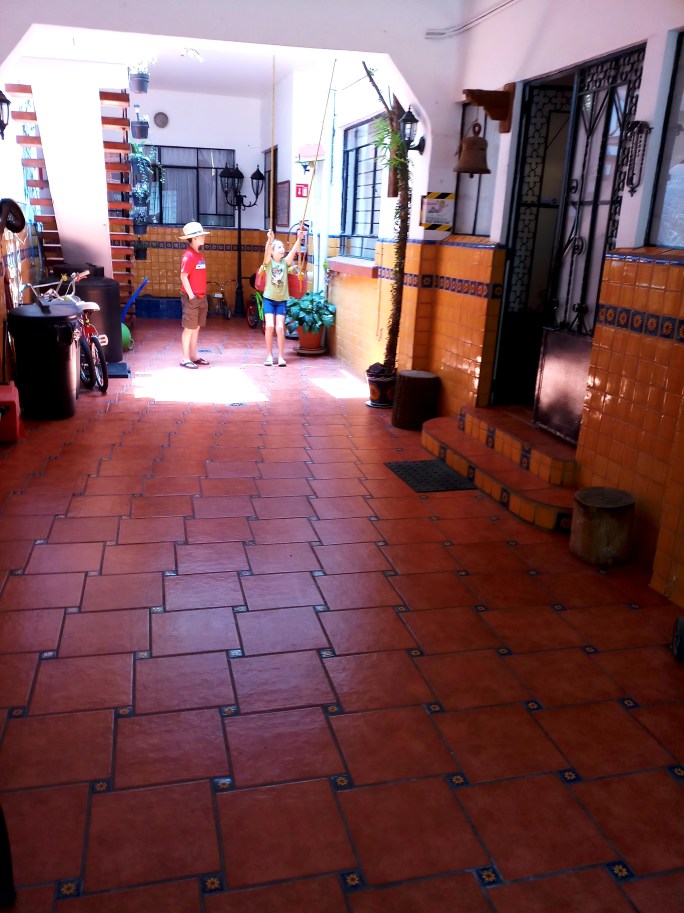
We stayed for five nights in this amazing airbnb, a real find, generous in space and full of surprising amenities like coffee and shampoo. It is by far the nicest airbnb that we have stayed in during our whole trip.
The inner quartyard has a swing
We spent much of our time wandering around the large park called Chultepec. It is considered the largest park in the western hemisphere, 1700 acres. It contains nine museums, amusement parks, winding paths, commemorative sculptures, lakes and fountains. It feels safe, surrounded by a high fence and closed at 8pm.
It is considered Mexico City’s “lungs”, with trees that replenished oxygen to the Valley of Mexico. Up to 60 species of birds can be found here and is a refuge for migratory birds from Canada, the U.S. and other regions of Mexico. The government spends millions a year to maintain the ecology of the park. Over 250,000 people visit daily.
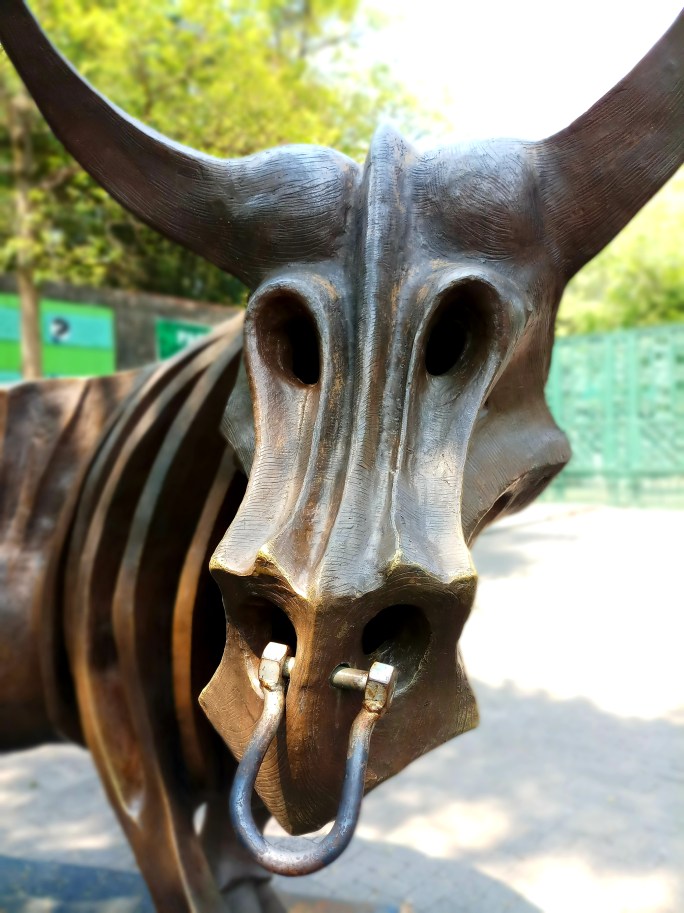
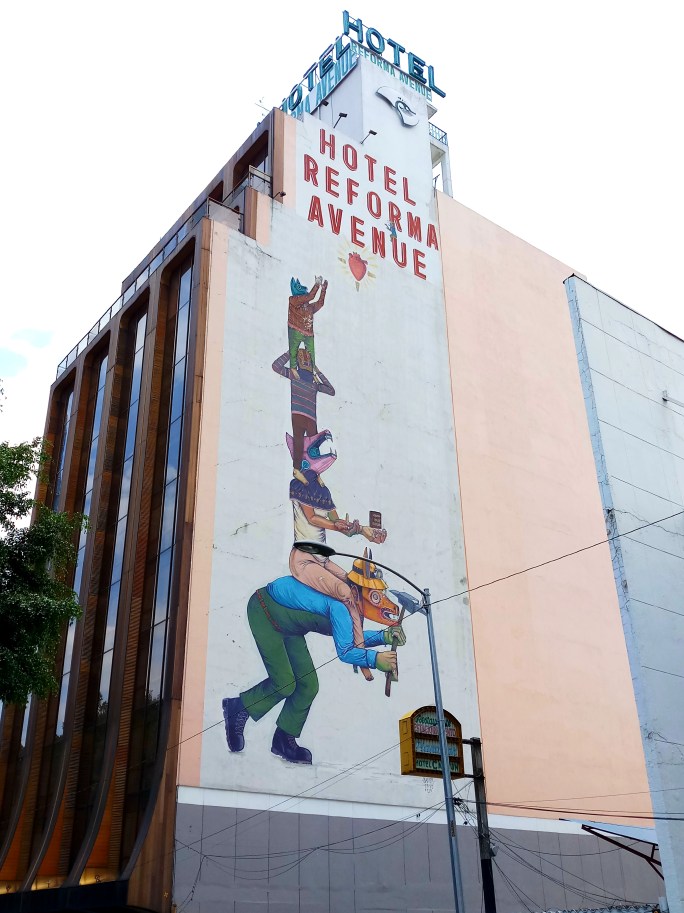
Im in love with street art and capture murals whenever I can. This one is on our walk to the park.Jack watching the dogs at the enclosed dog parkSculptures depicting animals at the zoo
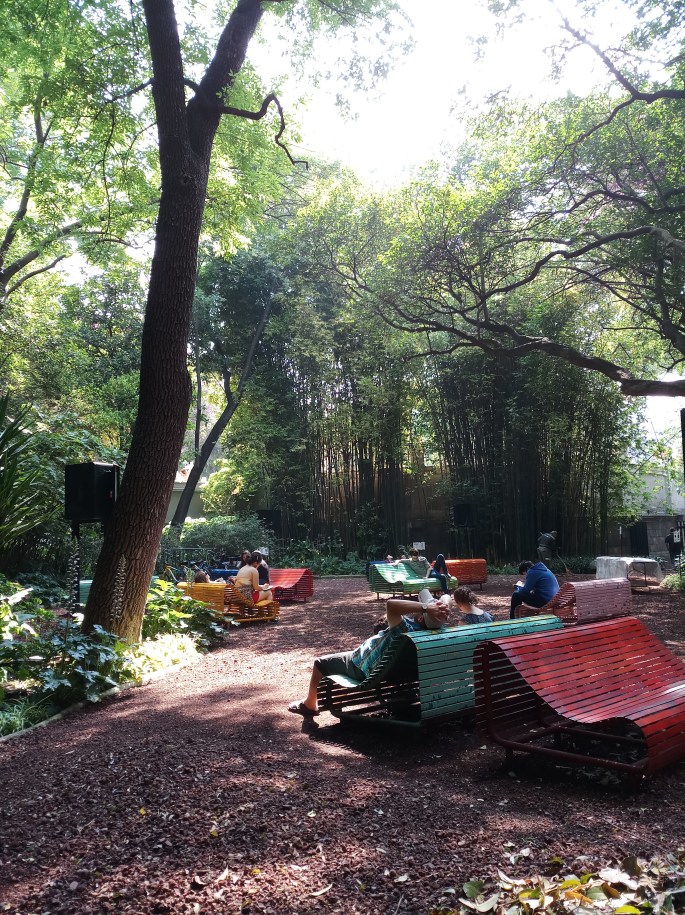
This is the Audiorama, a quiet place to meditate and read within the park. Classical music plays from large speakers and signs are posted for silence.
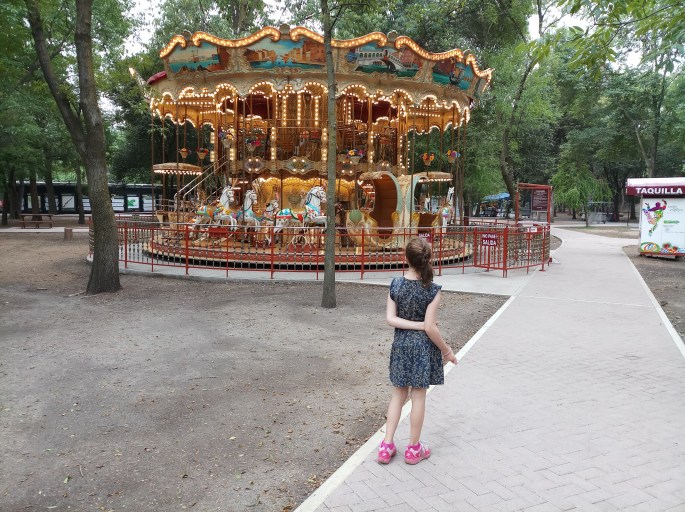
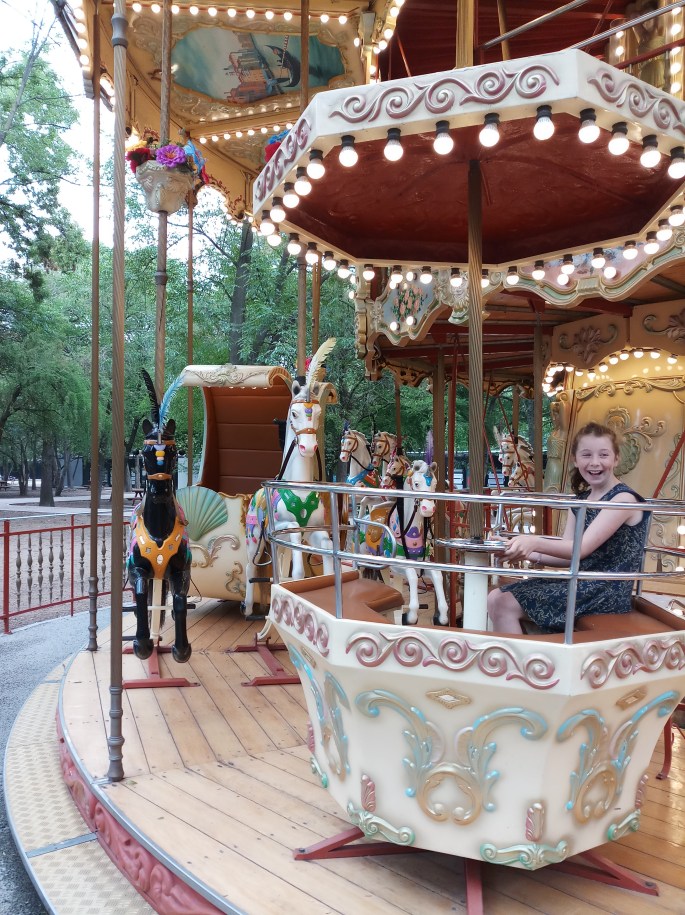
Within the park there are numerous attractions for children and familiesShe is not all grown up yet!Zoo art.
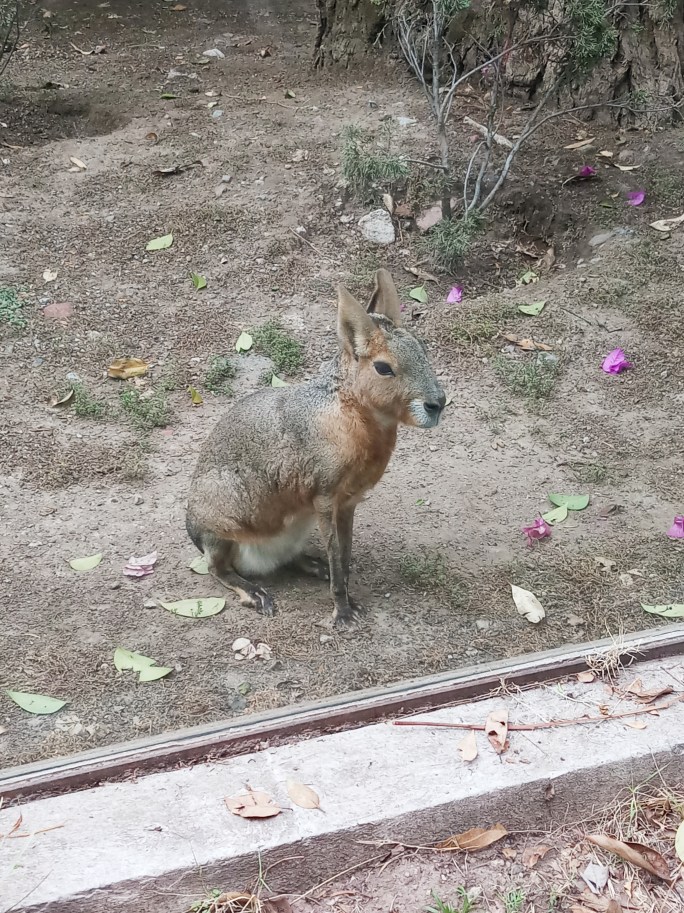
While the zoo is well designed and maintained carefully, the very concept hurts my heart. I struggle with the idea of the value of exposing children and families to these magnificent animals that they would never see otherwise and the reality of seeing these great animals in small spaces, pacing and irritable. While I saw animals I have never seen before, Cheetahs and kangaroos, I just felt sad.
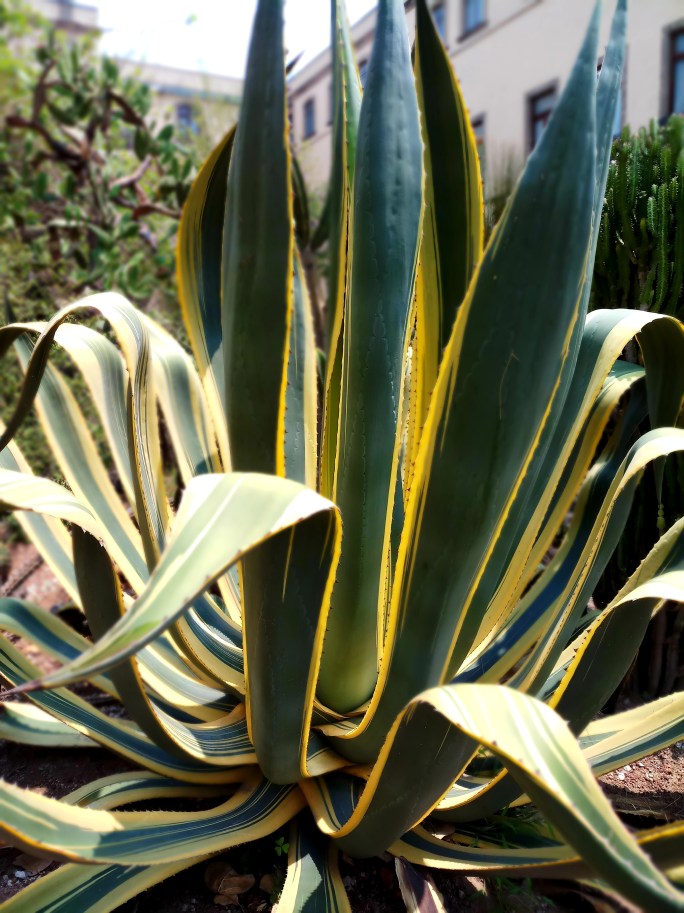
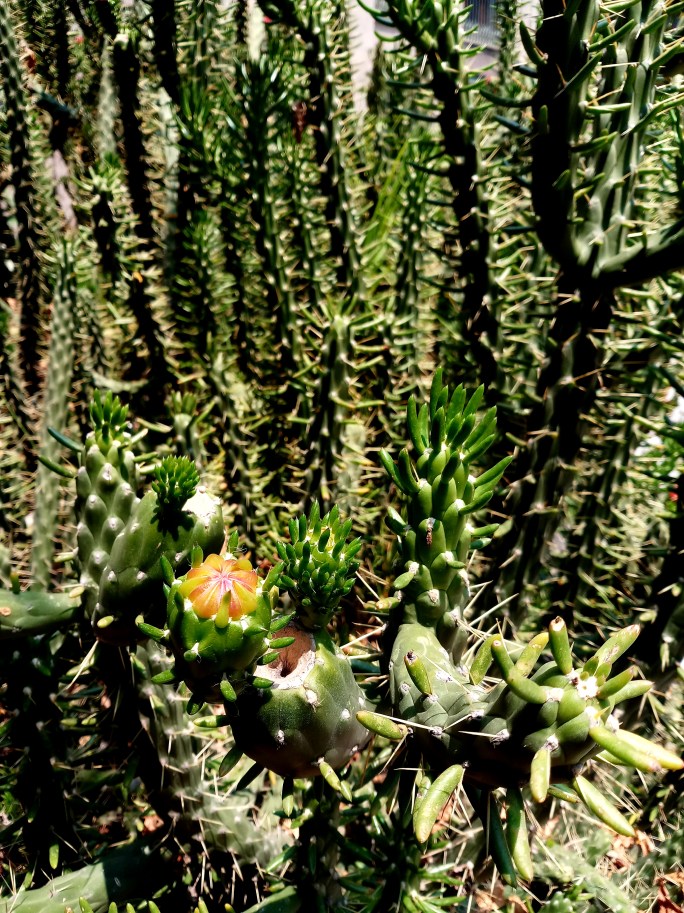
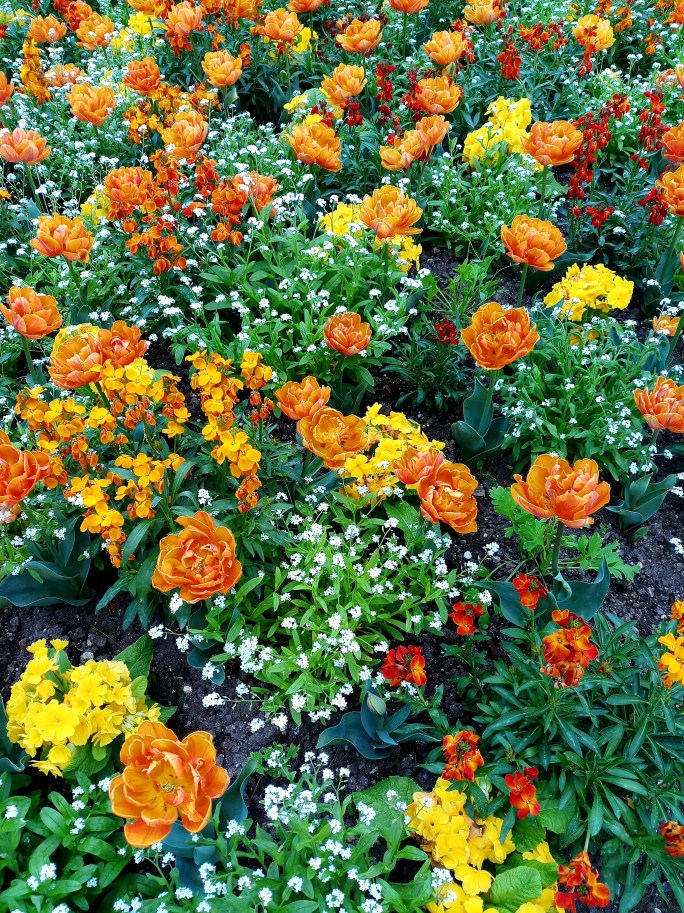
The flora of Mexico is gorgeous. This is a garden within the National palace which houses the murals of Diego Rivera.
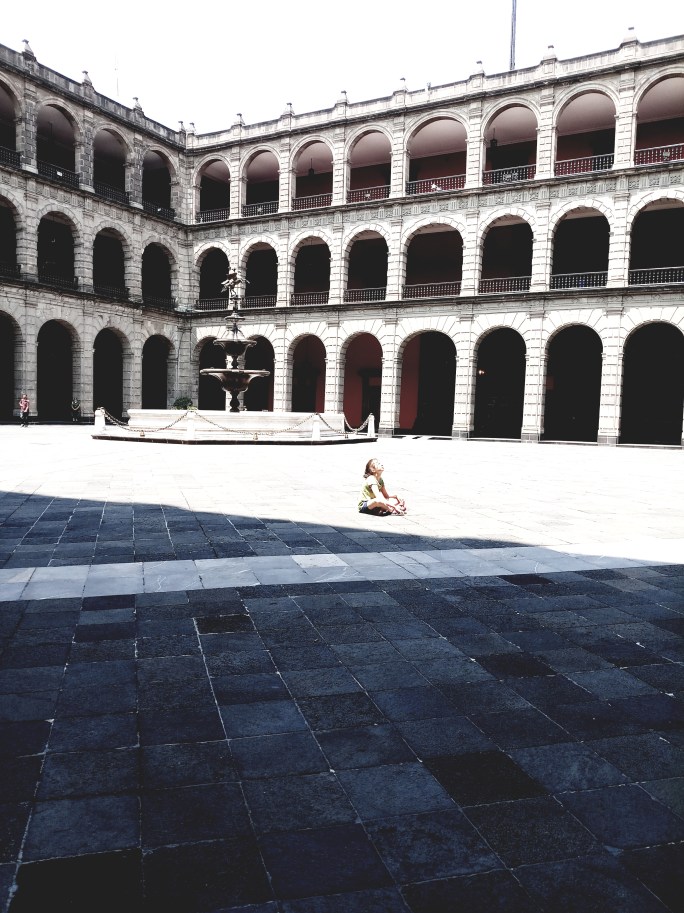
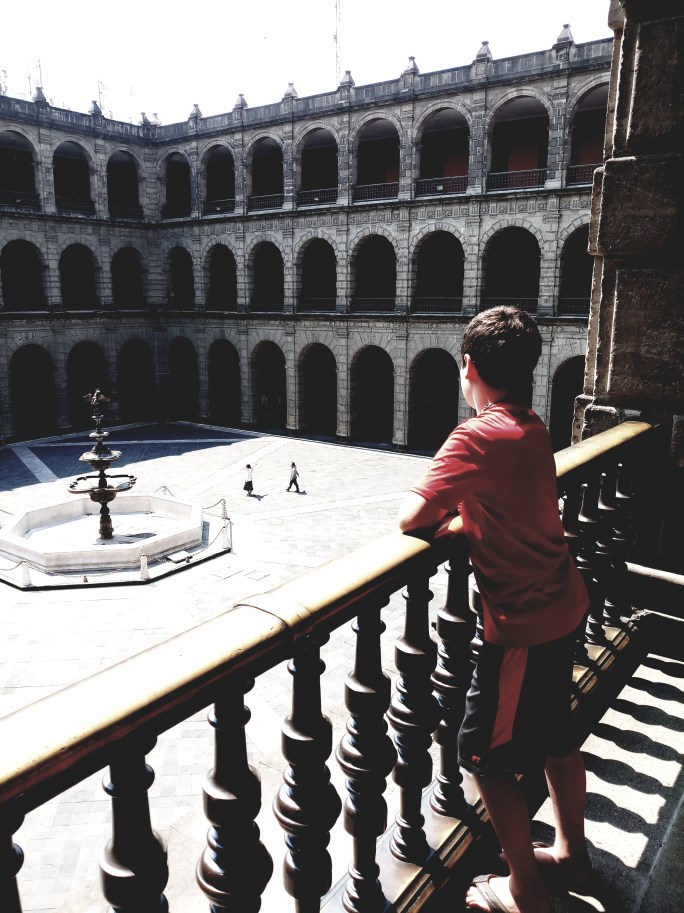
The national palace courtyard.
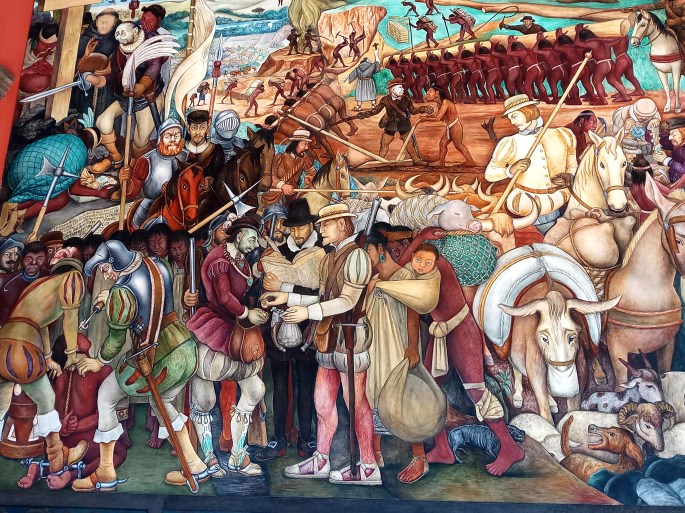
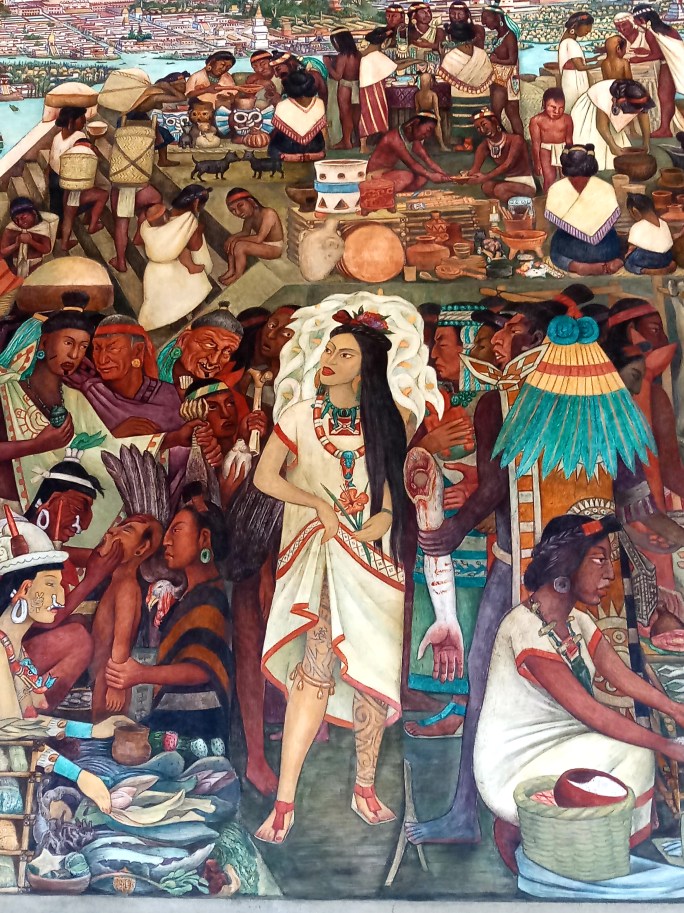
We stood in front of these amazing historical stories painted over a period of years by Diego Rivera. You are just sucked into to the scene, they are alive and dynamic and large, covering the huge walls within the National Palace. At the time of the commission of these murals, the majority of Mexicans could not read. This was a project financed by the Ministry of Education to share with the people their history. Rivera documents the Aztec period all the way to the revolution in 1848. There is so much information and symbolism on these walls.
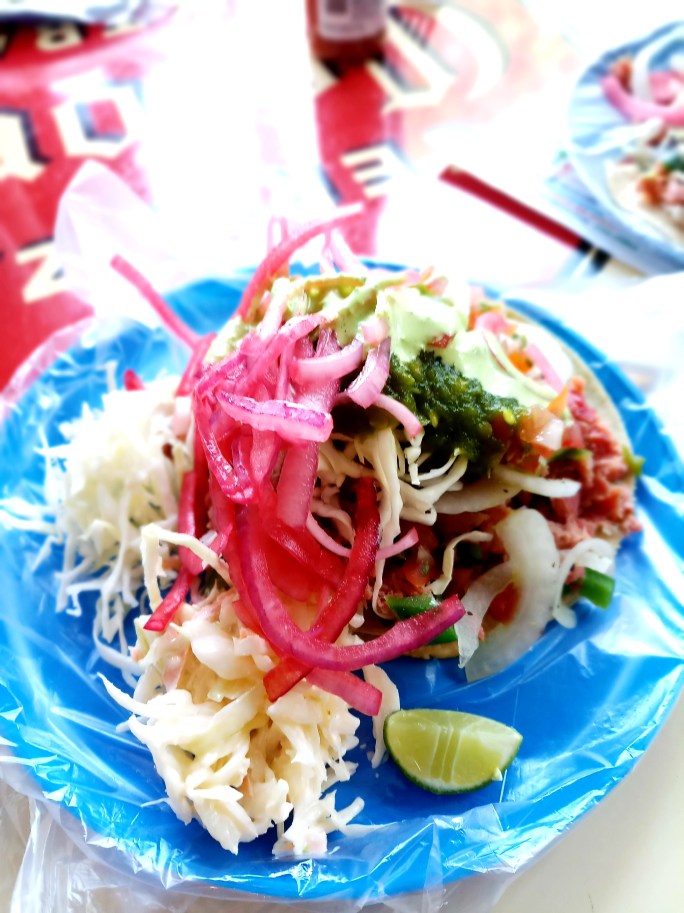
We have discovered that we are street food people. This type of eating satisfies our bellies and suits our wallets. In eight months of travel, we have yet to fall ill while eating like locals.
I think we are done. As Addie cried in tears the other night, “I am so tired of traveling.” Even though it sounds kind of ungrateful I have finally had my wanderlust satiated for the time being. I am sick of carrying these backpacks. I hate all my clothes and actually have holes in most of my shirts and my undergarments are in shreds. I fantasize about canning peaches in the summer. The kids dream about purchasing board games and decorating their rooms. We all miss our friends and family. We are officially home sick. Month eight. Our weariness is palpable.
Luckily we meet my parents in five days. They are joining us in Oaxaca city for 10 days and it will be so wonderful to see them. We will be in Oaxaca for three months before returning home in August. It is our goal to create a home of sorts in Oaxaca, sign up for classes, make friends, get in shape, learn Spanish.
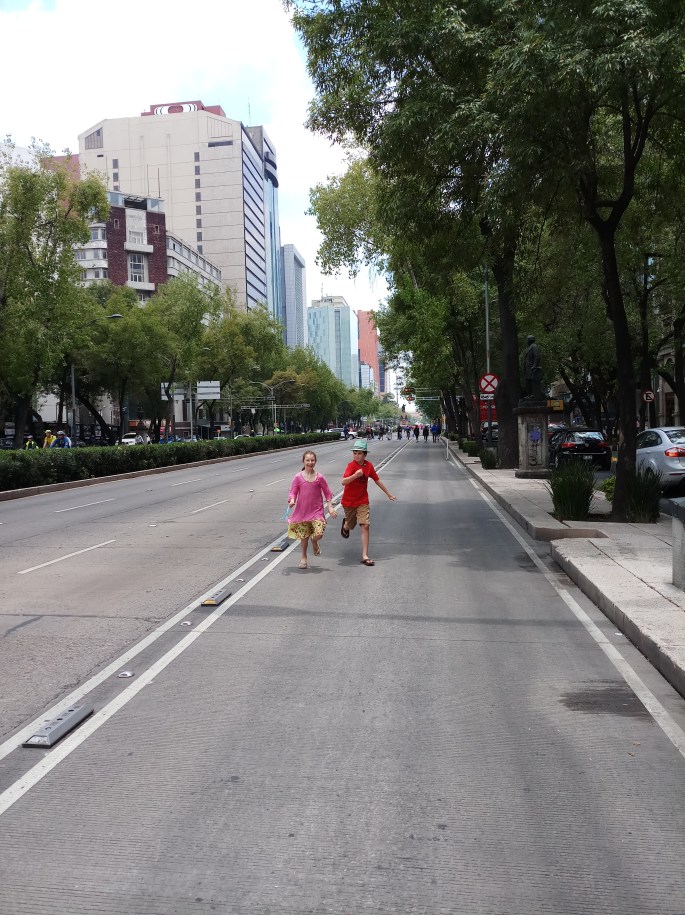
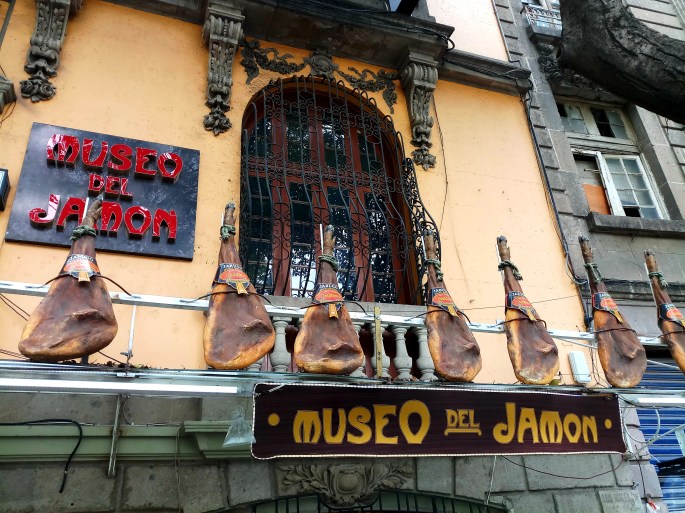
We reconnected with Daniela, who we met in Laos! It was wonderful to see her.Every sunday Mexico city closes the main street of the city, Reforma to cars. Pedestrians flock to it on foot, bicycles and rollerblades.One of Diego Rivera’s prolific muralsThe coolest courtyard eaterie…confusing, but delicious. I had the best tacos–shrimp, chile relleno and a tuna relish.Pork is very important in Mexico
I lived in France when I was 17, spent a year a small town called Brive as an exchange student. I learned to speak the language, understand nuances of French culture and discover a new-found independence. It was a long difficult year and I struggled with loneliness and my teenage insecurities did not make living in a myriad of French households easy. Now I return with my family, pulling the stubborn French words from the recesses of my brain, skills shelved for 25 years. I am no longer the anxious young adult and Paris is no longer a judgemental scene of beautiful people, my personal prism has expanded and softened, and this city and culture welcome us with open arms.
We stayed in a cute apartment in Montmarte, perfect for walking around and taking the Metro to everything. We found a boulangerie and went there daily for croissants and pain au chocolats. Having a working kitchen is a gift and the groceries purchased at the local supermarket are of an exceptional quality, the cost being equivalent to US prices, although bread and cheese are less expensive. The local French people value good fresh food and this quality is reflected in every grocery store we entered. The cost of dining out was prohibitive, however we cooked amazing meals at our apartment, accompanied by wonderful French red wine, our experience was complete.
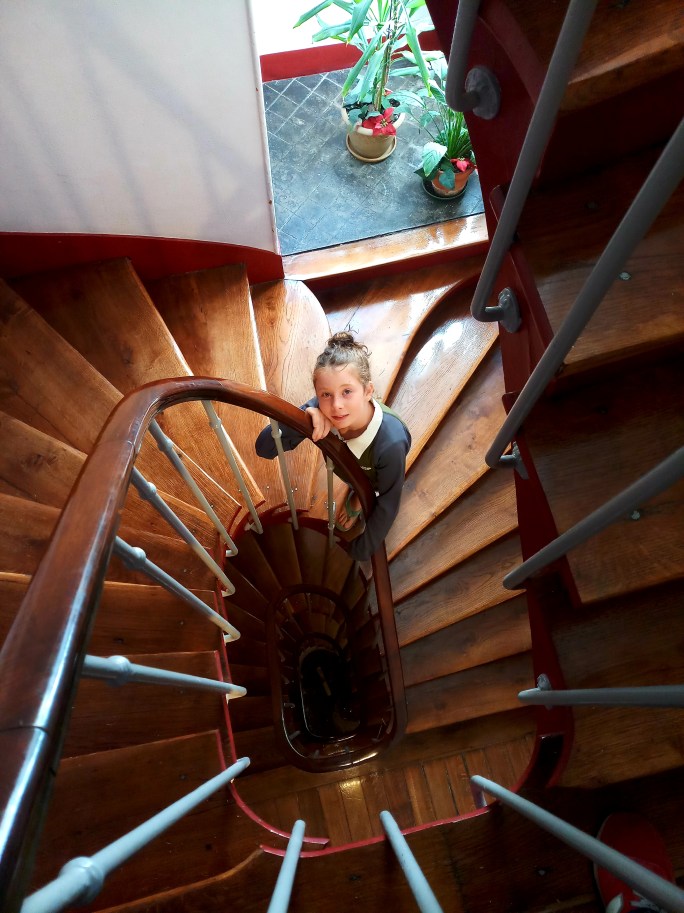
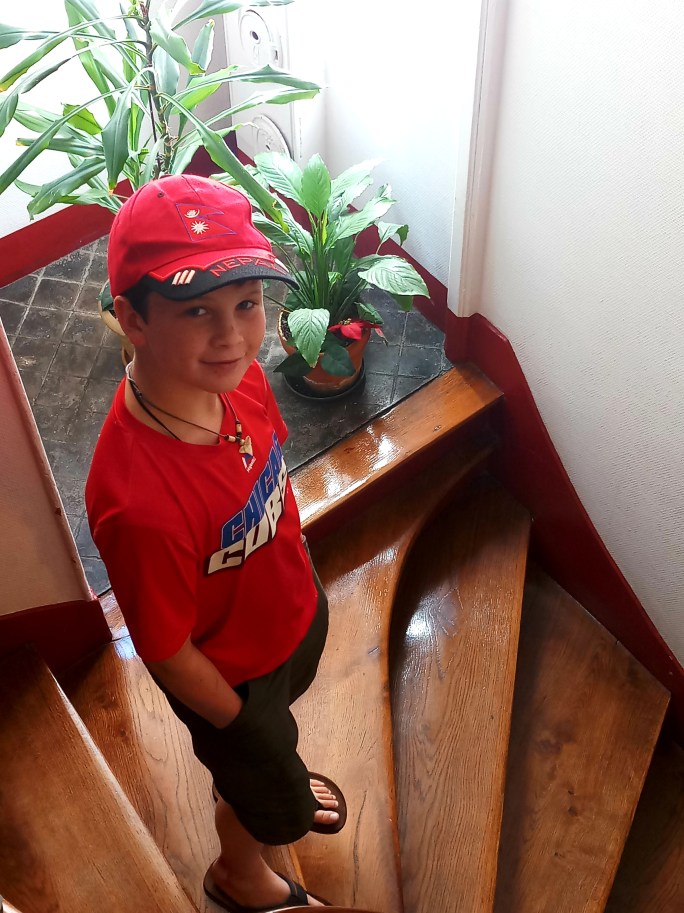
Stairwell in our apartment
Aside from the luxury of drinking the tap water and fitted sheets, we really noticed the different sounds of Paris compared to Sri Lanka. The developing world is chaotic and complex, but animals and humans live together in both urban and country settings. We are used to hearing the sounds of birds and insects, watching lizards and spiders as the scale the walls, going to sleep with the chorus of dog barking and waking up to the Rooster serenade. Gone are the stray dogs and cows roaming the street, missing are the errant deer and goats grazing in the parks, absent are the families of monkeys along the roof tops. In contrast, there is not an animal presence here aside from leashed dogs being walked and pigeons in the parks near the garbage cans. People are the dominant life form and they are abundant. Cork did point out that Paris is not the tropics!
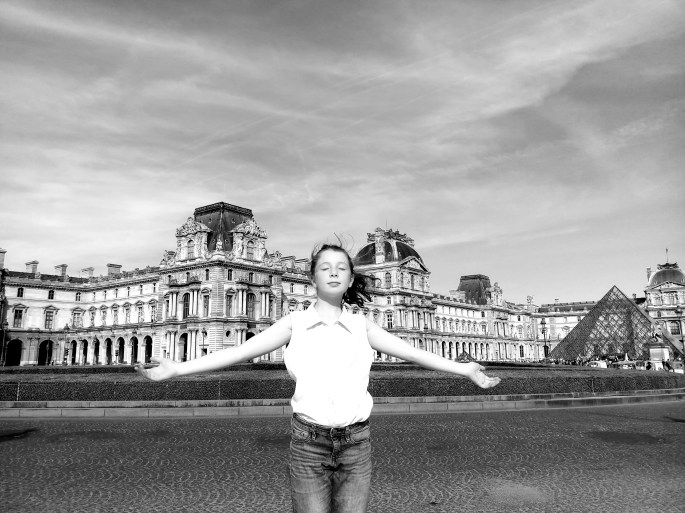
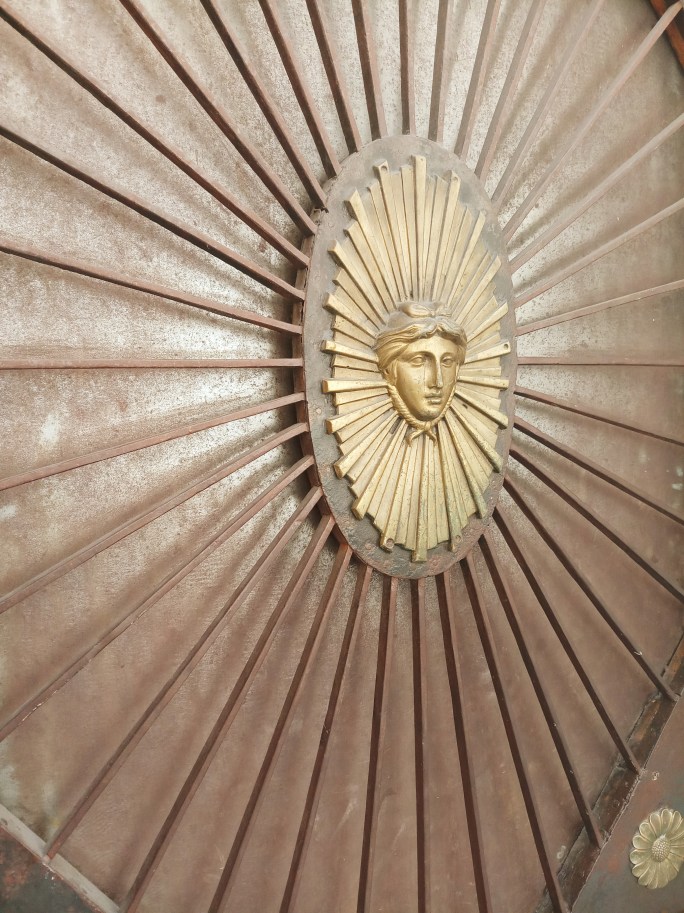
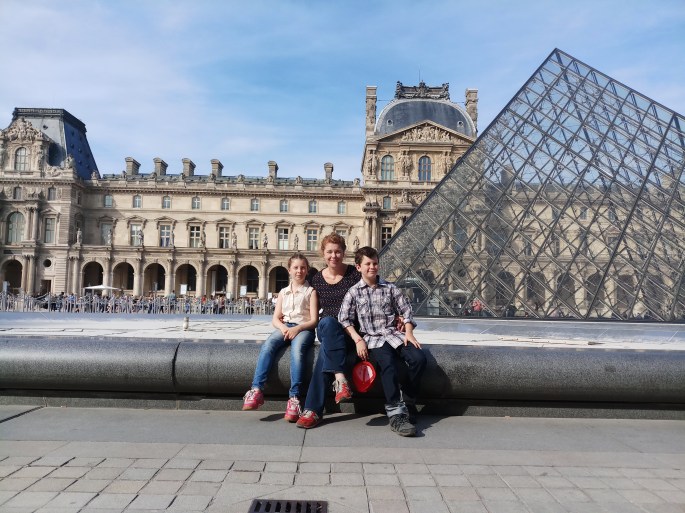
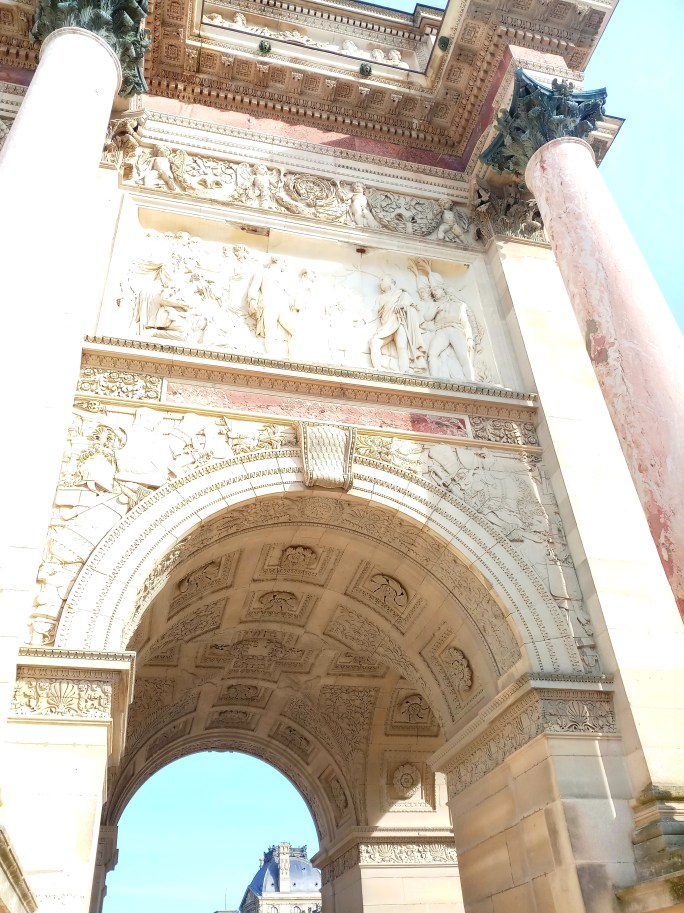
Doorway artThe Louvre
It amazes me how intact Paris is, in fact all of France cherishes their history and culture and strive to keep all the buildings, monuments and parks in good repair and these buildings are used daily. It is like walking through a museum that is never-ending. The amount of money, human power and ingenuity that it took to create the bridges and palaces that grace this country is impressive. It is quite interesting to have traveled through the countries where France was the dominant colonial power; Laos, Cambodia and Vietnam. The legacy of French influence and culture in these countries is much more muddied. I cannot help connect the wealthy grandeur that is the landscape of Paris with the historical colonization of SE Asia that was often bloody and cruel. Of course France is not unique in this respect, it just more present in my mind.
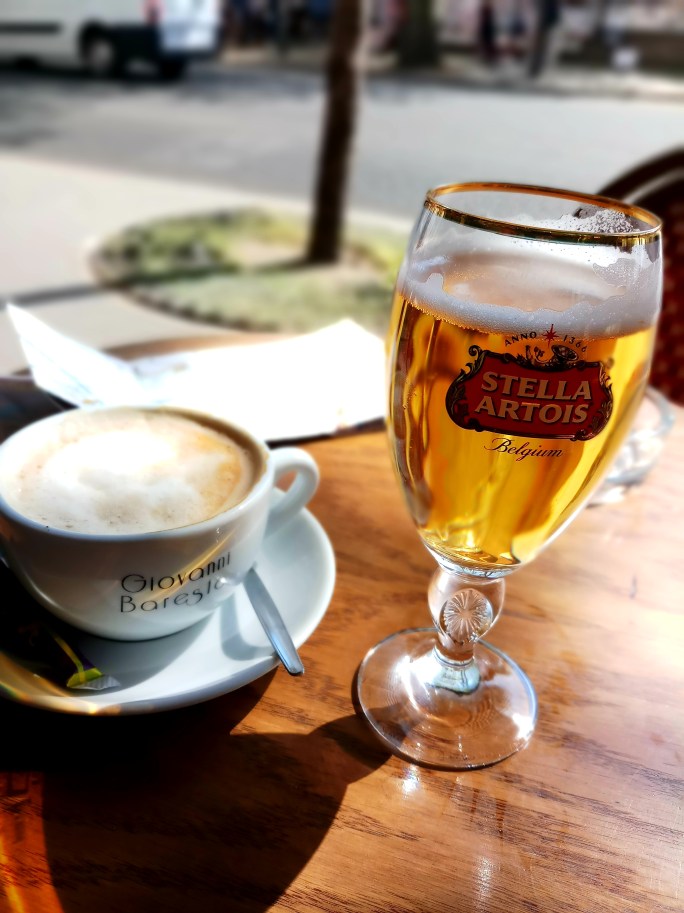
We were doing Paris on the cheap. That meant walking everwhere or taking the Metro. We ate our meals at home and packed our lunch daily. We did visit the popular sights, but enjoyed them from outside. We did go to a cafe twice, getting drinks only, and even then we did not leave for under $20. It is an expensive town, but there are many parks and sights one can enjoy for free. Since we were only there for four days, our schedules were packed and we would arrive home at the end of the day weary and tired, not used to our days being so jam packed.
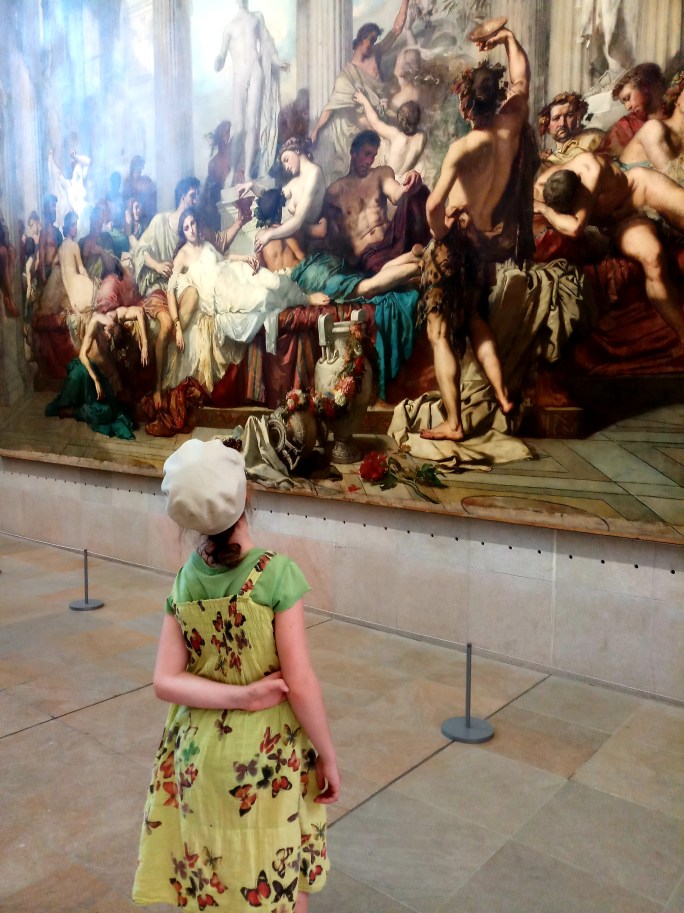
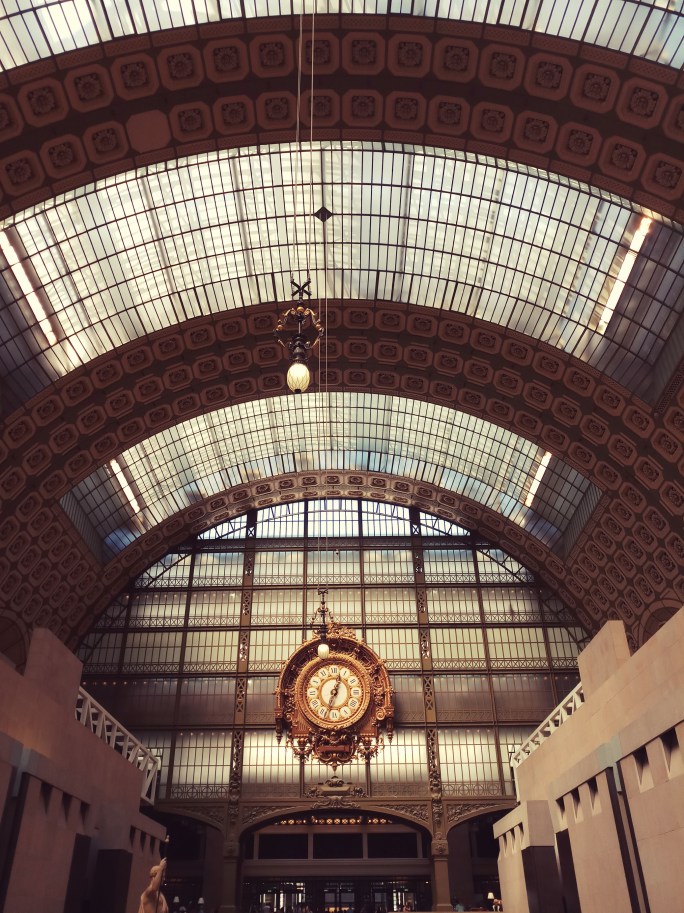
Gazing at one of great masterpieces at Musee D’OrsayInside of Musee D’Orsay, a train station that was turned in a museum
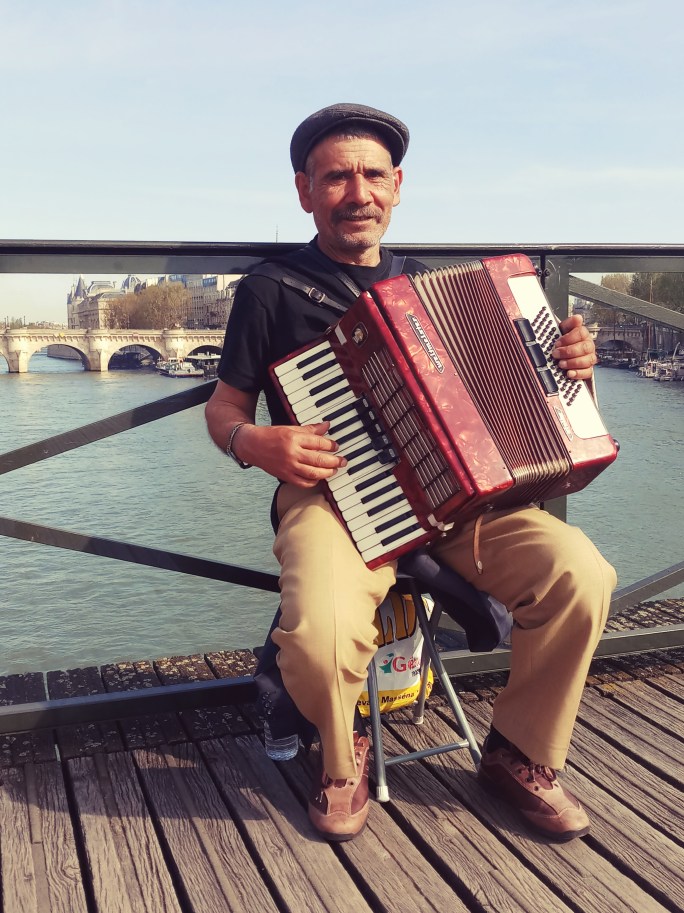
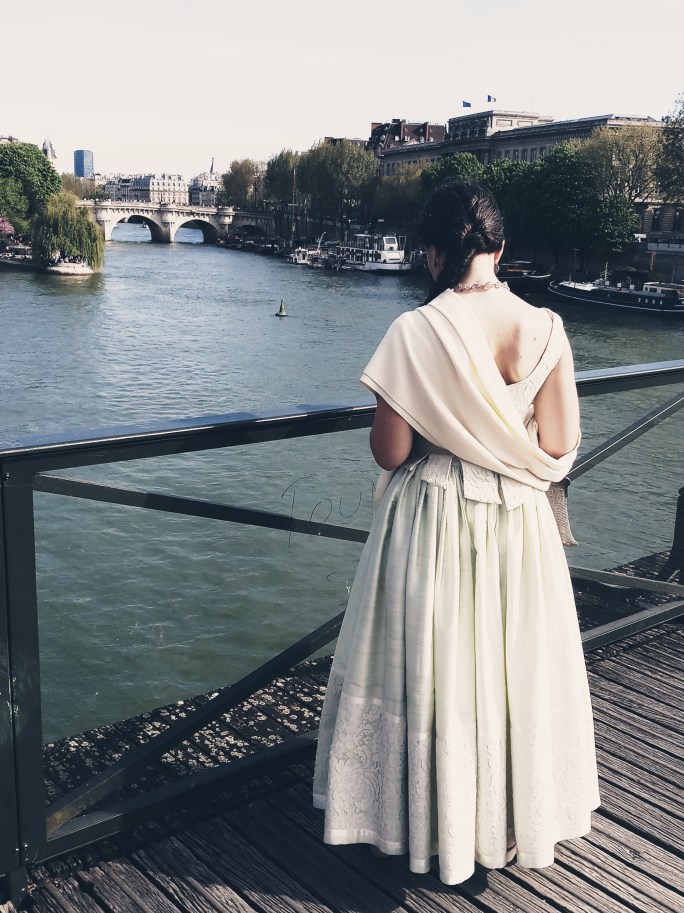
Inside the clock face of Musee D’OrsayPont Des Arts over the Seine
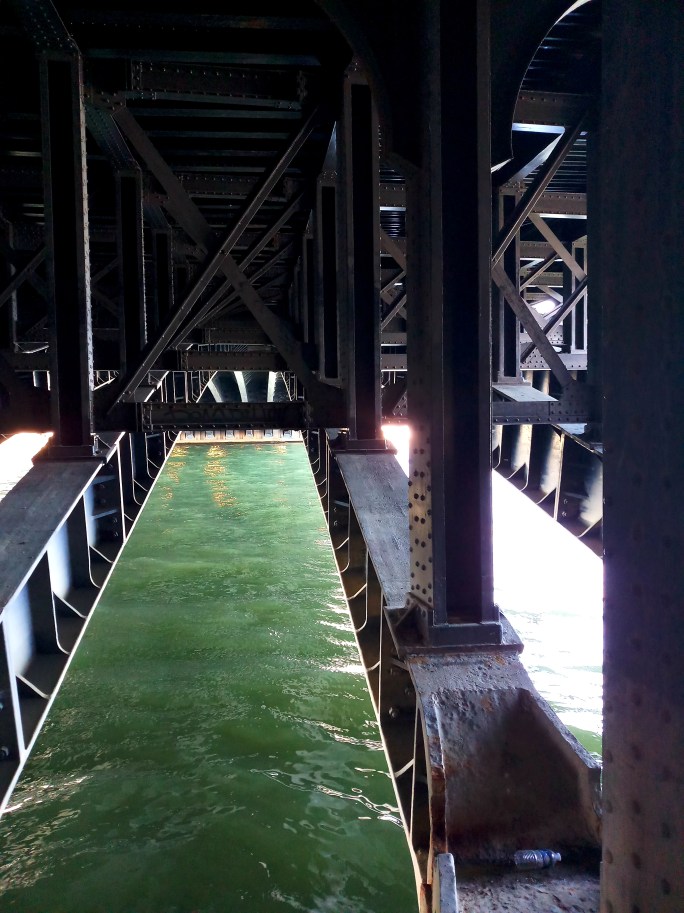
Even the architecture beneath the bridge is masterful
There is a huge police presence in Paris. We have not heard as many police sirens in a city as we did in Paris. On our walks through the neighborhood, especially through the more diverse area, rich with immigrant life, there was a palpable tension you could feel. Having just arrived from the developing world, we were comfortable and familiar with the sounds of different languages, smells of spicy foods and not a white person in sight. However, the difference was the amount of armed police and militia, standing ready, finger on the trigger. We witnessed numerous incidents where the police were arresting people and it made the issues of immigration, the huge influx of people to this nation in addition to the numerous terrorist attacks within this country very real. I felt danger but it was hard to differentiate the source of the fear. In our travels we have only engaged with nice people, genuine and caring, and ironically Paris was the first city that made me feel weary and enforced me to be hypervigilant of my surroundings.
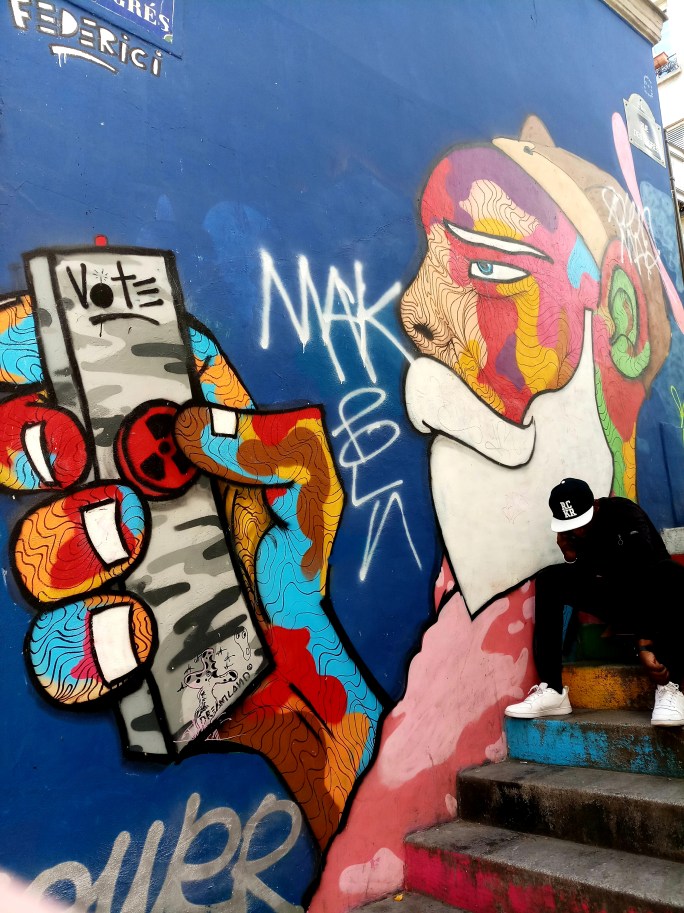
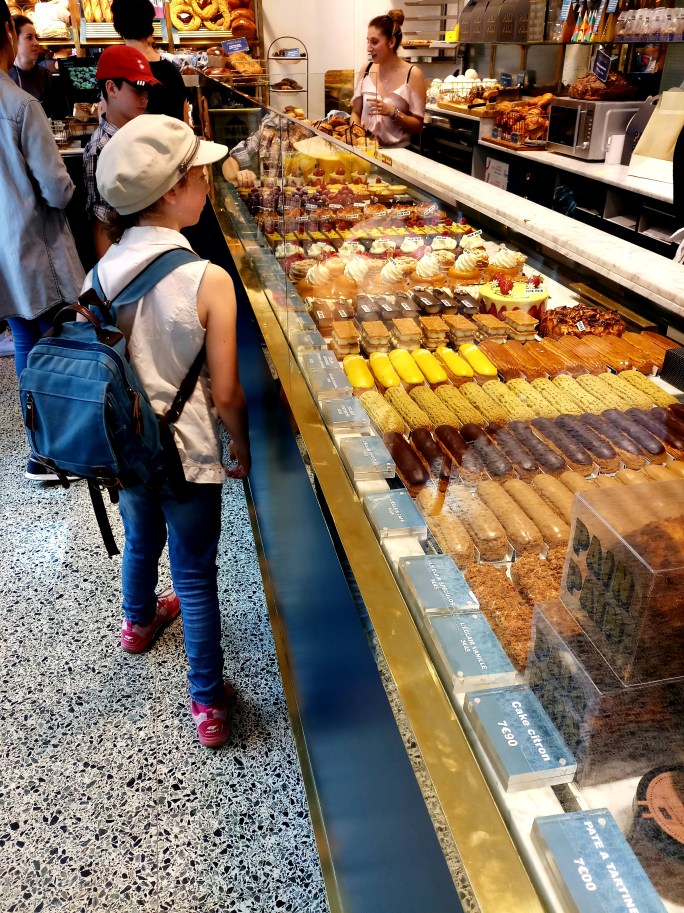
Addie reading a map and helping us find our wayStreet artParis is a food Disneyland
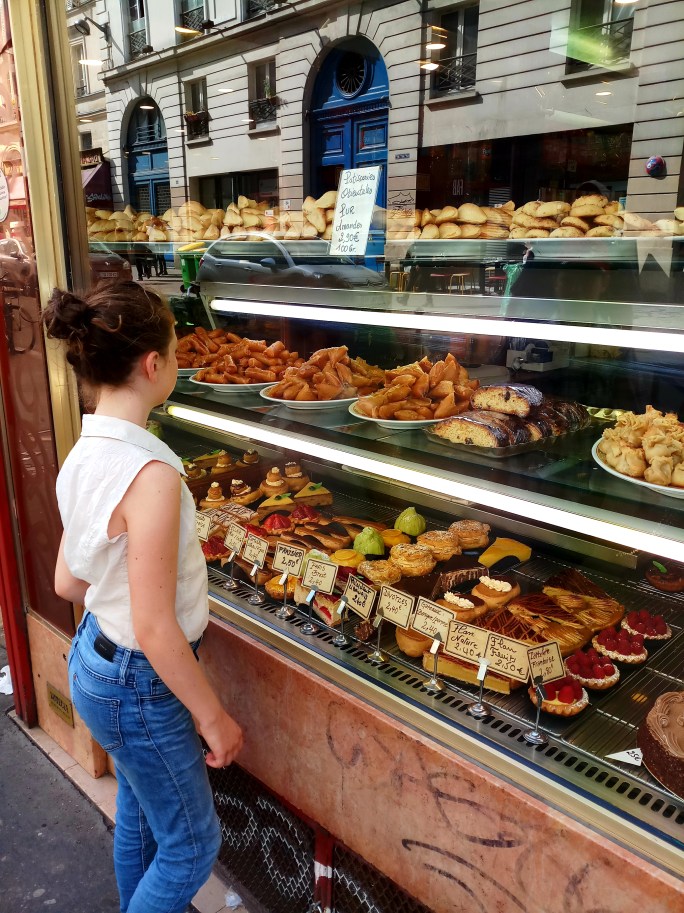
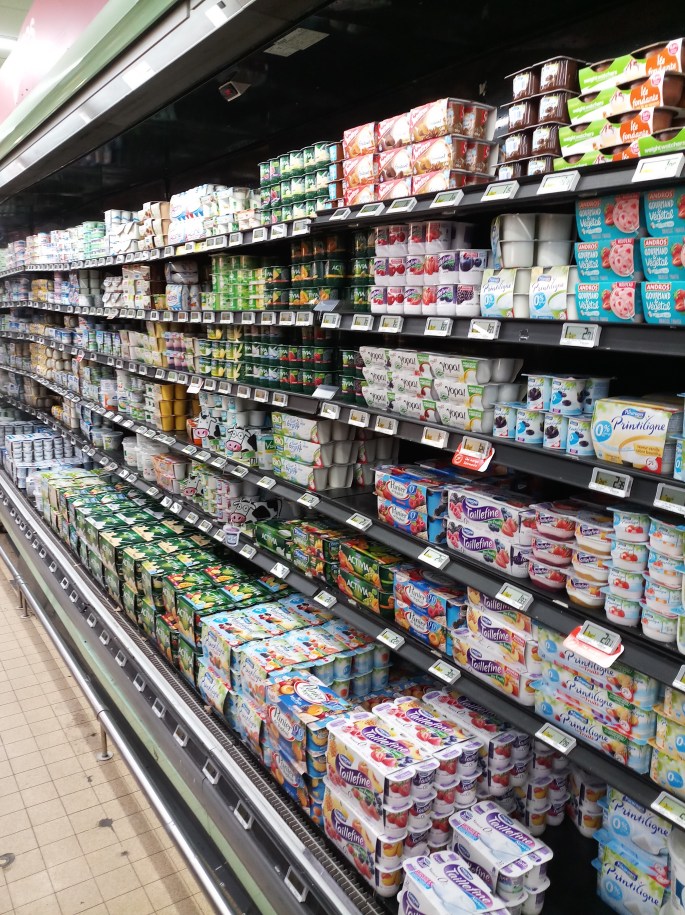
The yogurt section in a local grocery. Yogurt and fruit are a common way to end a meal instead of dessert.Patisserie in all its glory
Perfect combo
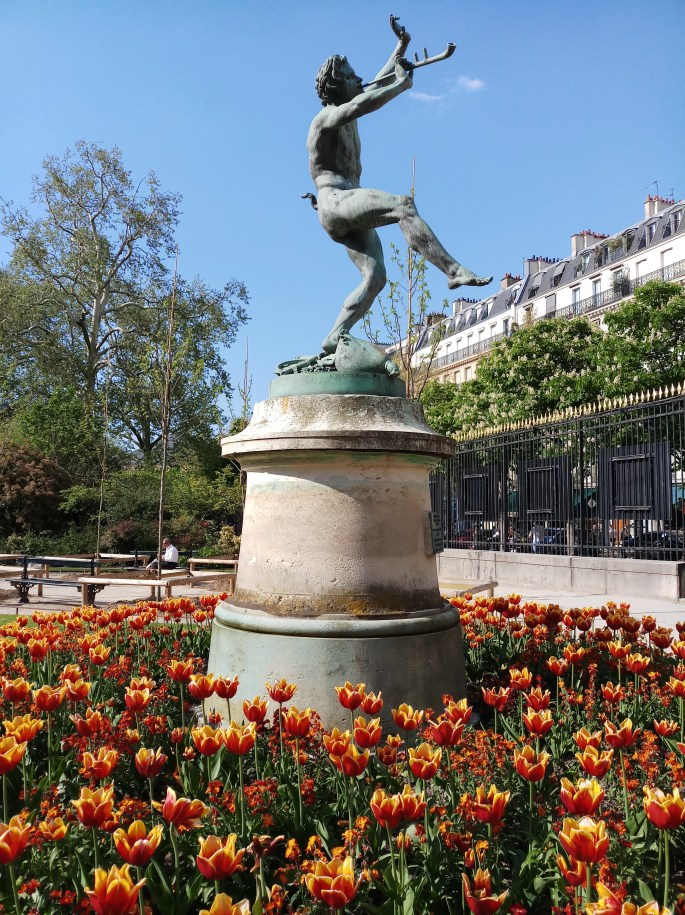
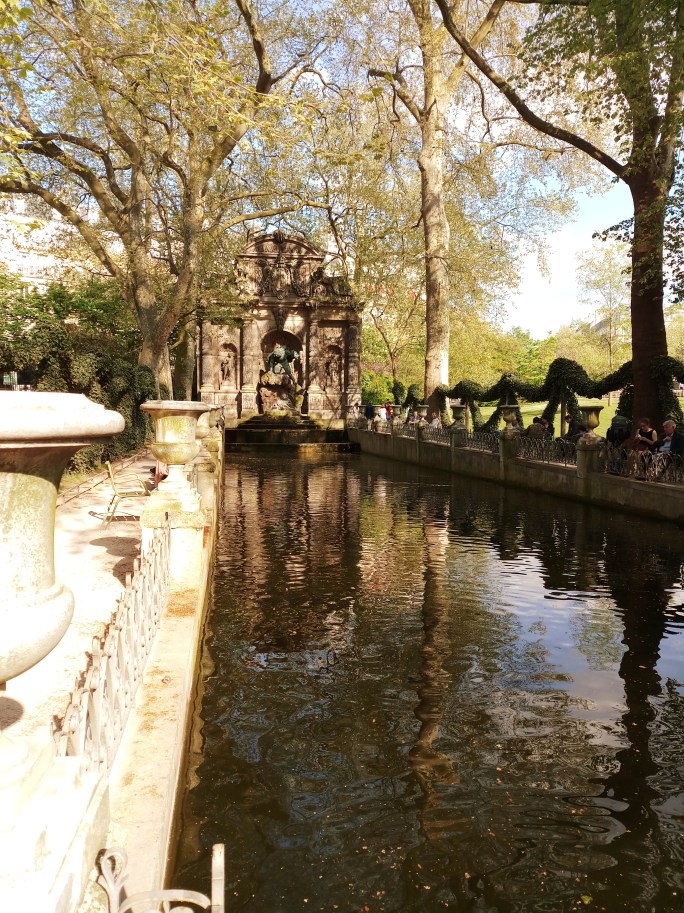
The Jardin de Luxembourg is an immense sprawling park that is beautiful and manicured. Used heavily by Parisians, many were picnicking with families or sunning themselves in one of the numerous metal chairs there for patrons. I have noticed that the French people seem to be very good at relaxing and engaging. The culture is in opposition to the smart screen isolation that is present elsewhere. There were no signs for WIFI at cafes, people alone were reading books or just sitting there gazing outward, observing life. Smoking cigarettes is still very popular, and sitting alone with a glass of wine or espresso at a cafe with a cigarette in hand was a common sight. The French seem to excel at just being.
Jardin de Luxembourg
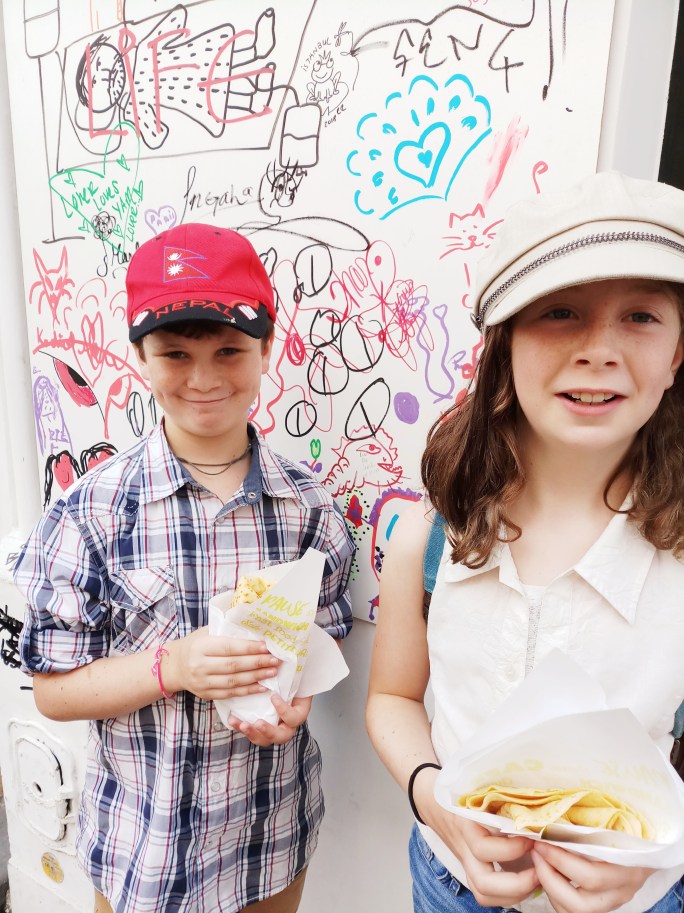
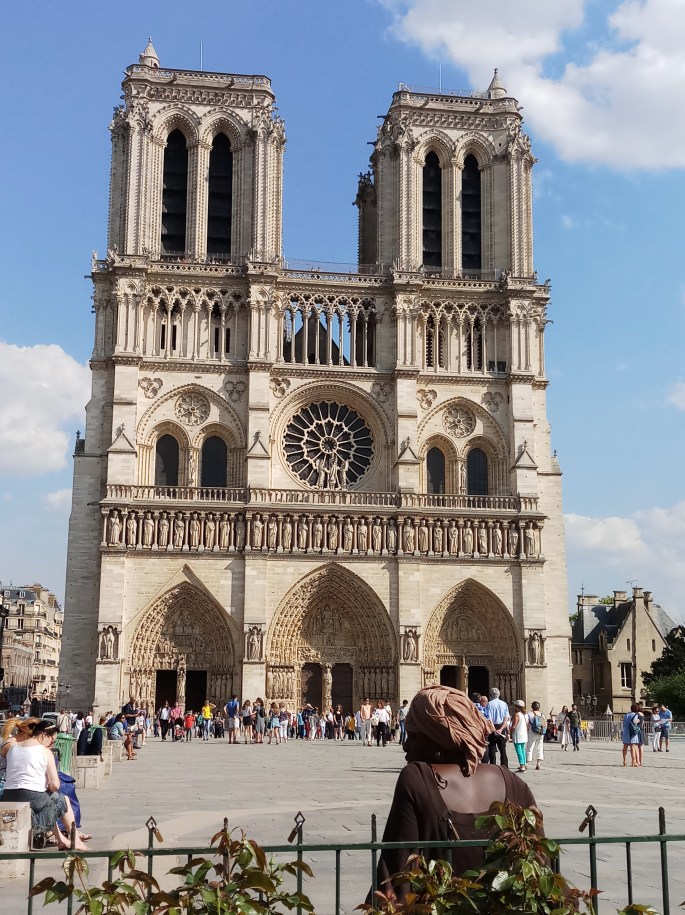
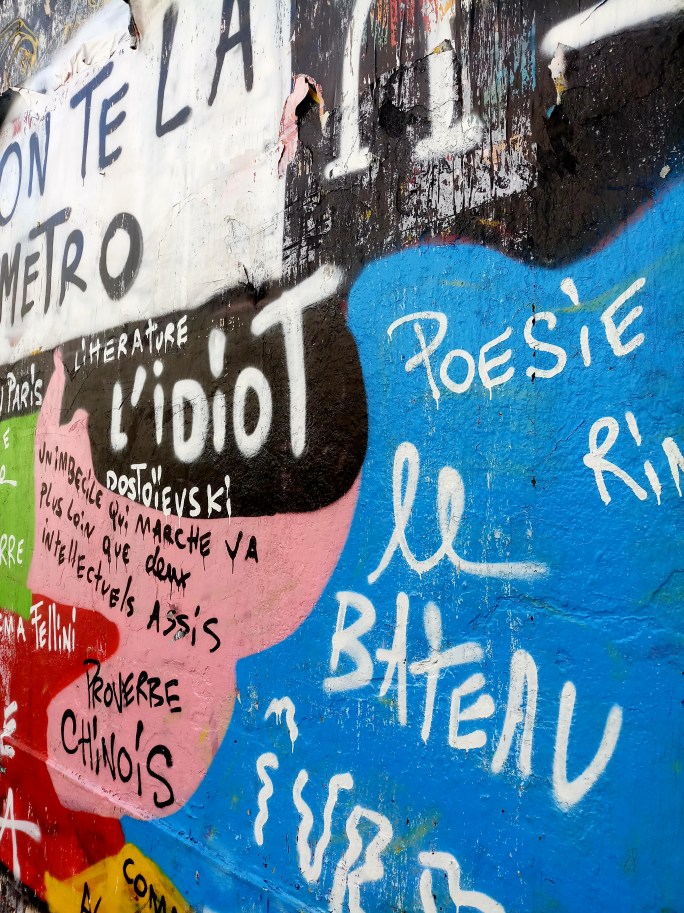
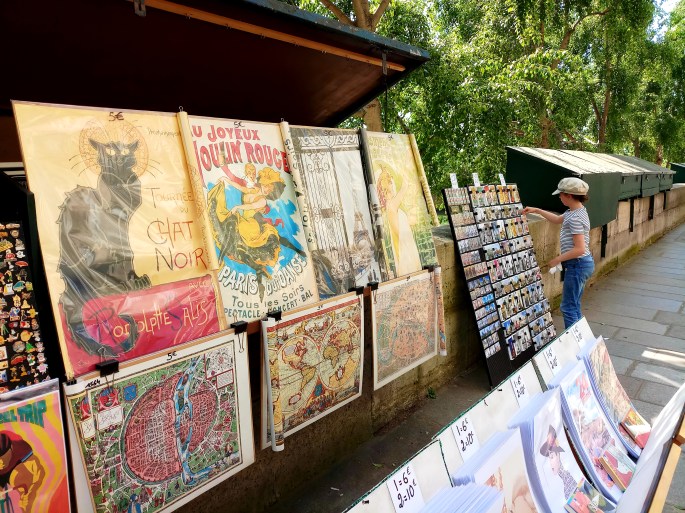
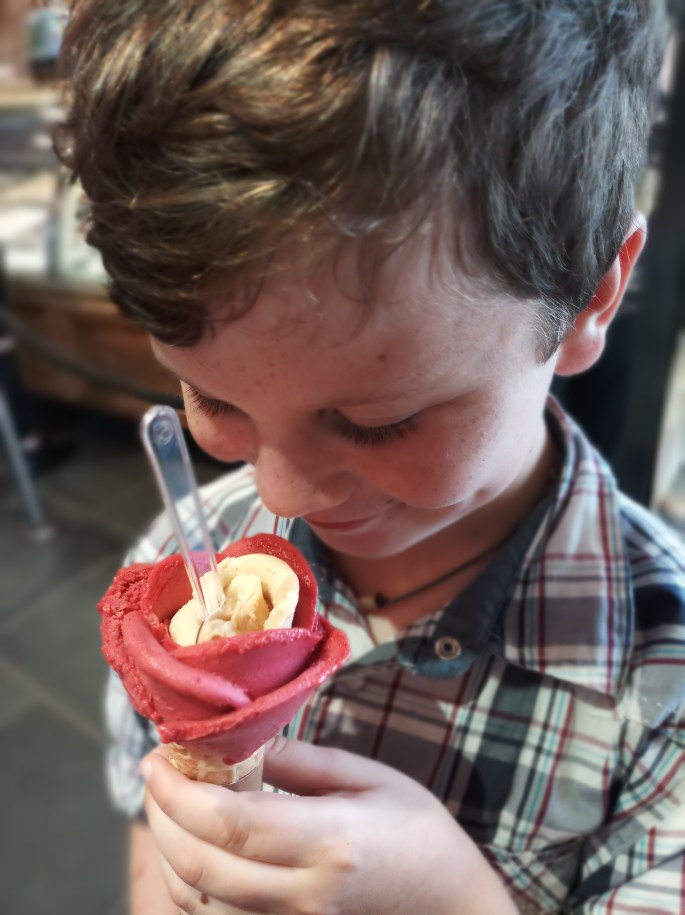
Crepes!Notre DameCrazy meets crazierstreet artArt and books for sale along the Seine
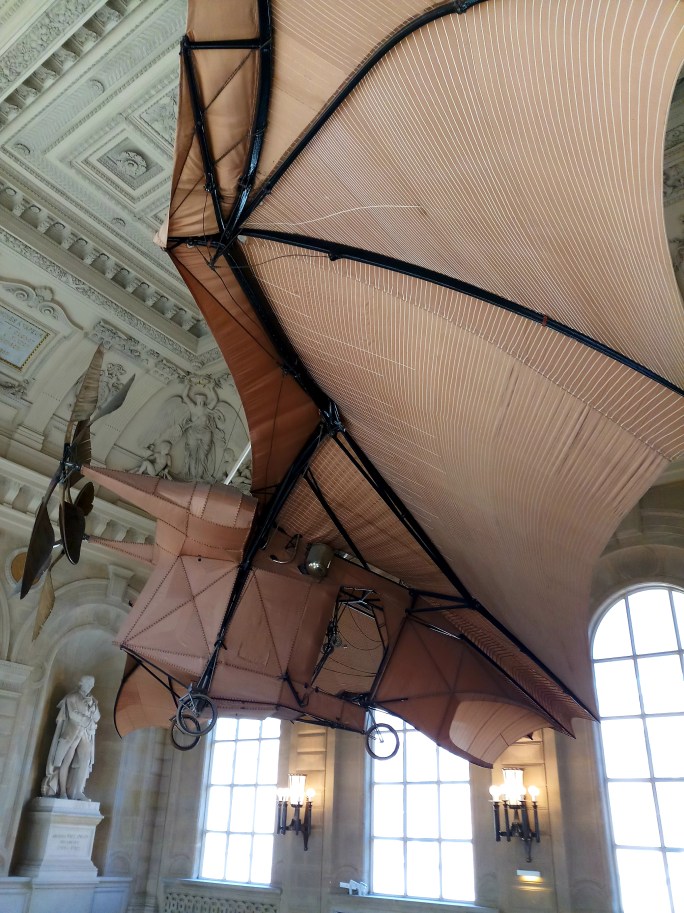
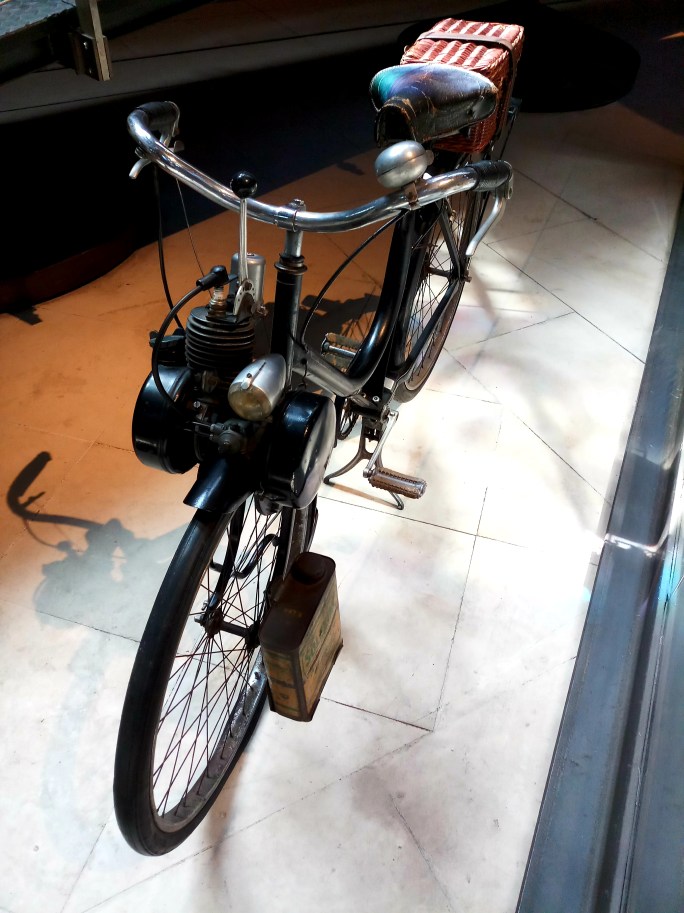
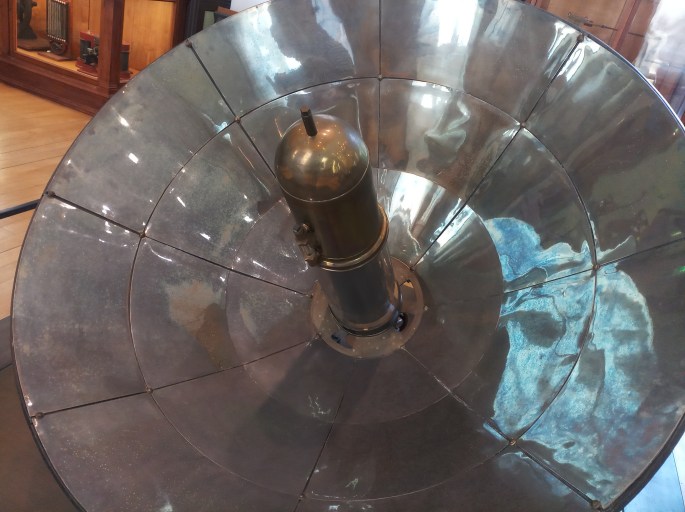
We did explore the Musee des Arts Metiers, a museum that shows inventions and tools and highlights innovation over the centuries. It is a beautiful space filled with the results of human capacity for creative genius.
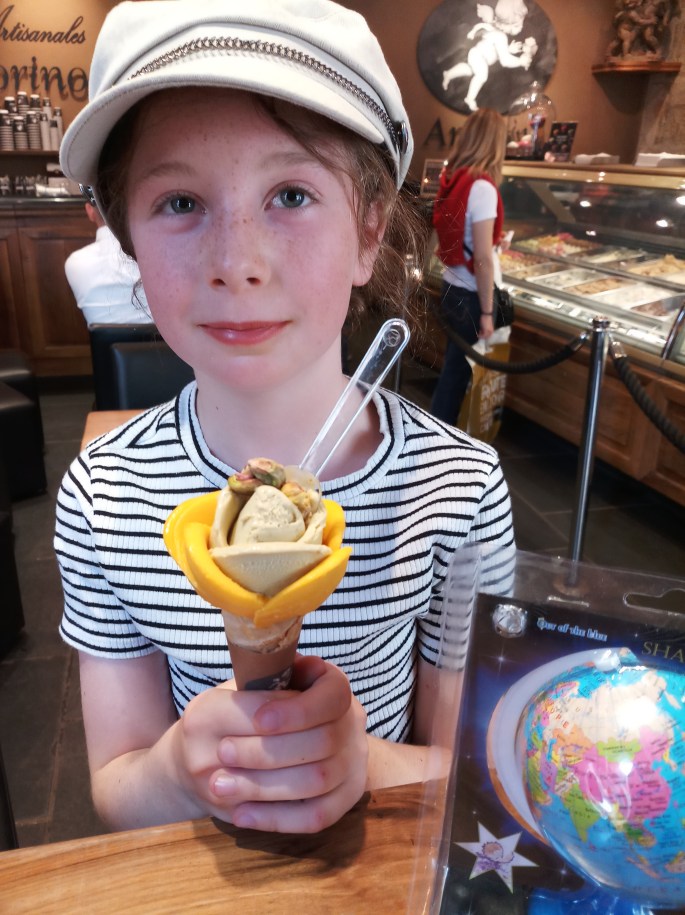
A plane designed in the shape of a bat that was built in 1883The first Moped 1948Original supercomputer circa 1985Solar oven from 1880Gelato, $5 mini scoop
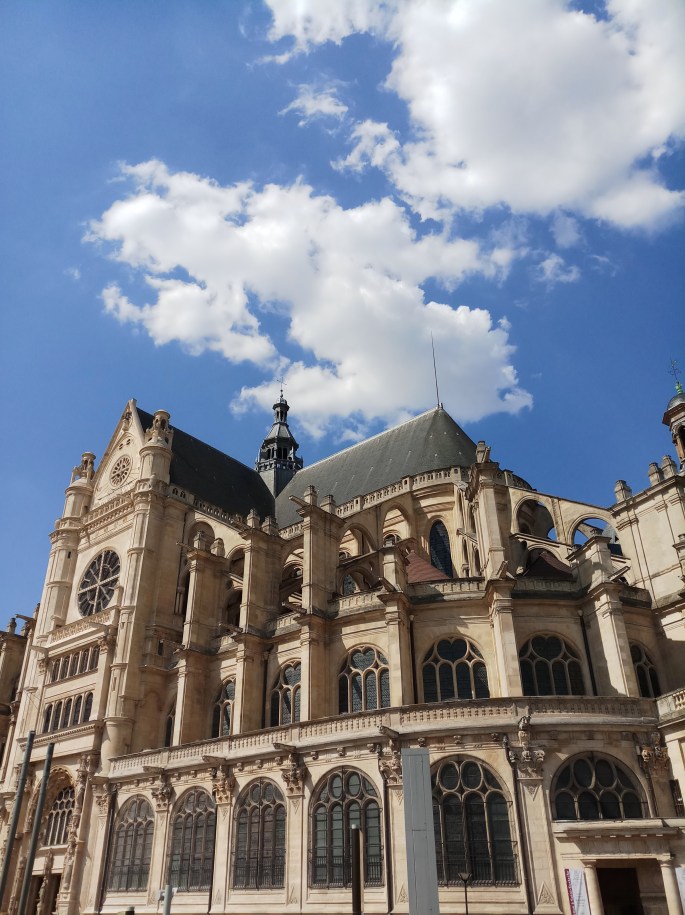
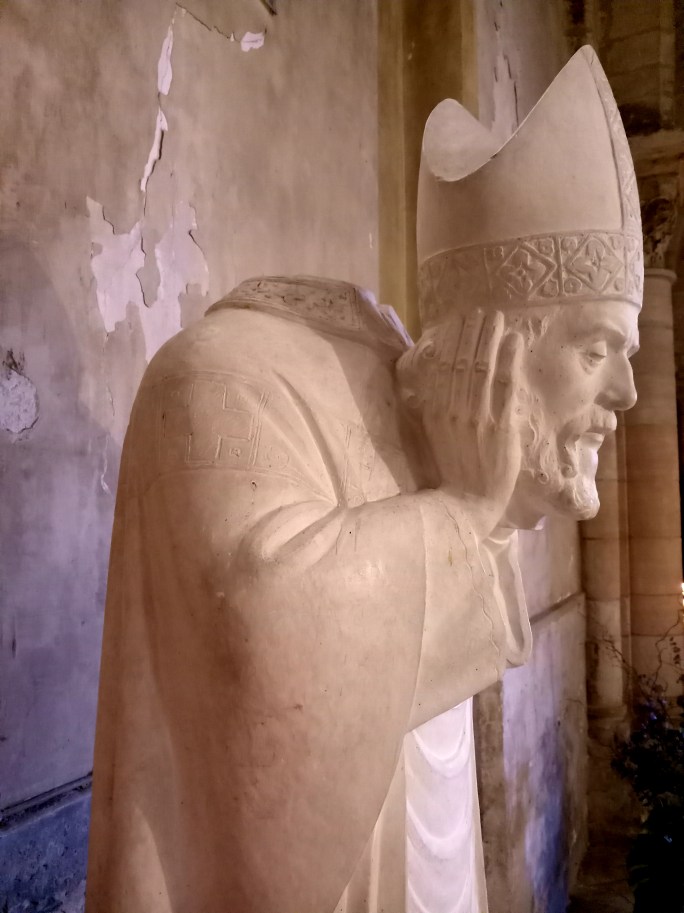
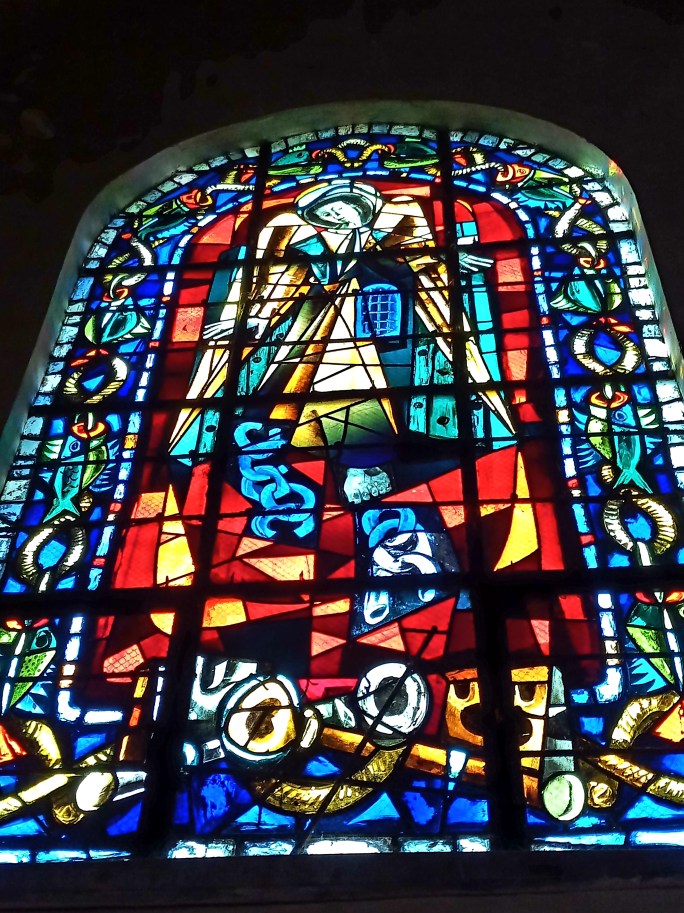
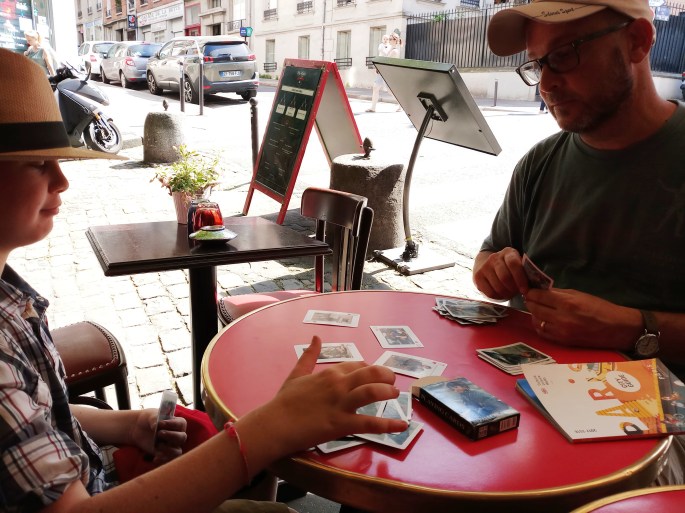
Street art in BeaubourgSaint holding his own head in Sacre CourSacre CourCard playing at the cafe
Art near a building
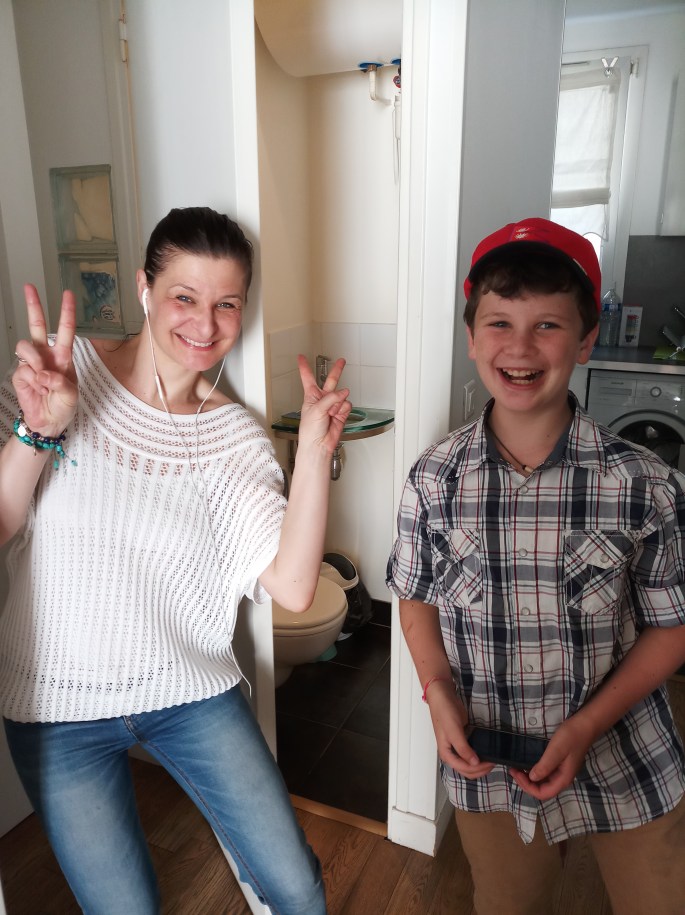
We did have a slight drama right before our departure. While waiting for our ride to the airport, Jack locked himself in the small airbnb bathroom. There were signs that clearly stated do not lock it as it is broken. However, since the cleaning lady was there, he was feeling shy. The door did not open. The owner, Jez, had to come, confusion and comedy of errors continued. We struggled to open the door for 35 minutes, Jez swearing with frustration. I thought we were going to have to break the door down. Luckily the elderly woman next door came home and had a wrench, and we were able to pry the lock open. Laughter, relief and tears ensued. It was quite the dramatic exit but it had a happy ending and we were able to leave on time. We had a memorable visit to Paris, and now back to the North America… Mexico.
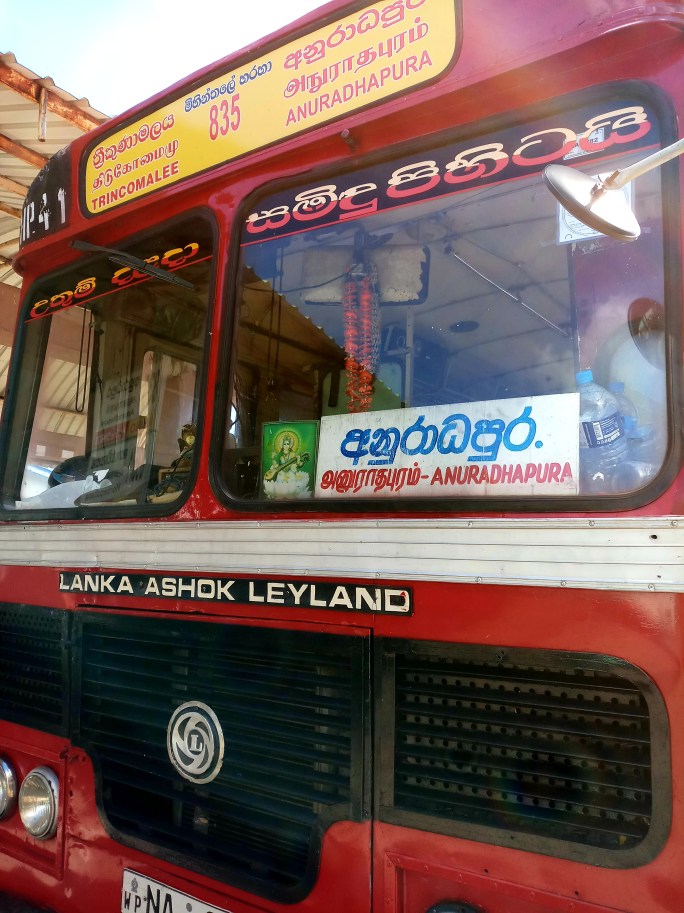
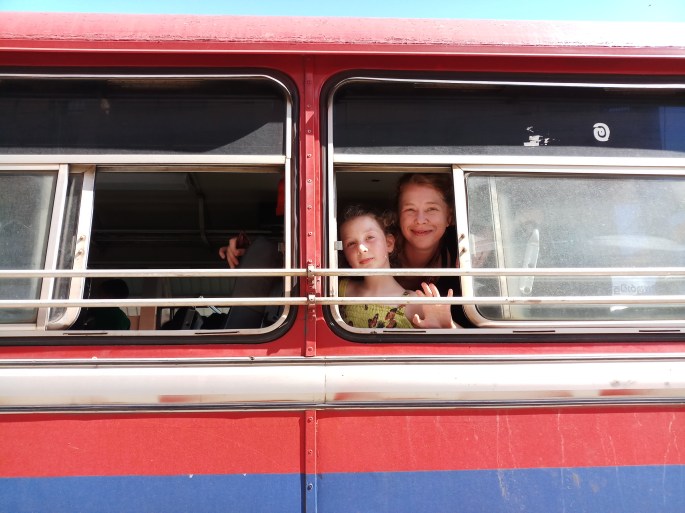
We took the local bus from Trinco to Anuradhapura. Our four hour journey cost .90 each. The buses are fairly comfortable (when moving the breeze is adequate to cool the carriage) and if one has a seat. By contrast a car and driver costs $55 for the same trip. Travel in Sri Lanka can be quite affordable if you choose.
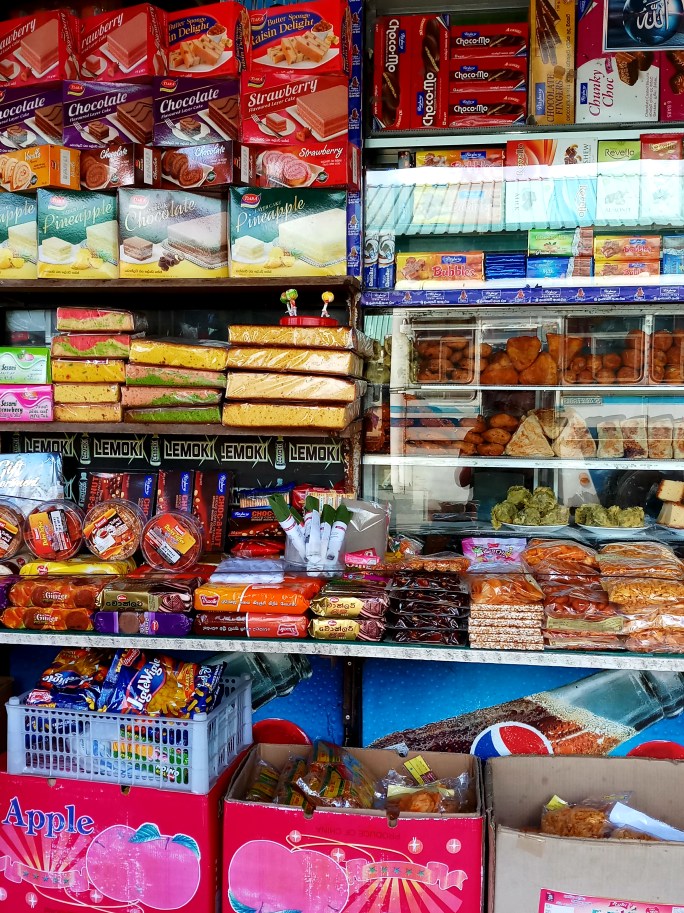
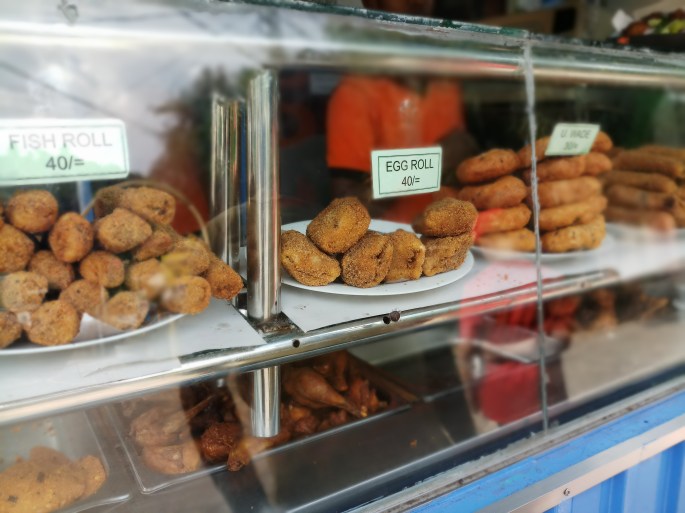
Snacks at the bus station, sugar and deep fried
Anuradhapura famous for its well-preserved ruins of an ancient Sri Lankan civilization. There is nothing special about the “New Town” of Anuradhapura, there is no tourist infrastructure or any activities. Not super attractive.
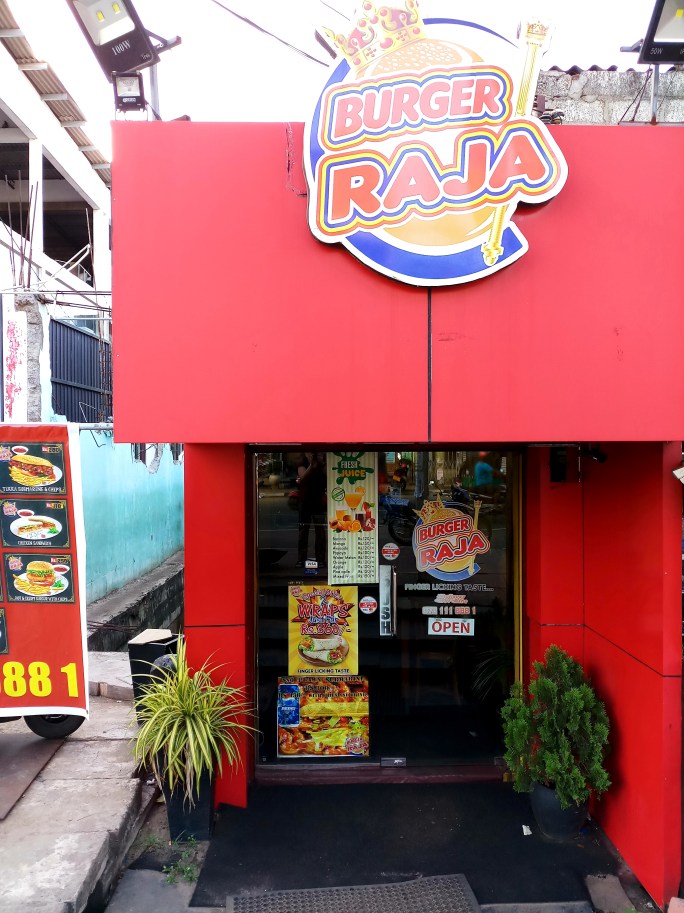
A mix between Burger King and KFC, really bad food!
Most people come here to explore the ancient city, on the outskirts of the New Town. However, the ruins are from 200BC so quite spread out and one must have a good imagination to picture this thriving city back in history. The ancient city, considered sacred to the Buddhist world, is today surrounded by monasteries covering an area of over sixteen square miles (40 km²). The best part for us was exploring these ancient structures deep in the jungle. There is no development as the area is protected. We listened to birds and monkeys communicating loudly, saw them in the branches above. This area is rich with plant and animal life. There were no other people and we kind of felt like we were in Jumanji, slightly scary but also exhilarating.
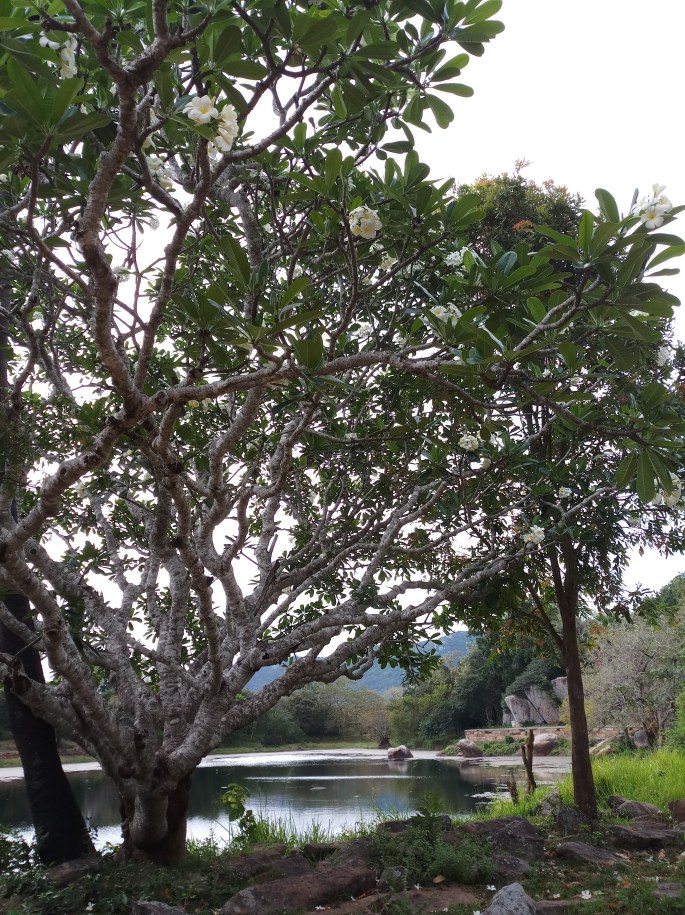
Natural Black Pond
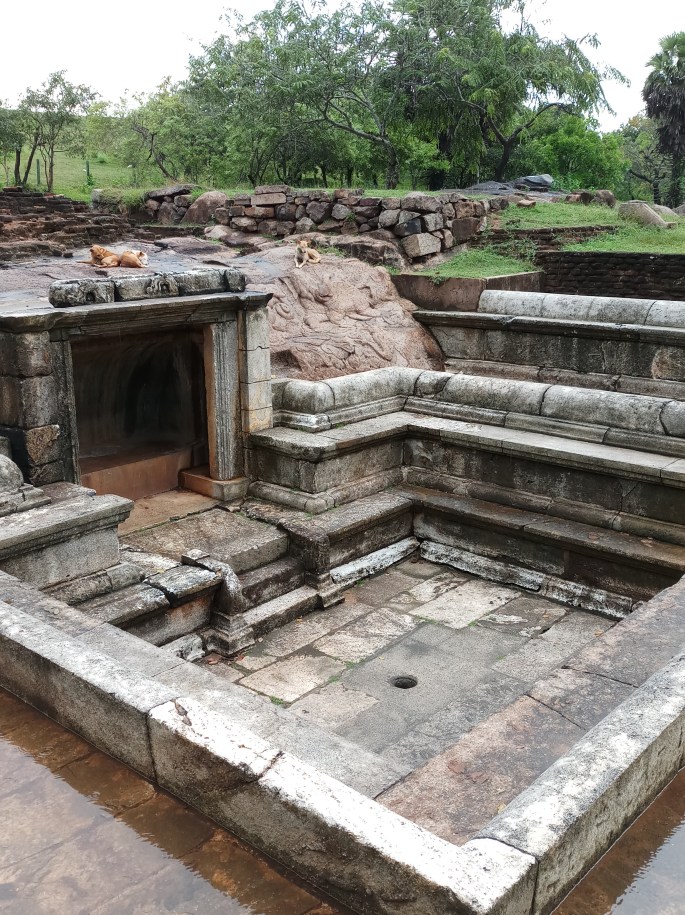
Bath, or pool created for the prince. Later used by monks. Now guarded by dogs.
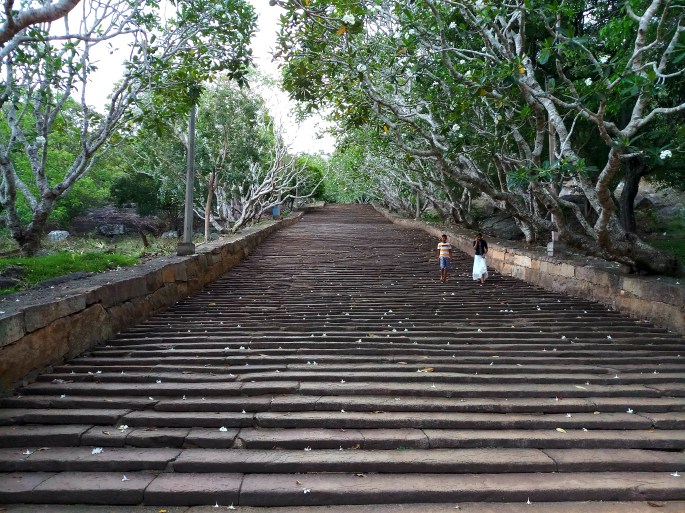
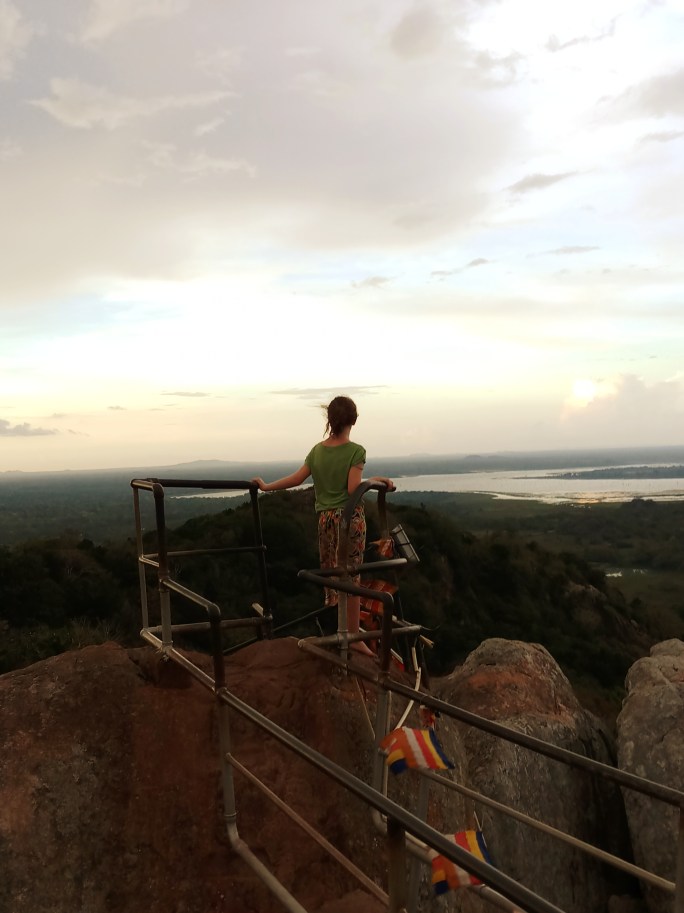
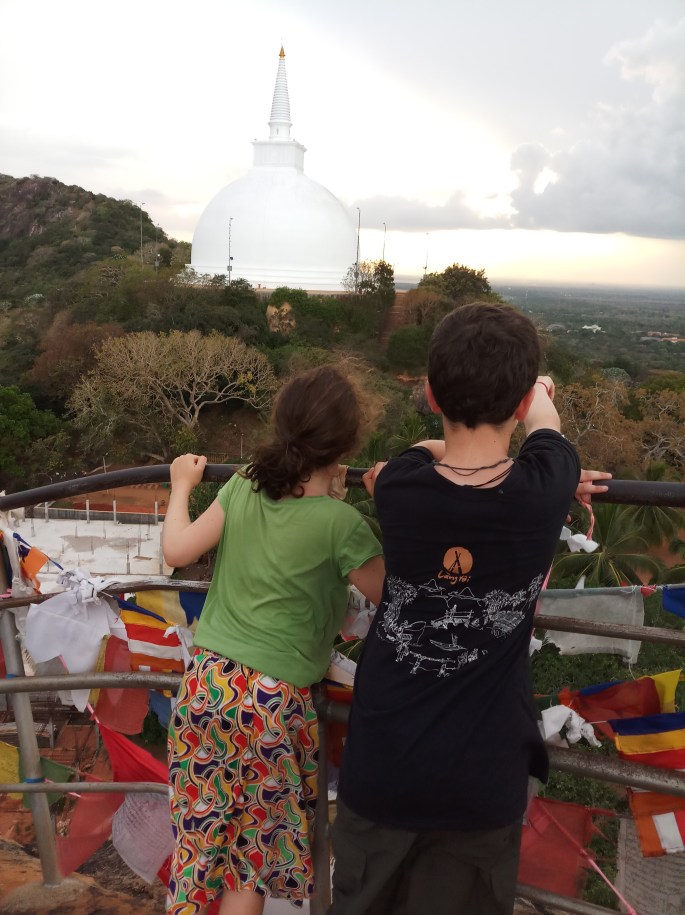
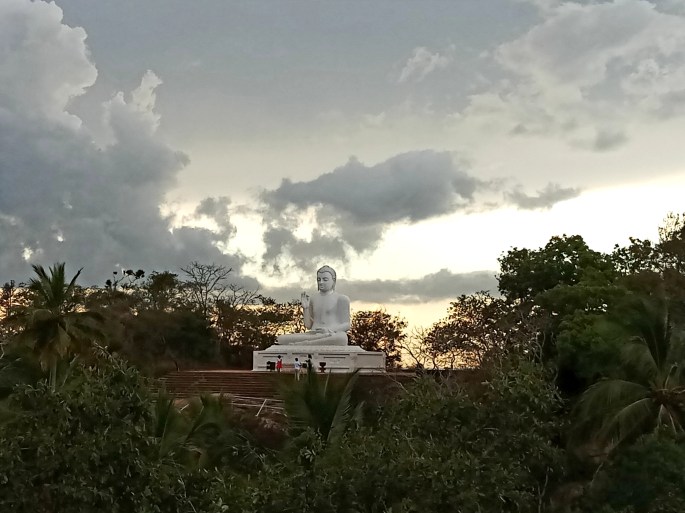
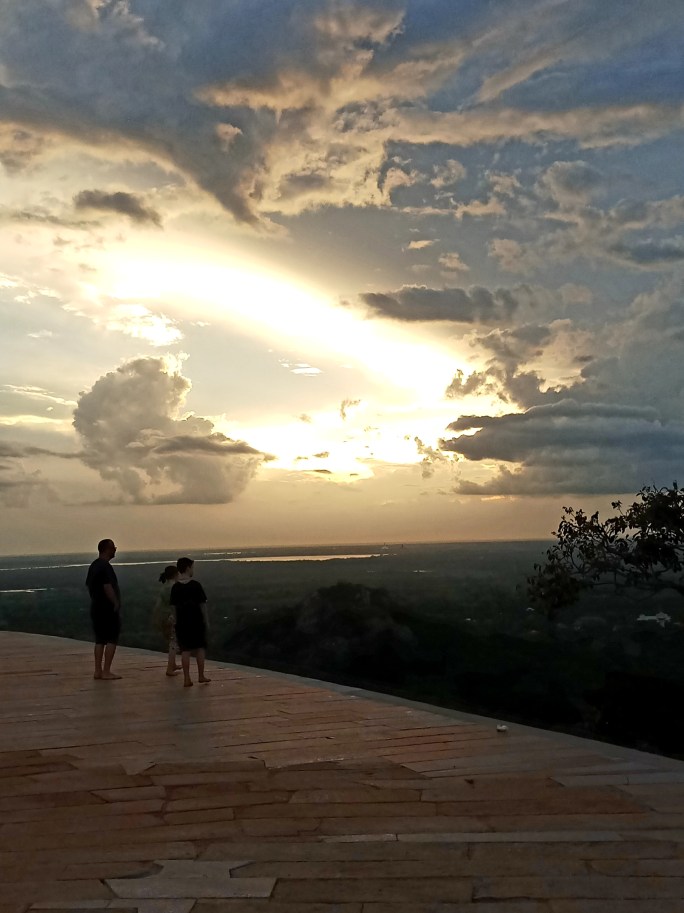
Mihintale is a mountain peak that is the site of origination of Buddhism in Sri Lanka. 1840 steps lead up to the pilgrimage site, and the site of several religious monuments and abandoned structures that date back to 200BC. We visited at sunset, and there were very few people. It is a beautiful area and our favorite site. There is a large boulder that you climb barefoot. It is lined with steel railings, but the climb is precarious and one slip is tragic injury. On the top is a view that is spectacular although a bit nerve racking.
1840 steps made in 200 BCThe large boulder of Mihintale
View of the stupa from the rock of Mihintale
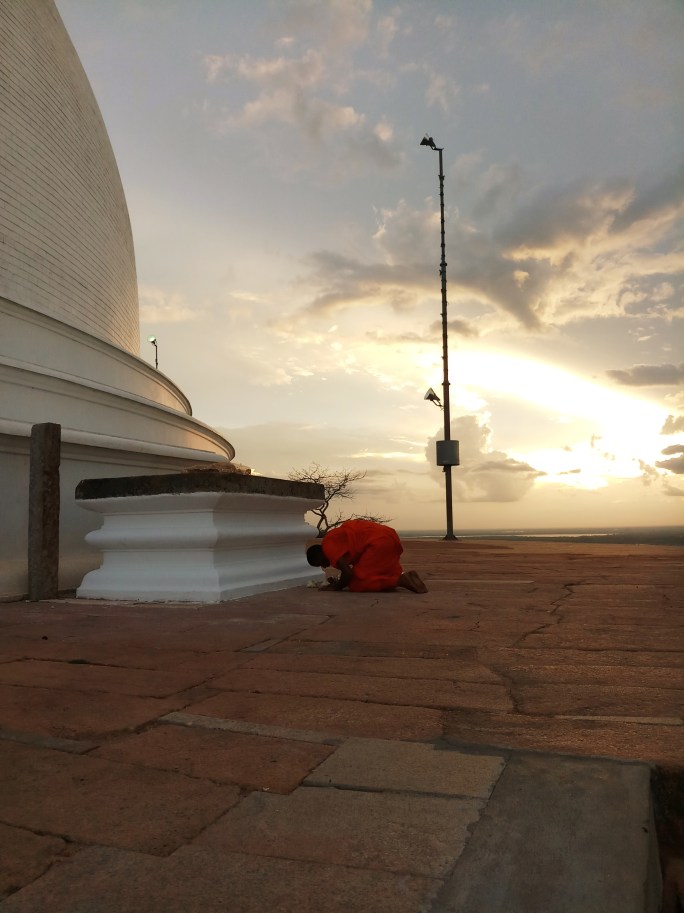
A monk bowing in prayer
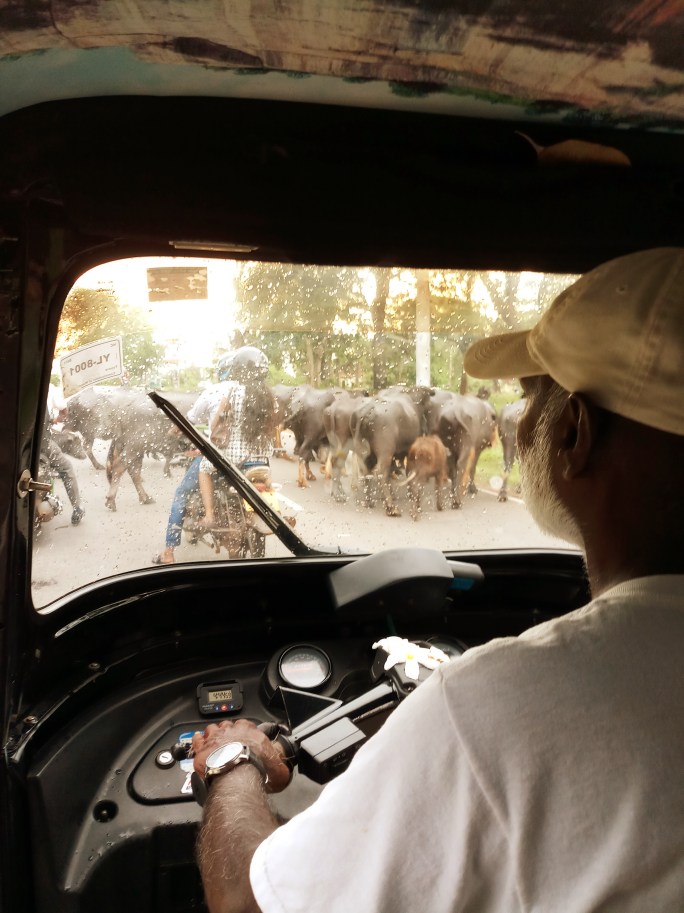
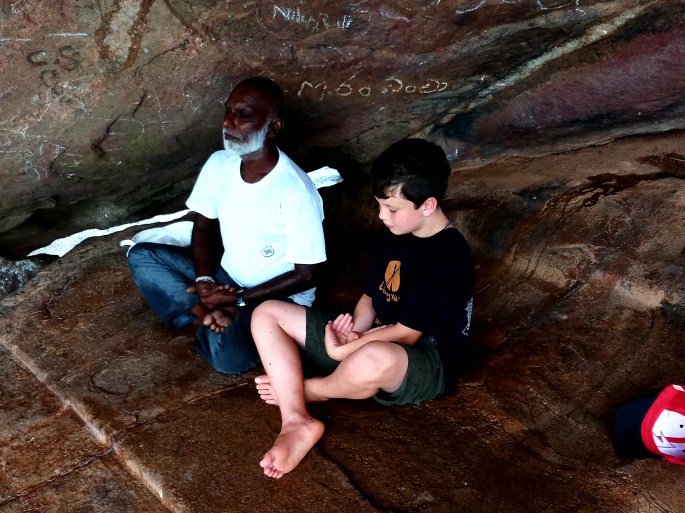
Our guide was Chandra, a TukTuk driver that befriended us on the street. He had a big smile, great enthusiasm and a kind soul.
Chandra teaching Jack how to meditateOne of the many monastary meditation and prayer sites around the ancient city
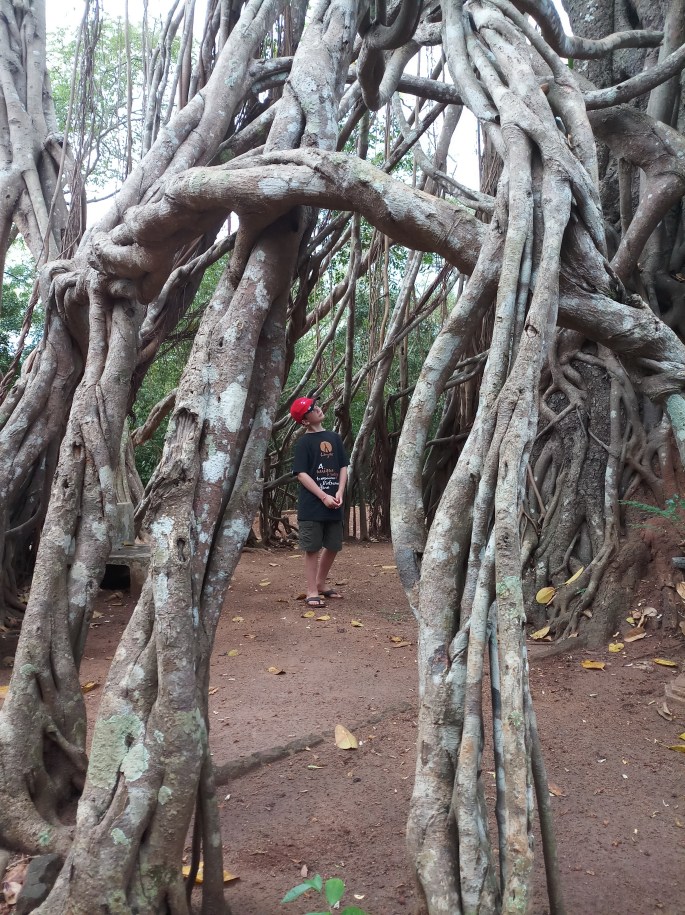
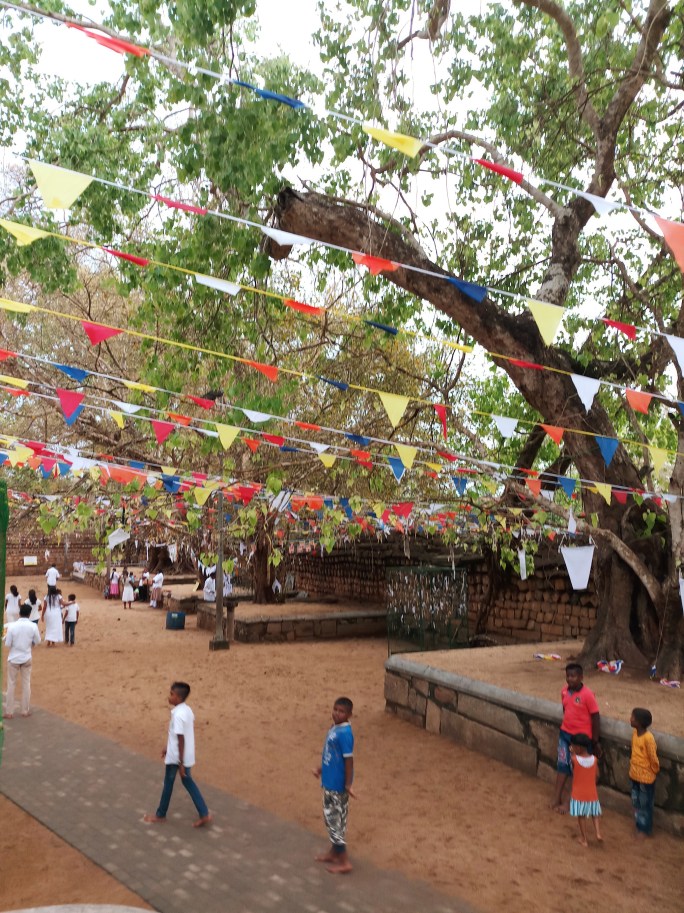
Jaya Sri Maha Bodhi, or the Bodhi Tree is a sacred fig tree that was planted from a sapling harvested from the original Buddha Gaya Tree in India where the Buddha attained enlightenment. This planting happened in 288BC. It is the oldest living human planted tree in the world.
In April 2014, the government banned all construction within 500 meters of the tree. Only construction that obviously will not harm the tree will be allowed.
In 1985 the Liberation Tigers of Tamil Eelam hijacked a bus and drove it here. They murdered 146 women, children and men who were worshiping at the Bodhi Tree. With automatic weapons they mowed down everyone, including all the monks and nuns praying. Walking around this tree and knowing the history that this ground holds added a complex solemnity to the experience. On our visit, large families dressed in white gathered carrying large purple lotus flowers as offerings. The square was filled with the voices of prayer and worship.
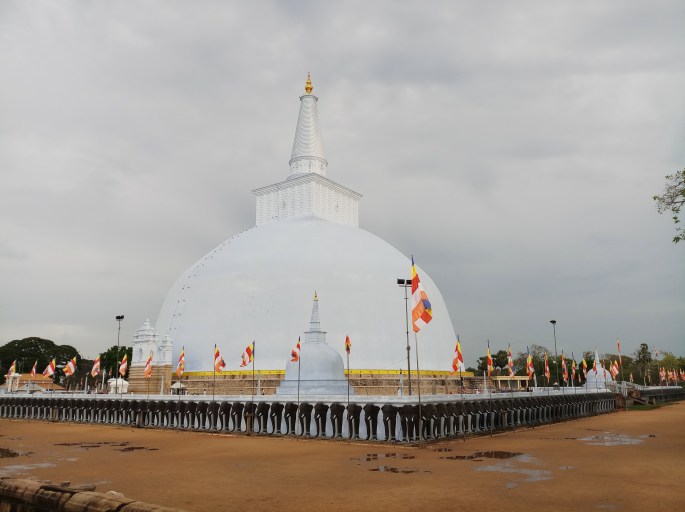
A large stupa, the Ruwanwelisaya is a stupa, a hemispherical structure containing relics, in Sri Lanka, considered sacred to many Buddhists all over the world. Guarded by 100’s of elephants, it was originally built in 140BC, but refurbished in 1940.
The purple faced Lagur, fascinating to watch play and interact. They are fed by the Stupas caretaker
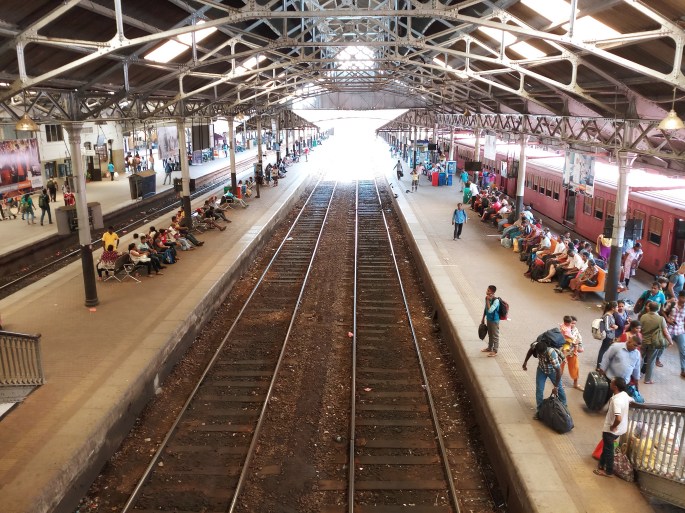
We took the train from Anuradapura to Colombo, for our final destination Negombo where we would hangout until our plane left Sri Lanka.
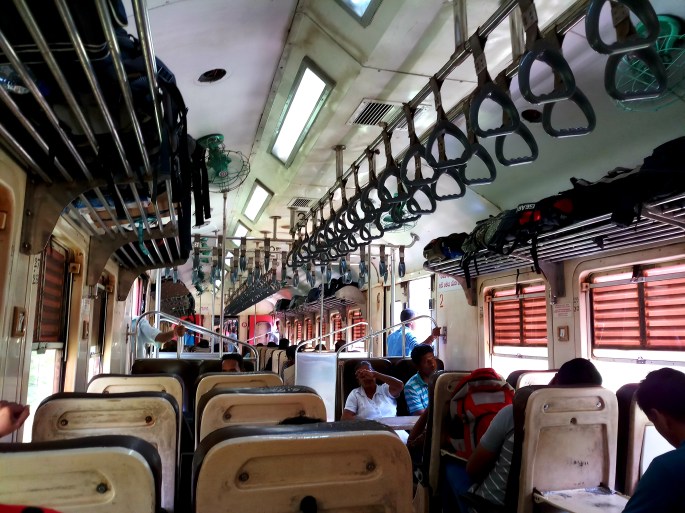
Train to Colombo, 4 hrs, $10 for all of us, and we had reserve seats!
We enjoyed out travels in Sri Lanka. This country is spectacular. We look forward to returning, maybe with our grand children. Now we are off to another adventure. Our children think we are going right to Mexico city, but we have a surprise layover for four nights in a mystery European city! We are bursting to share the secret, but so far they have no idea. Shhhh, don’t say a word.
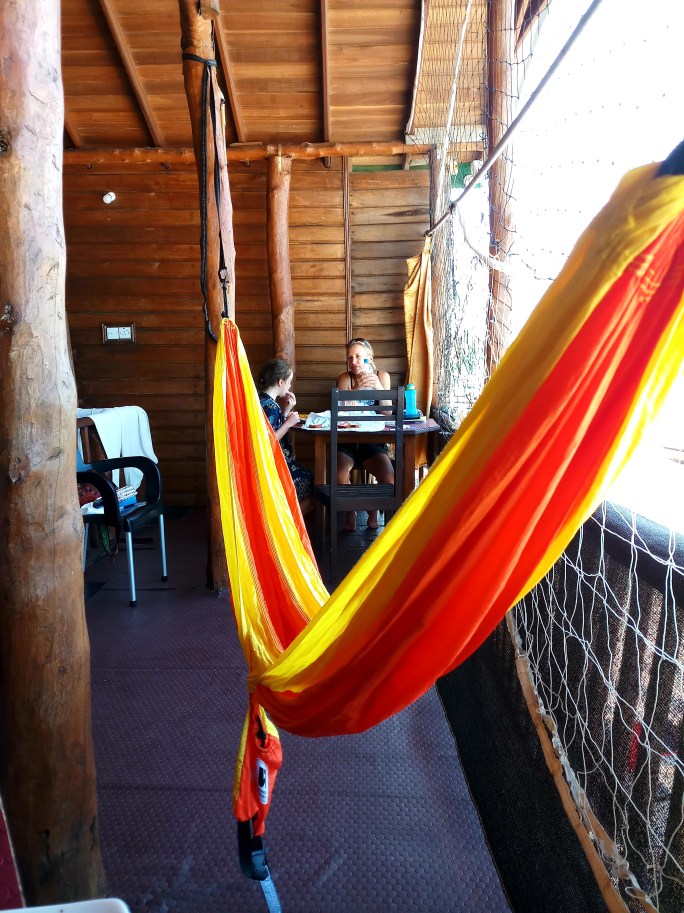
We left Trinco and our corner of the world reluctantly. Feeling the obligatory pull to see more of Sri Lanka, but really we could have just stayed there. The rhythms of the ocean, playing in the water, napping in the hammock…it was hard to leave.
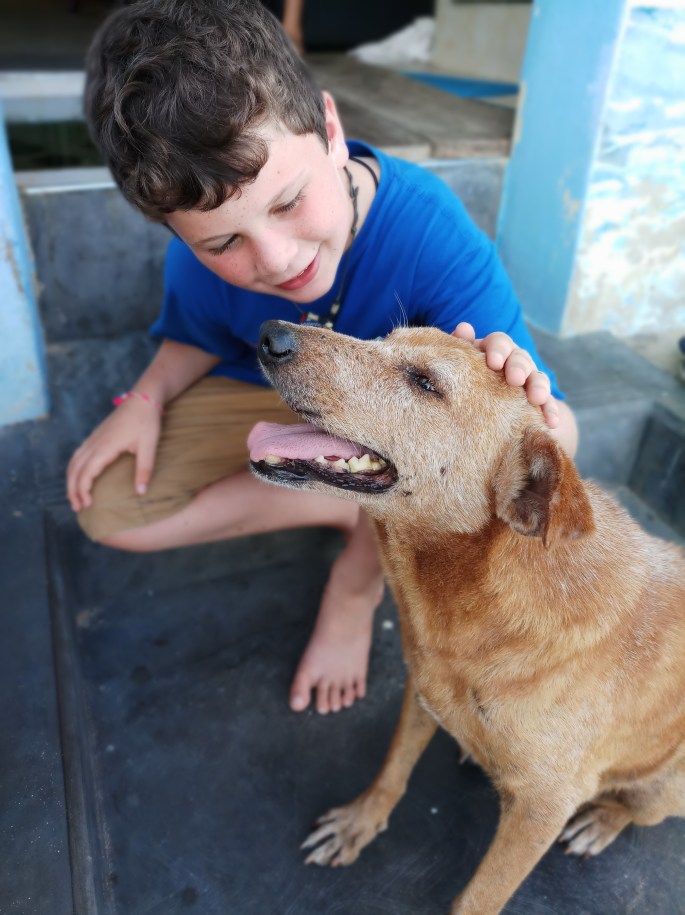
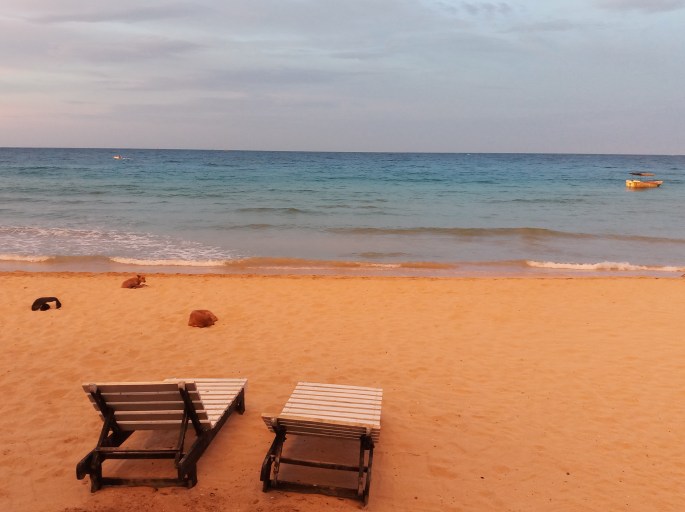
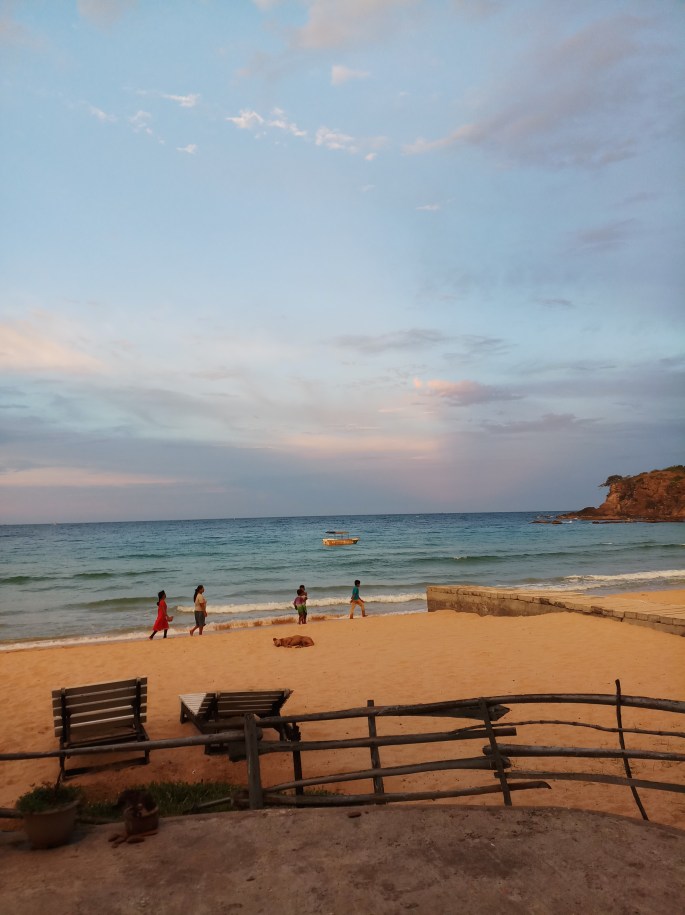
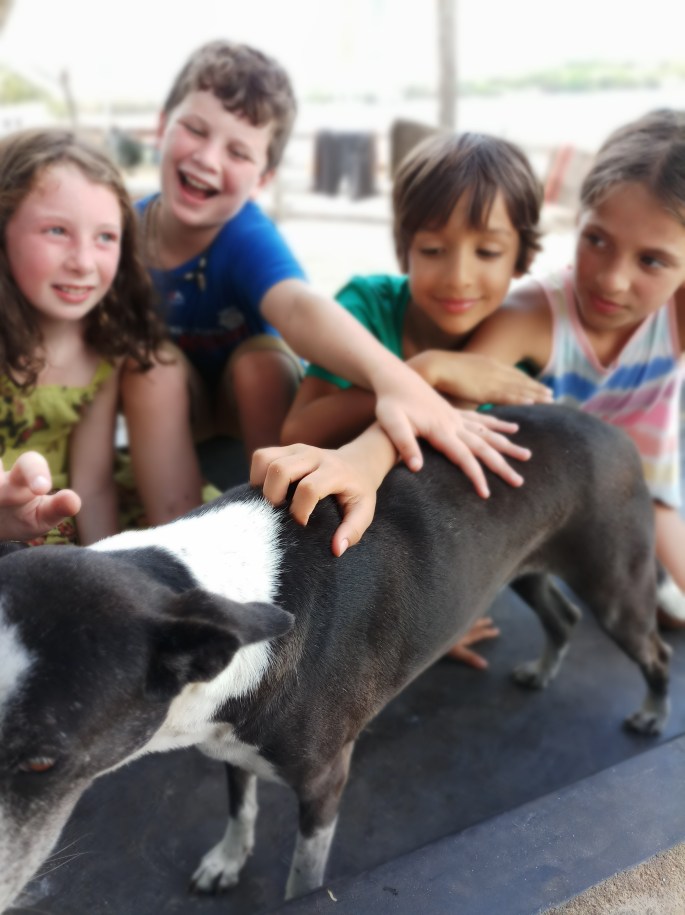
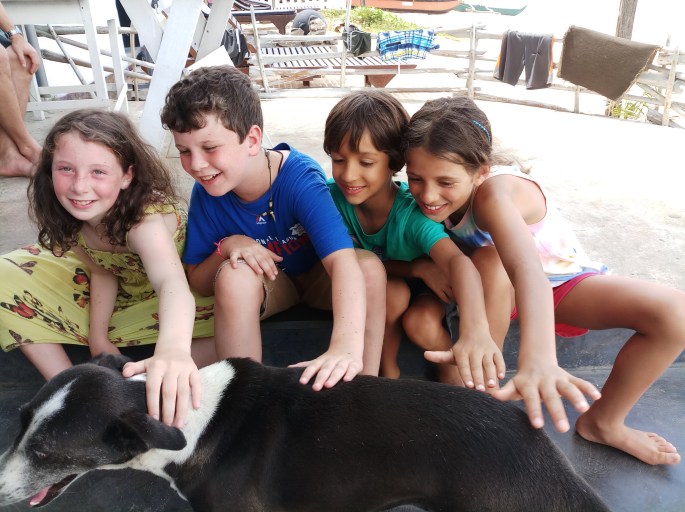
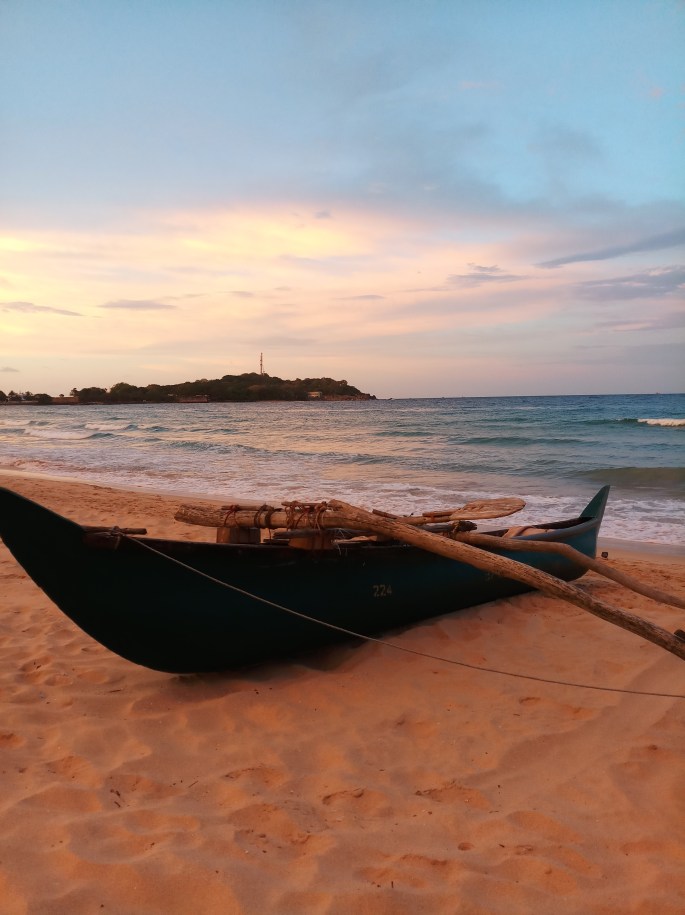
Jack always make friends with the local dogsOur beach at sunset
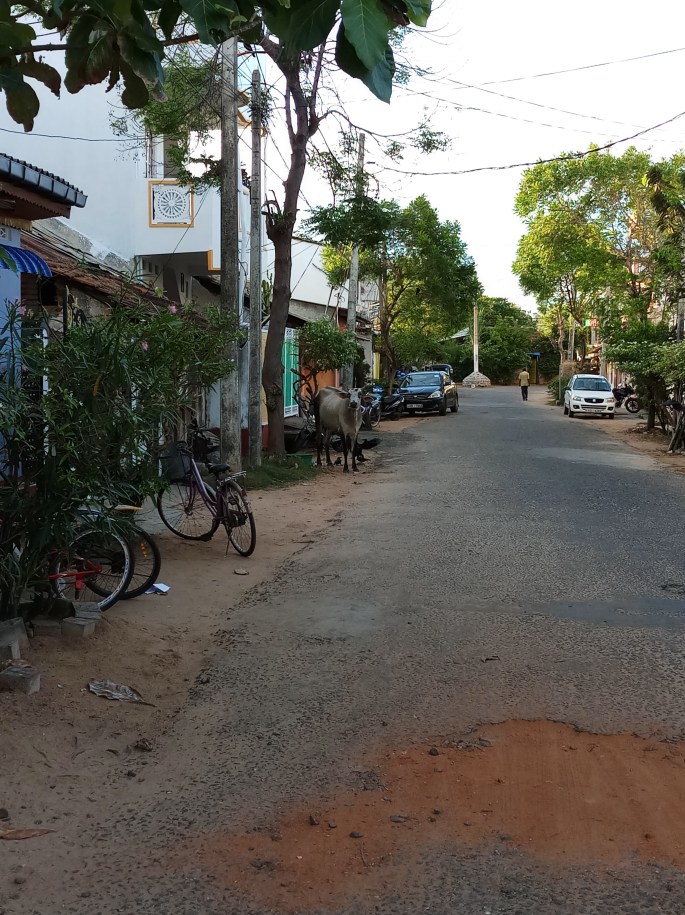
Our kids, plus our friends from London, Mani and AlmaIt is amazing to see how their faces light up with animals.Our local street with local cows
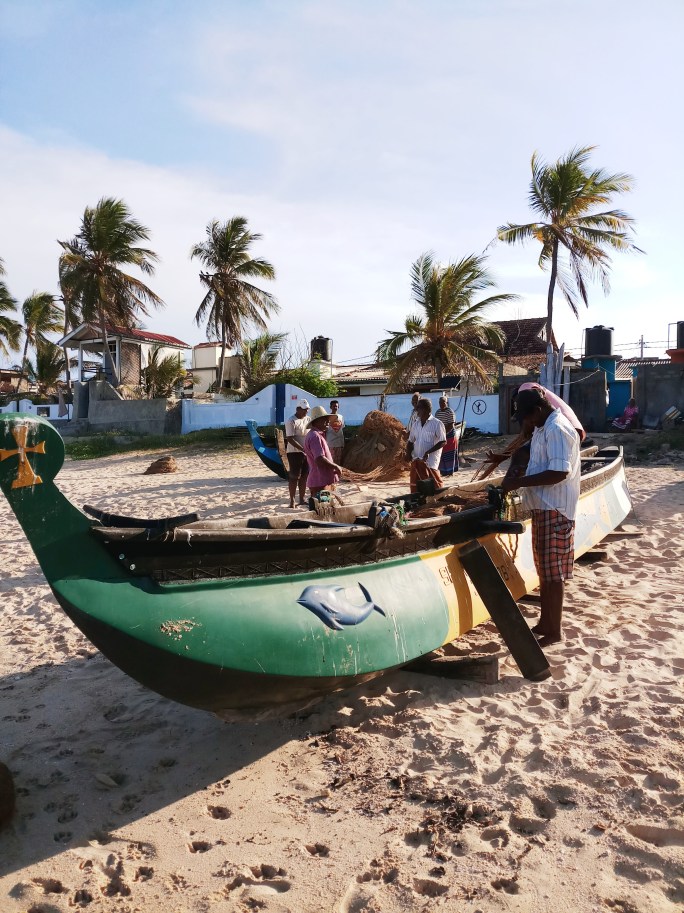
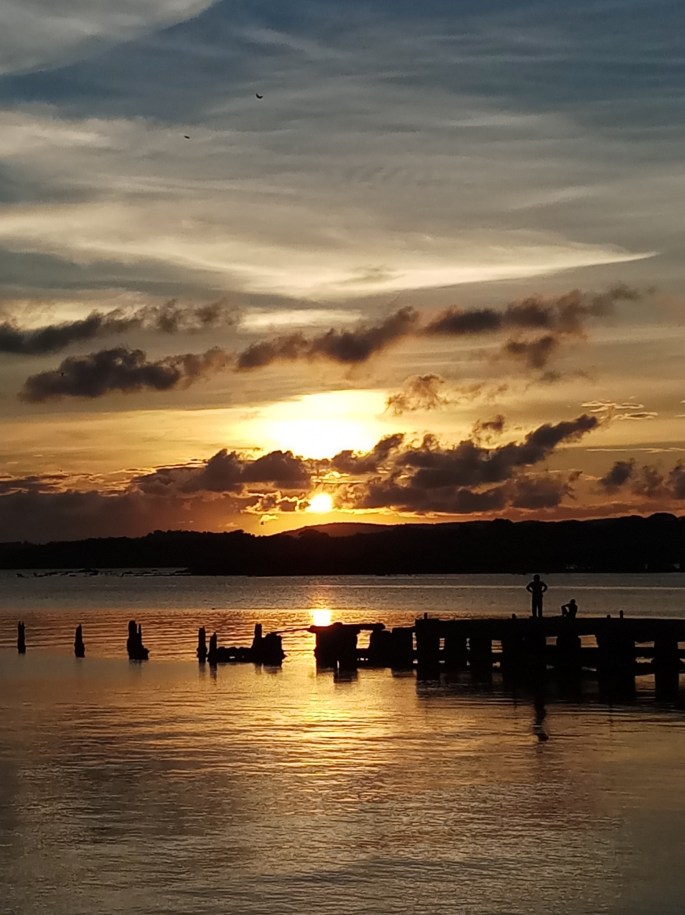
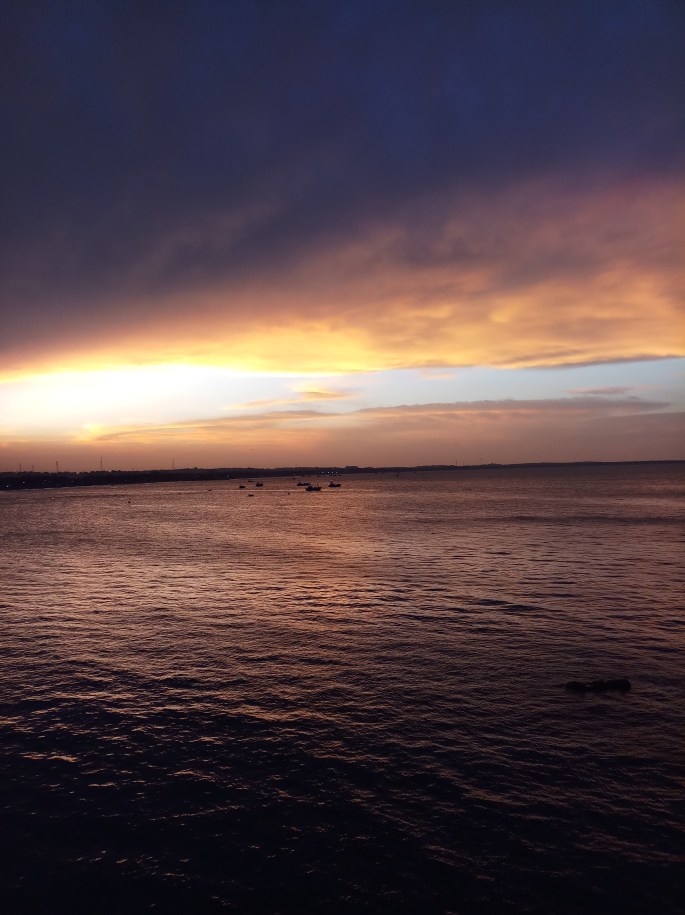
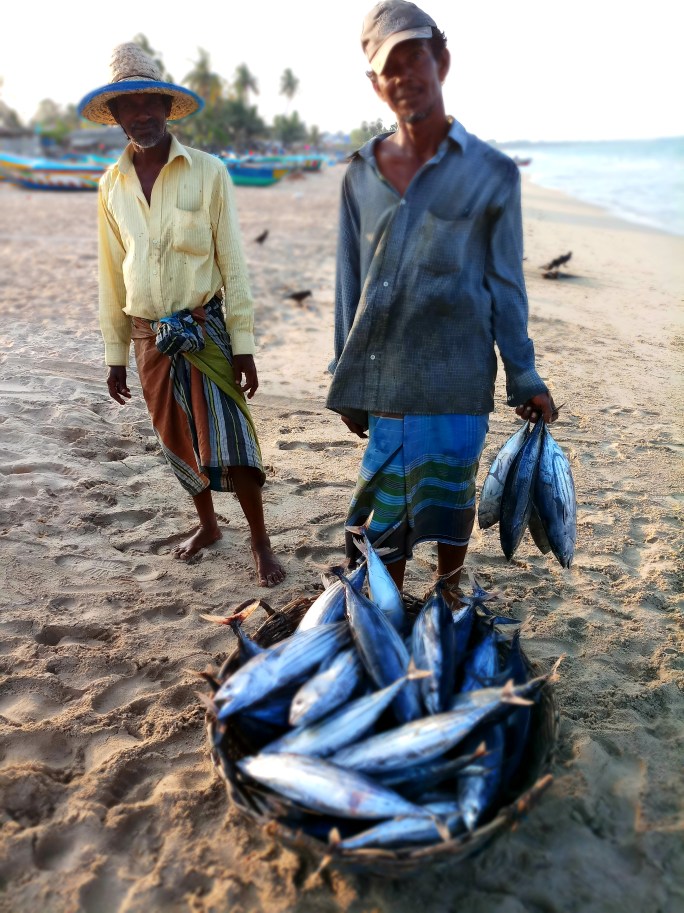
The fisherman near our guesthouseSunset on Dutch Bay
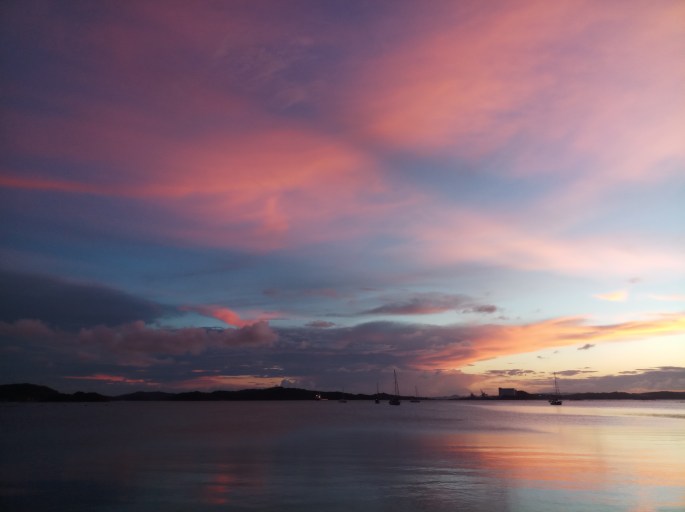
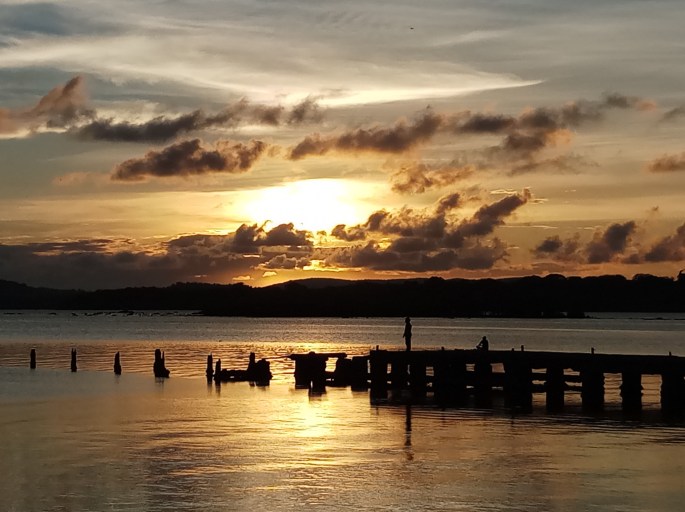
Sunset on Dutch Bay, not photoshopped I swear!
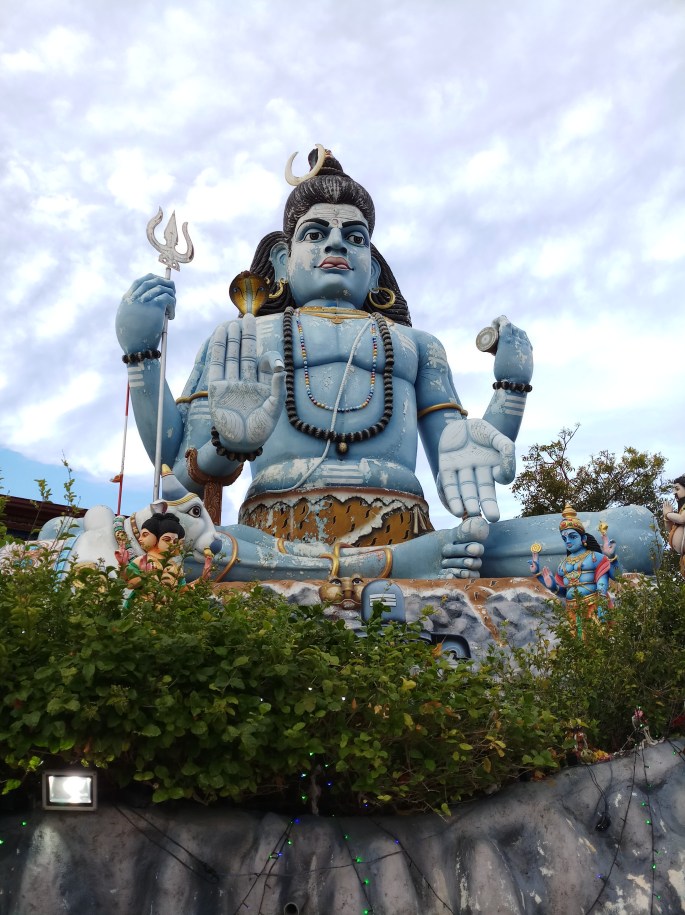
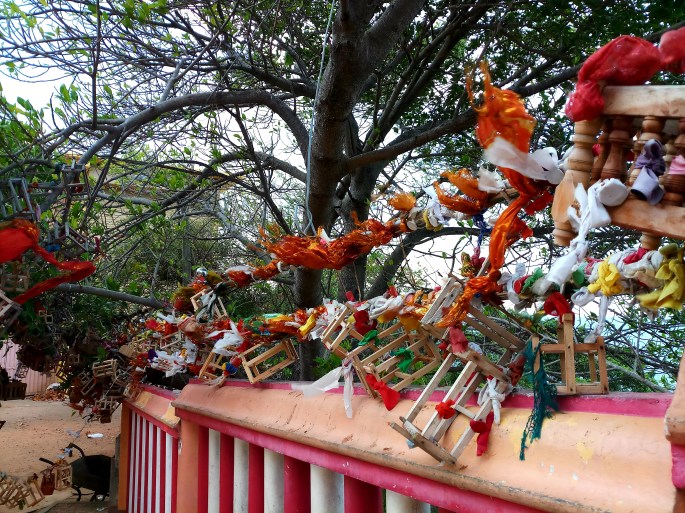
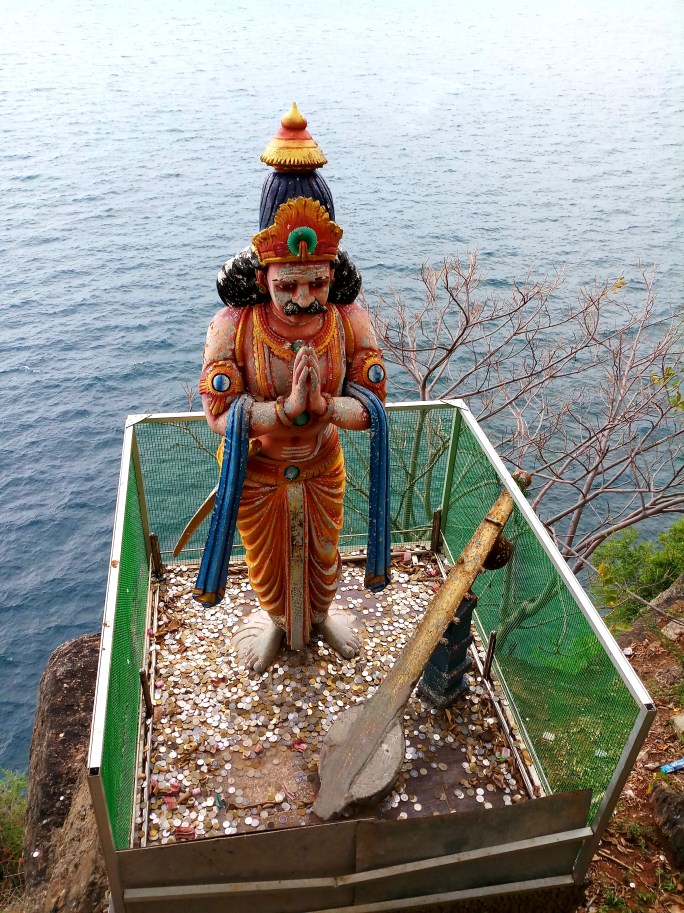
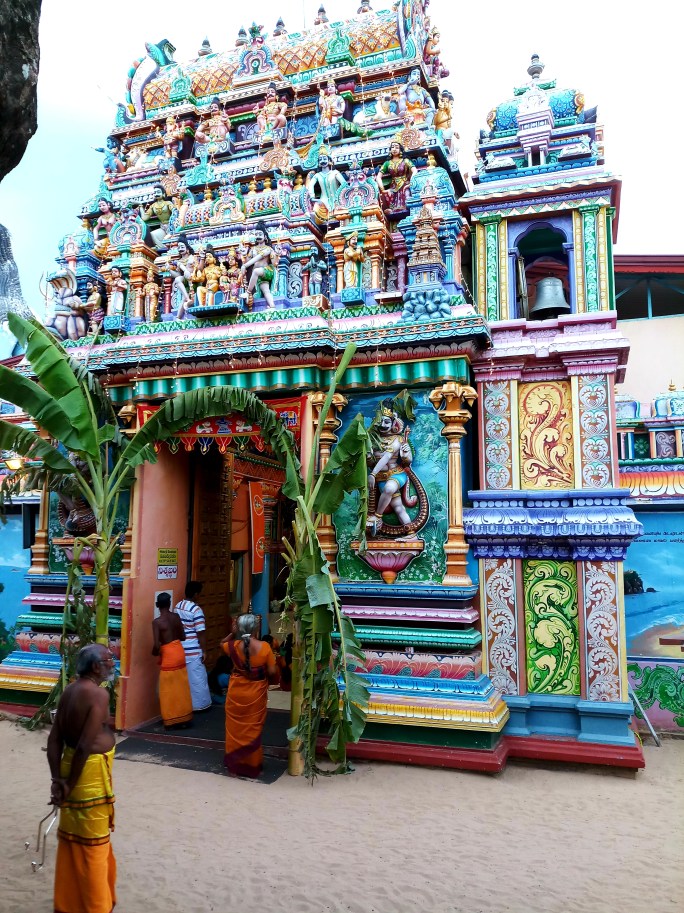
We visited the Hindu Temple at the top of the hill, an outcropping of Dutch Bay. I always feel like I have ingested hallucinogenic drugs when visiting Hindu temples.
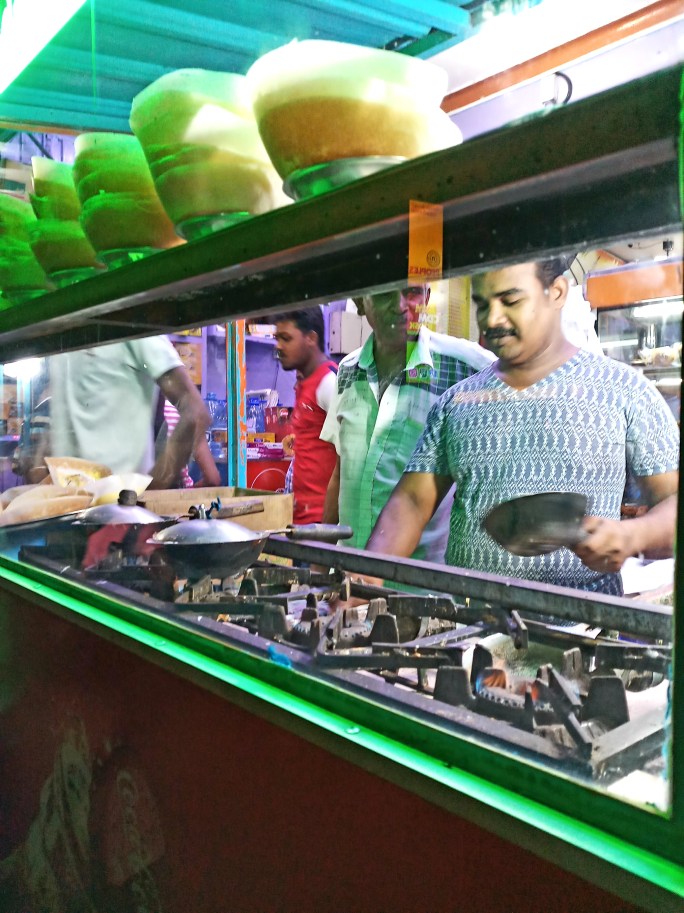
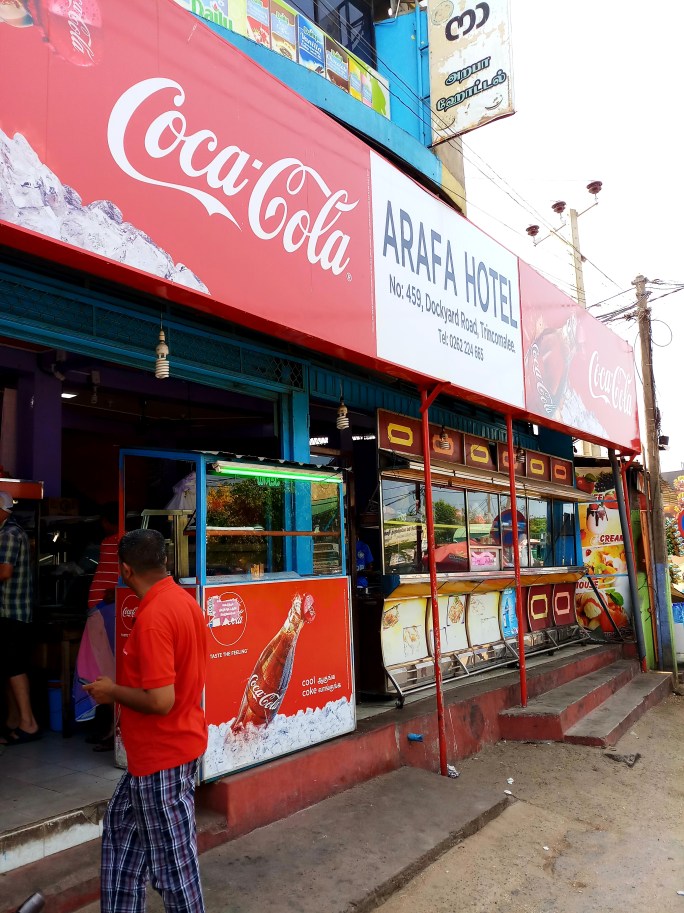
Our favorite take away restaurant, we call it our “GoTo Kothu”. We went so often that the staff knew us well. Jack gets a lot of attention here, the Sri Lankans give special attention to boys.
Making egg hoppers. Rice and coccunut flour bowls that have a sunnyside egg in them.
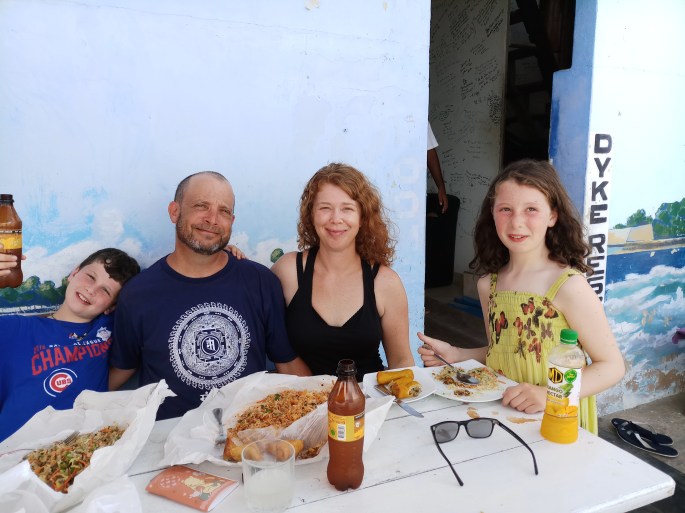
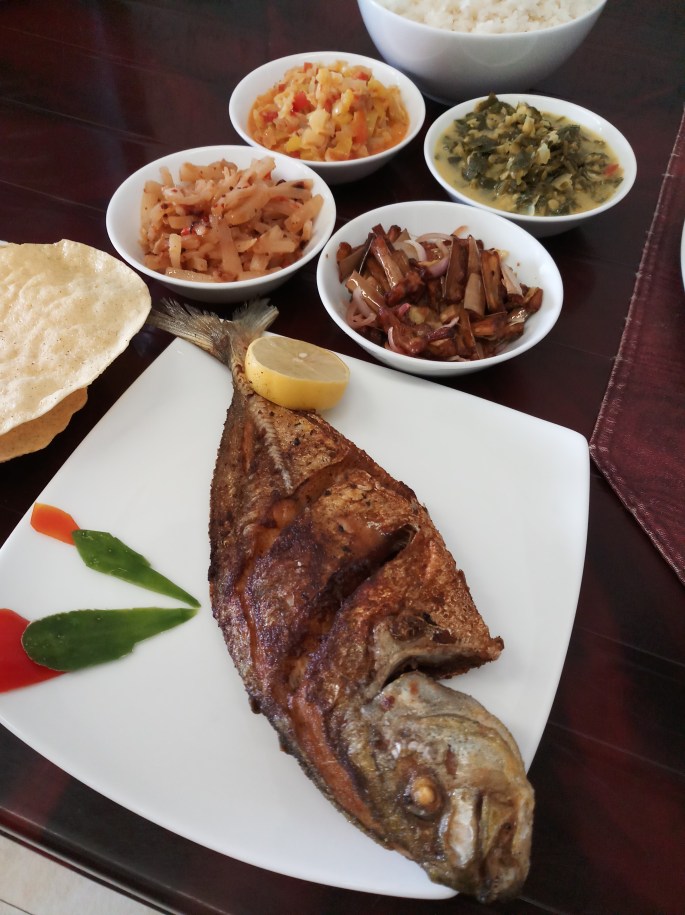
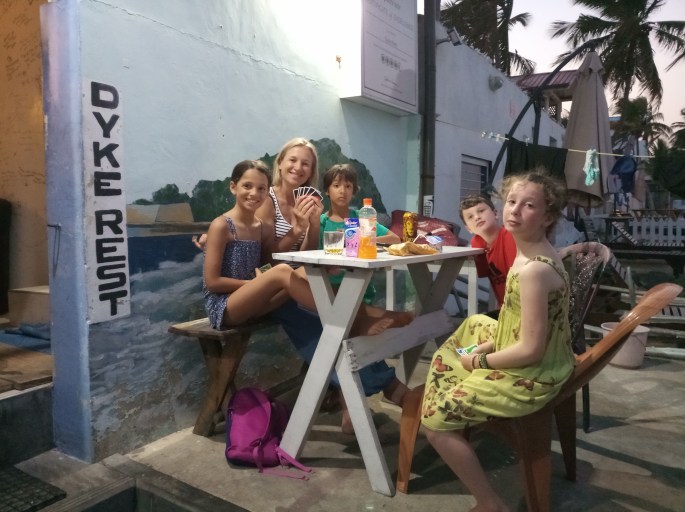
Jack negotiating the order at our favorite restaurant for take outTypical meal at Dykes Rest for dinner. It was excellent.An alley off our road
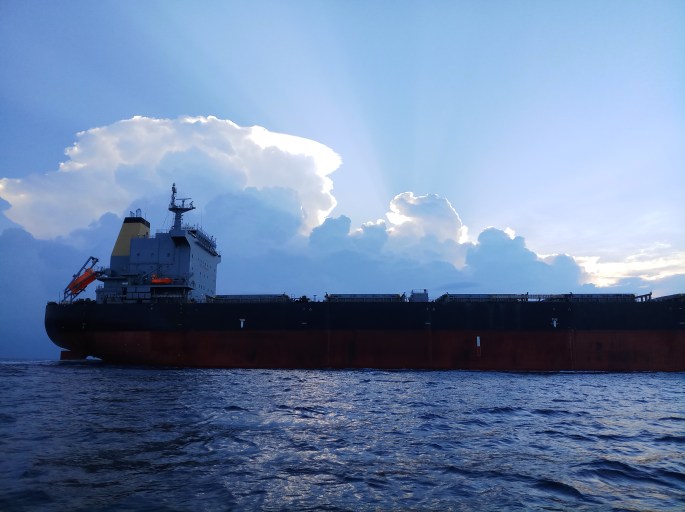
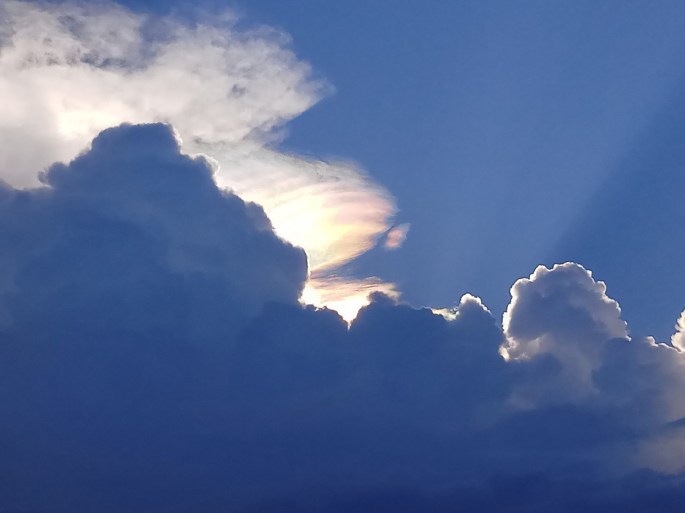
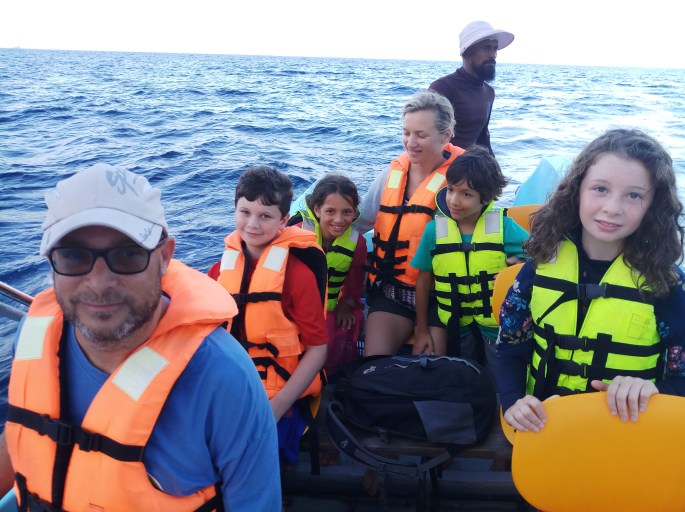
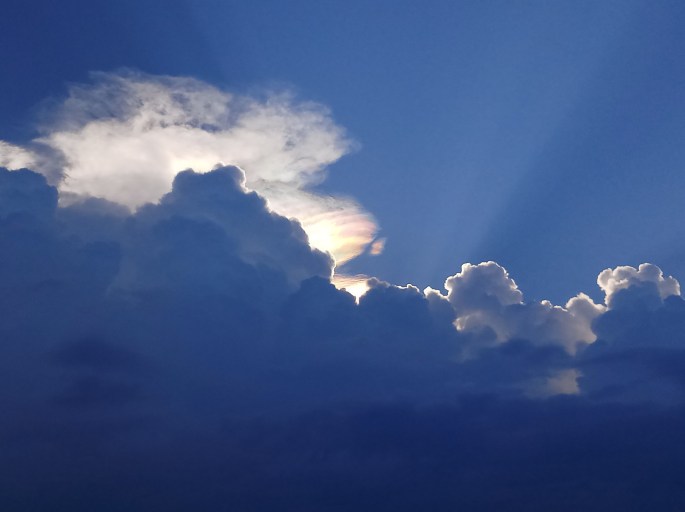
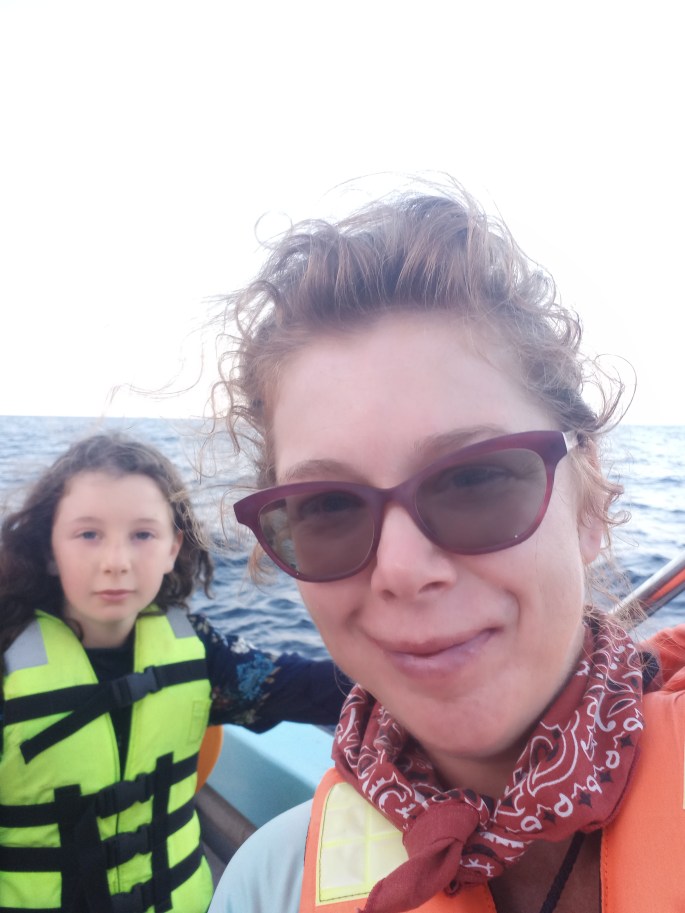
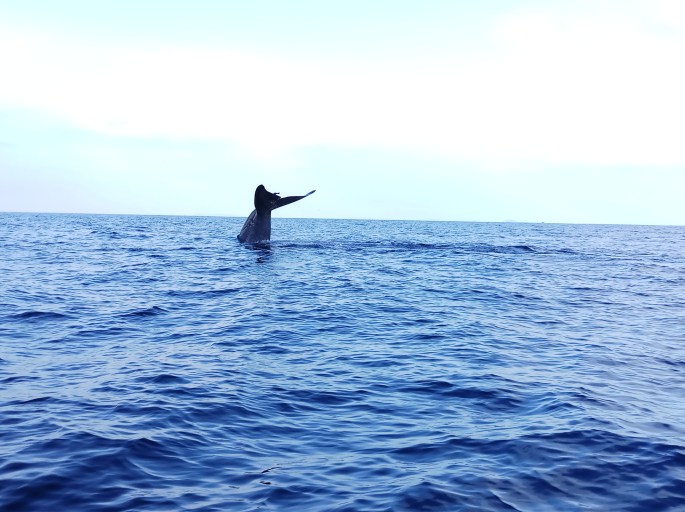
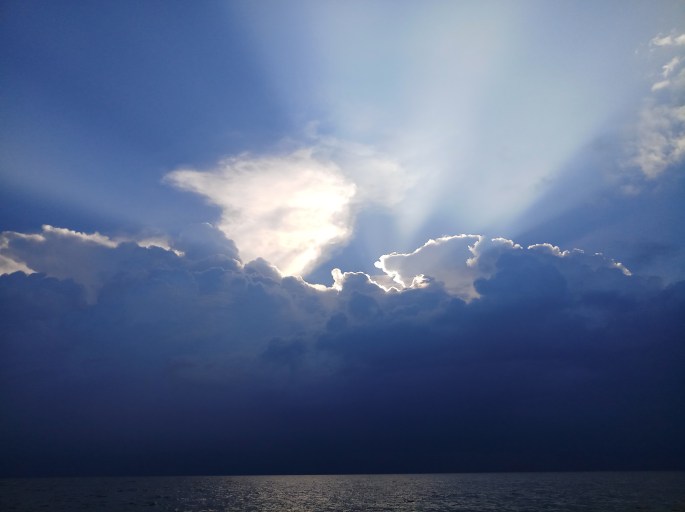
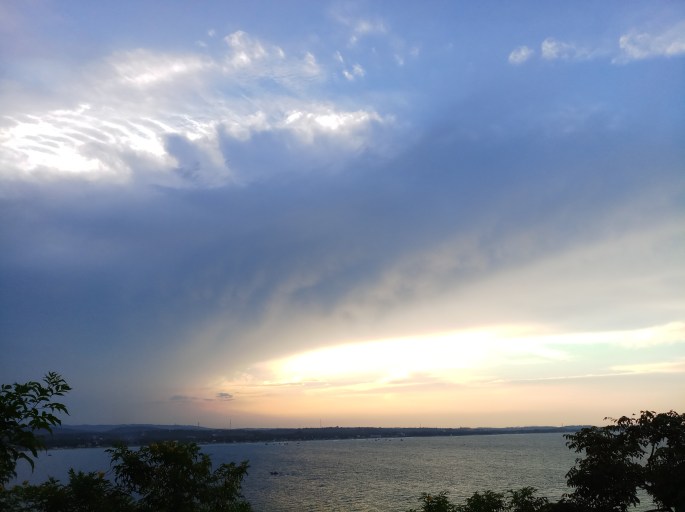
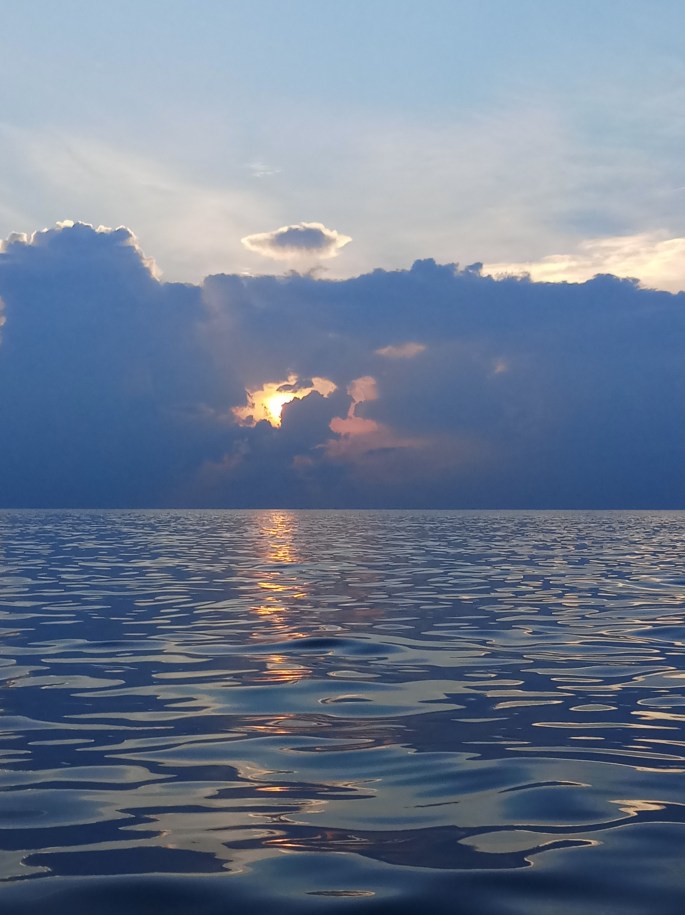
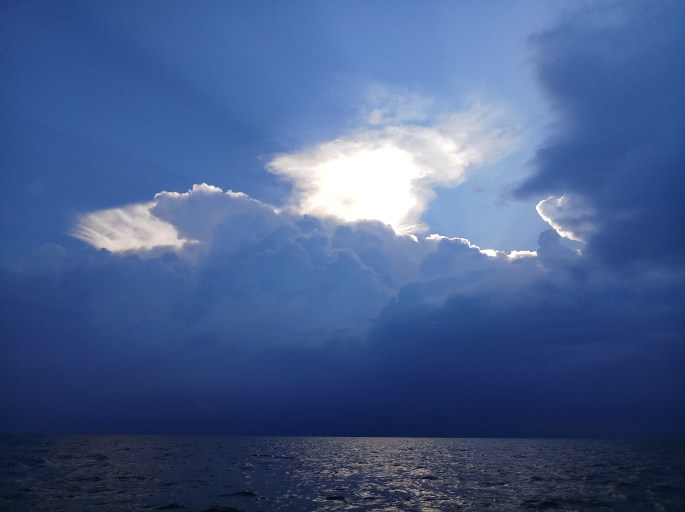
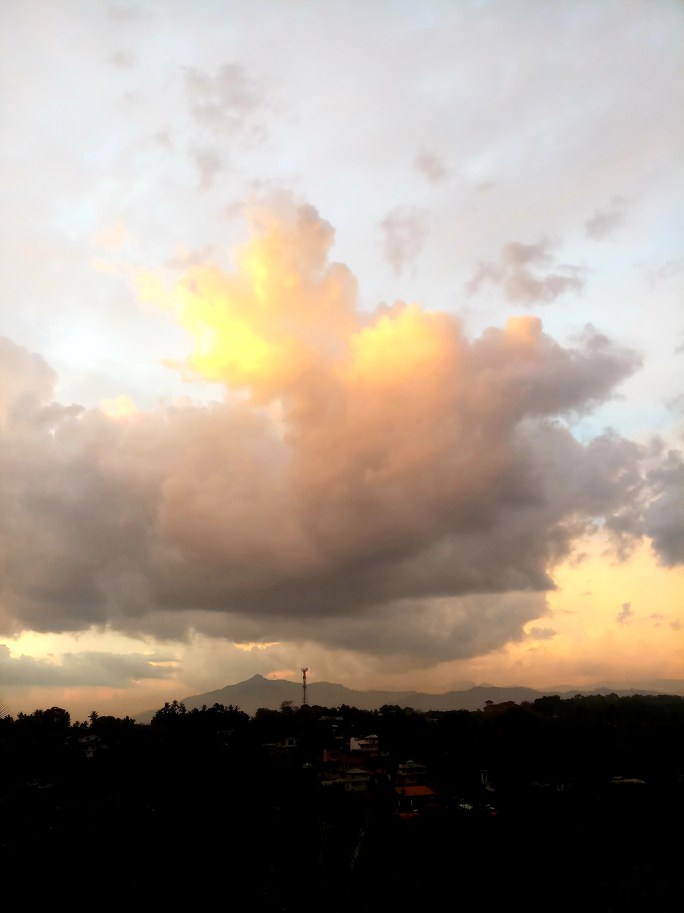
We chartered a small boat and raced along the ocean to watch these huge animals migrate. We left early in the morning and witnessed the most amazing cloud form. A huge billowy cloud in front of an iridescent disc of color. It was so fantastical we thought perhaps we had all been given psychedelics on the sly. The photo cannot capture the magic that we all felt.
The whole experience of being out on the water and watching the sky as the sun cleaved through the clouds was so big. My chest felt full as I breathed in the air, thankful that there is still so much that is right in the world. That was the day we knew that Ben, Cork’s brother was being taken off life support. Being out there, witnessing this beauty, looking up at the audacious performance that nature was showcasing, it felt that maybe this was Ben’s send off. We feel lucky that when we last saw Ben, we said goodbye and expressed our love. Not everyone had that chance.
Most of our travels through Asia we have experienced a greyish, white sky, an often low hanging smog that hides any blue. The air quality in the developing world is dirty, it harkens back to the days that America had acid rain before the EPA made laws to prohibit vehicles and power plants from spewing poison into the land, air and water. The Western world is consuming many of the goods produced in the developing world, precisely because there are few environmental restrictions in this part of the world and production is inexpensive. In the US we expect and take for granted clean air, water and soil. However if we get complacent, the public services that we take for granted will only be available to those that can afford it.
Sri Lanka has been missed by the world and as a result has the cleanest sky, unspoiled land and clearest oceans that we have experienced so far in our travels. I am afraid that this will not last as the Chinese have already set thier ever reaching gaze and dollars here.
Experiencing the glory of the big beautiful sky, billowy clouds and iridescent colors that look unreal, is spiritually fulfilling. It pierces me a little, as now I know how much there is yet to lose.
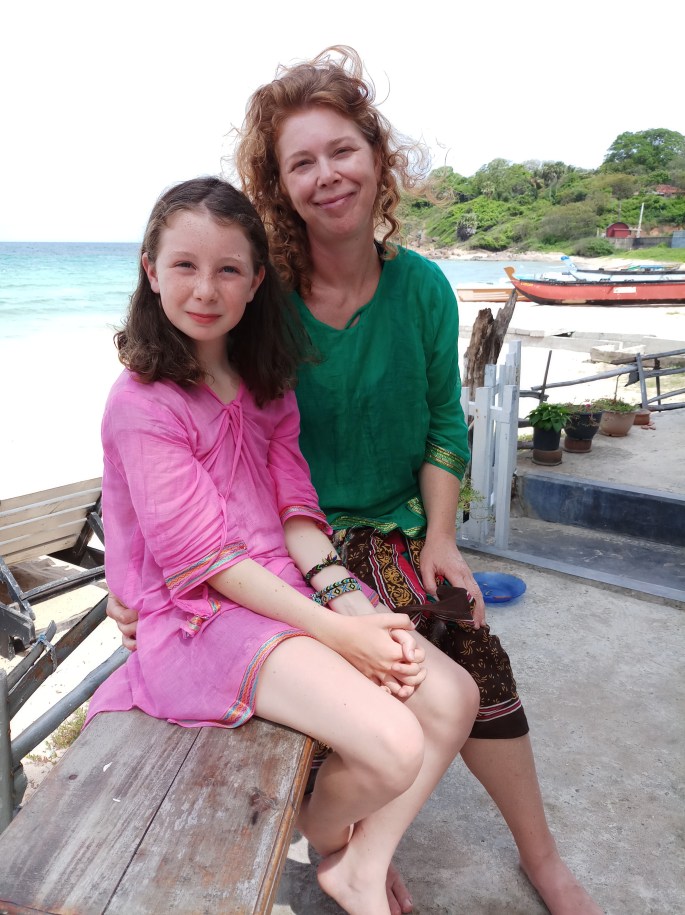
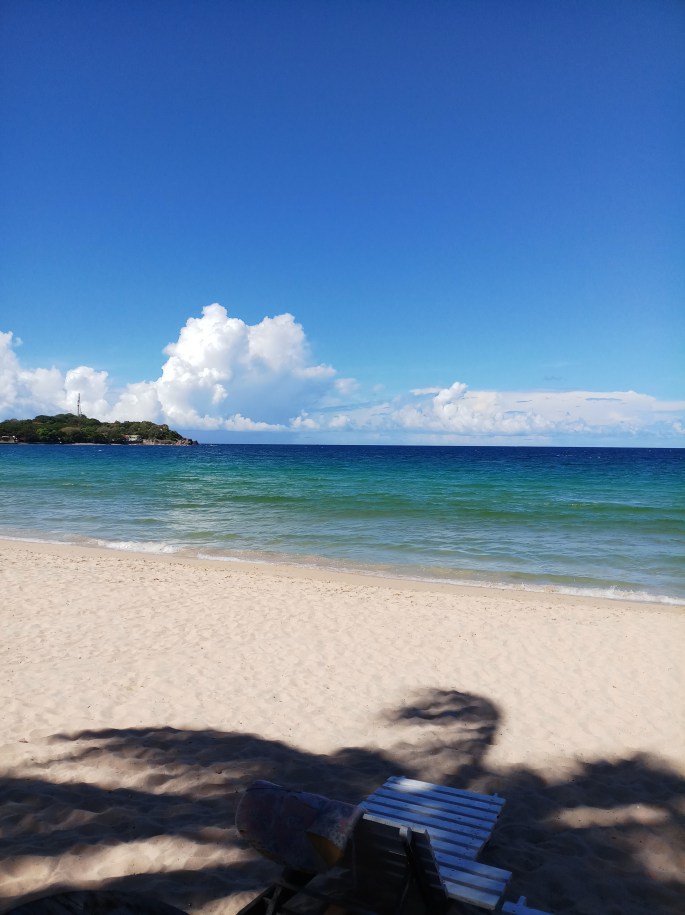
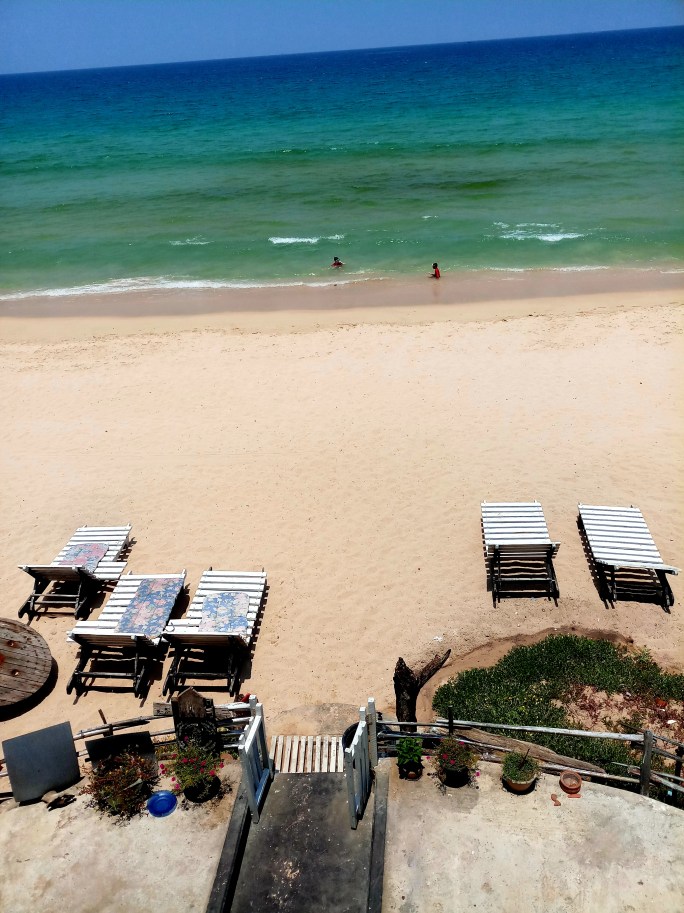
There is nothing like being in the ocean to give one a perspective of how small we are and how everything is connected. We have escaped to the beach in the Eastern coast of Sri Lanka called Trincomalee. We have found a little corner of the world largely undiscovered by the world. Only recently has this area been open to outsiders, having suffered a majority of the violence from the 26 year-long civil war and devastated by the 2004 Tsunami. We found a wonderful guesthouse, with our room up above and the beach literally steps from our door. The owner is jovial and friendly and the staff are loving and attentive. We spend our days swimming in our front yard, snorkeling amongst the nearby outcropping of rocks and collecting shells. Our days are slow but somehow the time moves, changes and modifies so that we are never bored or wondering what is next. We eat spicy Dahl and roti for breakfast, search out samosas and cold pomegranate juice for lunch and then eat rice and curry or Kothu (Chopped roti and vegetables stir fried) for dinner. A cold local beer or ginger brew completes our experience as we eat with the constant soundtrack of the waves and chatty crows. After learning about the death of Cork’s brother, Ben, we have decided to just stay here for a while. Grief makes you want to stop and take stock. Traveling, the logistics of buses and new places suddenly feels overwhelming when you experience loss. The idea of moving when the world has shifted is unsettling.
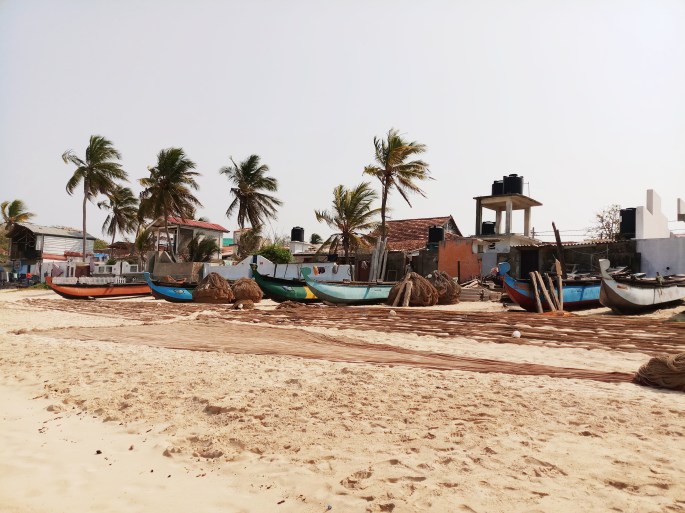
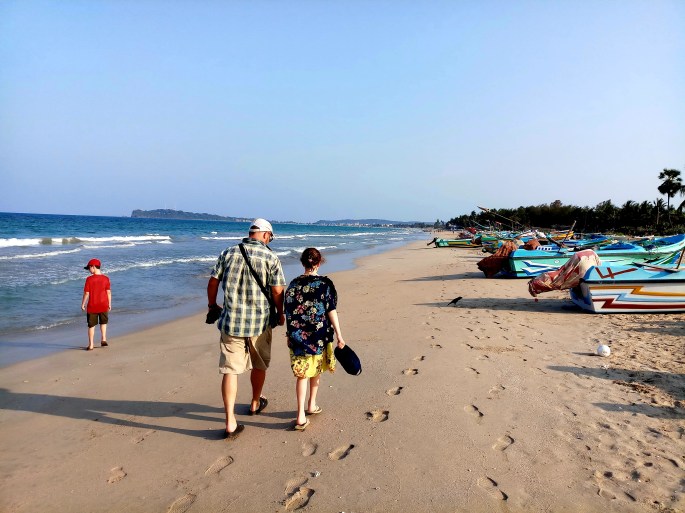
Our beachBeach from Ocean viewpointWalk along a working fisherman beach in Uppeveli, huge amounts of plastic ashore. Fishing, a way of life here is declining as the fish populations are decreasing.
We have had the luck to meet amazing people on this journey which help fill the gap when we miss our friends and family at home. A sudden death also generates such an outpouring of love, reshuffling the deck to suddenly crystallize what is important in life; our relationships with other humans. Ben’s death has led us to reach out to family and reconnect, bringing us closer even though we are so far away.
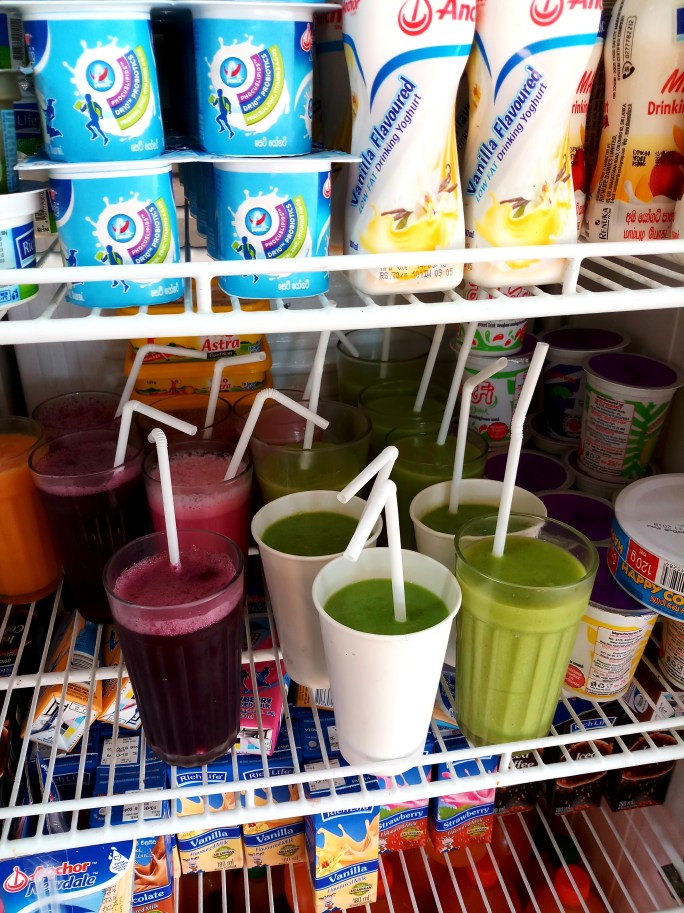
The restaurant by the bus station, we refer to it as the “Go to, Kothu” placeA good catch, blurry photo under pressure!Cold avocado, grape, papaya and pomegranate juice made at a local corner shopKing coconut
Jack hanging out of the TukTuk and shouting “Hello” to local folk
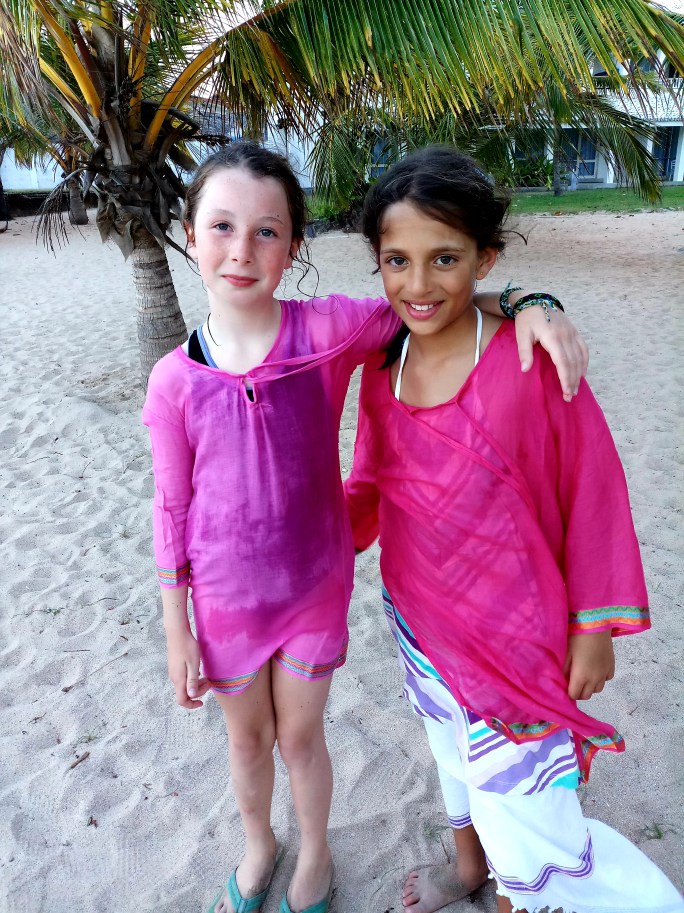
Traveling has made our already outgoing family, not hold back and when a family from London showed up, we quickly invited them to join us for everything. Luckily instead of being put off by our eagerness, they quickly became our best friends. Our lives have led us to acceptance of impermanence. We become close to those in a matter of hours, only to say goodbye to them days later, possibly never seeing them again. Kate, her daughter Alma and her son Manni have become our partners in crime for nearly everything. We feel lucky to have met them.
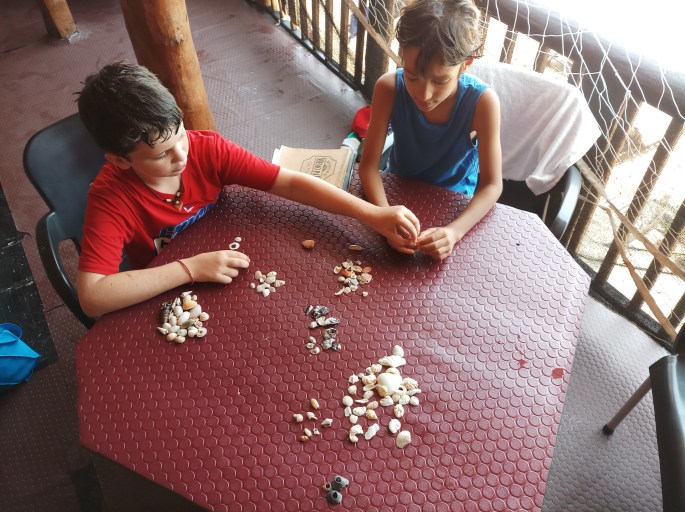
Uno with our new friendsDrawing and shell organizing on our balcony with friends
We found out yesterday that uncle Ben, Cork’s eldest brother had a massive stroke and died this morning. We struggle being so far away and feeling helpless. However, even the people there probably are feeling the same way. Waves of sadness, shock and ultimate loss hit us during the day, seemingly more poignant as we float in the Indian Ocean and experience the vastness of our world. We embraced this trip with the idea that one must enjoy the moment as life is fragile and can be shortened with little notice. Even from this distance we feel the vacuum as a large force has left us. Ben was our children’s biggest fan and he was always the first to comment on our blog. His love and support will be deeply missed. Our children cannot comprehend that he is gone. Death is a incomprehensible concept. We will miss him dearly.
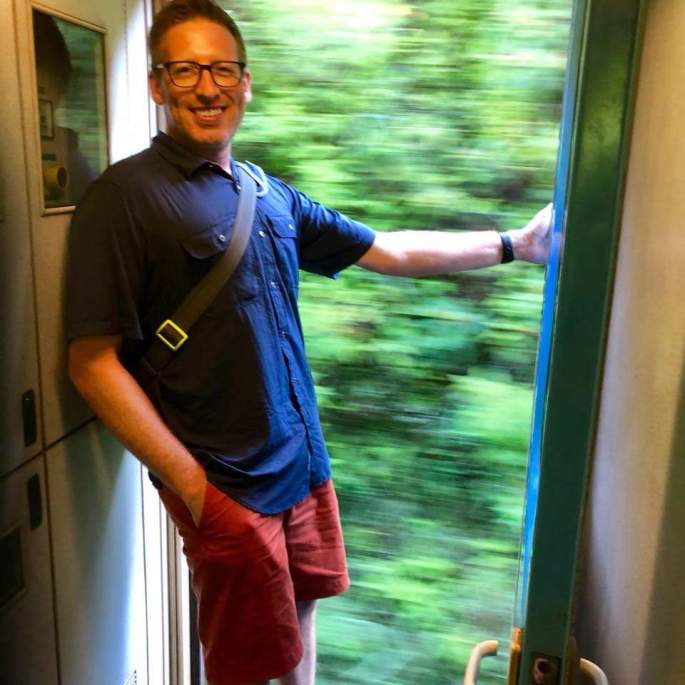
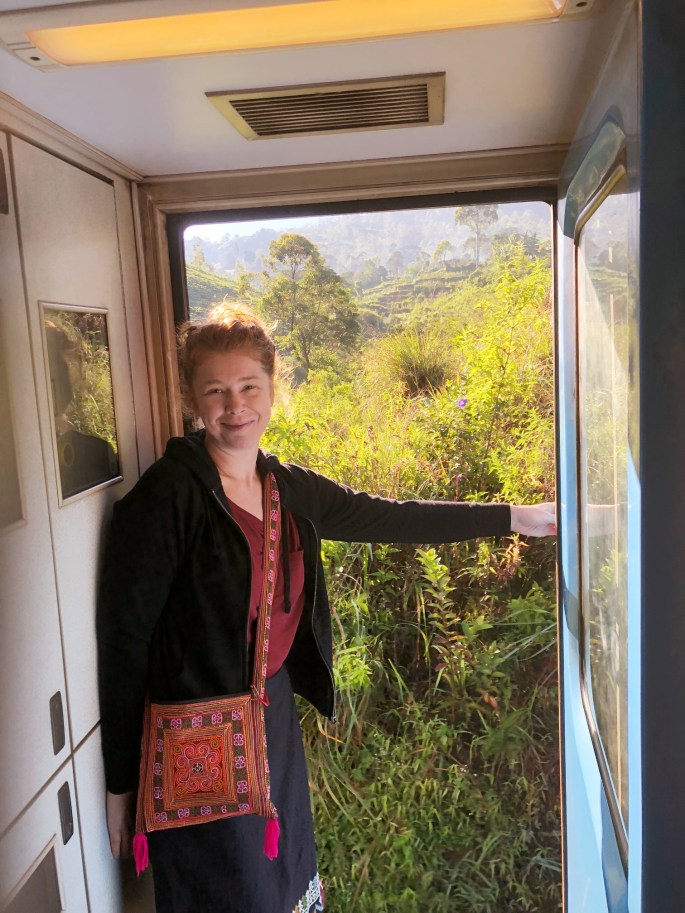
We rode the train from Ella to Kandy, often said to be the most scenic train ride in the world. The tracks led through lush jungle, neat rows of tea and tidy small plots of vegetables. It was a very enjoyable six hours.
After we took these photos, the train attendant made us shut the doors. Apparently a tourist fell to his death only weeks before
We escaped the busy harried Kandy to our guesthouse which was a little outside the city center. Our views were amazing and we say parrots and cranes as we had a front row view of the jungle.
The sun setting, view from our balconyLocal eatery that we frequented daily
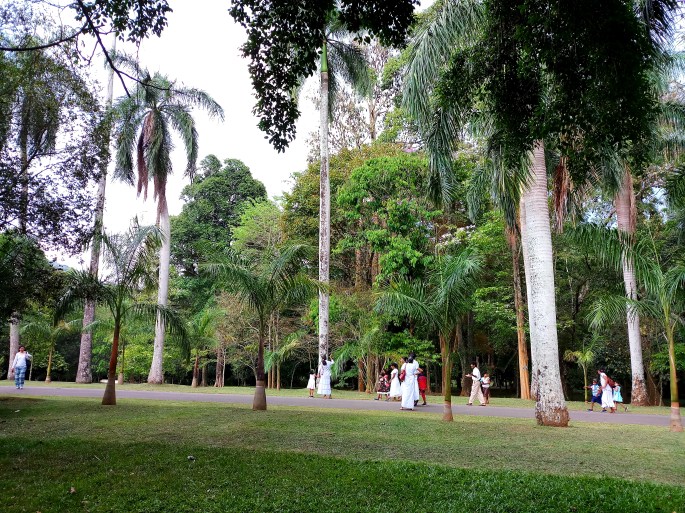
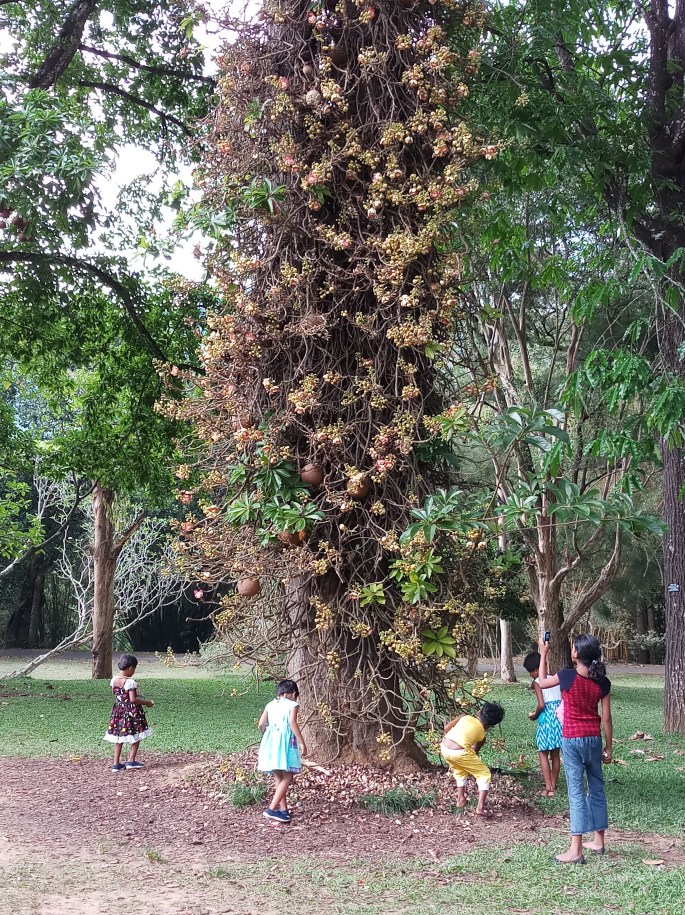
While Shane did the more adventurous climb on Sirigiya, we visited the Royal Botanical Gardens. Like Alice in Wonderland, we walked mouths agape at the huge trees and large magical flowers. The gardens are 147 acres large and cultivate over 4000 species of plants. Huge winged bats fly around and Purple Faced Langur monkeys swing from tree to tree. It is a wonderous experience.
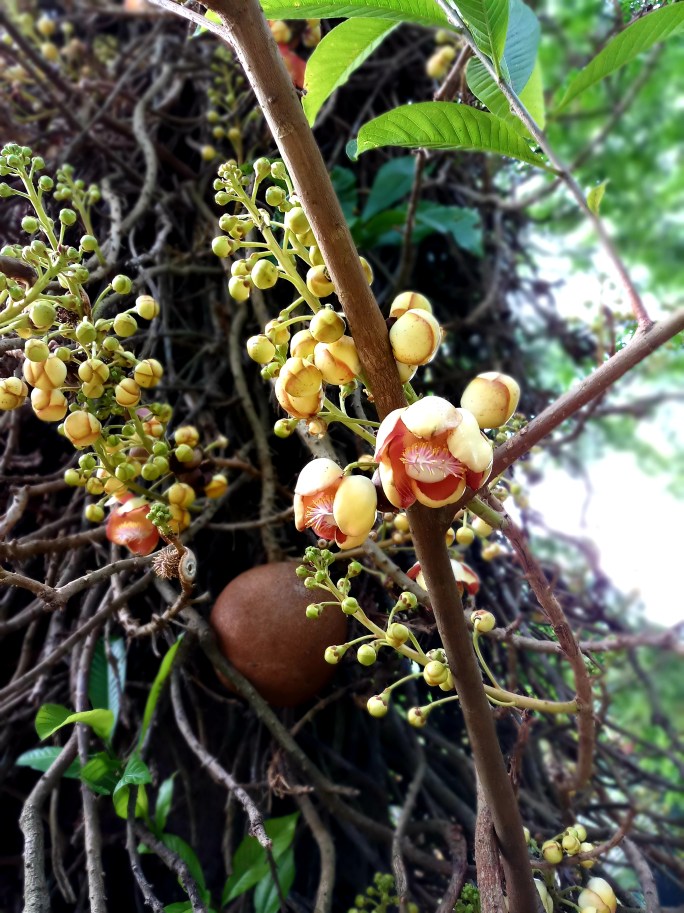
Entry fee is cheap for locals (steep for white folks) and heavily used by families and studentsCannon Ball Tree
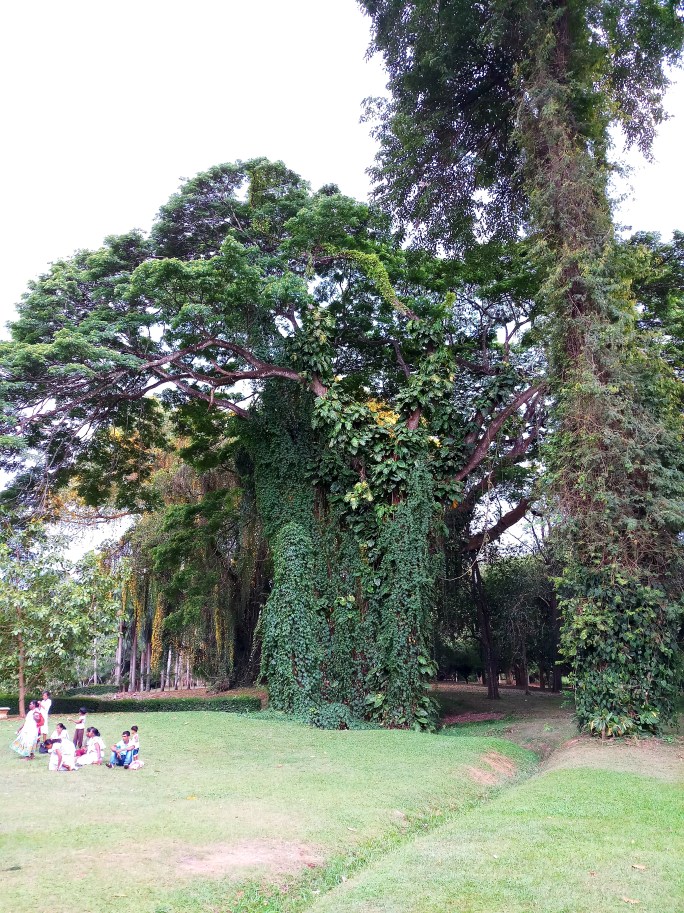
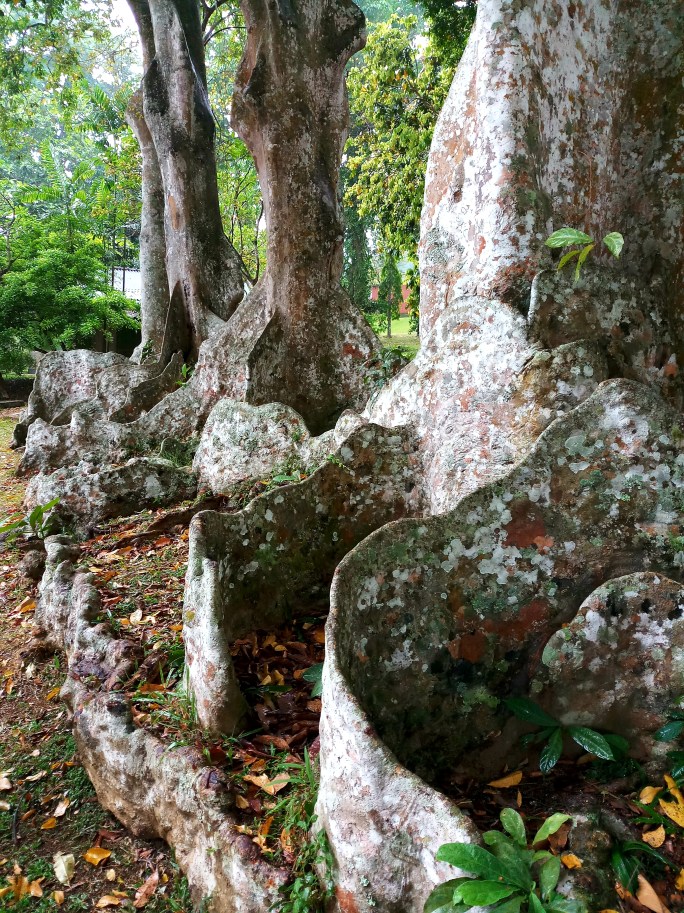
Giant Java Almond, the base roots are hollow
Kandy is where Shane and our family parted ways. It was bittersweet to say goodbye. He was so enjoyable to be with and we will miss him dearly. Onward!





 (This entry was written in early May)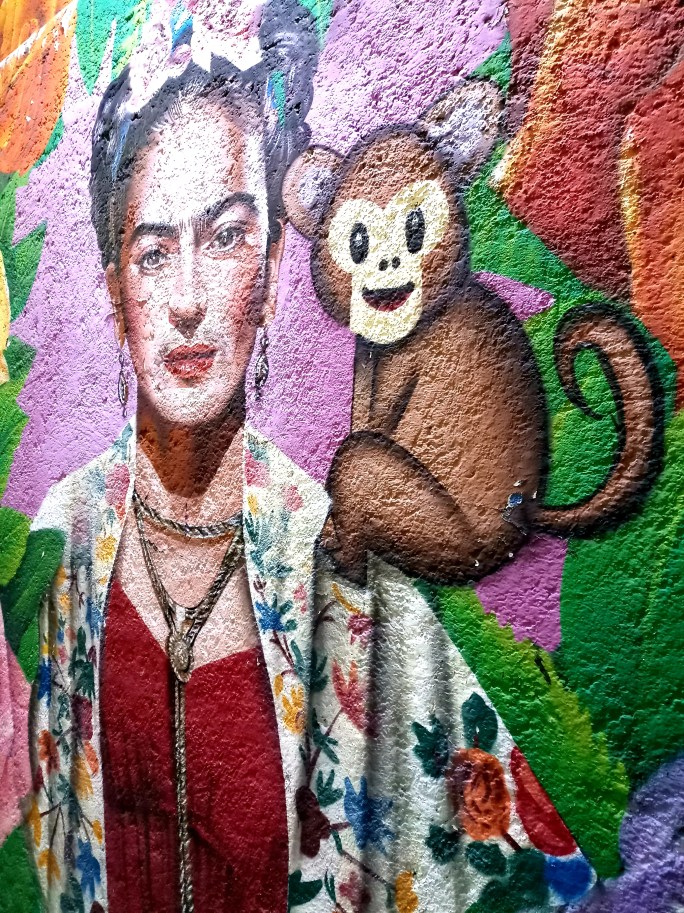





































 Bochner Family Adventure