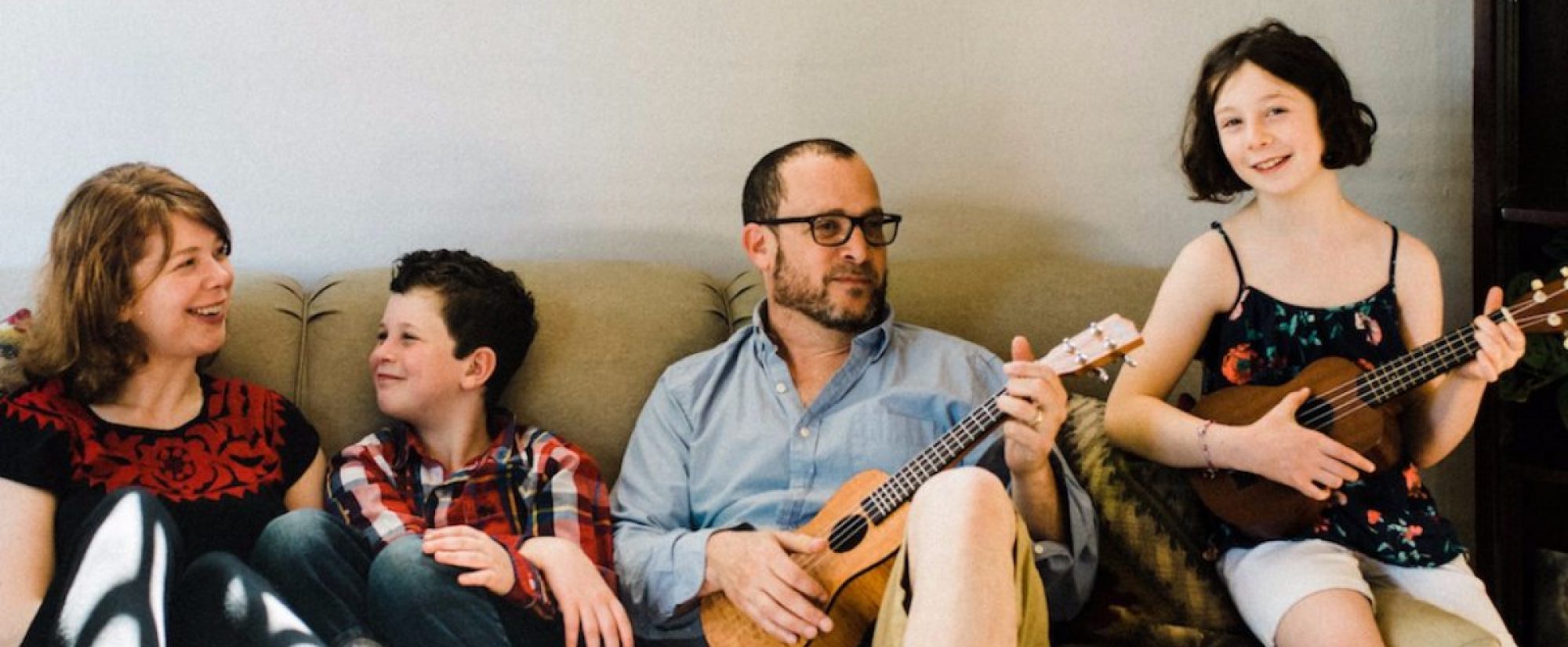
We are a family of four that decided to step off the treadmill of life in Portland, Oregon and travel in Southeast Asia. We will be volunteering, road schooling and slow traveling for a year or more. We have created this site primarily as a journal to document our photos, experiences and thoughts.
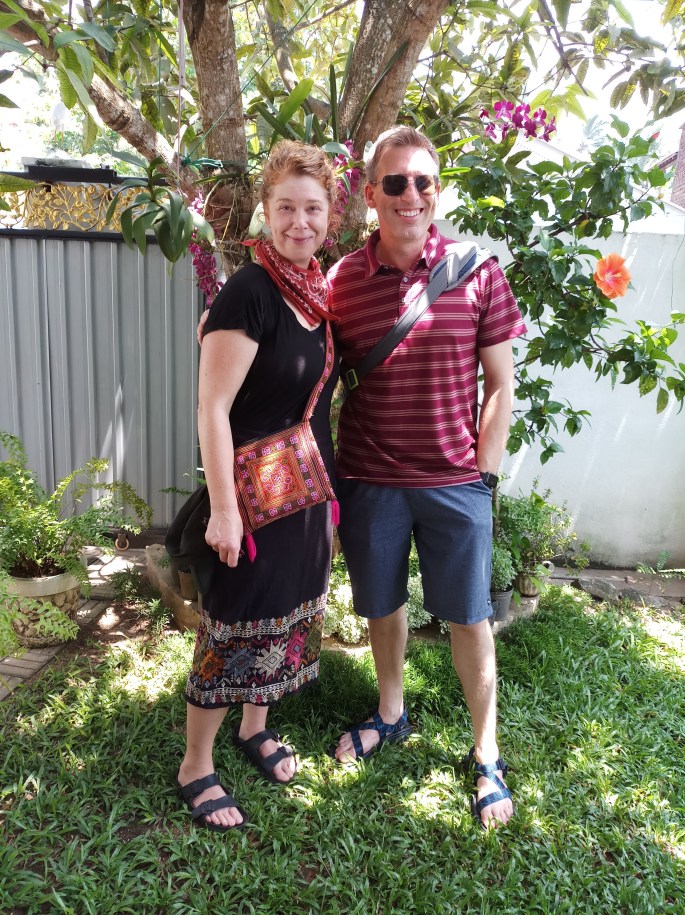
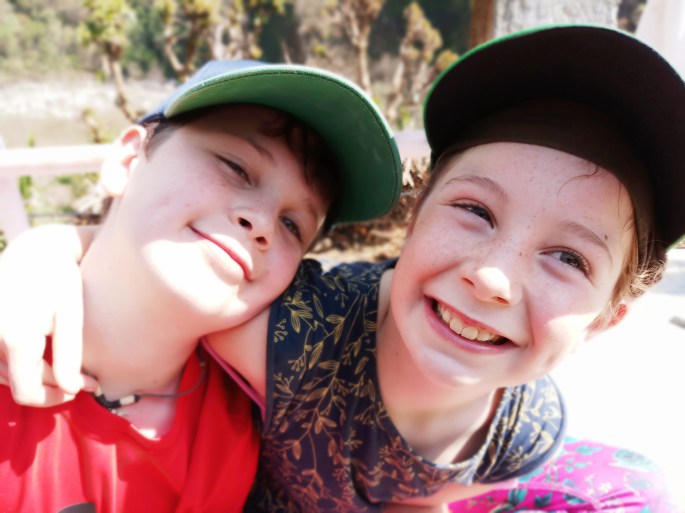
I am an RN, recently worked in the ED, now after 14 years am taking a break to travel and explore. My husband Cork, is a Montessori elementary teacher and we have two children, Jack who is 12 and Addie who is 10.
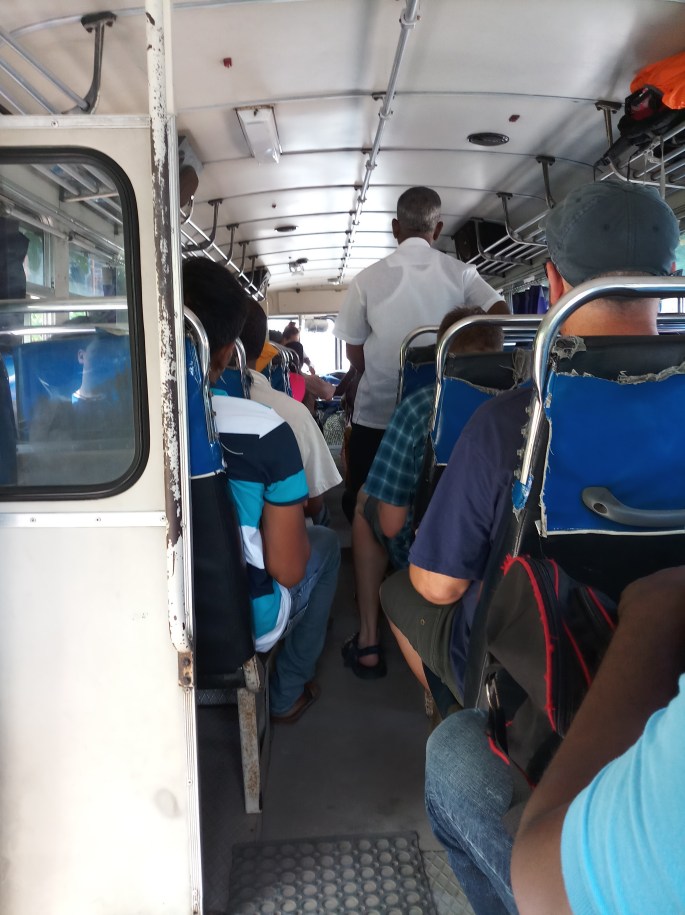
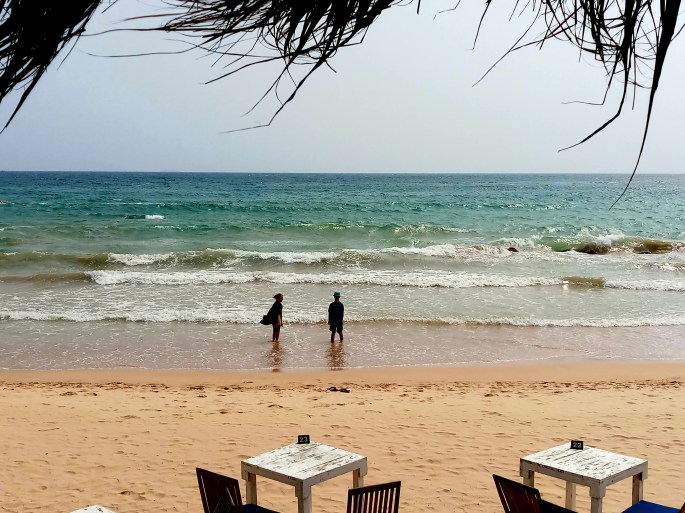
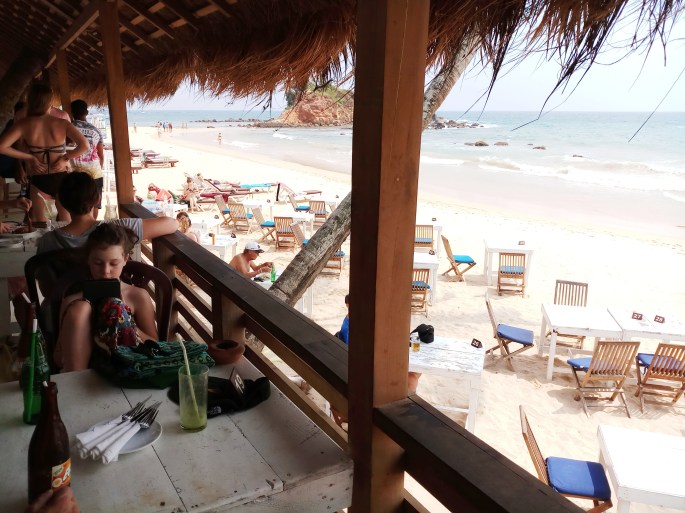
We took a local bus from Galle to Mirissa, a small town on the south coast. It is the largest fishing port on the south coast and truly discovered tourism in the mid 1990s. The civil war largely affected the North and East coasts, so travelers have been coming to Mirissa for some time.
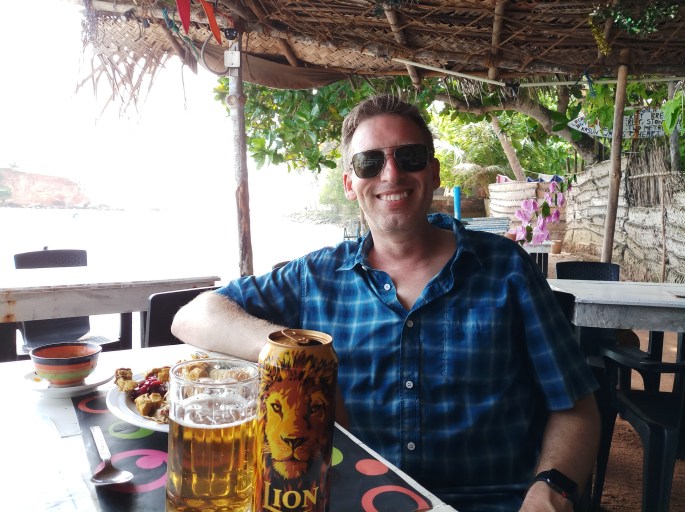
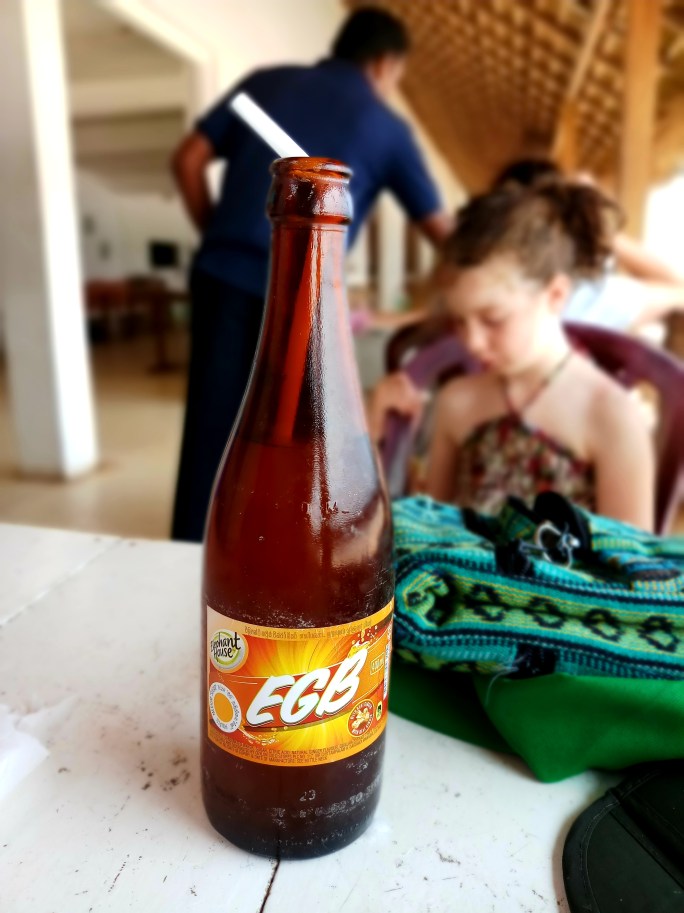
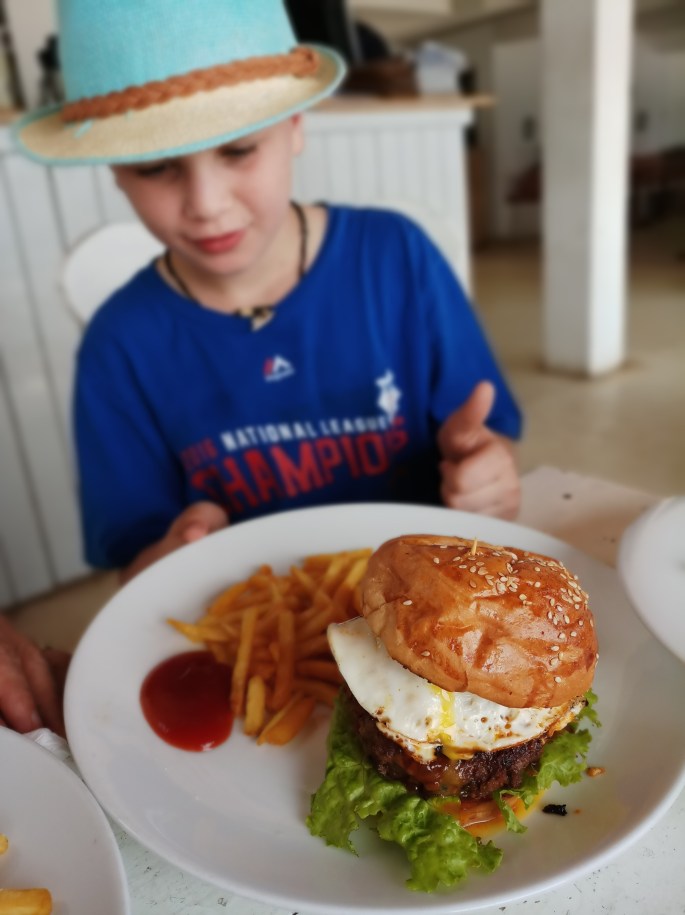
Kids are never happier than when they are in the oceanGinger beer, a staple in Sri Lanka. Its so good!Jack is always looking for that perfect burger
Despite the many good-looking people in bikinis on the beach, it is still extremely pleasant. The sand is clean, golden and the water clear. The waves are large enough that you have to be aware, but the force of them causes a little fear that heightens the fun. A little danger makes everything a little crisper. The undertow is so strong that I have to hold onto Addie when the tide goes out.
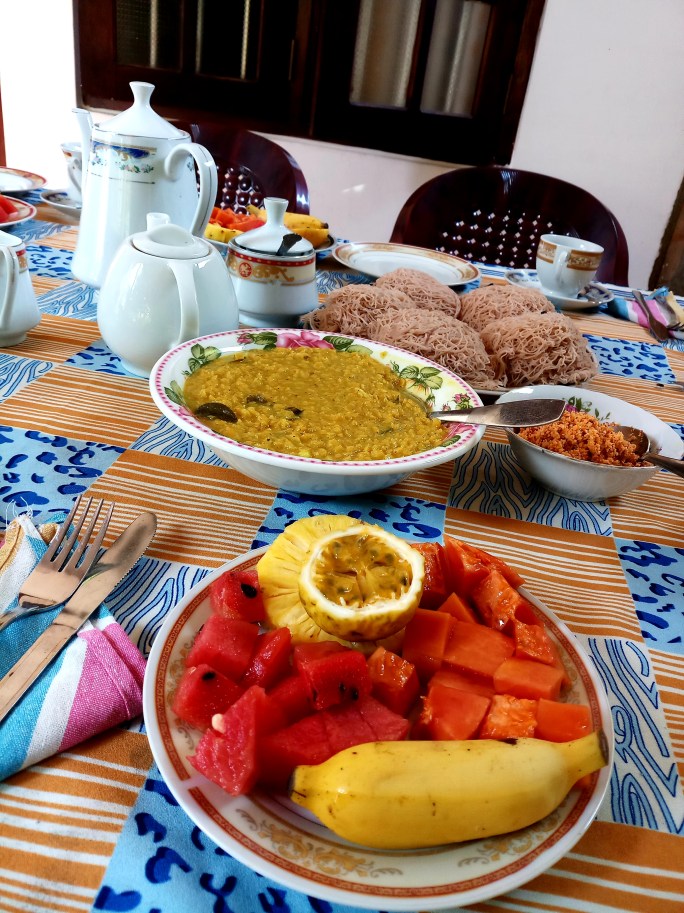
Breakfast at our guest house, dahl, string hoppers (rice noodle patties?),spicy cocconut sambal and egg
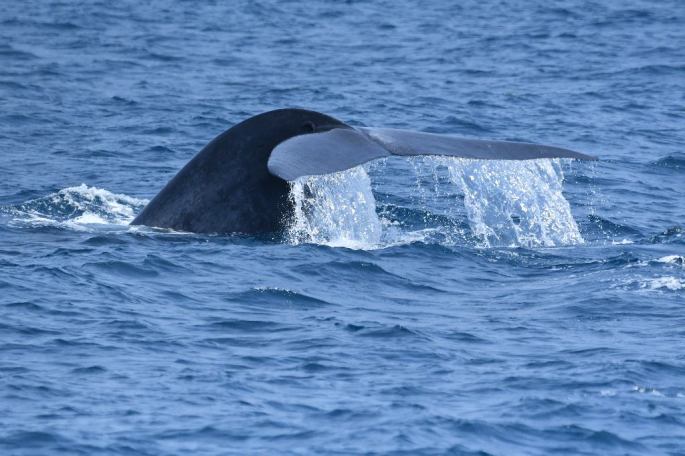
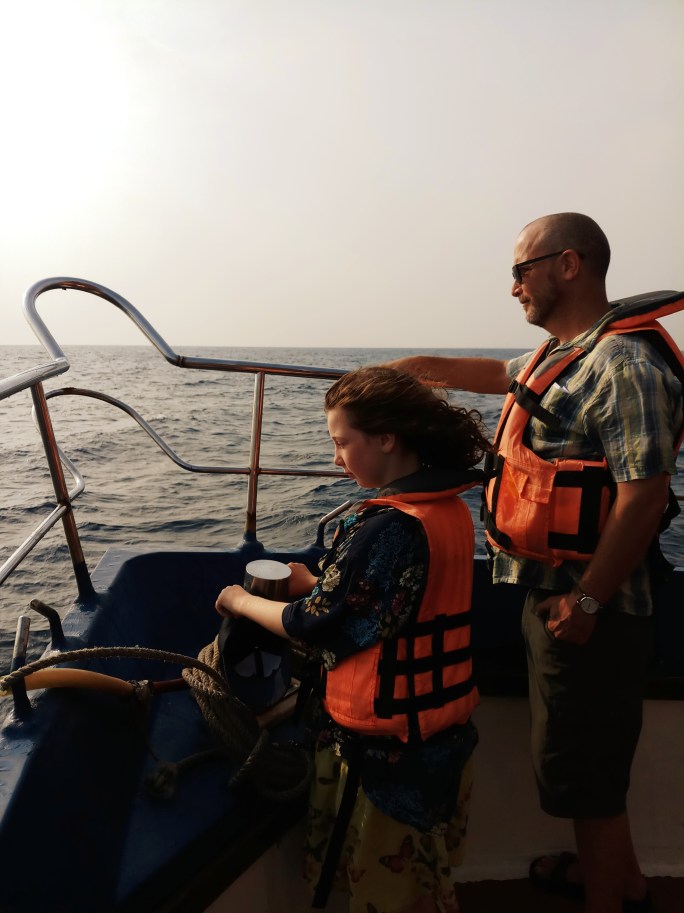
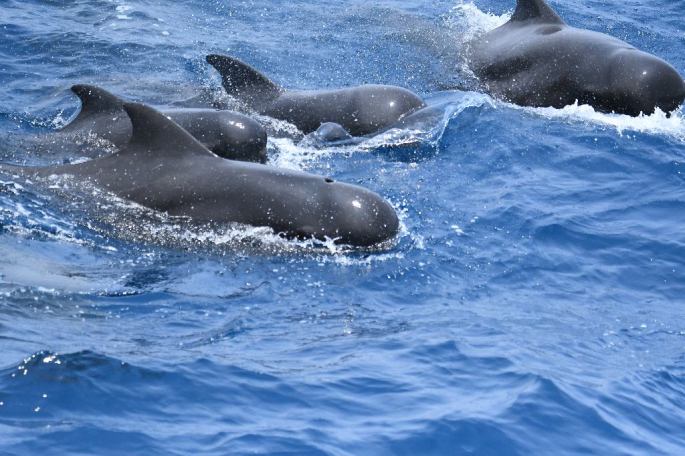
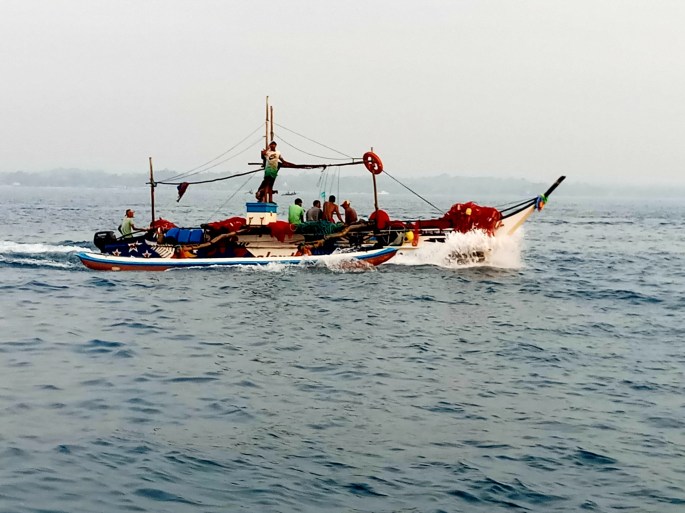
This part of the Indian Ocean is favored by whales as they like to migrate in the warm waters. We did take a boat out and were able to see Blue Whales and Pilot Whales. It was pretty cool to be that far out in the ocean and see these magnificent creatures. The wildlife in Sri Lanka is impressive. We see birds of all colors, monkeys, lizards, crabs and odd bugs. Large industry has not taken hold here and the environment appears quite healthy. However, there are signs that the Chinese have discovered the ports and the are already some huge projects under way. As an outsider I see clearly what Sri Lanka has to lose and I pray that instead of making huge land grab deals with the Chinese they choose eco tourism, as it is so special here. We have not seen a snake which I am not disappointed. More people die of snakebite in Sri Lanka than in any other comparable area. Over 95% fatalities are caused by the common krait. However we have been told that all clinics stock antivenom and that most deaths occur in the North where people seek medical help from traditional healers.
Blue whale diving
Pilot whalesFishing boat
Our days in Mirissa are filled with wave jumping, drinking Lion beer and eating marginal overpriced fish and chips. Not a bad life!
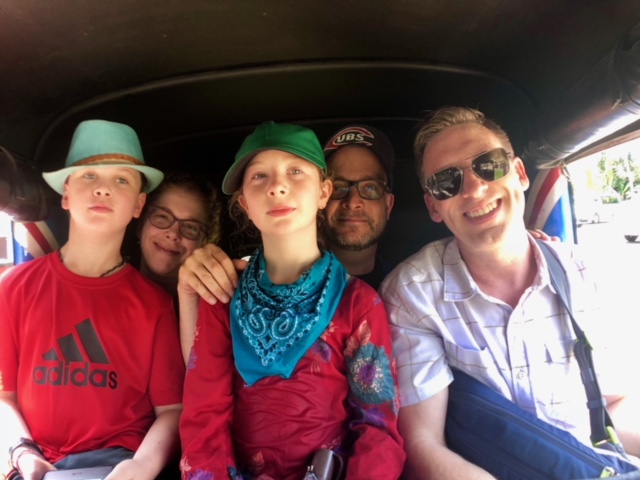
Yesterday we said goodbye to our good friend Shane from Oregon. We have been travelling through Sri Lanka together for almost two weeks and we will truly miss him. Sharing many meals, hot walks, crowded buses, tuktuks and trains…I would say Shane got an intimate view of our family and we were delighted constantly by his quick wit, easygoing nature and adventurous spirit. When you travel with someone you really get to know them well, access in a way that the daily work interactions or social occasions do not grant. It means so much to us that Shane chose to visit us. The whole world was at his hands, and he chose to hang out with our family for his vacation!
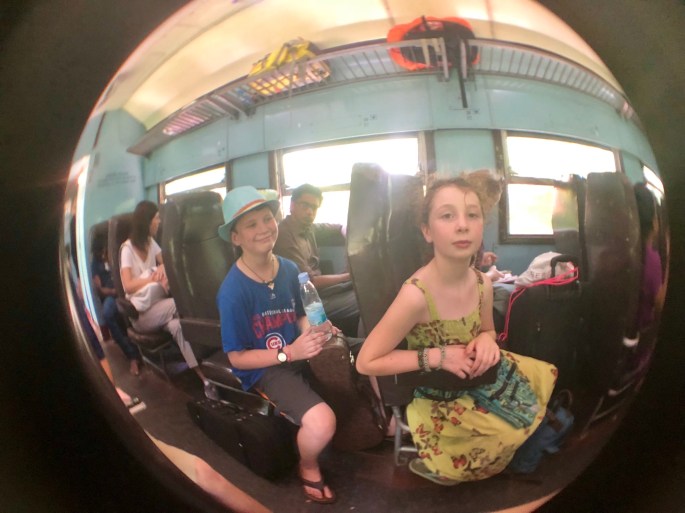
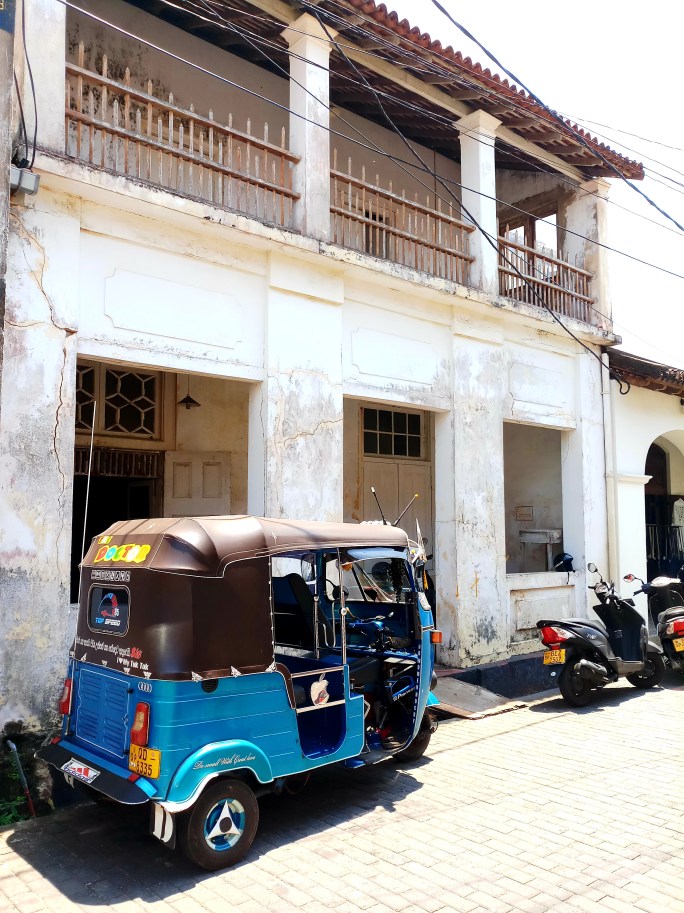
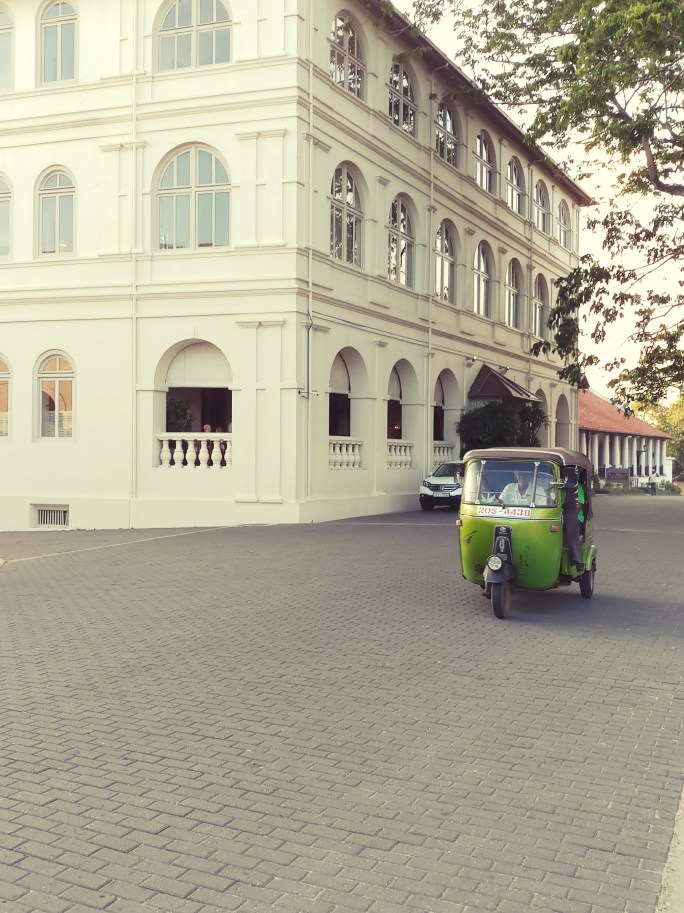
Our first stay included a crowed 3.5 hour train ride along the coast to Galle, a town built by the Dutch in 1649. Galle is a very important port in Sri Lanka and the old town, Galle Fort is colonial Dutch jewel, deemed a heritage site. However, Galle Fort is not only a tourist destination, with cafes and boutique hotels within restored Dutch buildings, but also a working village with school children and local people going about their business. The 2004 Tsunami hit this city hard, thousands of people died in the city alone. In fact, the train along the coast to Galle, was the line that was hit by a huge wave, killing over 2000 people as the packed train was flooded and toppled. In Sri Lanka, 30,000 people died during the tsunami, but I do not remember hearing about the impact to Sri Lanka. In fact, one does not hear much about this amazing island.
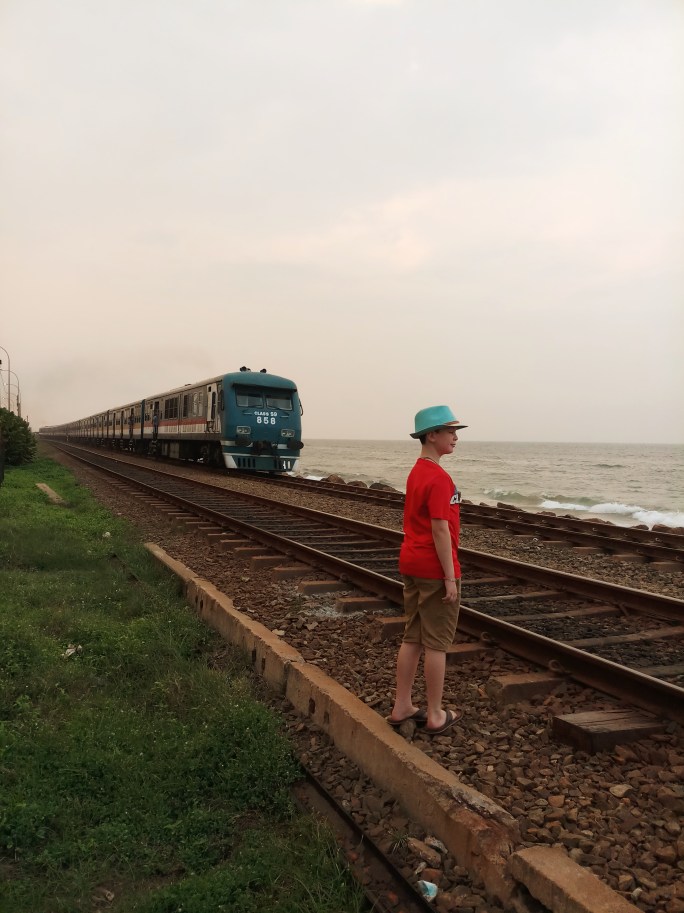
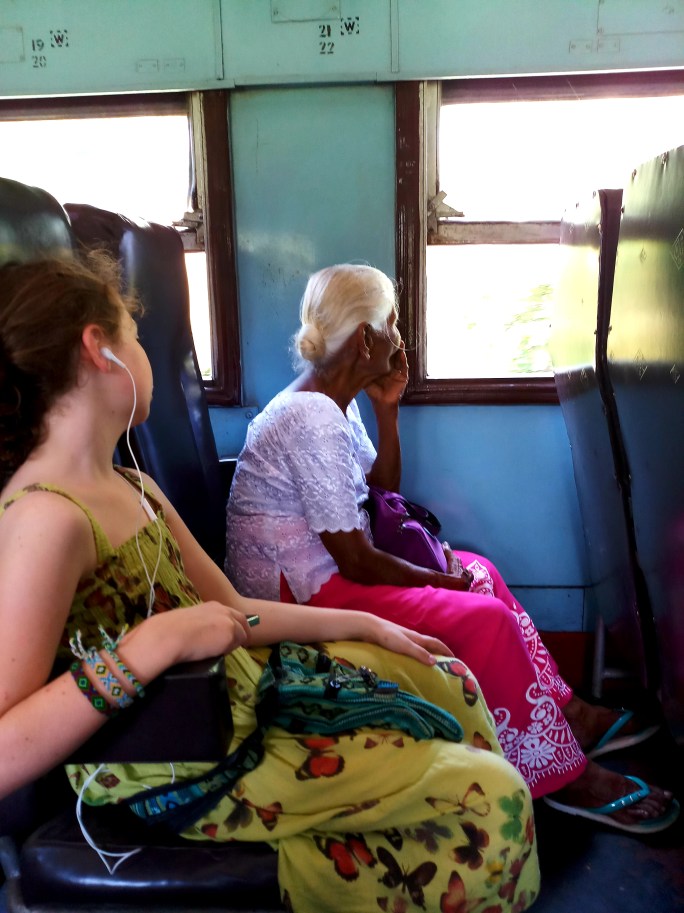
The train lines in Sri Lanka are heavily used and are a left over gift from British colonial rule. The British relinquished control of Sri Lanka in 1942. The train is ridiculously cheap ($1.50) for a 4 hr ride, and is often a free for all, with no seats reserved, just pile in. Shane and the boys sat in between cars with their bags for most of the ride.
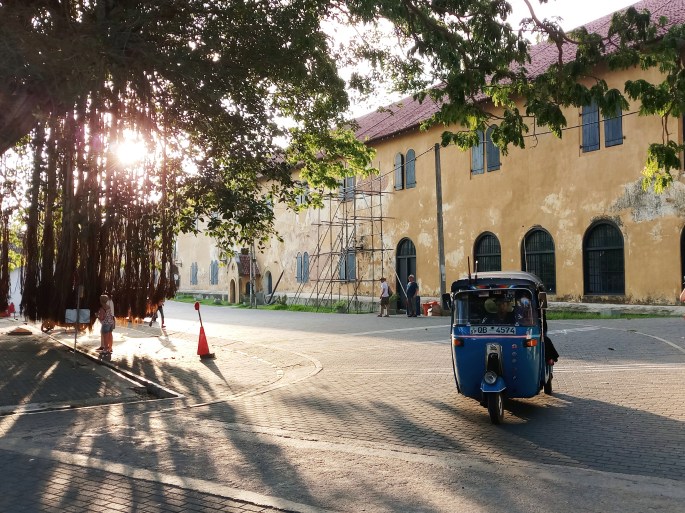
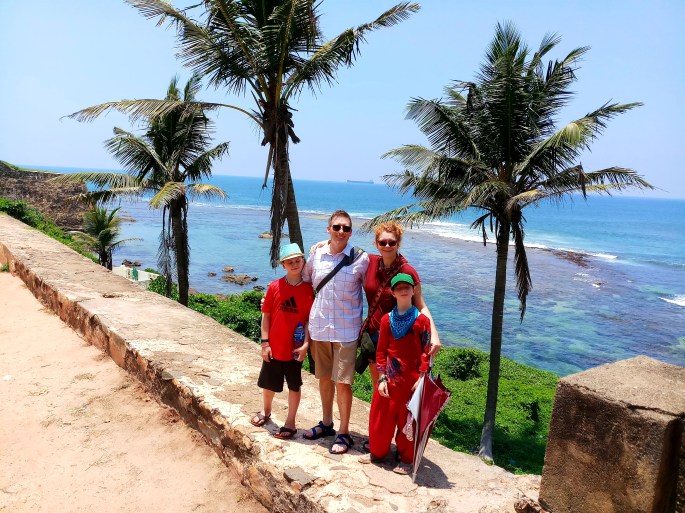
Galle, first colonized in the 15th century by the Portuguese, then built into a stone and granite fortress by the Dutch in the 16th century, is a quaint sophisticated little oasis from the heat.
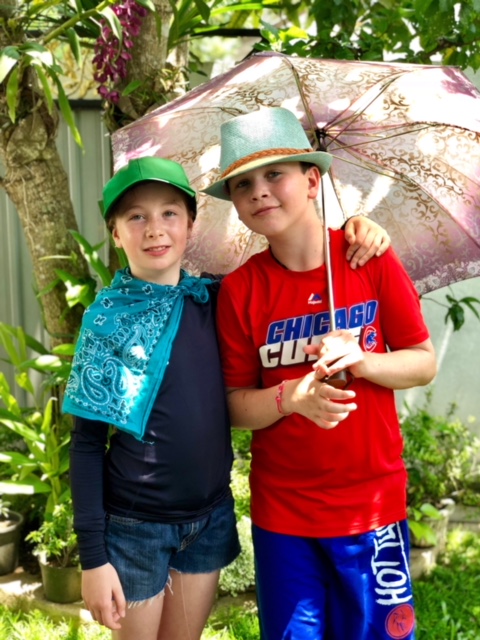
Hats are scarce in these parts, except for little girls. However, all the women walk with umbrellas…including Addie
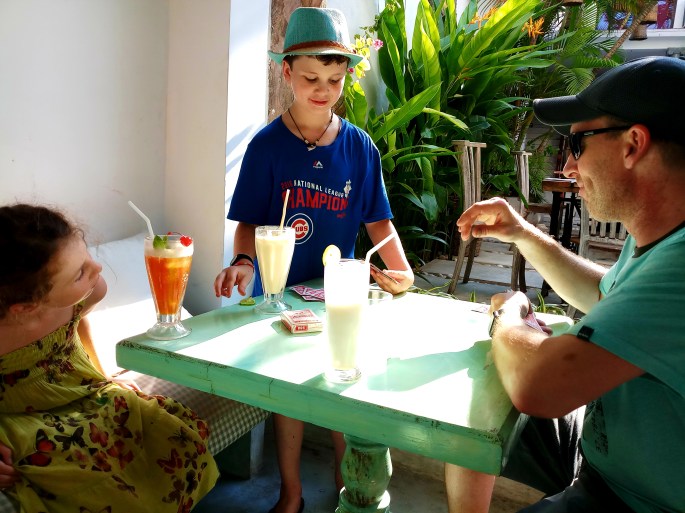
Card playing with Shane
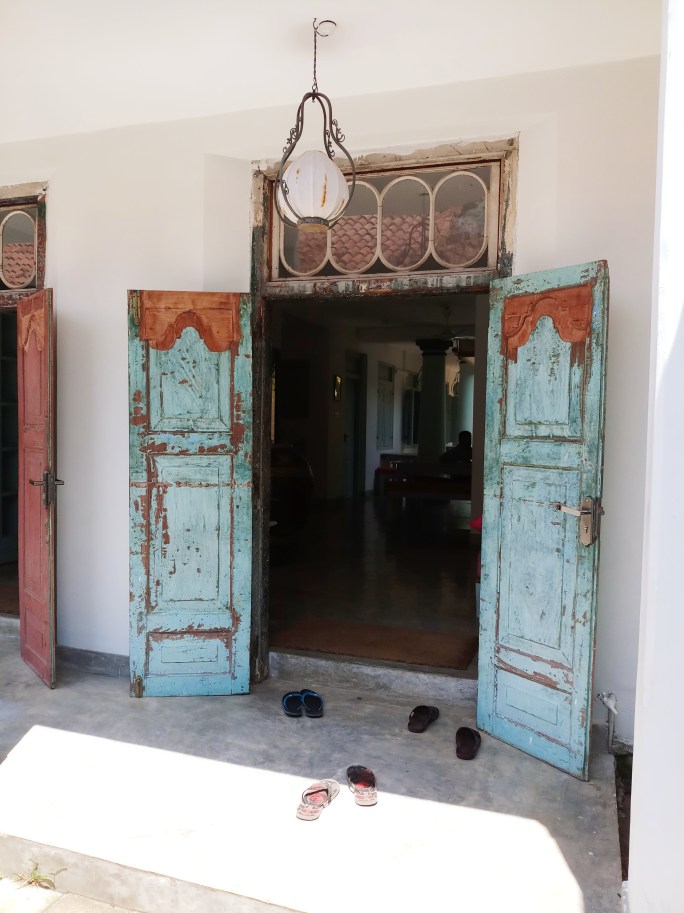
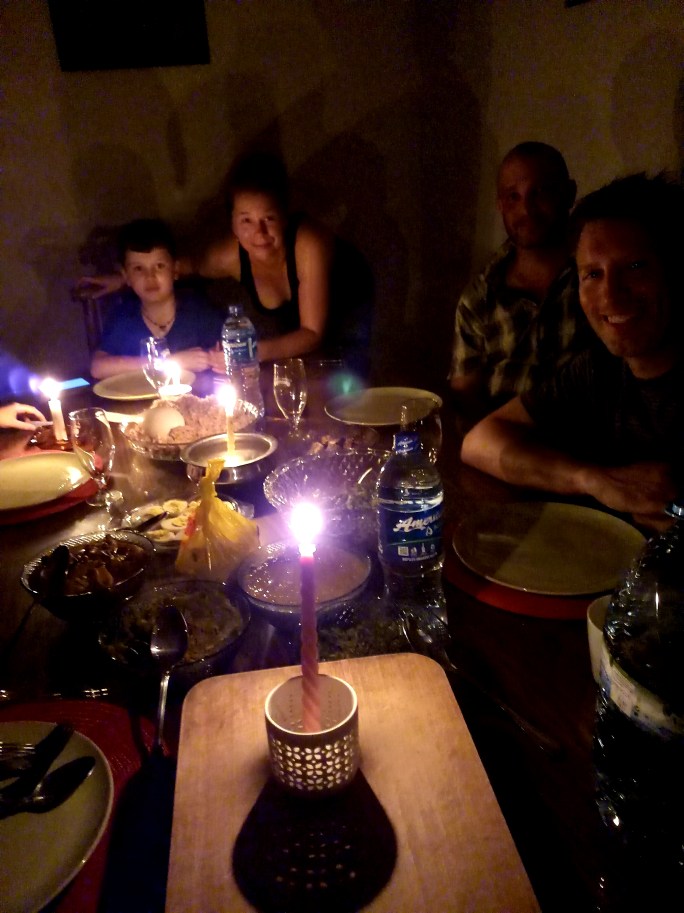
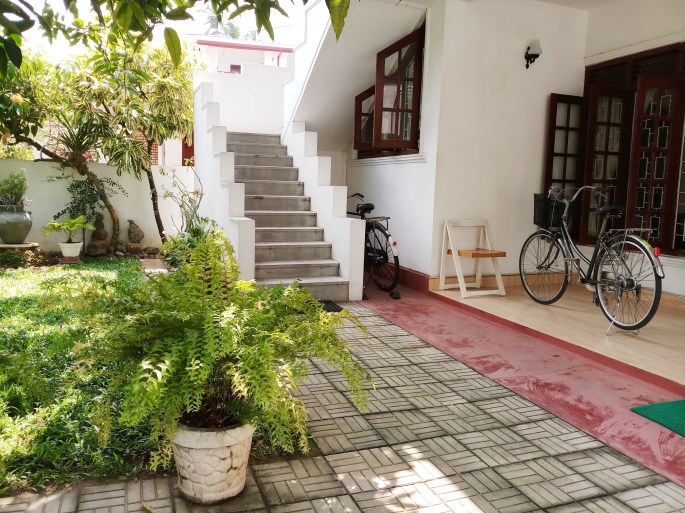
Our airbnb was a large villa that we enjoyed. Sri Lanka is hot and humid now, the day we arrived there was no electricity until 8pm. We were all hot and grumpy from the long day of travel. However, the A/C saved us at night, as are rooms were ice-cold. We had some of the best food cooked by our host, spicy green beans, dahl, chicken curry.
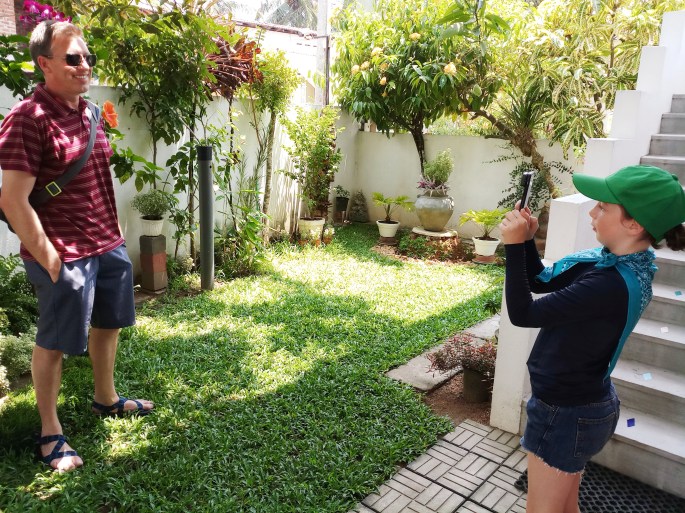
Hot and humid candlelight dinner, not by choiceThe front of our airbnb in GallePhoto shoot
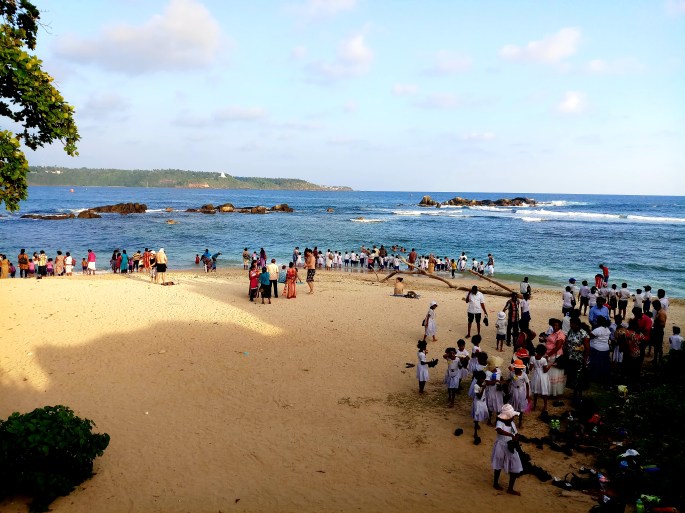
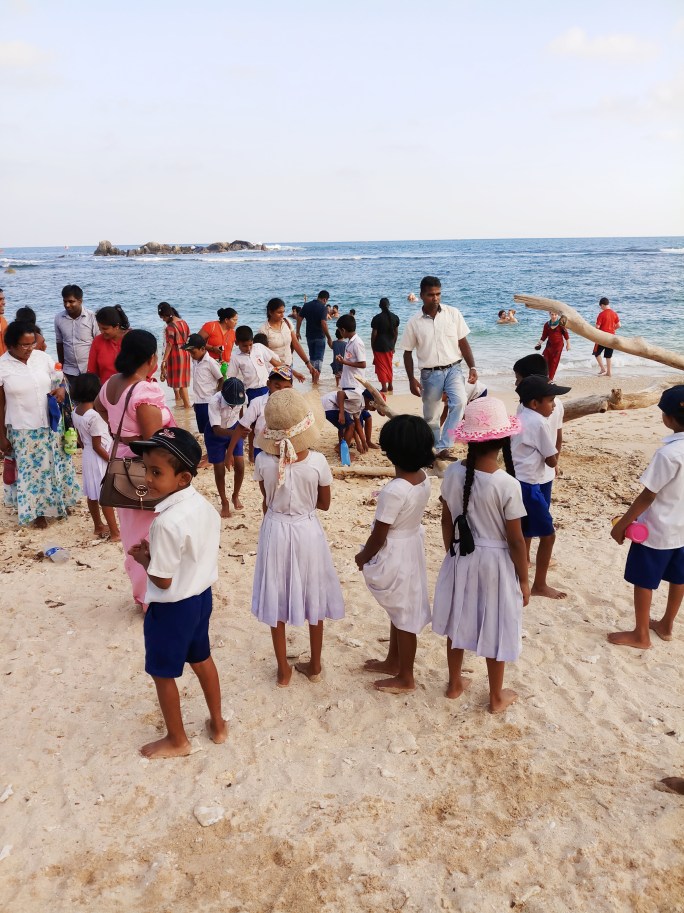
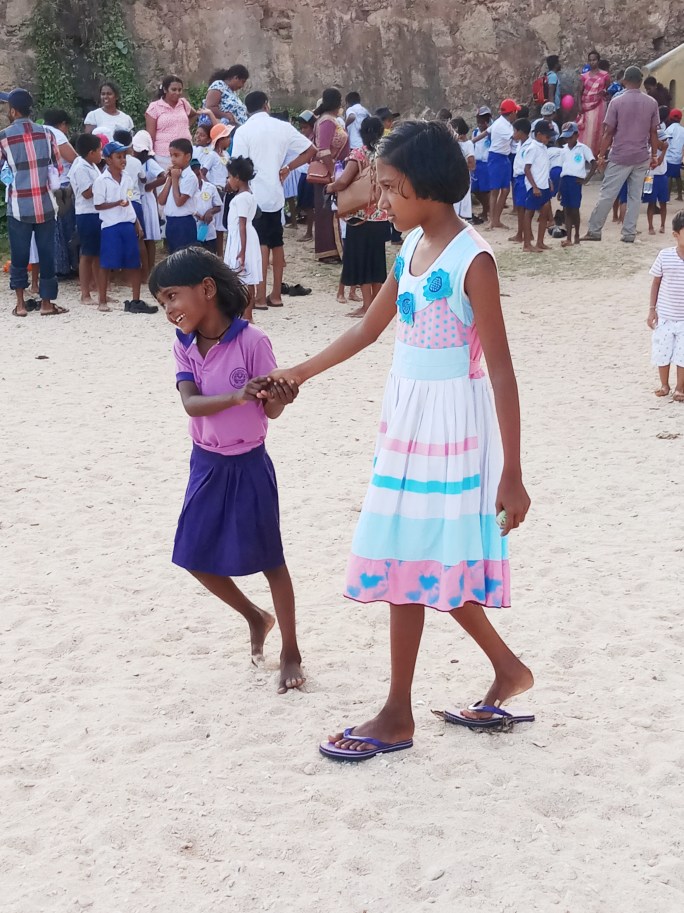
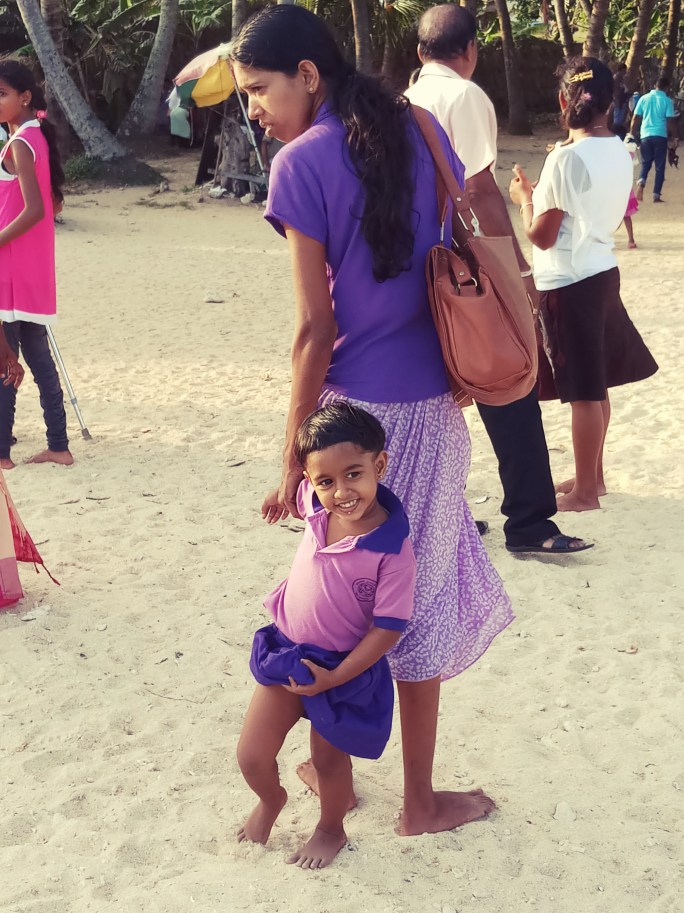
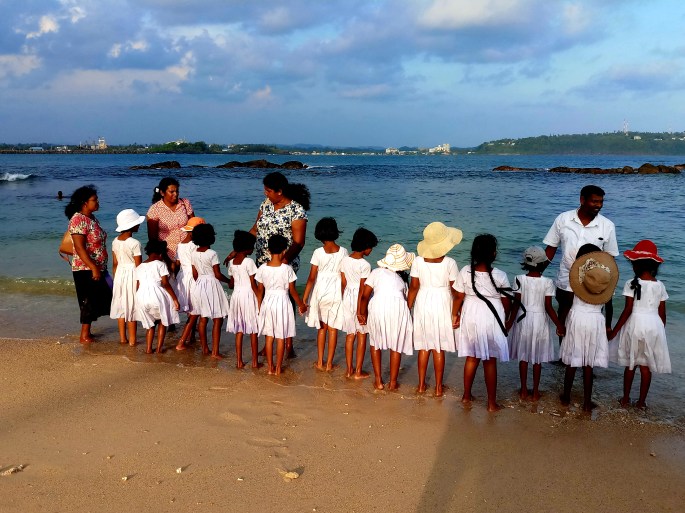
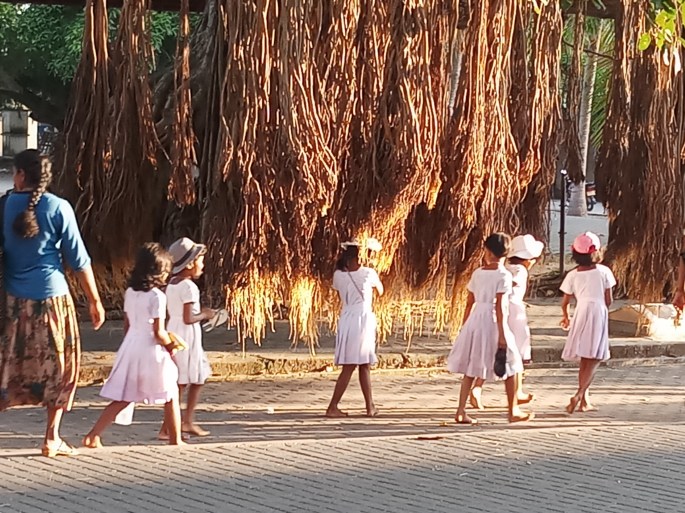
We discovered the local beach where all the school children go after school. We also enjoyed swimming fully clothed. No need for swimsuits in such a warm climate. In Sri Lanka all of school children wear white, after grade 1, before white and blue. Against the verdant tropical background they are striking.
It is worth noting that the second leading cause of death in Sri Lanka is drowning. That may be why the schools make a point of bringing the children to the ocean so they become familar. There are some large waves and rip tides in Sri Lanka.
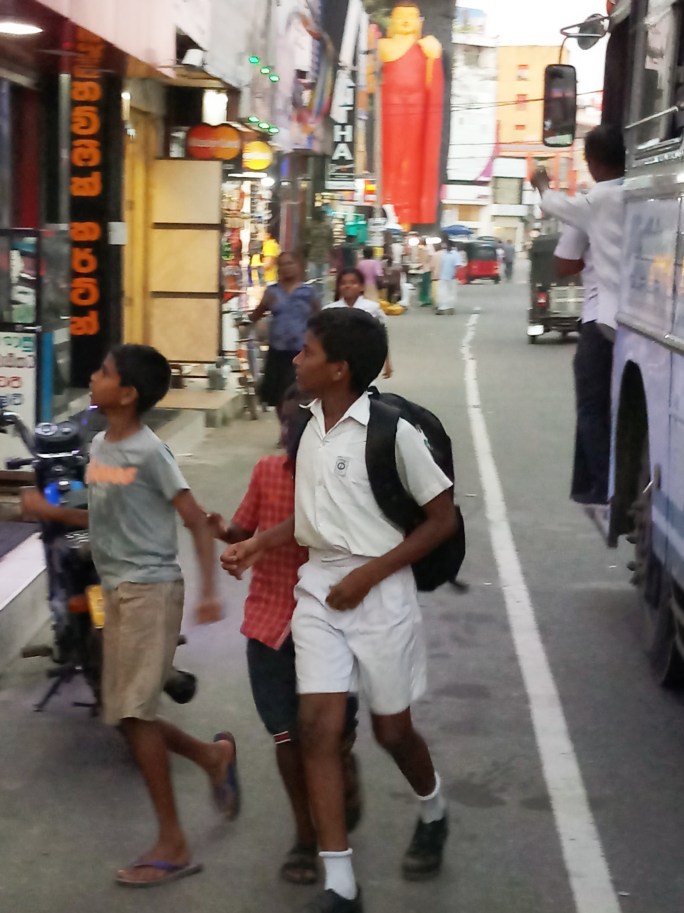
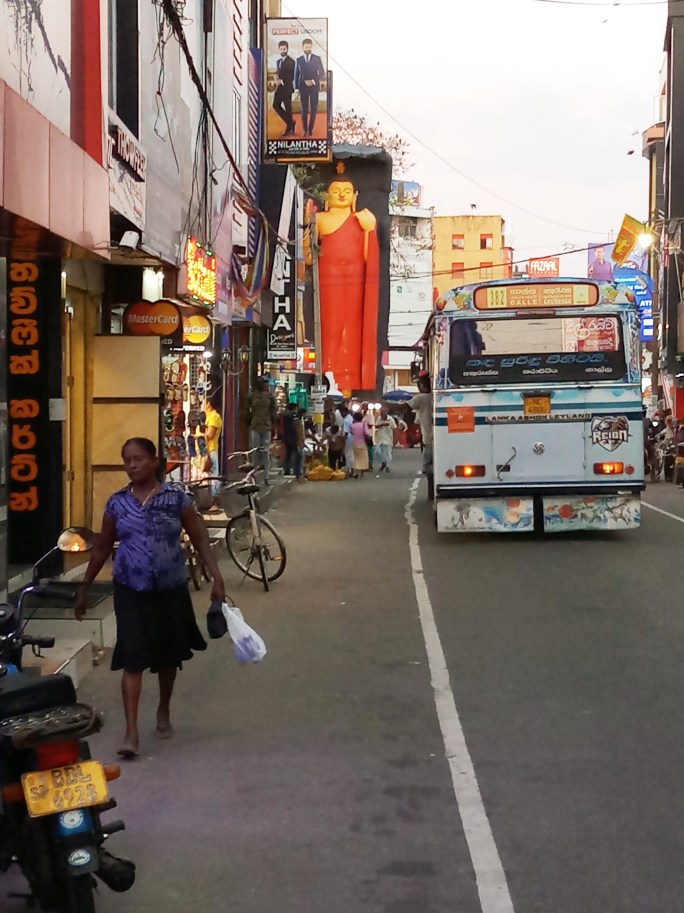
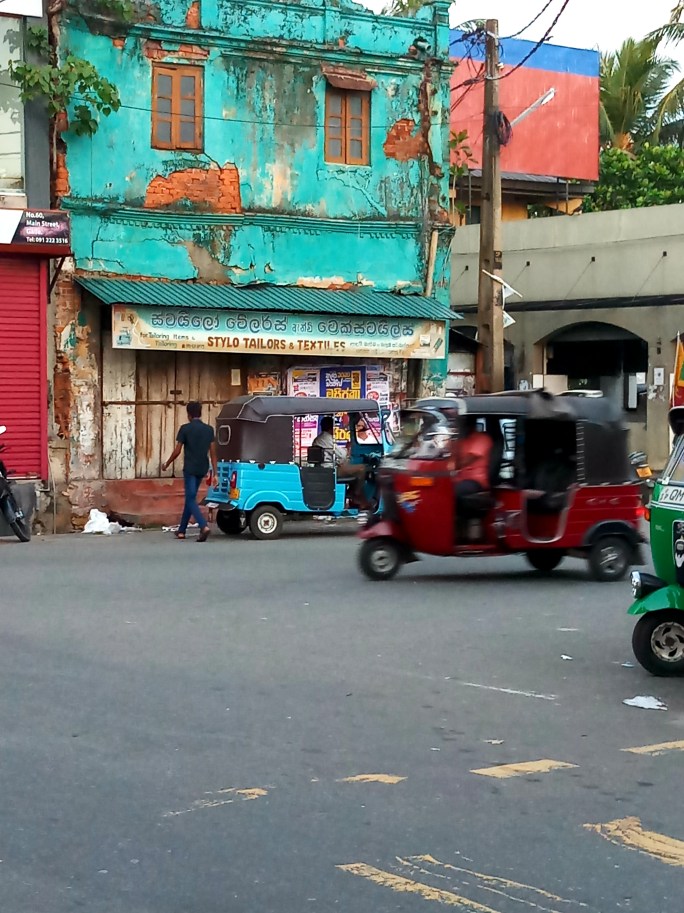
Outside of the Fort walls, Sri Lanka is a chaotic colorful mix of action. Buses barrel by you, people calling out their wares and TukTuks honking. Our daily walk into town is an overwhelming and enjoyable assault on the senses. People refer to Sri Lanka as “India Light”, the low-calorie version.
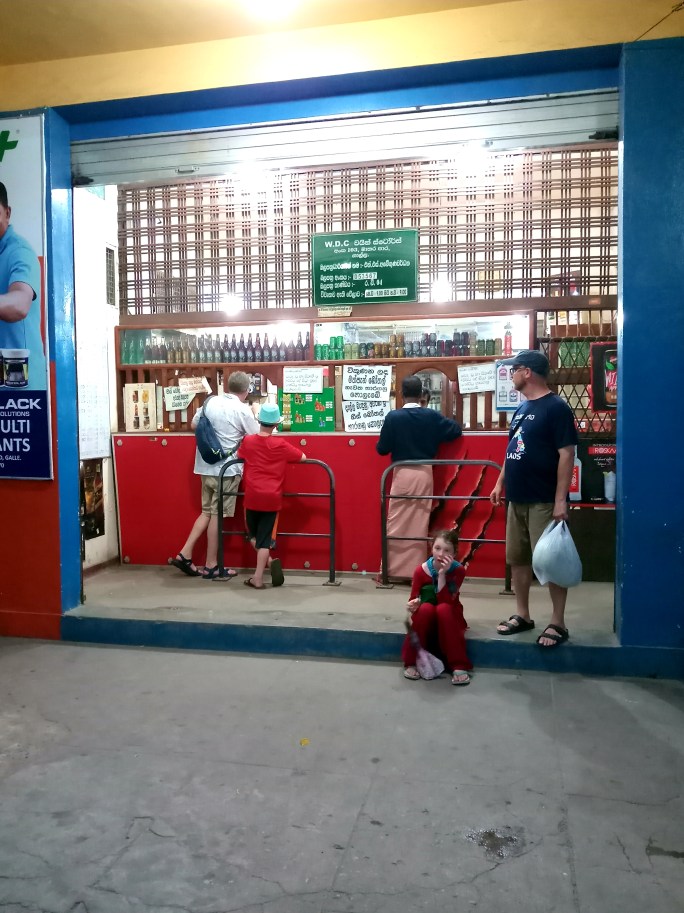
Alcohol is only sold at liquor shops, which are not the easiest to find
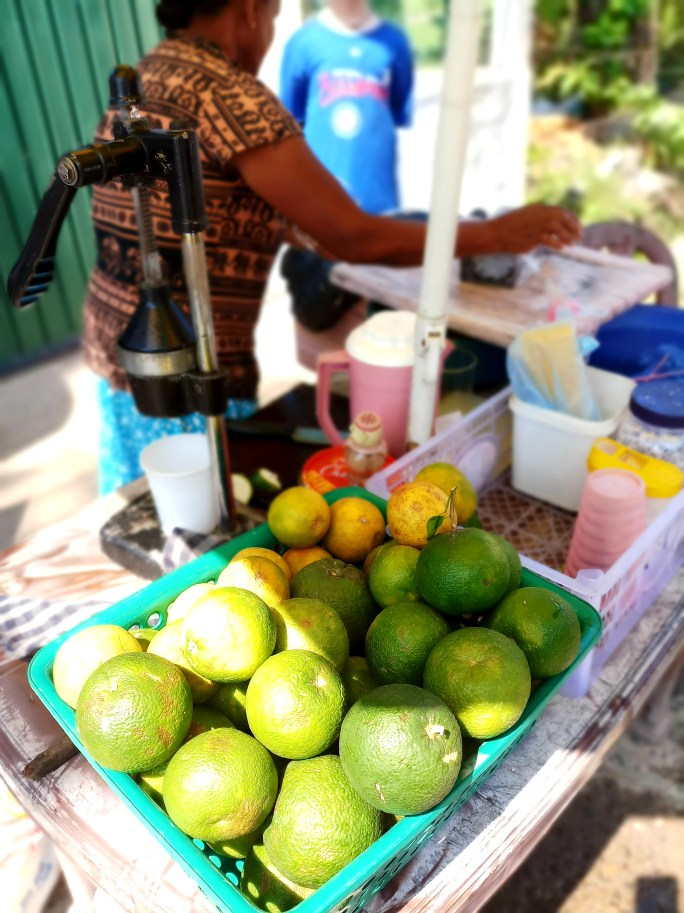
Lemonade road stand, more salt than sugar
We had low expectations of Sri Lanka. Not known to many, having not been open to travelers due to 26 year civil war which only ended in 2009. The war caused significant hardships for Sri Lanka, and it is estimated over 100,000 people were killed during its course. We did not know what to expect. Having heard various travelers describe it as dirty, male dominated, overly spicy food and expensive. However, we are finding Sri Lanka to be a real tropical paradise. The people are friendly, the food delicious and the country is far cleaner than most of Asia. The skies are blue, even in the big cities and houses and farmland are neat and orderly. Off the tourist path, the food is cheap and tasty. Local trains and buses are dirt cheap and plentiful. The history of colonialism is bloody and complicated, however the British have left a legacy here that includes tea and coffee served in elegant ceramic sets, solid working infrastructure and large open city parks and lakes used heavily by local people. We are pleasantly surprised.
Roadside curd. Yogurt made from water buffalo. Served from rough fired ceramic disc’s with sweet amber honey
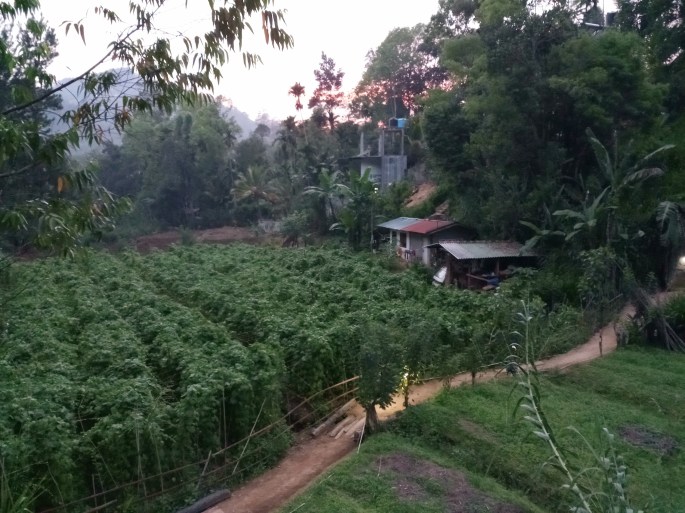
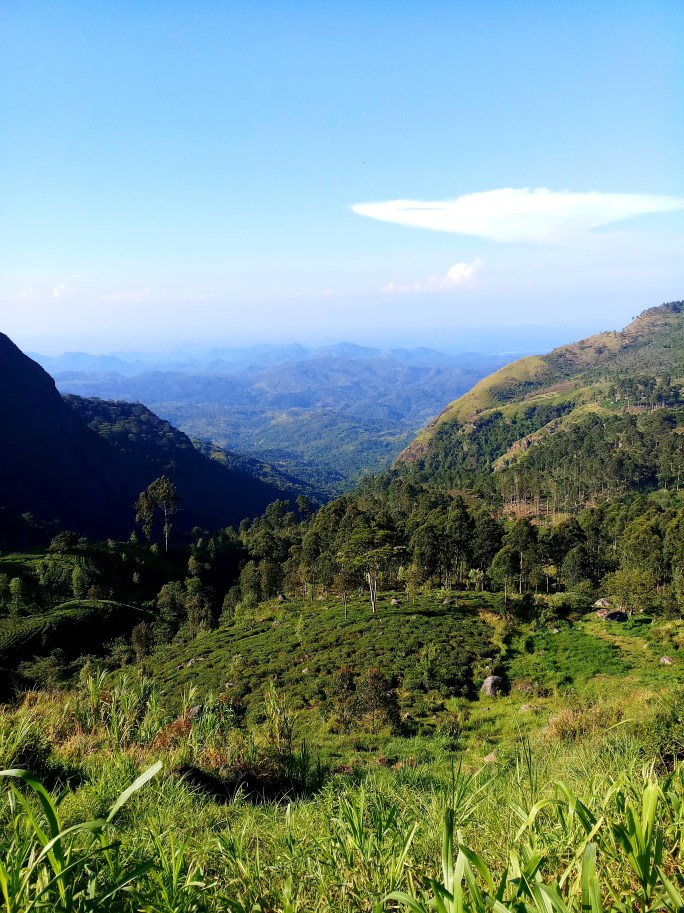
View from our homestay where we stayed with and were cared for by the nicest family. Our homestay was a 10 minute walk to Ella town with is a short strip of restaurants and stores, fairly ugly and noisy. It’s nice to be a bit removed. Despite the unappealing Ella mainstreet, the surrounding area is gorgeous. There are shades of green that I never knew existed.
Not exactly undiscovered!
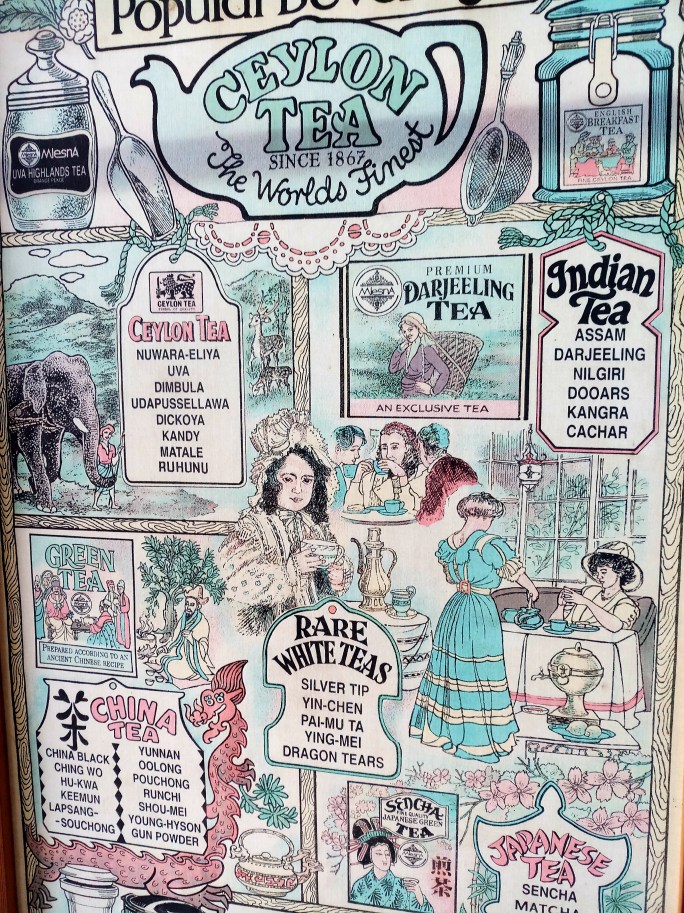
Ella is known for tea. In Sinhalese, Ella means “water fall.” There are indeed many waterfalls in the area. The area is surrounded by hills covered with cloud forests and tea plantations. A cloud forest is a tropical forest that is frequently covered by low level mist. The biodiversity is very rich.
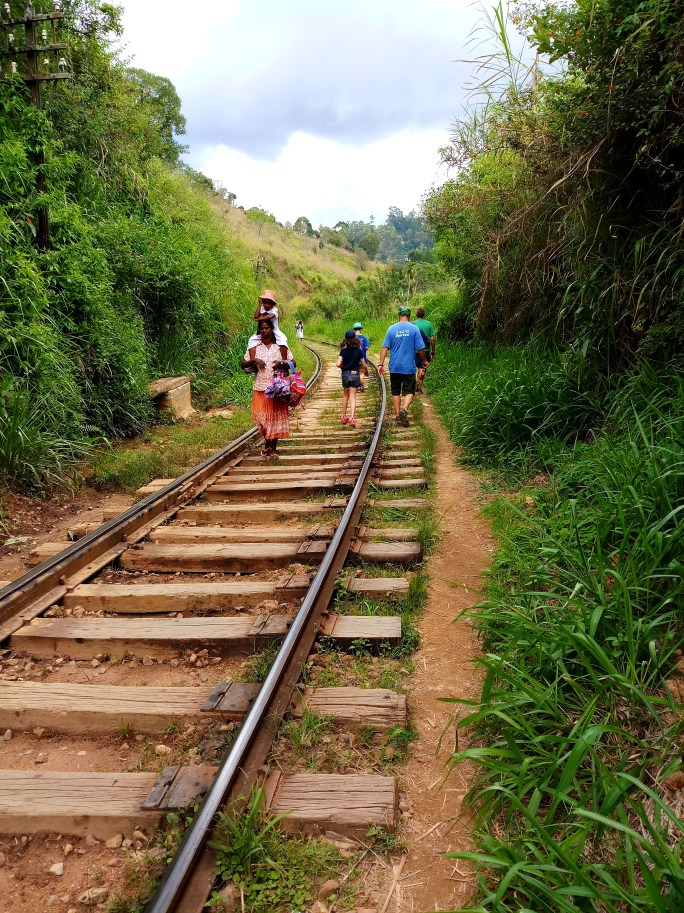
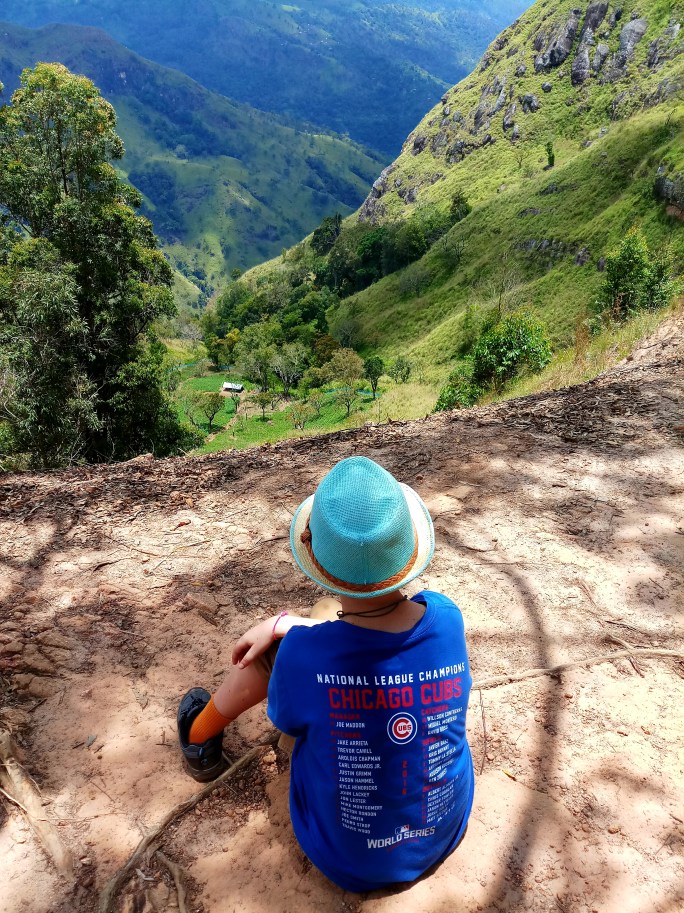
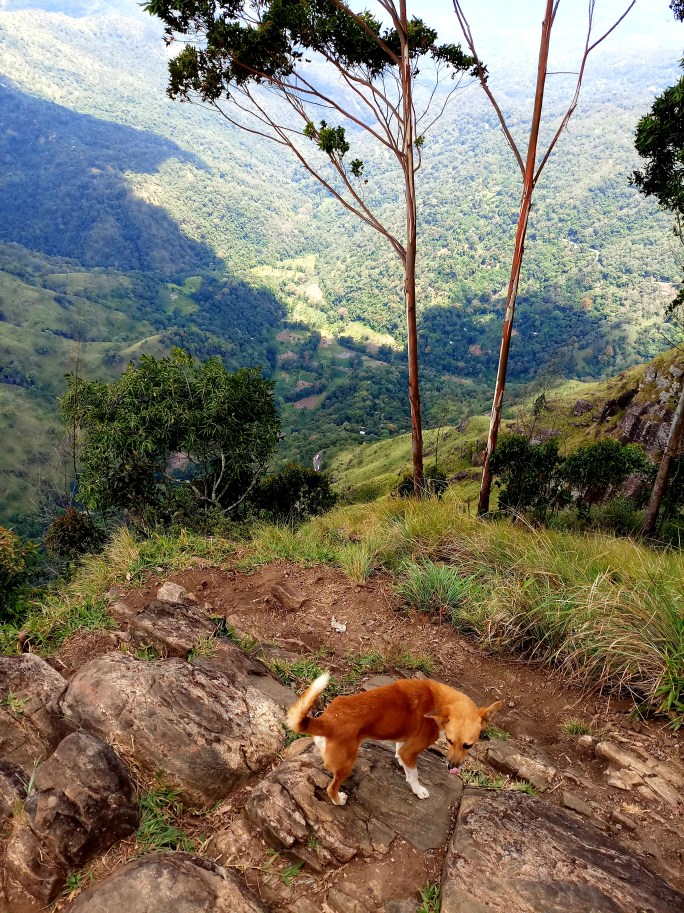
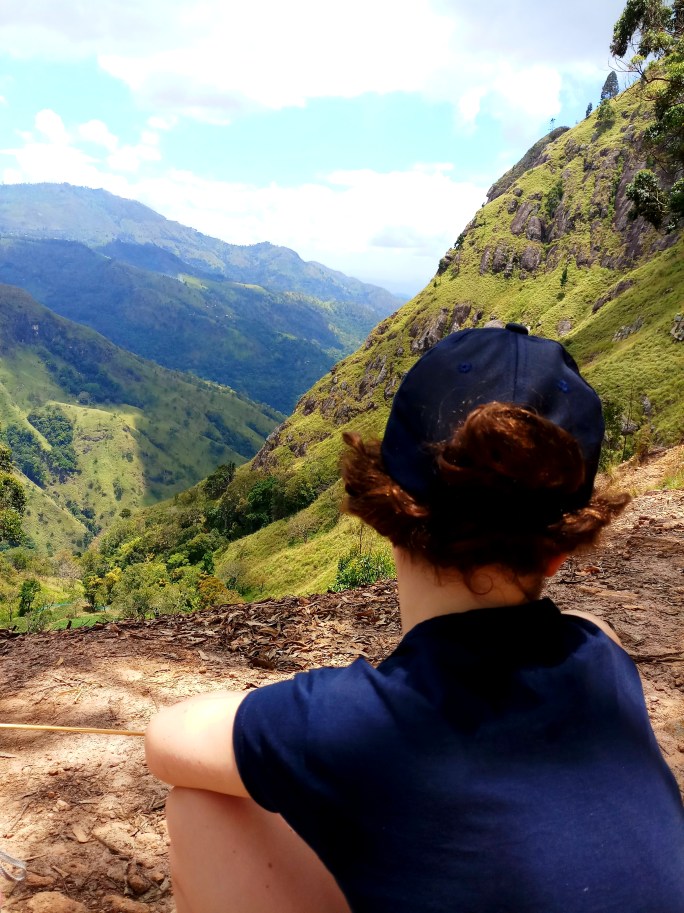
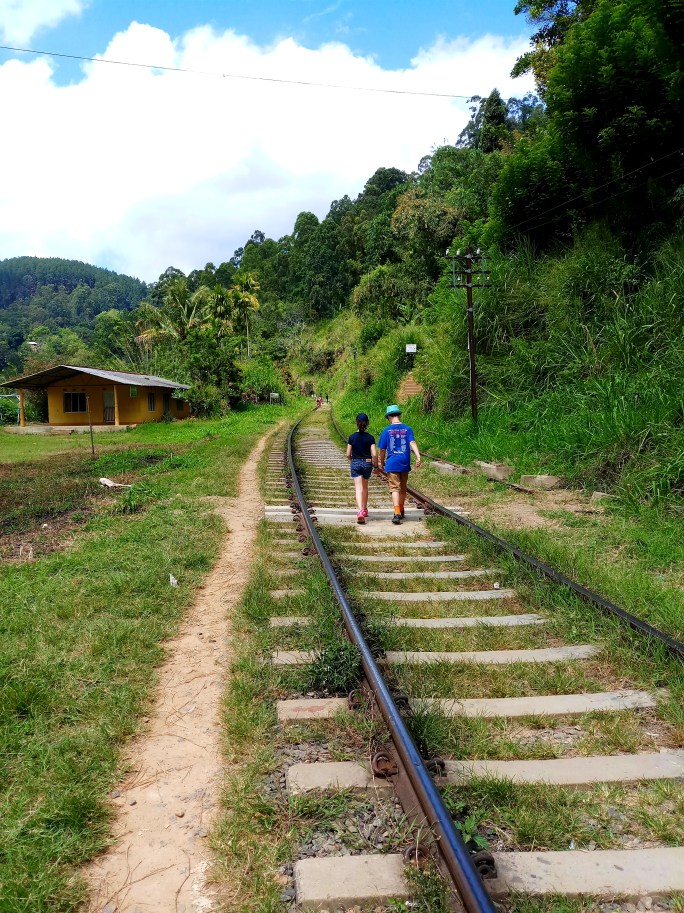
We walked along the train tracks to hike up to Ella Rock. A hot and dusty climb through amazing trees to a breath taking view.
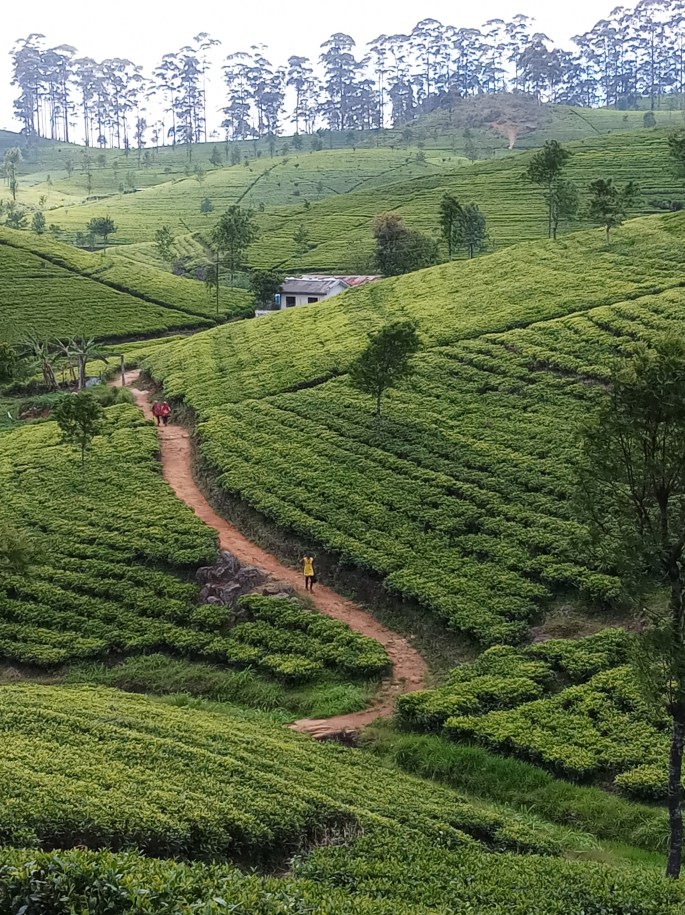
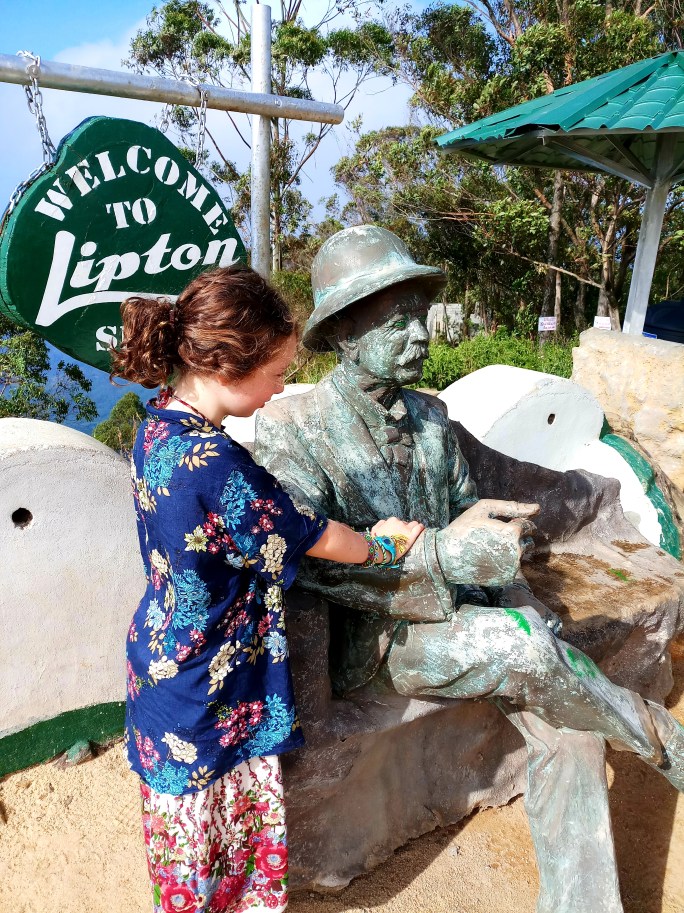
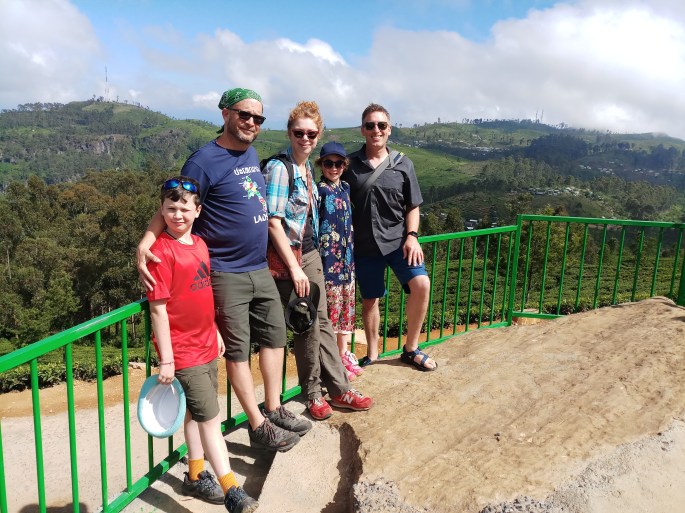
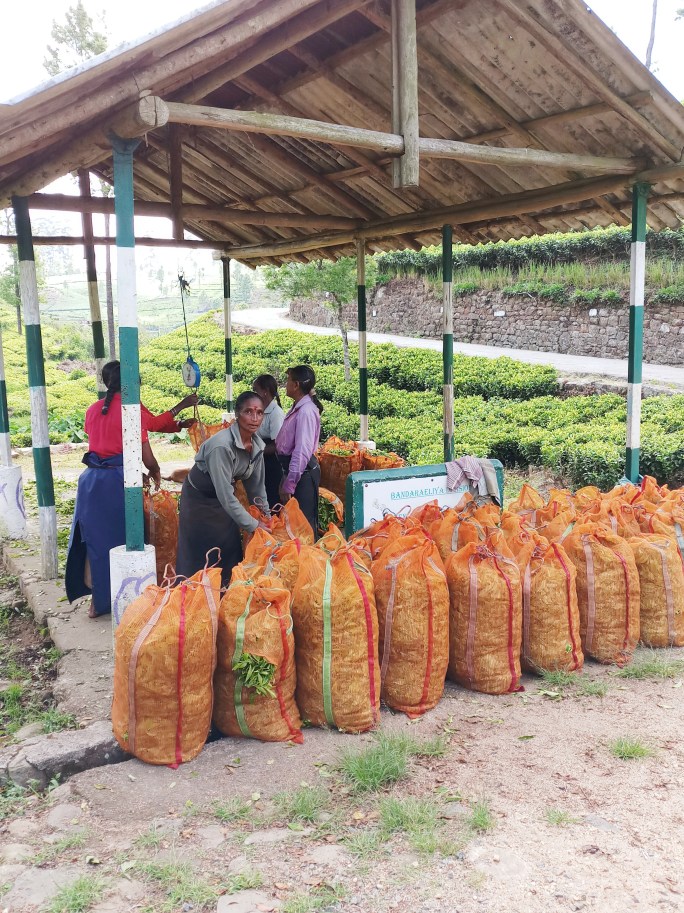
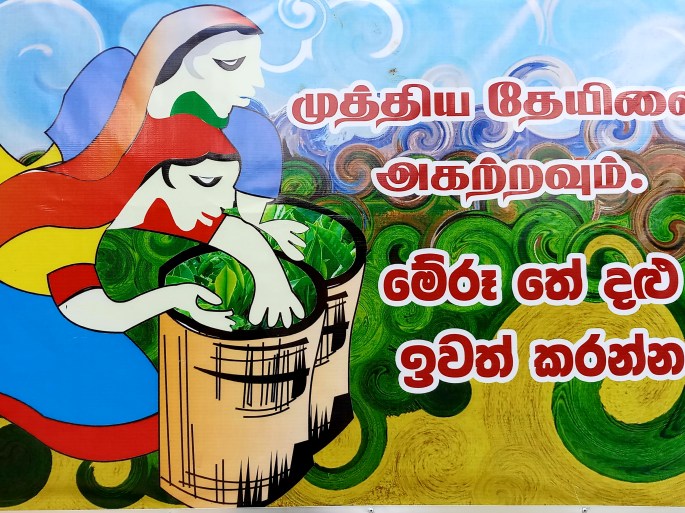
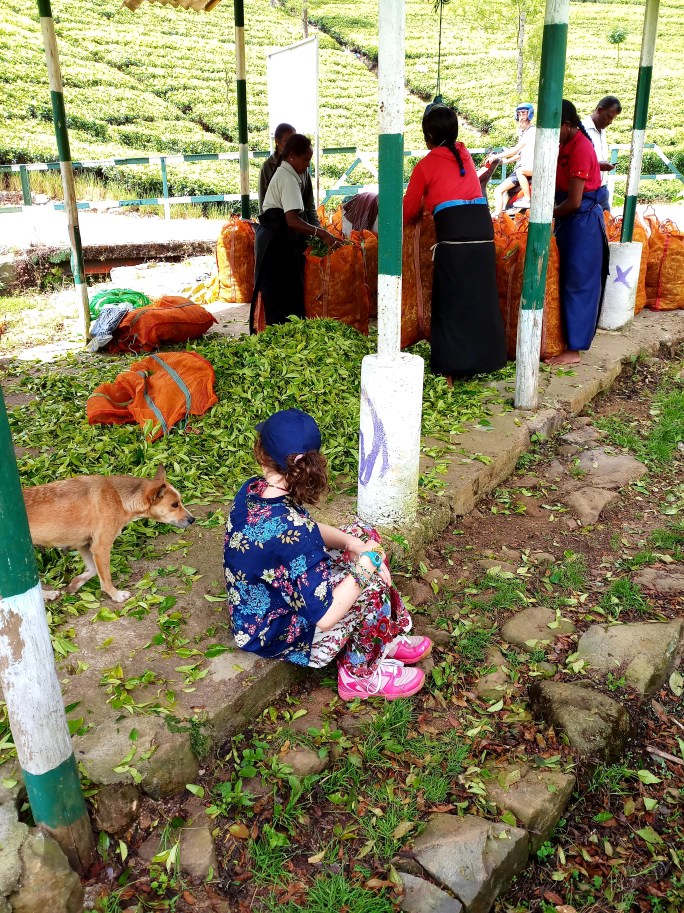
We also walked along the tea plantations and visited Lipton Seat. The founder of Lipton tea, a British gentleman named Lipton, in the 1840s, bought land on the cheap after a coffee blight and created a huge tea estate. The history of tea in this area is wrought with difficulty, often importing Tamil people from Southern India to work in slave like conditions. However, now the estates are owned by wealthy Sri Lankans who sell thier tea to Lipton. Women dominate the fields, making about $5 a day for thier labor of picking the leaves. We visited the Dambatene Tea Factory, built in 1890, and were able to learn and witness the making of tea, a tedious process of drying, cleaning, roasting and sorting. The machines and process have not much different from the late 1800s. I will never see Lipton tea as ordinary again.
The women collecting the leaves for weighing. The local factory takes in 20,000 kilos daily.
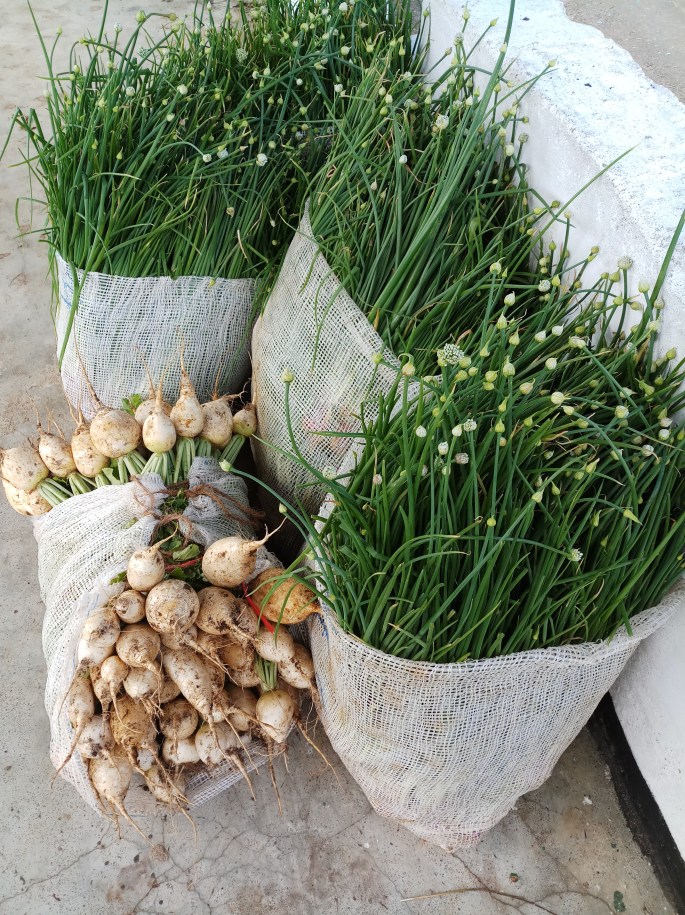
There is also small scale farming that supports the villages.
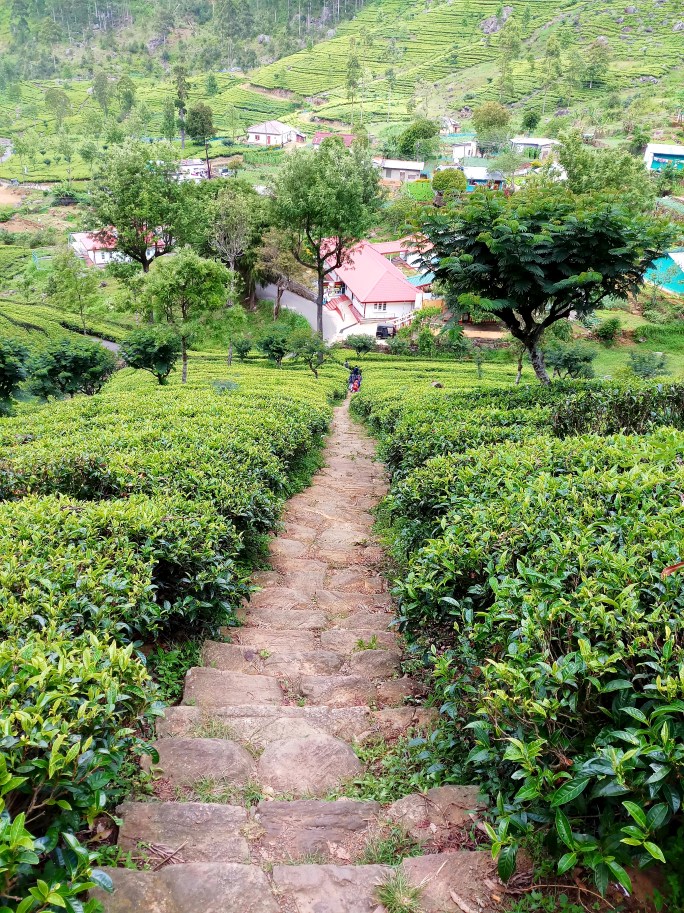
Pathways cut through the rows of tea, just follow the scampering children to find the quickest routes down.
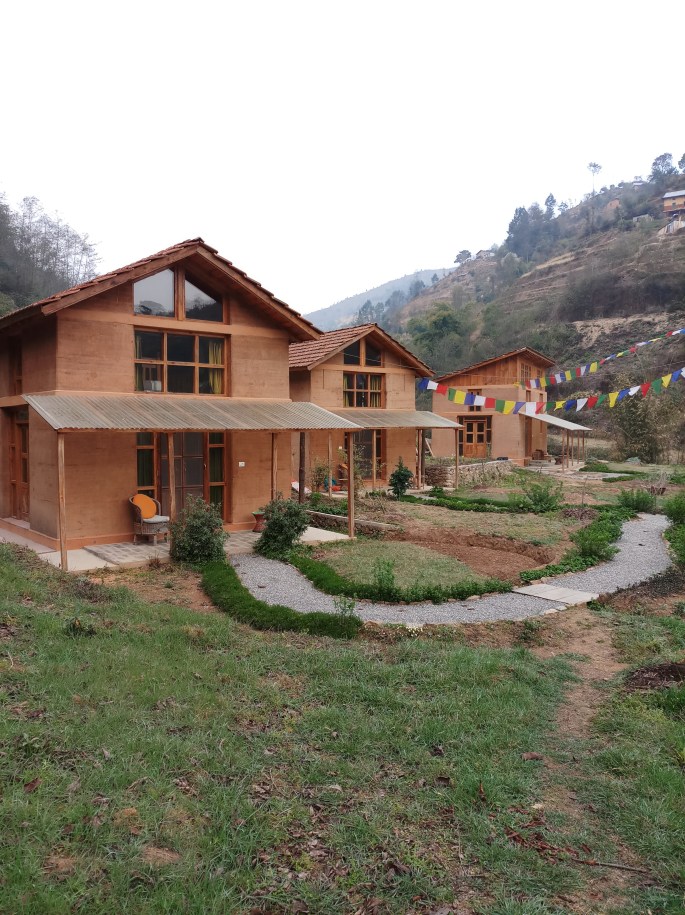
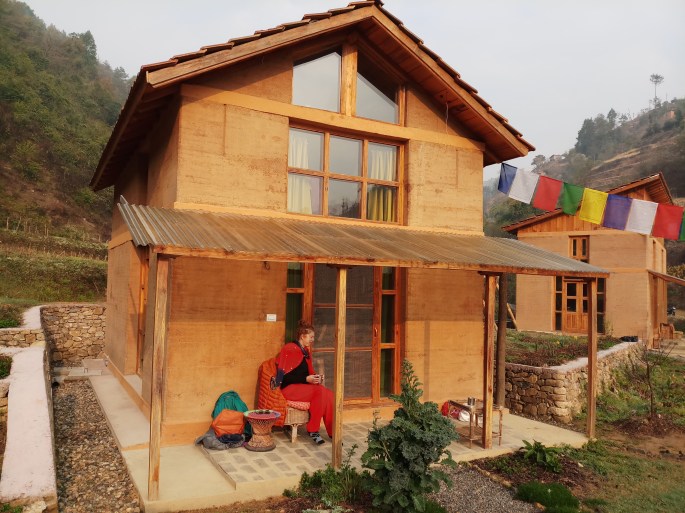
We had the luck to stumble on this unique social enterprise called Herb Nepal. Started by Ben and his young family, originally from the Netherlands, but with many years volunteering and working in Nepal, he has created an organic farm that grow herbs for soap as well as hosting guests in the well-appointed rammed earth and wood cottages. Hidden in the valleys outside of Bhaktapur, away from the smoke and noise of Kathmandu, we spent two lovely nights, ate delicious organic food and hiked through villages nearby. Herb Nepal is lead by Ben, but the whole team is made of local Nepalese and his farm is welcomed by the community as a way to keep young men employed in the village, instead of leaving for Malaysia for work. He tries to source all food and products locally, and the farm strives to be sustainable with the use of solar and biogas. It is a smart, mission led organization and I am so glad we experienced the magic. Our stay there even inspired talk of living on a farm when we return to Oregon.
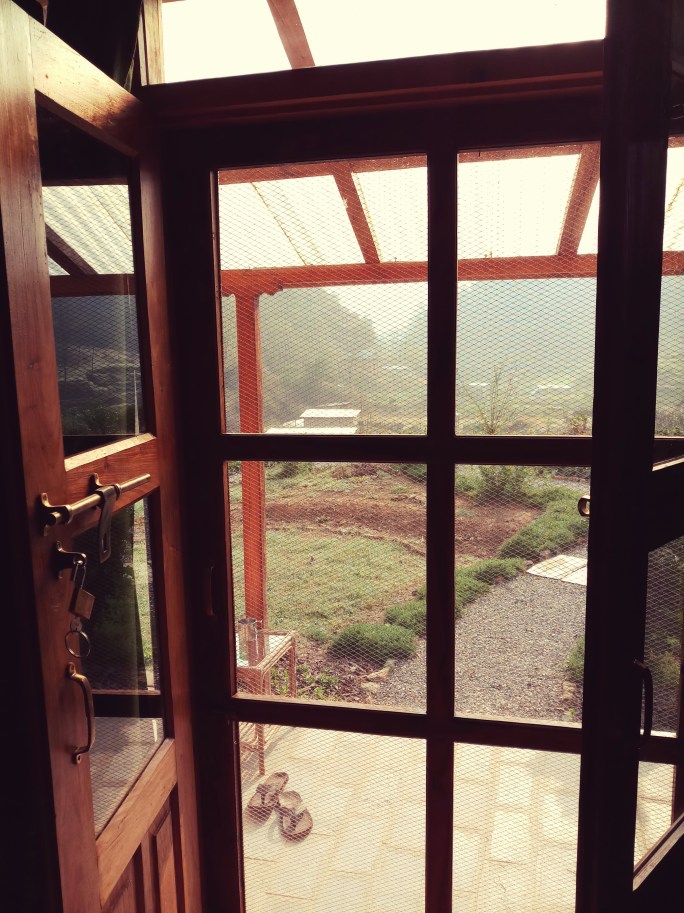
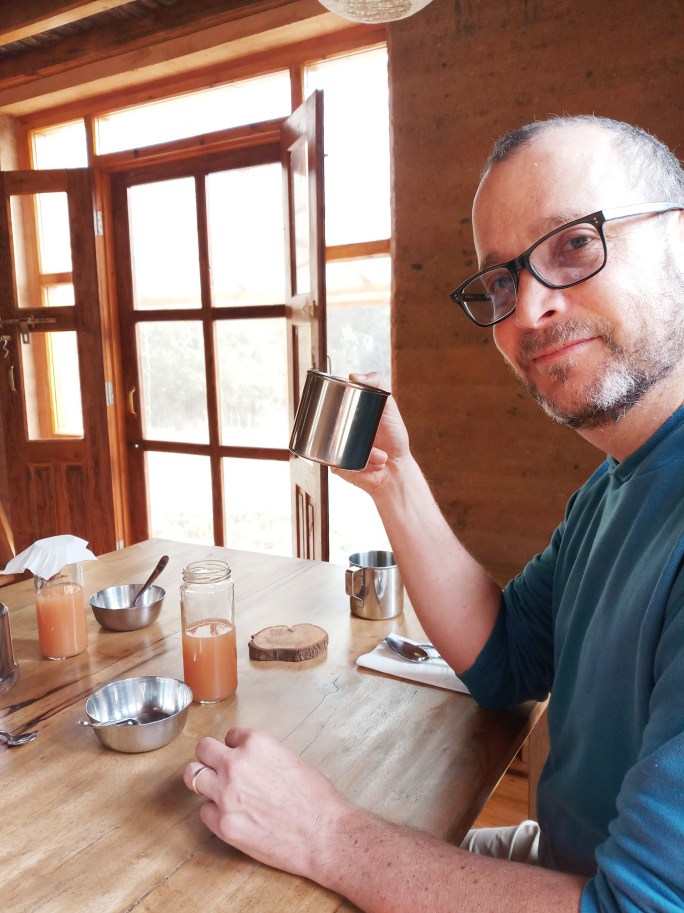
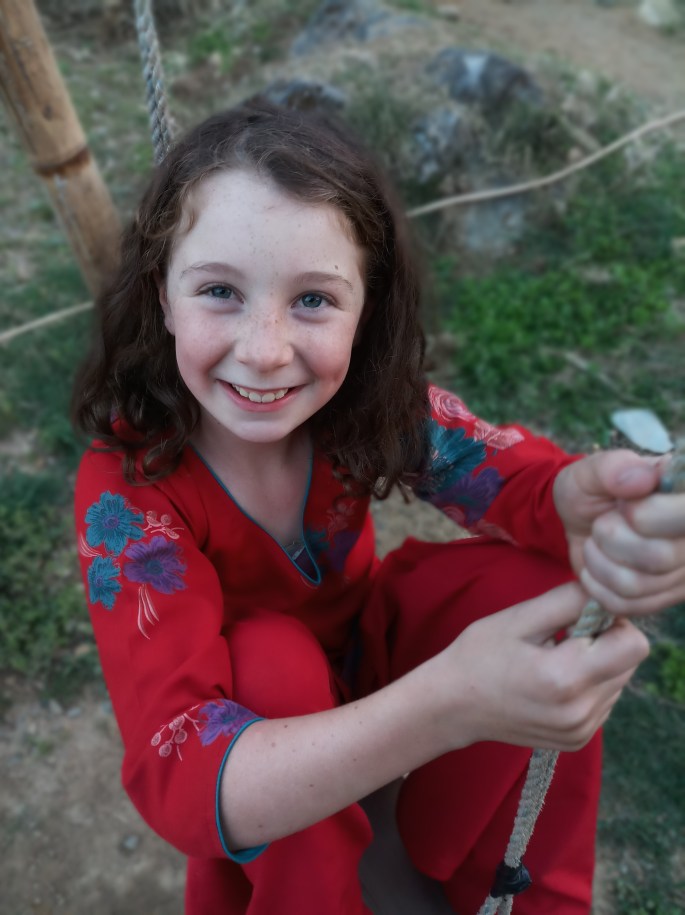
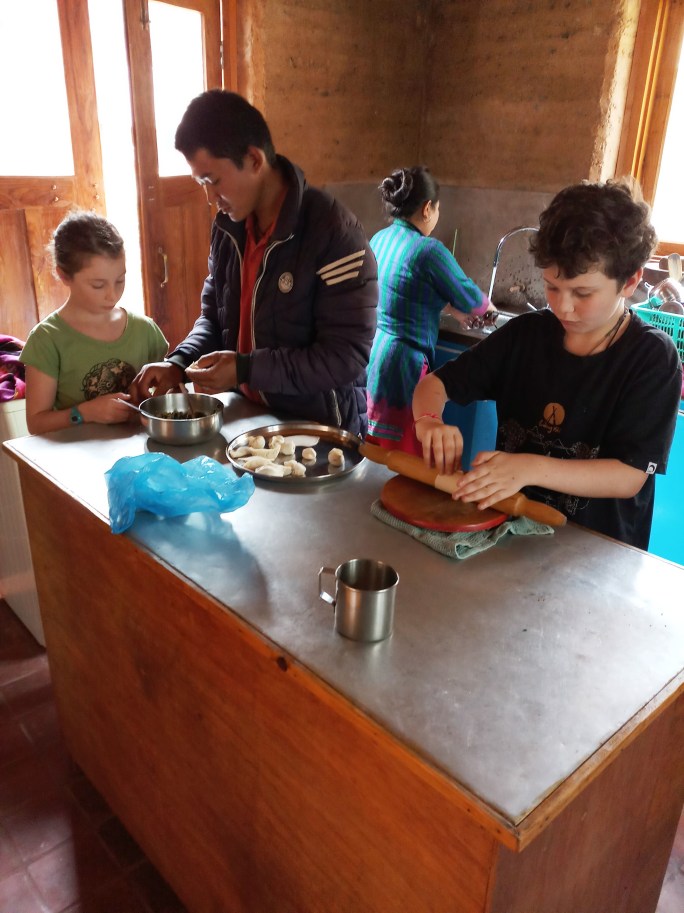
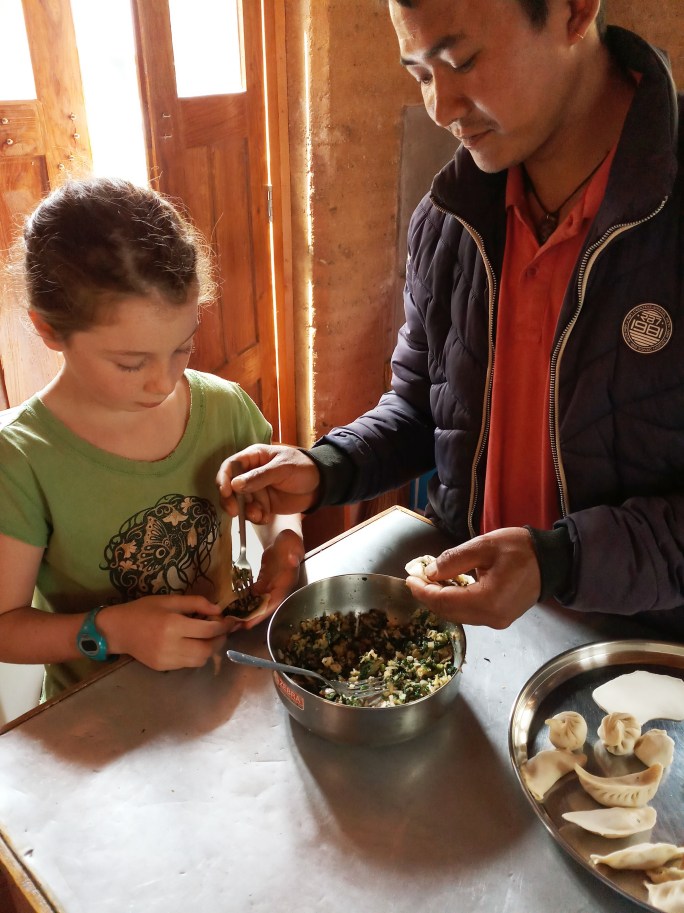
The cottages are in the distanceView from our doorView of the valley from our porchMorning coffeeEnjoying coffee and peach juiceAddie enjoying the swingLearning how to make Momos with head chef Sudipe
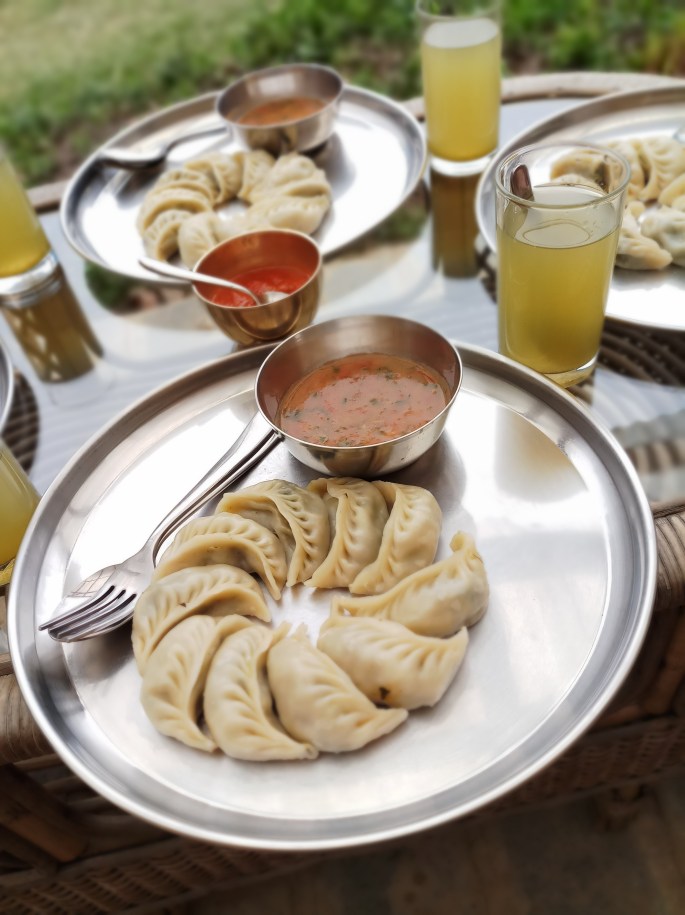
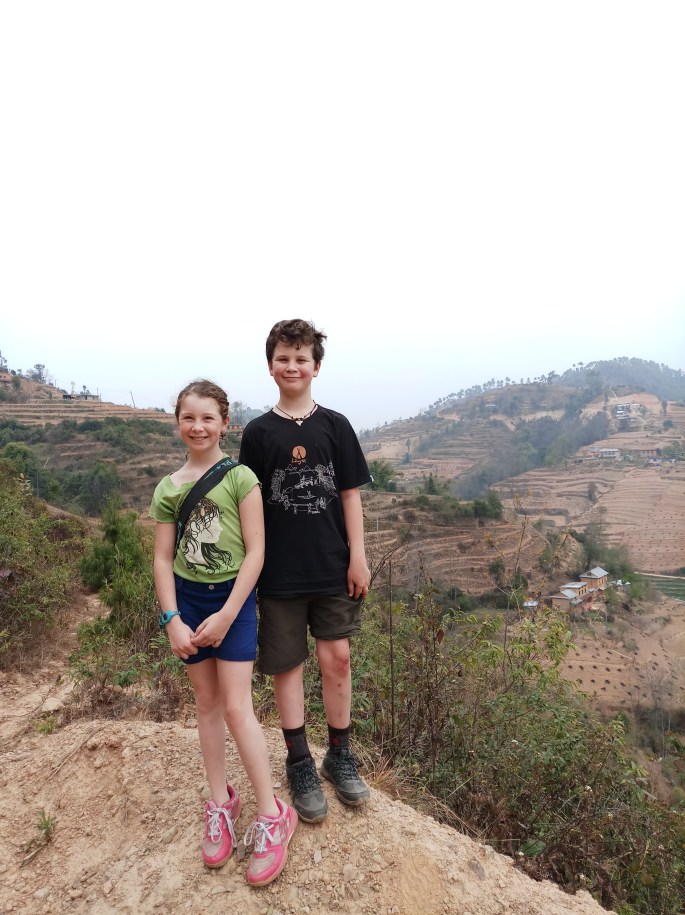
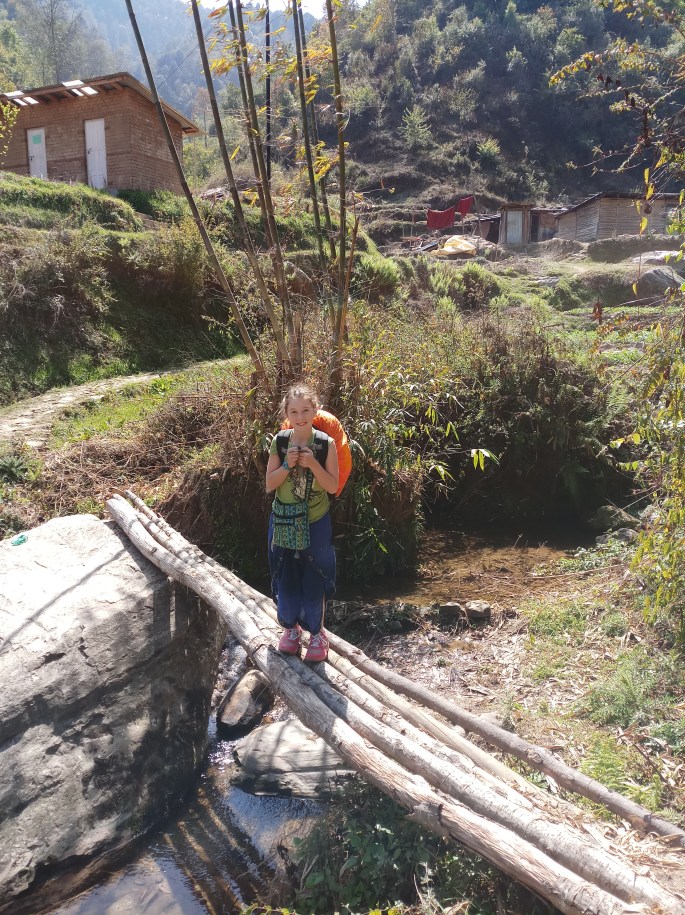
Yummy Momos and lemonadeOur hike high up in the valley to see the HimalayasCrossing nearby stream
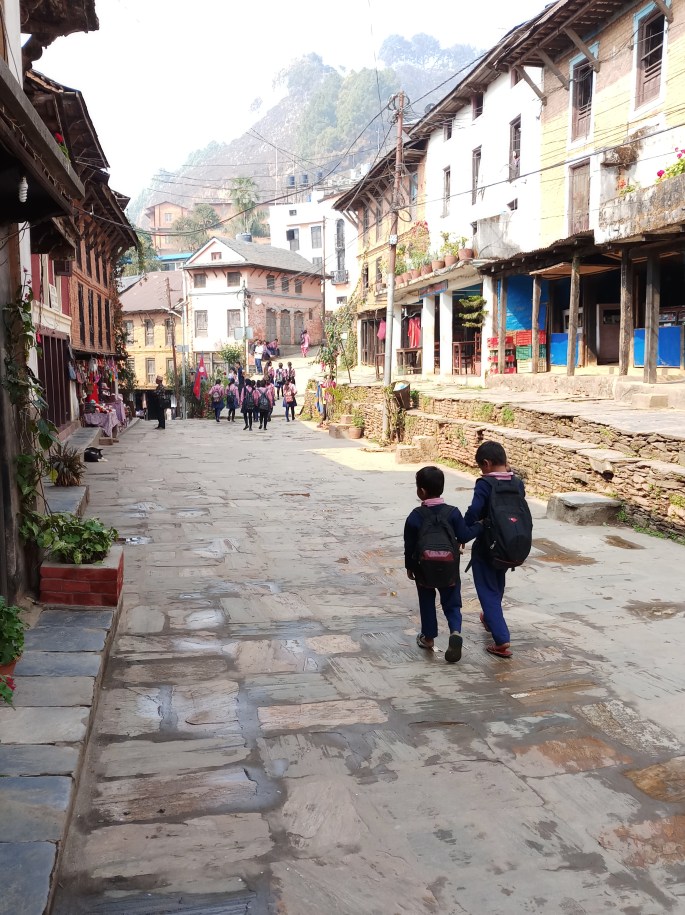
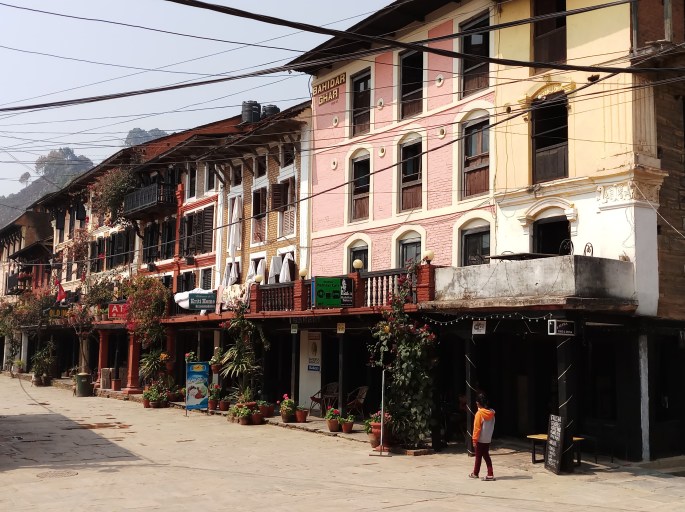
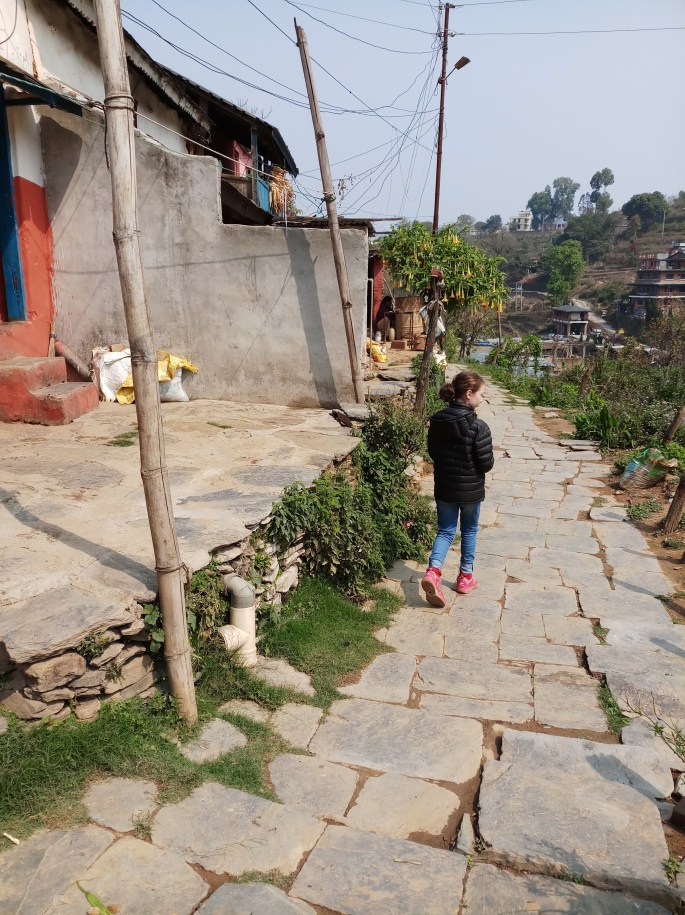
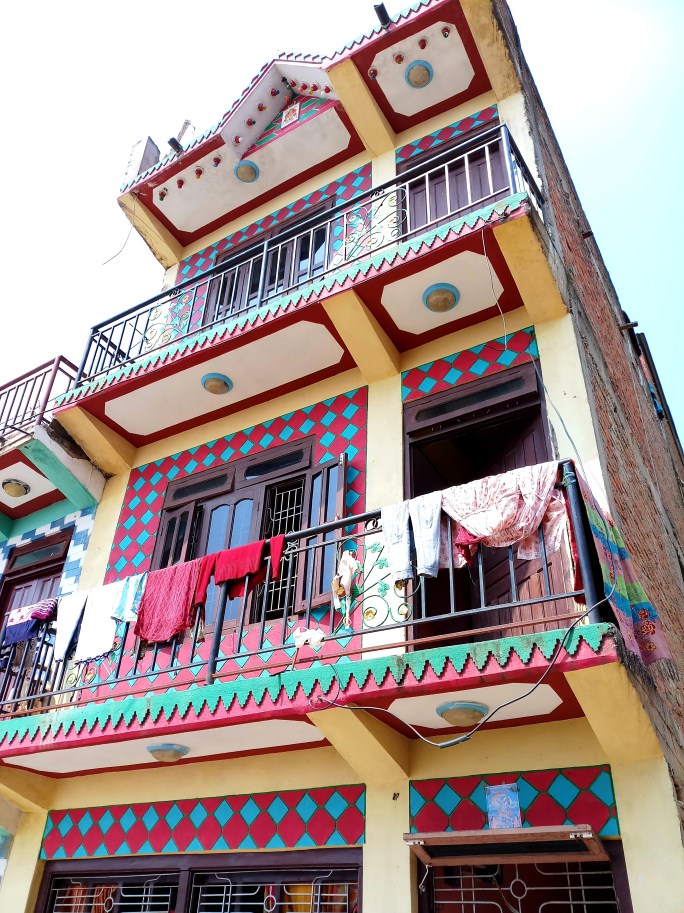
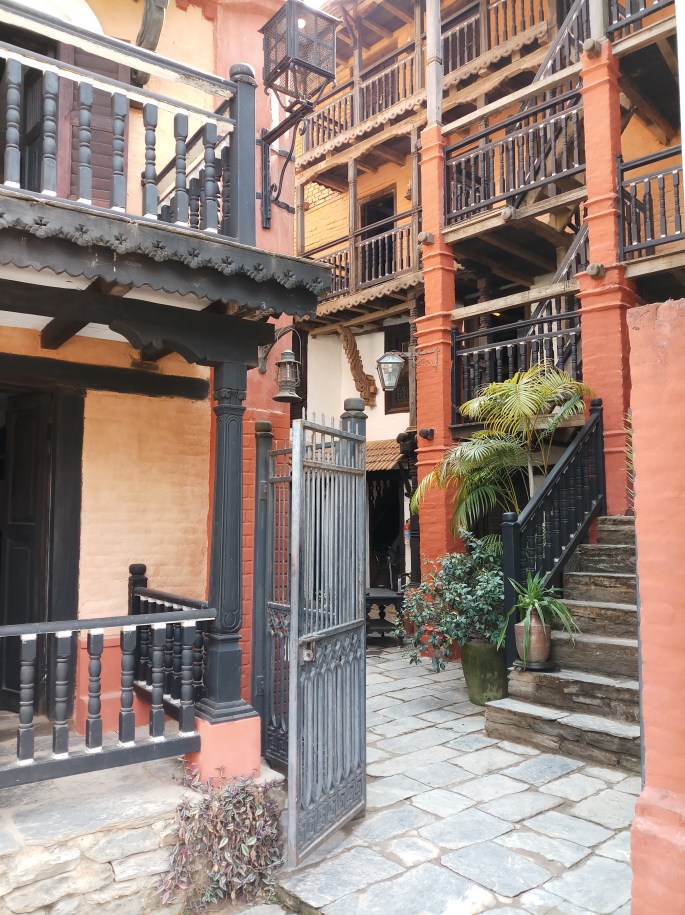
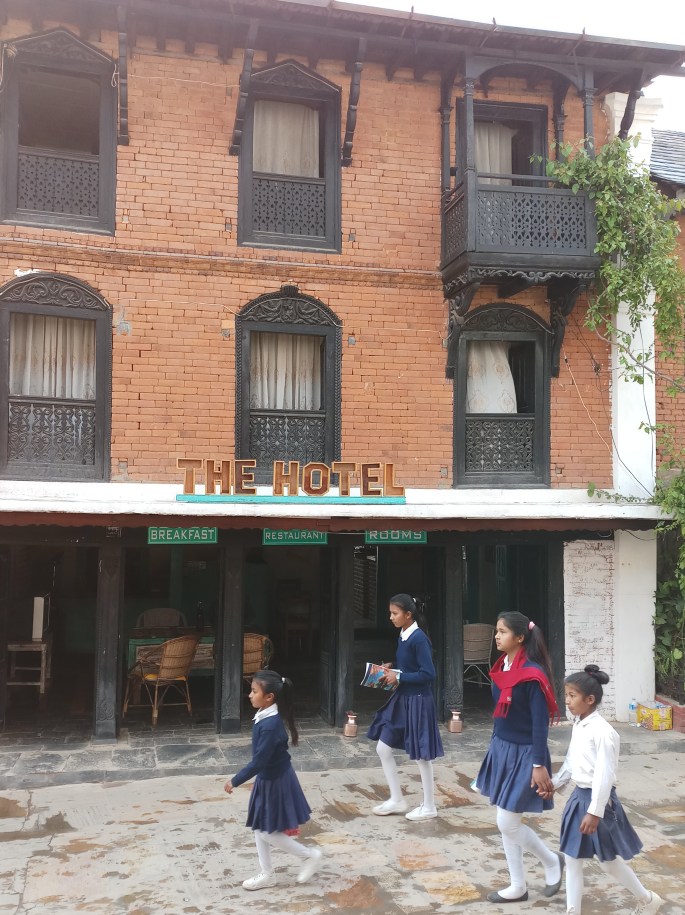
A hilltop settlement, the hidden village of Bandipur appears stopped in time. Its Newar style buildings from the late 1700s stand intact along narrow stone walkways. Isolated and protected from ugly modern changes, its location far from the main highway, the village has caught on to tourism and has become a destination for travelers. Originally a bustling trading center for farmers and merchants from far off, the village retained it’s wealth and the well built shops and houses of long ago, remain in good condition and house cafes and restaurants that cater to visitors. We stopped there a couple of nights mainly to break up the hellish windy bus ride from Pokhara to Kathmandu that can be up to 9 hours. The windy cobblestone streets, filled with school children and traditionally dressed Nepalese is wonderful and very similar to an old French village, same feeling, but more colorful and spicier food.
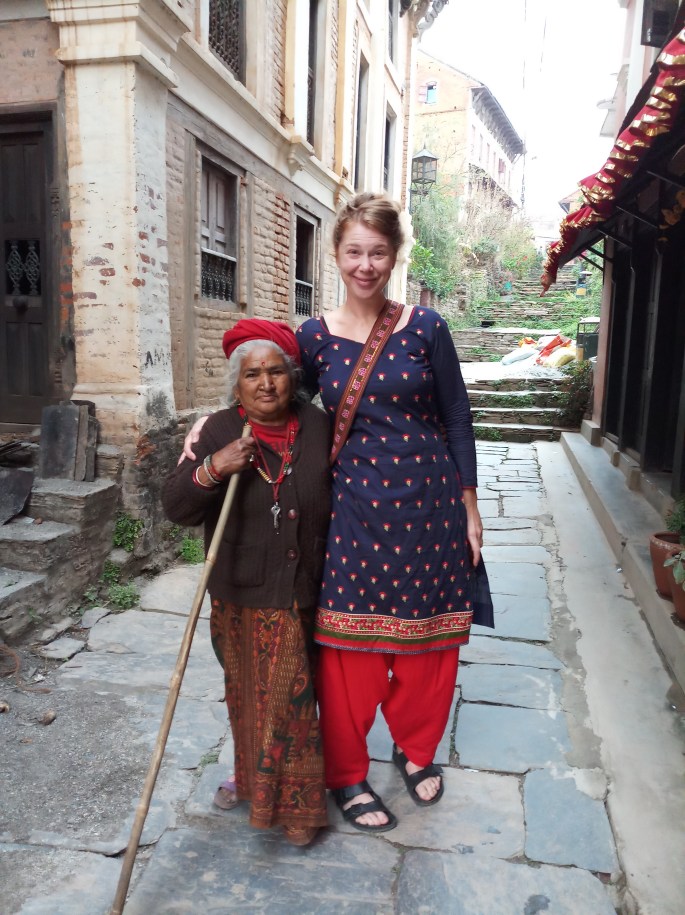
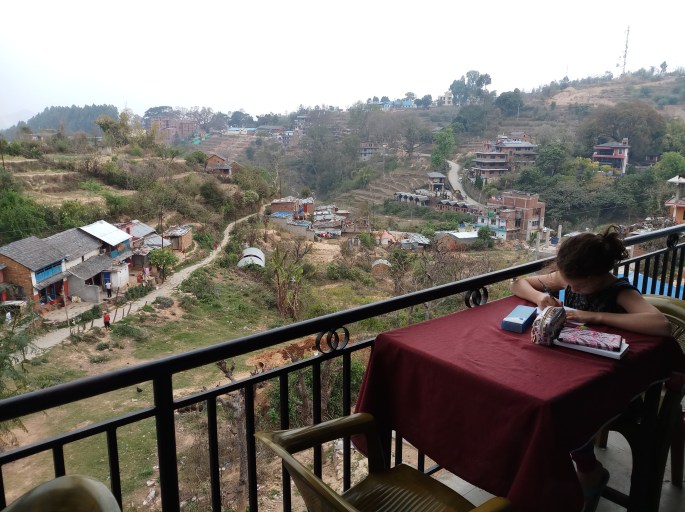
Our balcony at our homestayTaking a walk through the outskirts of the village
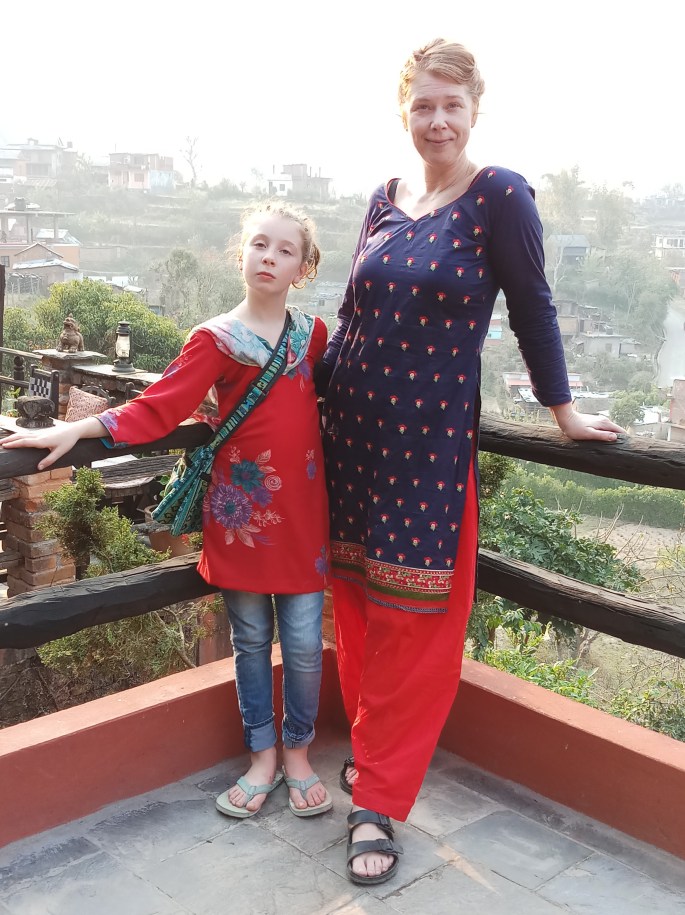
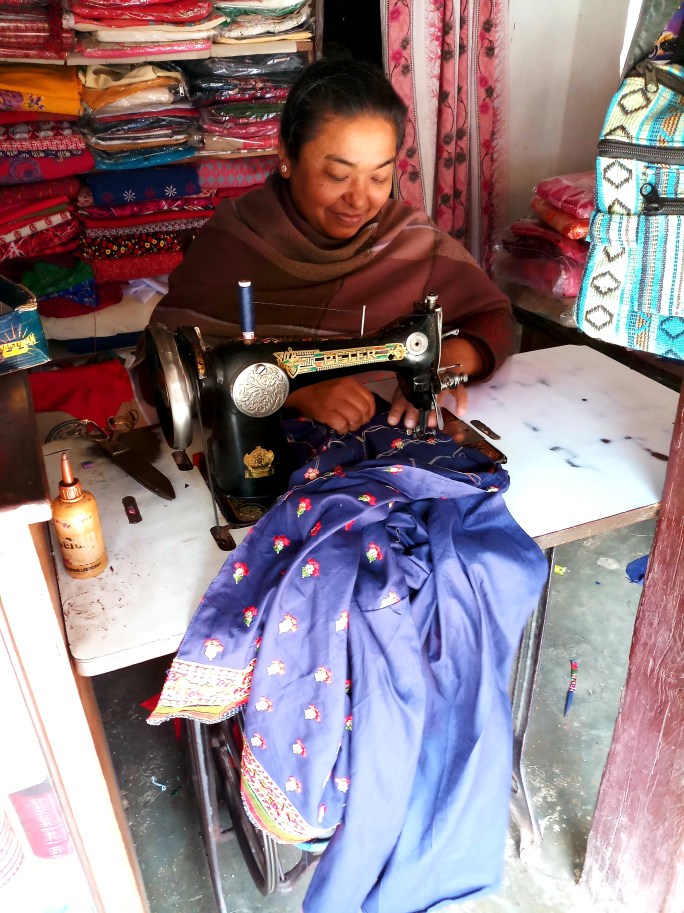
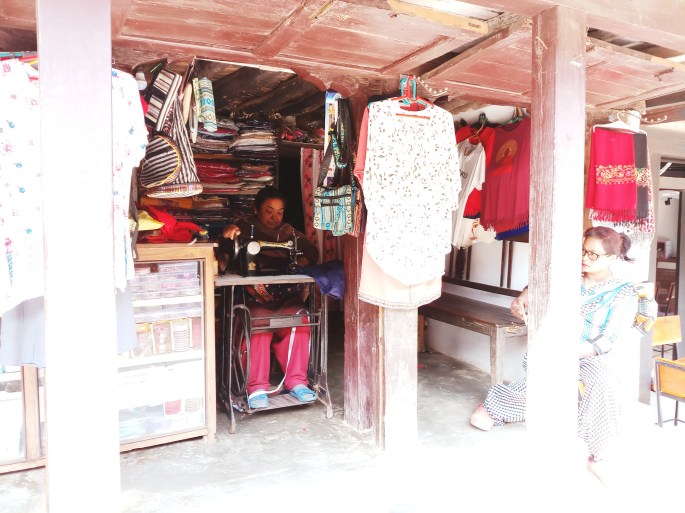
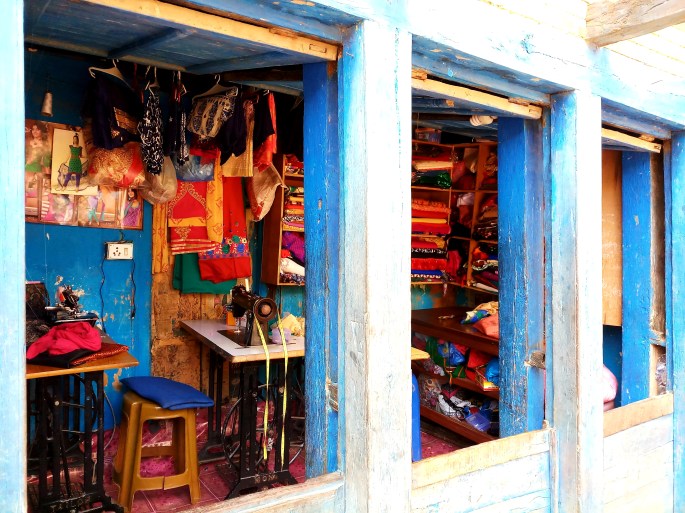
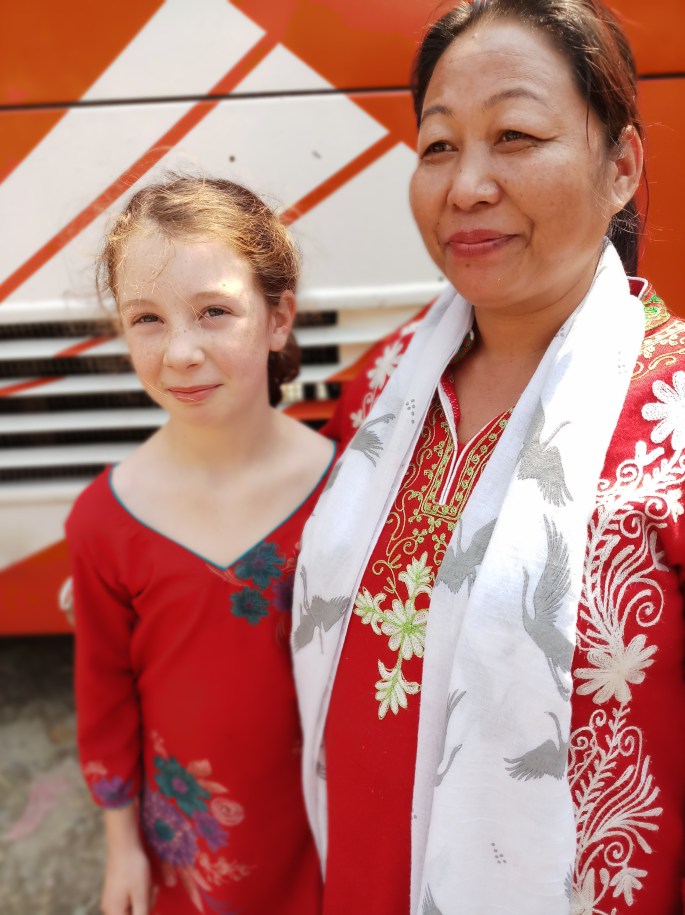
Glamming in our new outfitsSeamstress making my Kuta, the traditional shirt,pants and scarf that nearly all women wear in Nepal ($20 and three hours)
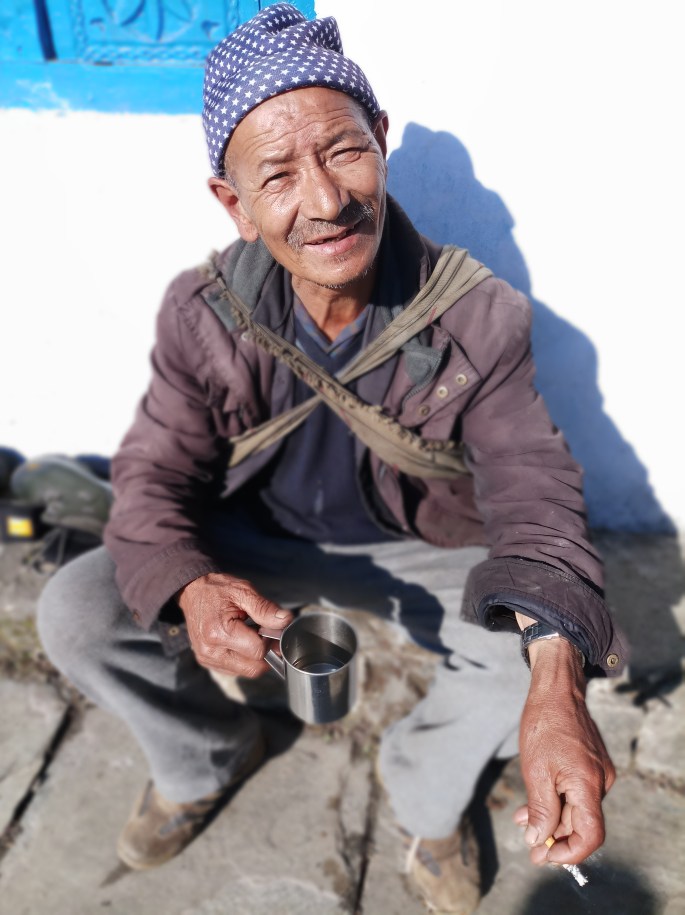
Morning breakfast of mountain wine and cigarettes, 76yrs strong and the oldest man in the village
Kamala, our guide
Our porter Nir
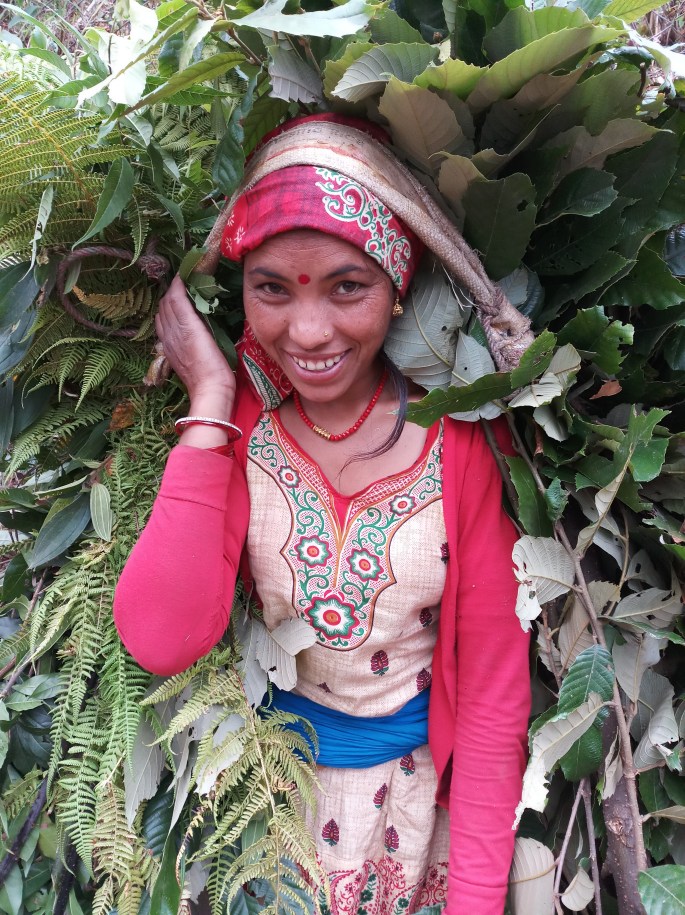
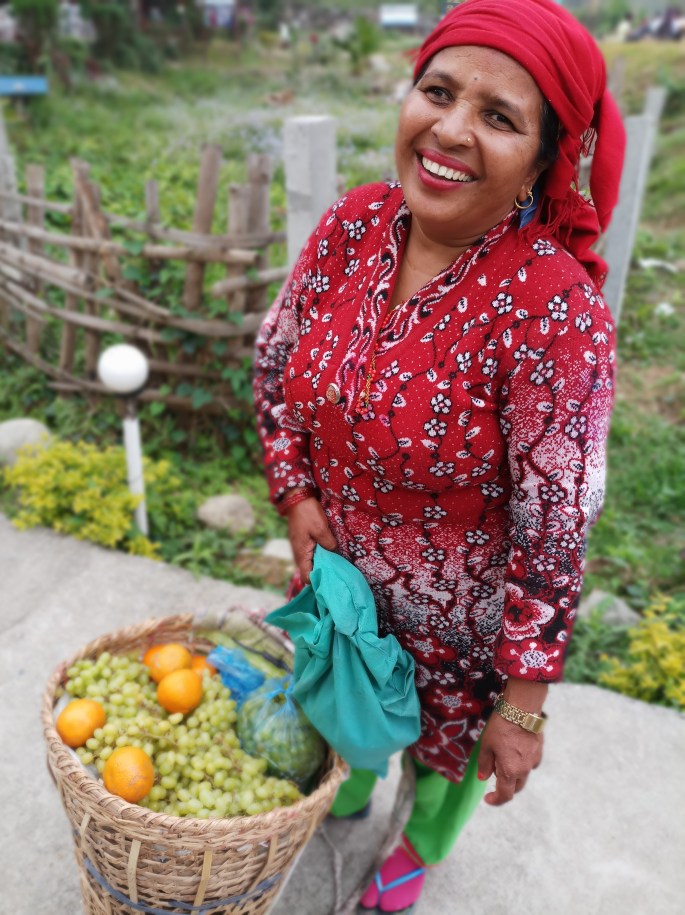
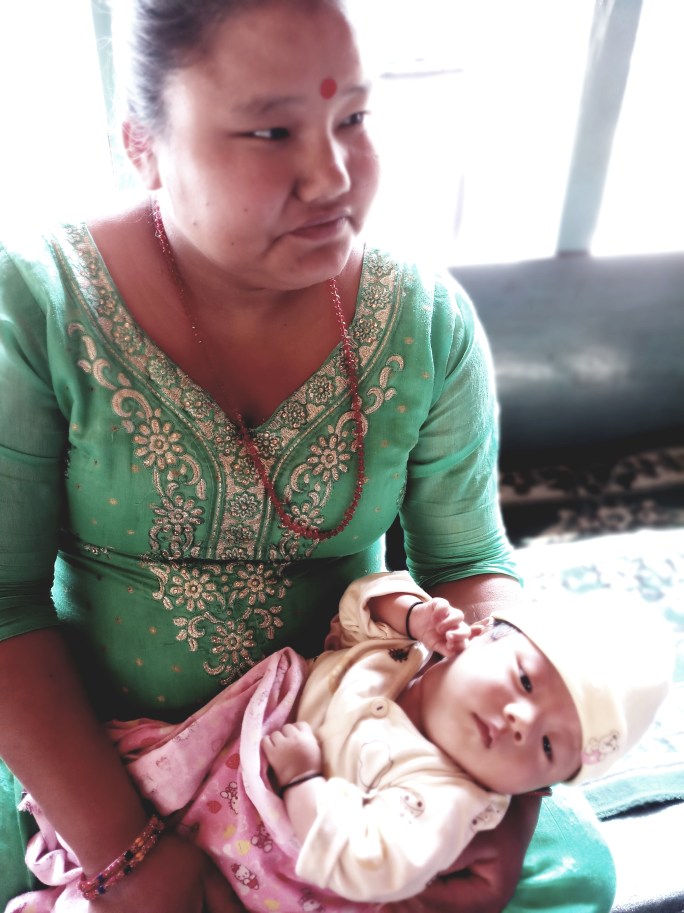
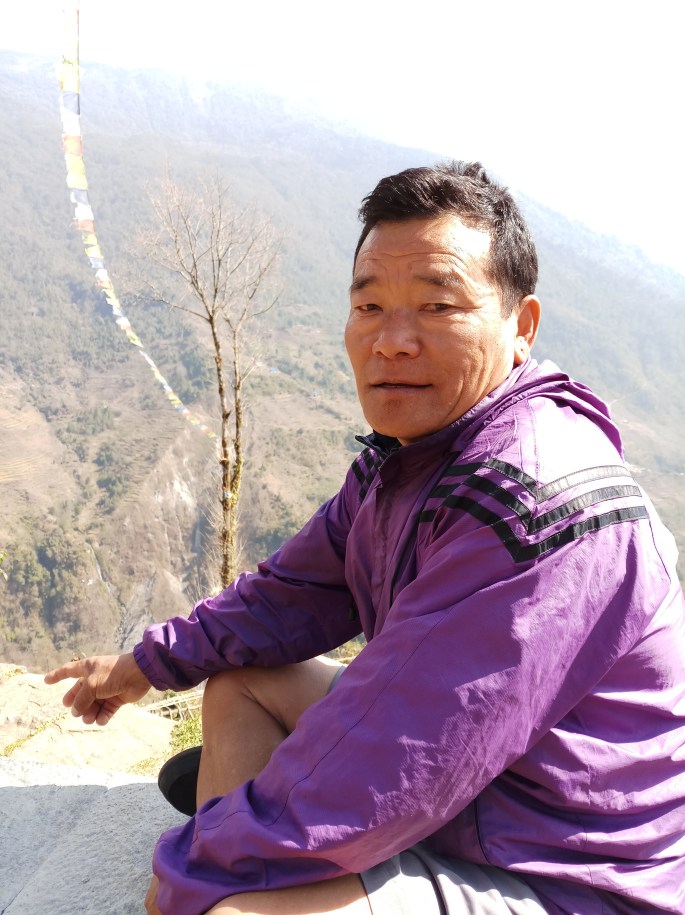
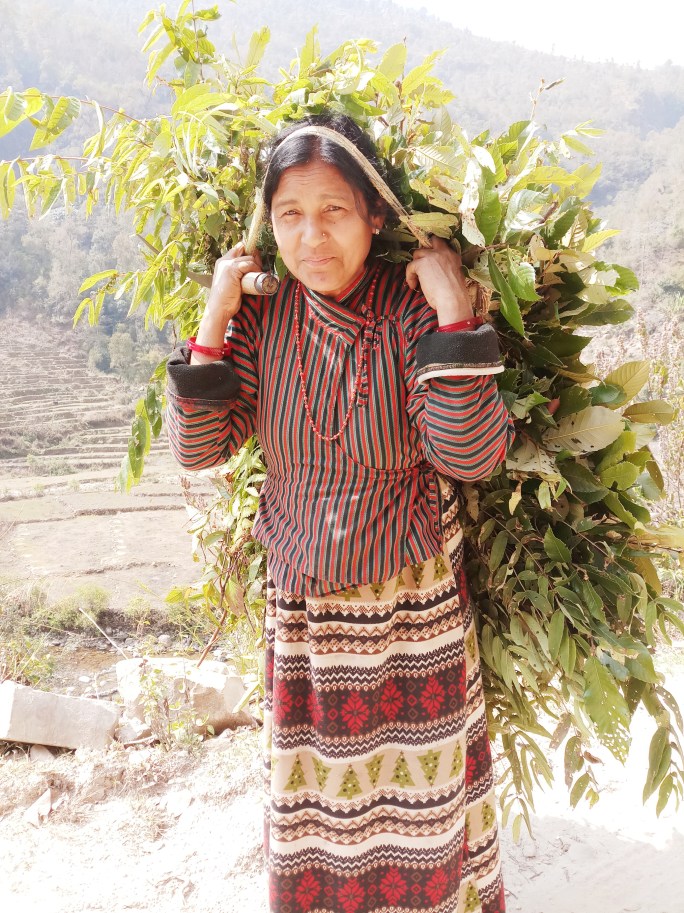
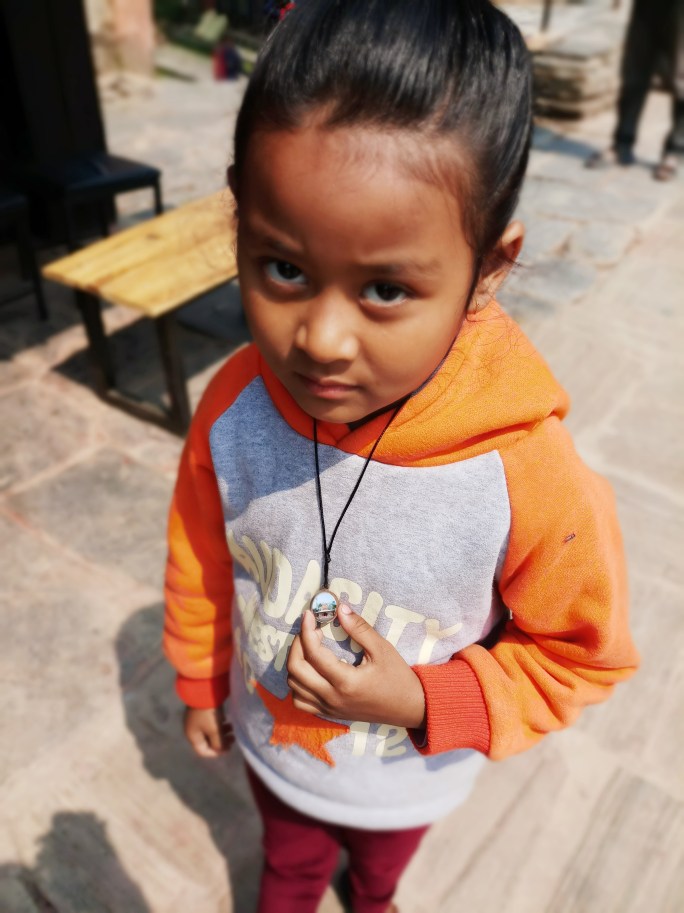
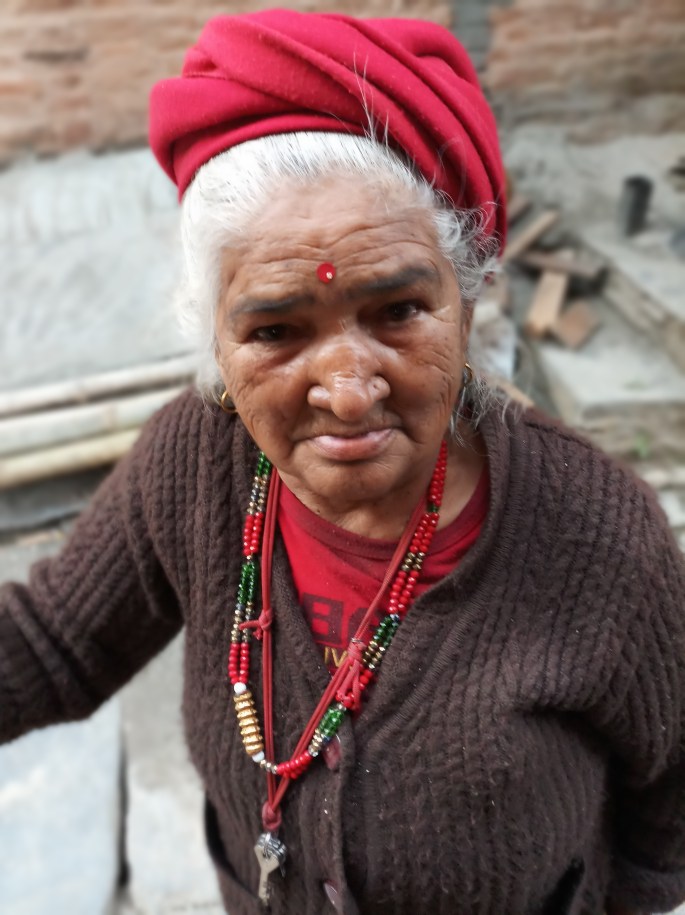
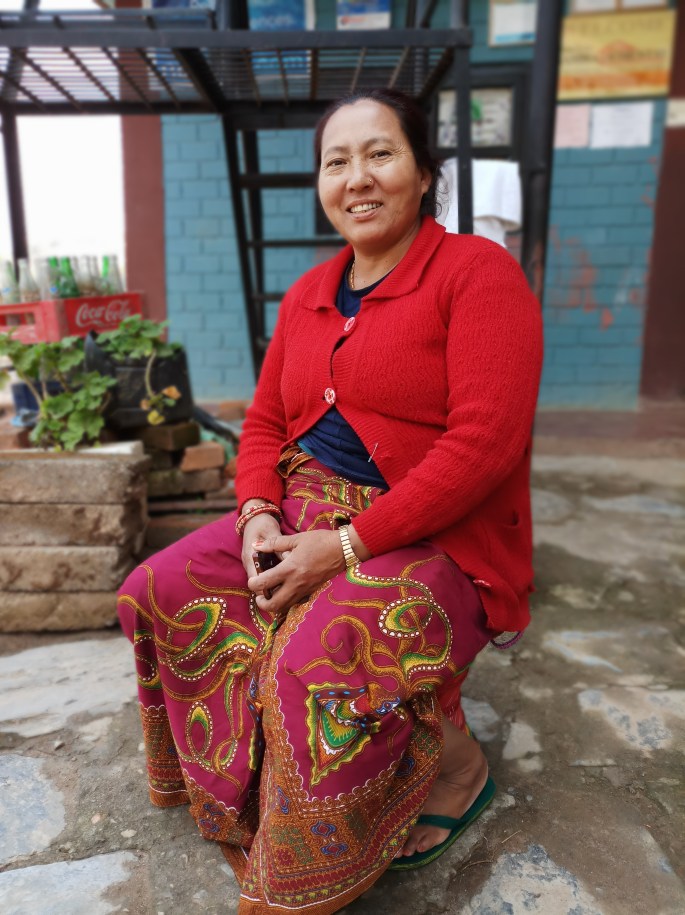
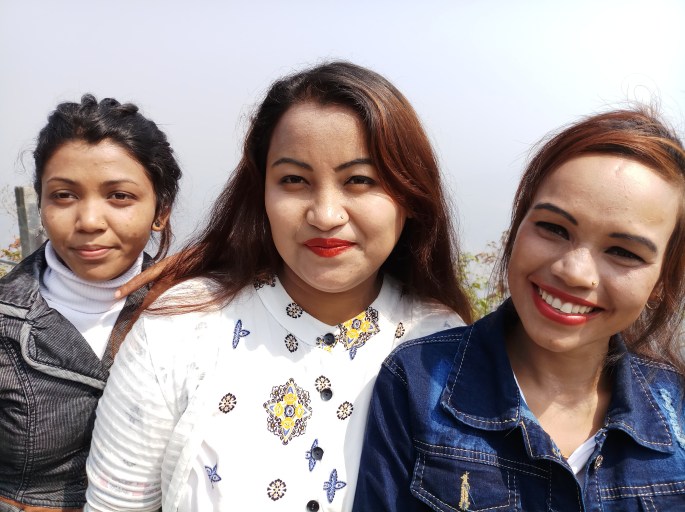
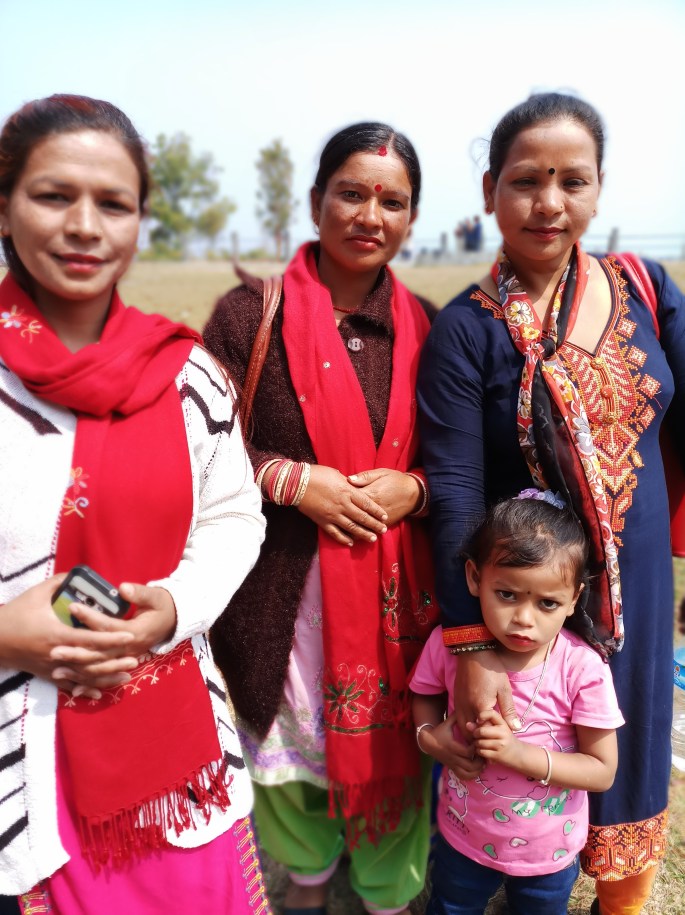
A common site, a woman carrying tree limbs or buses on her backHer sweatshirt says Audacity WestcoastZaniest lady, lives aloneFellow bus riderOur host at Samiras HomestayBeautiful Nepalese womenVisiting family in Bandipur
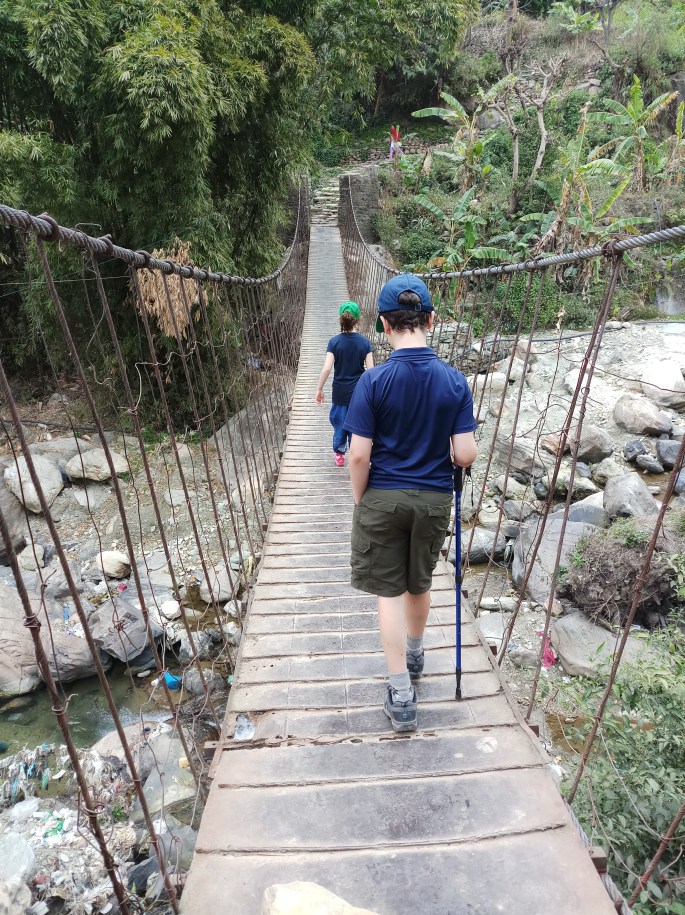
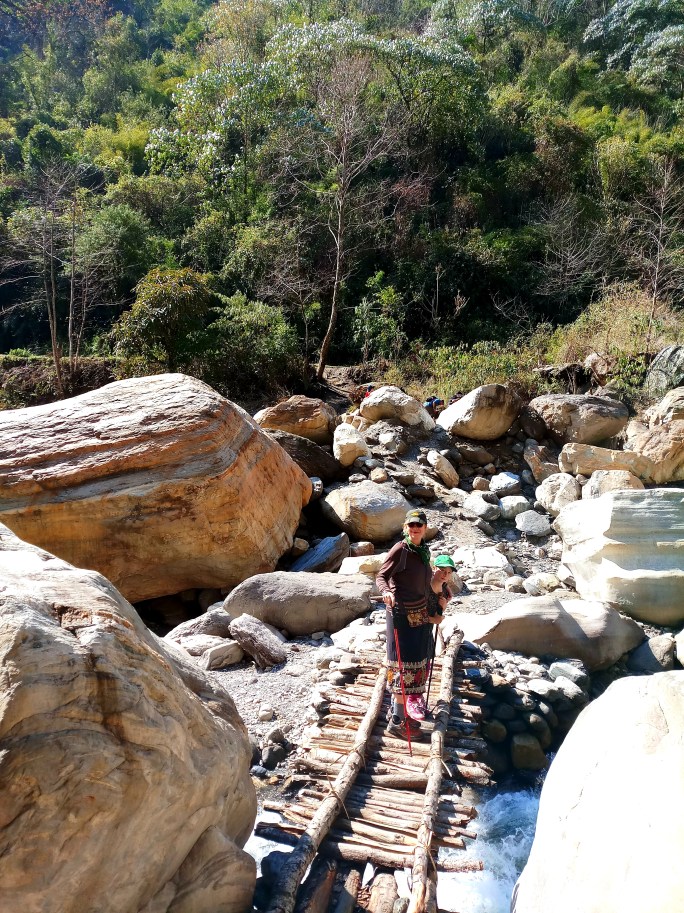
We crossed many suspension bridges high above valleys and rivers
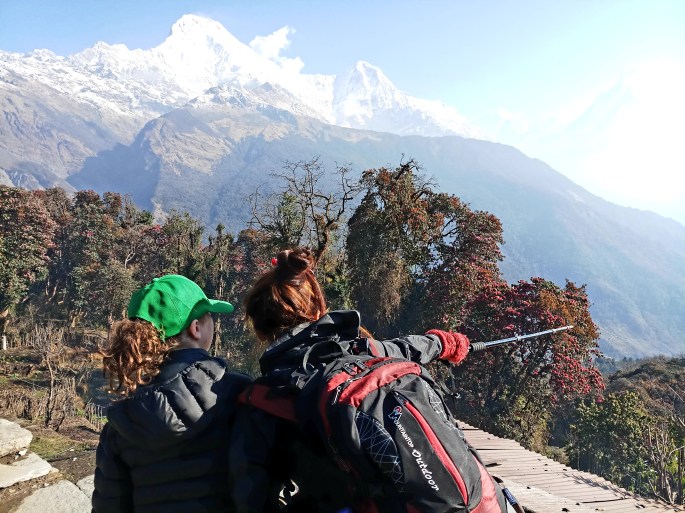
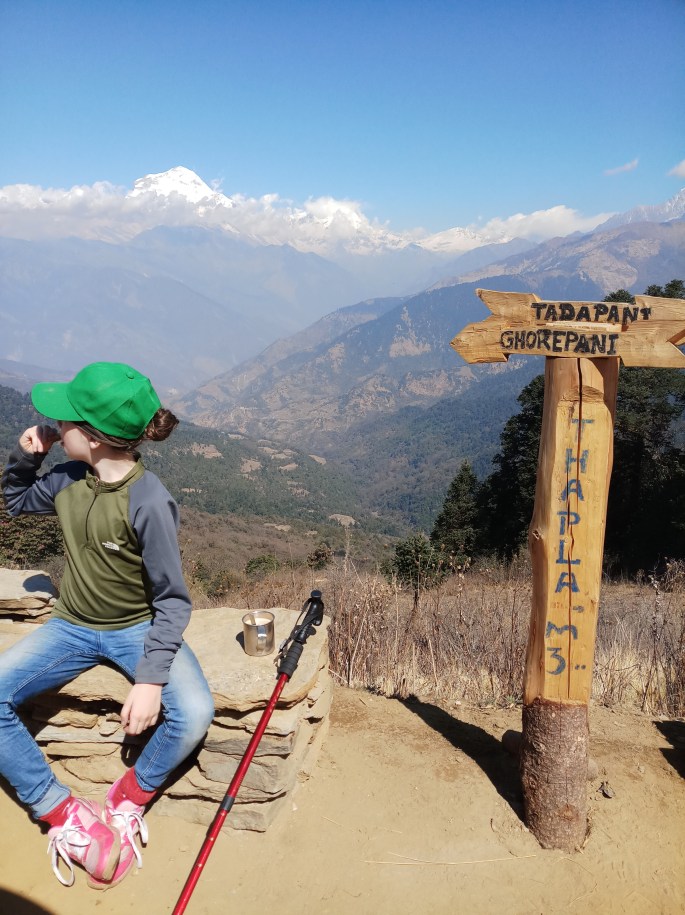
We trekked through the Himalayas. Wow. Since we do not have a bucket list, it was not on it. But it should have been. Even though we did not climb Everest, our trek was awe-inspiring. After the dust and pollution of big cities, it was the salve that my aching soul needed. The breathing space that the vast hills and valleys of the Annapurna massif allowed me to fill my lungs with cleansing air. The simplicity of walking every day, up to eight hours, up and down steep stairs and paths, looking up to see the largess of the mountain peaks above was the quiet my mind sought.
Our simple tea house in Hille
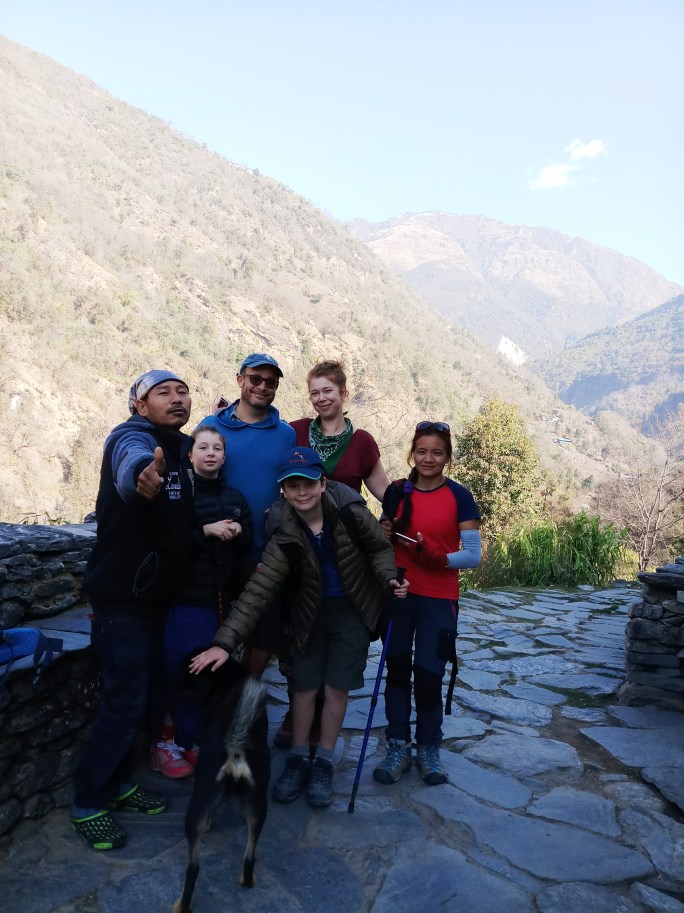
Feeding the chickensGroup photo with our exuberant host at the tea house and our guide Kamala
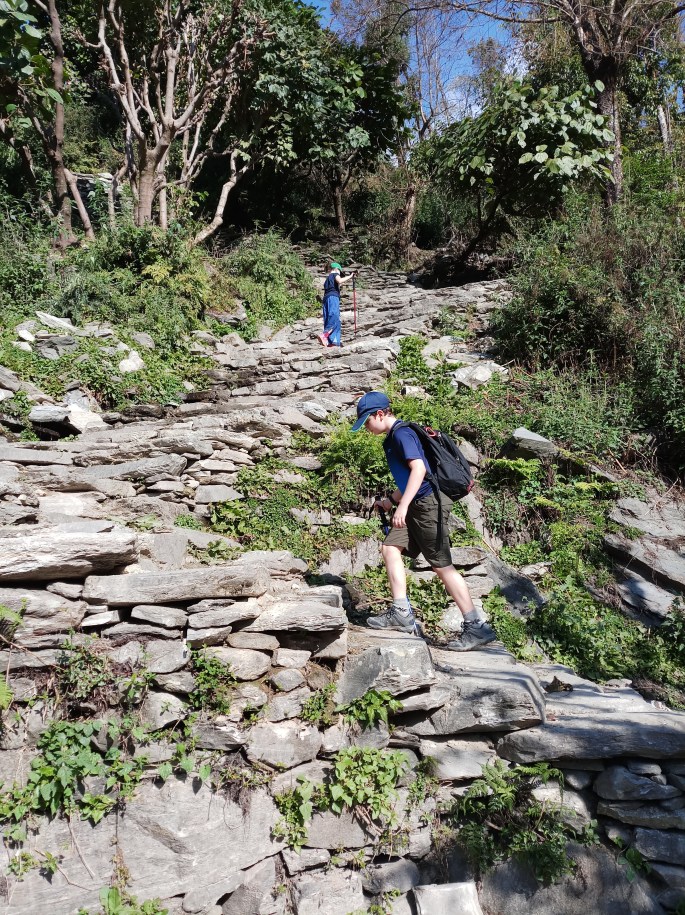
Day 2, 3500 steps up
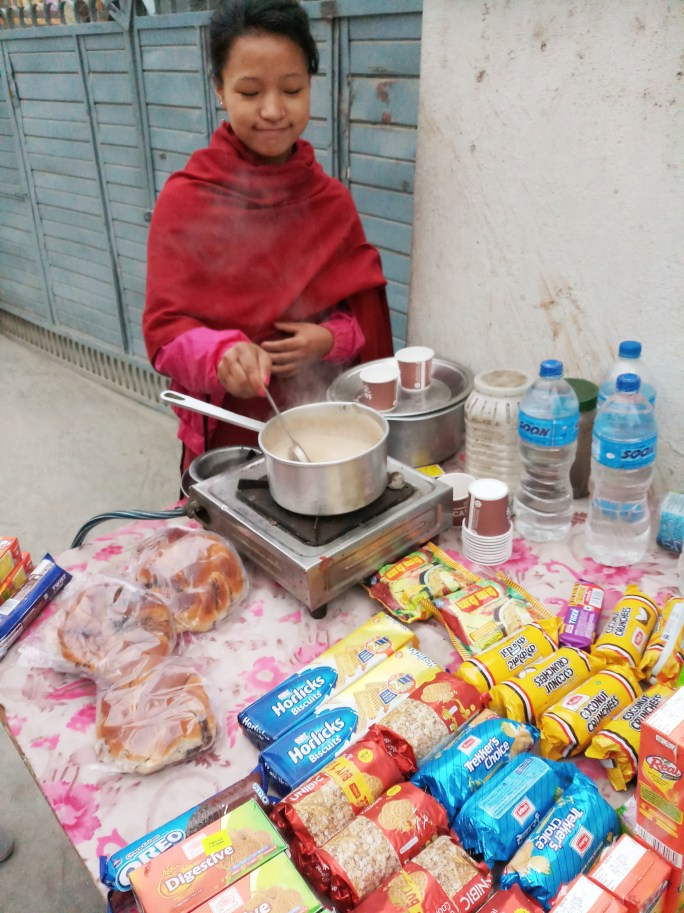
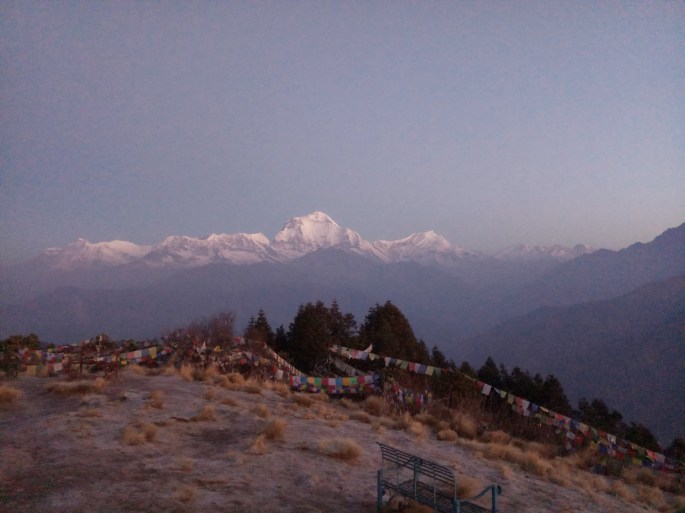
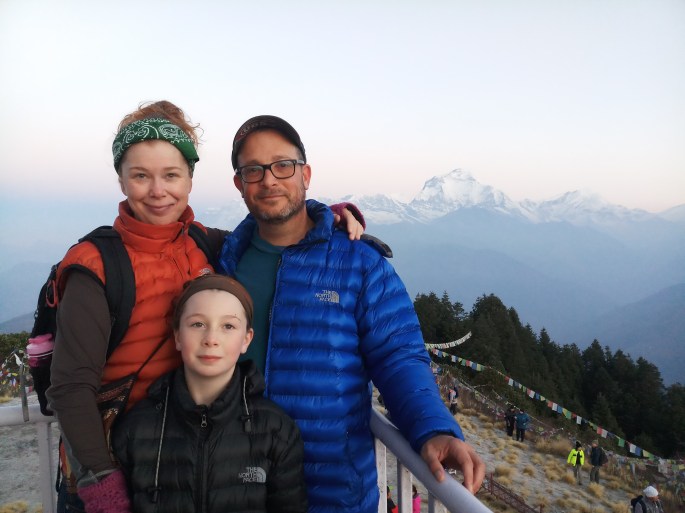
We did the Annapurna circuit, six days, climbing up to Poon Hill at 3210 meters at sunrise to see the Himalayas in their pink glory as the sun awoke. We walked, stopped often for Masala tea, ate Dahl Bat for most meals and slept in sparse rooms outfitted with hard single beds and heavy blankets. It was cold and we would put the beds together for warmth.
Sunrise view of the mountains
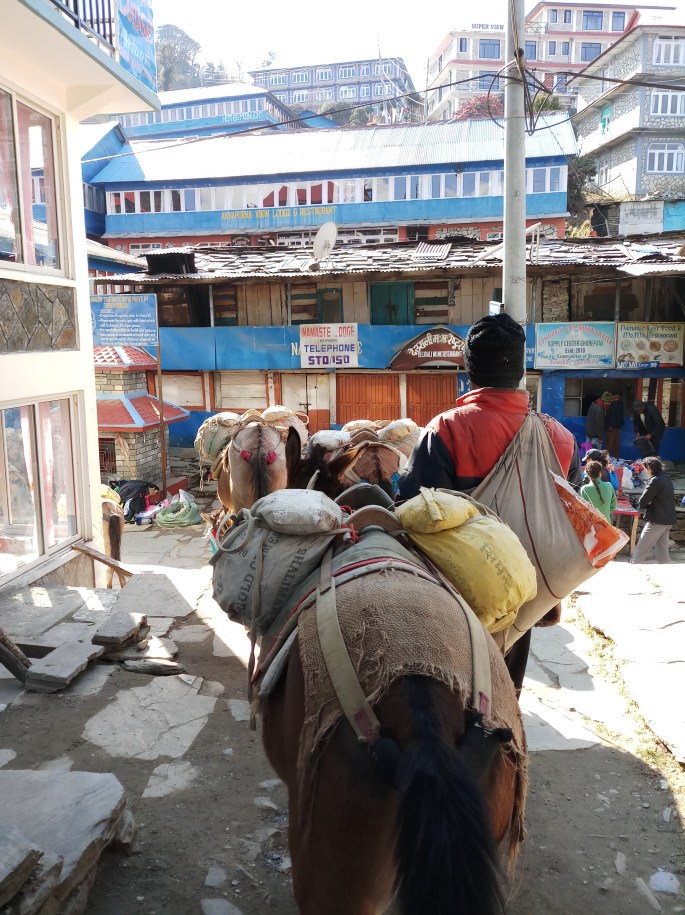
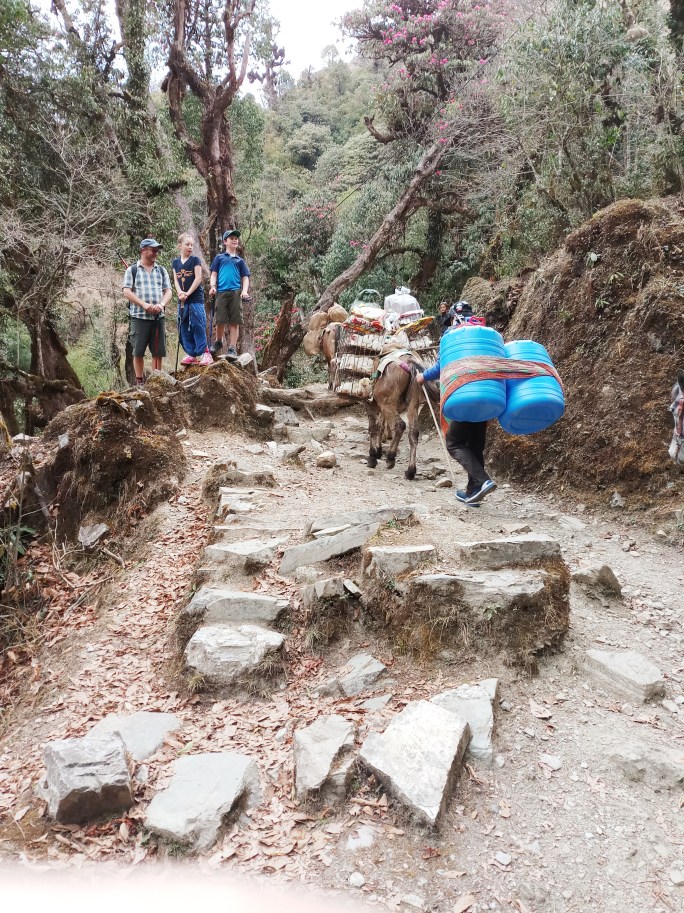
Ghorepani villageDonkeys transporting goods
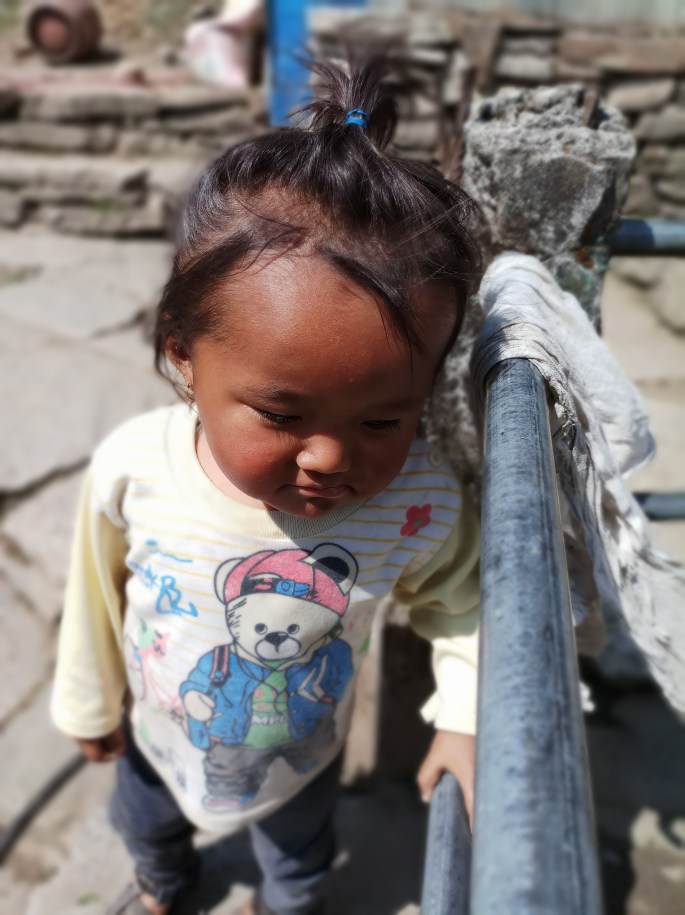
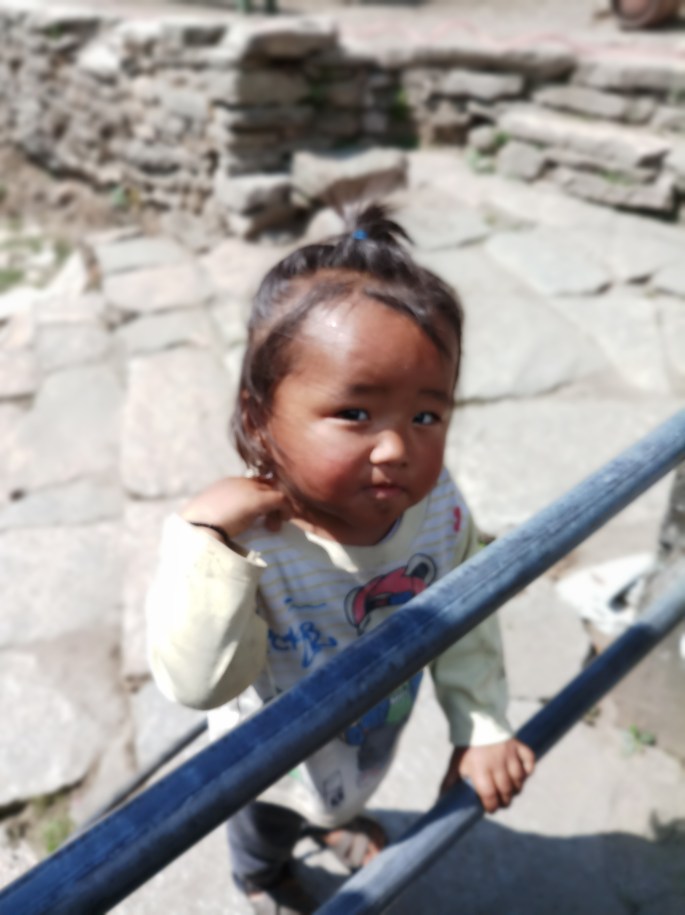
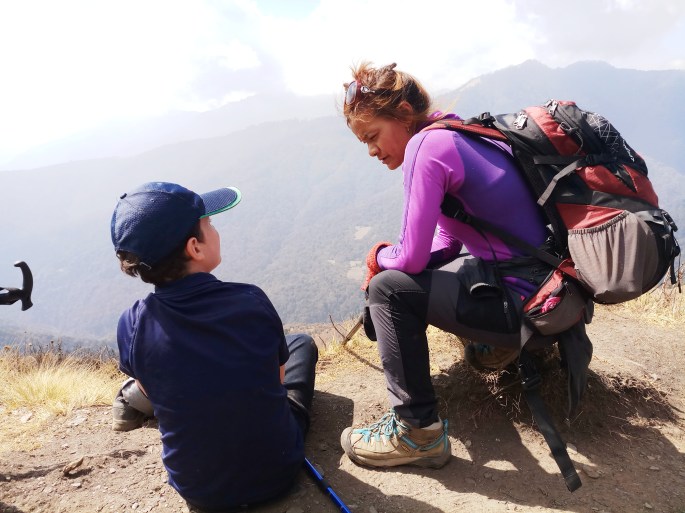
Our guide Kamala, is an energetic and whip smart Nepalese who has been guiding in this area for over ten years. We intentionally sought out a female guide, as the trekking business in Nepal is largely male dominated. We had a porter, Nir, quiet and sweet who carried our pack with our gear. Compared to many porters and Nepalese on the trail, his pack was light. Nir is solid, built like a tree. The Nepalese in the mountains are extremely strong and fit. People here carry huge loads on their backs, balanced by a strap over their forehead. Older women and men traverse these hills, baskets heavy on thier backs, often flimsy rubber flip-flops on thier feet. Children scamper up and down steep stairs with grace and ease daily. They often have to walk over an hour to school one way.
Jack and our guide Kamala
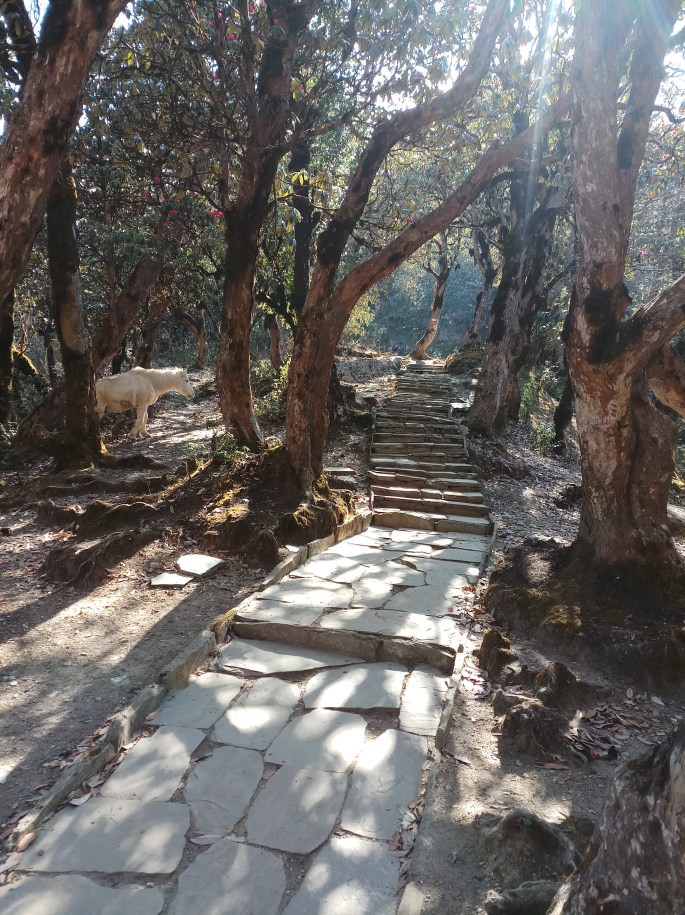
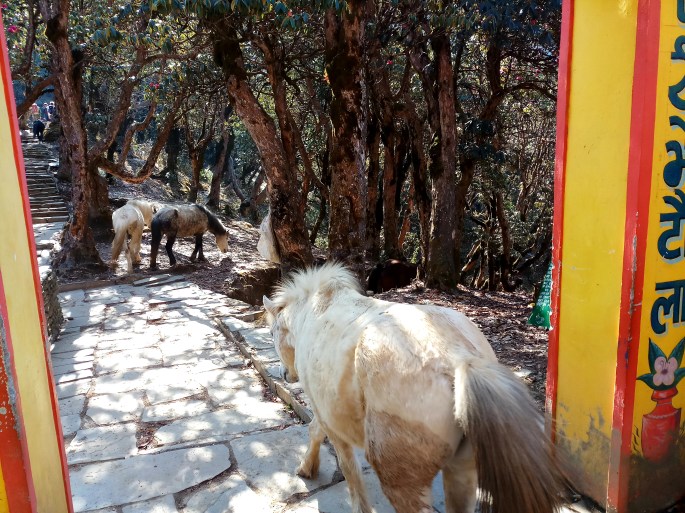
Came across one stream bed with hundreds of stone shrinesrhododendrons in bloomHorses loose in the forest grazing
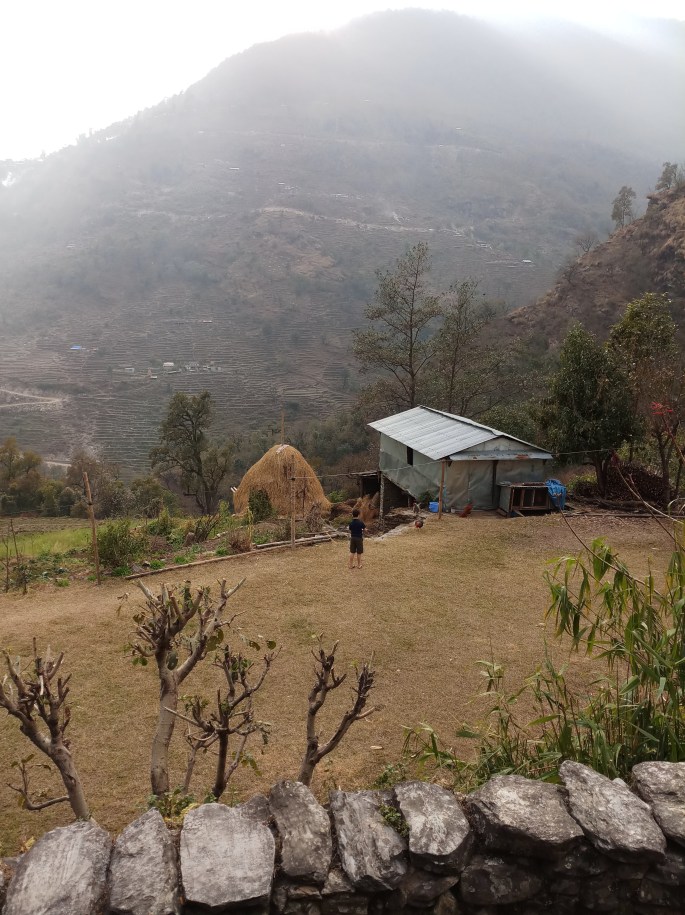
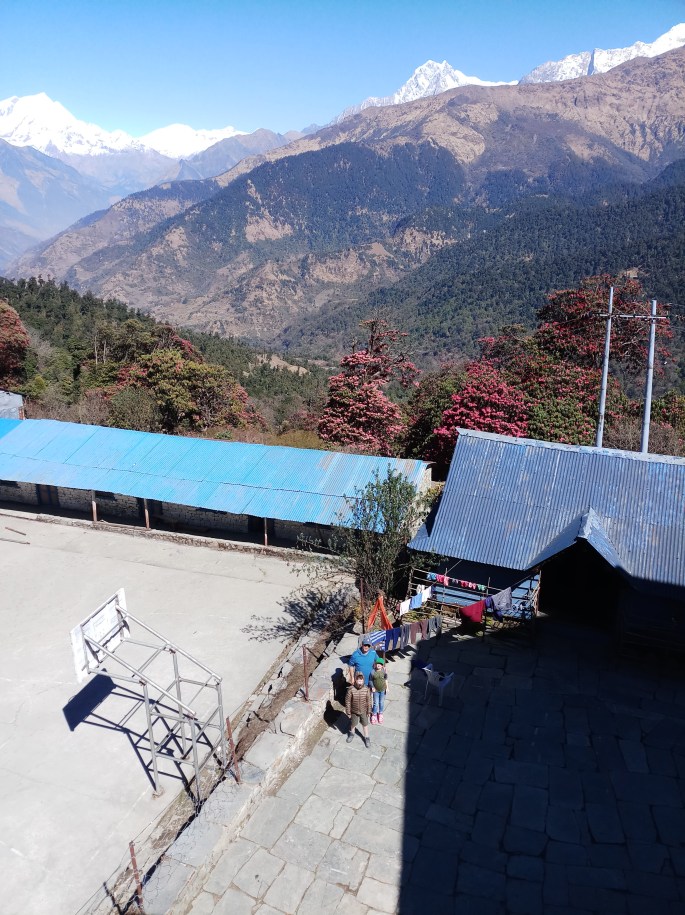
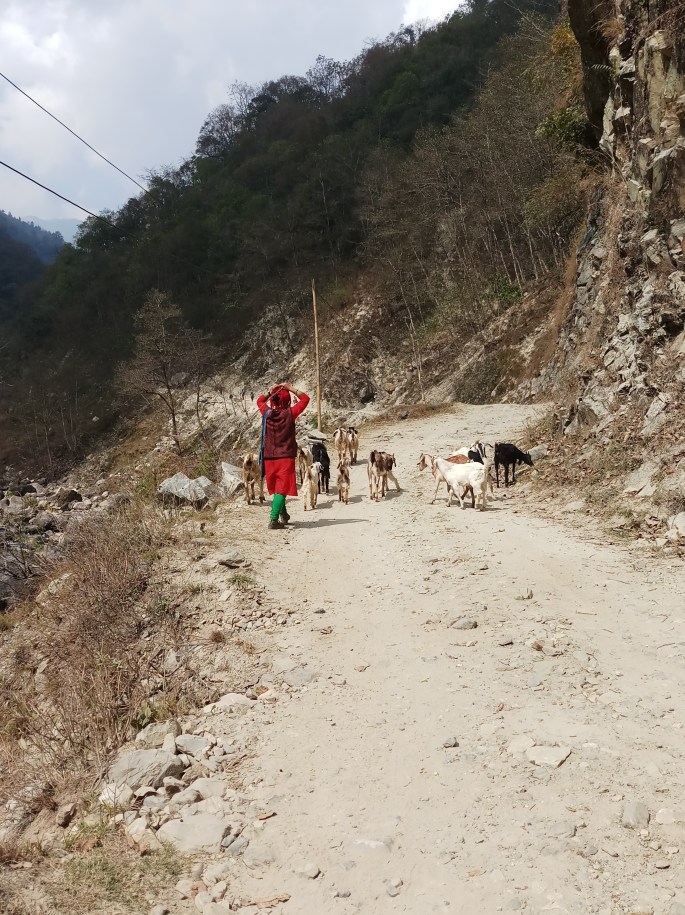
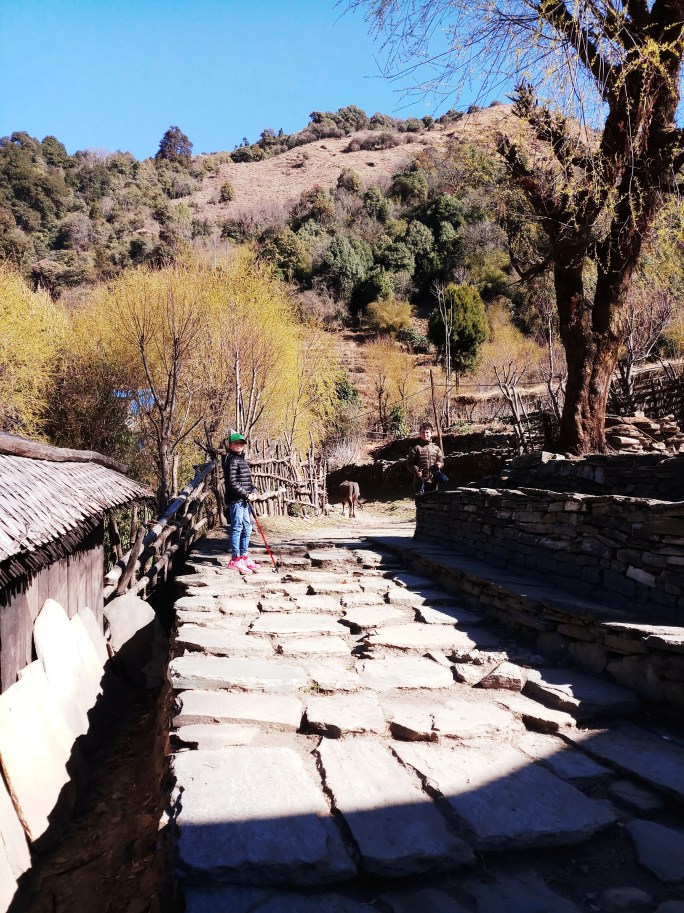
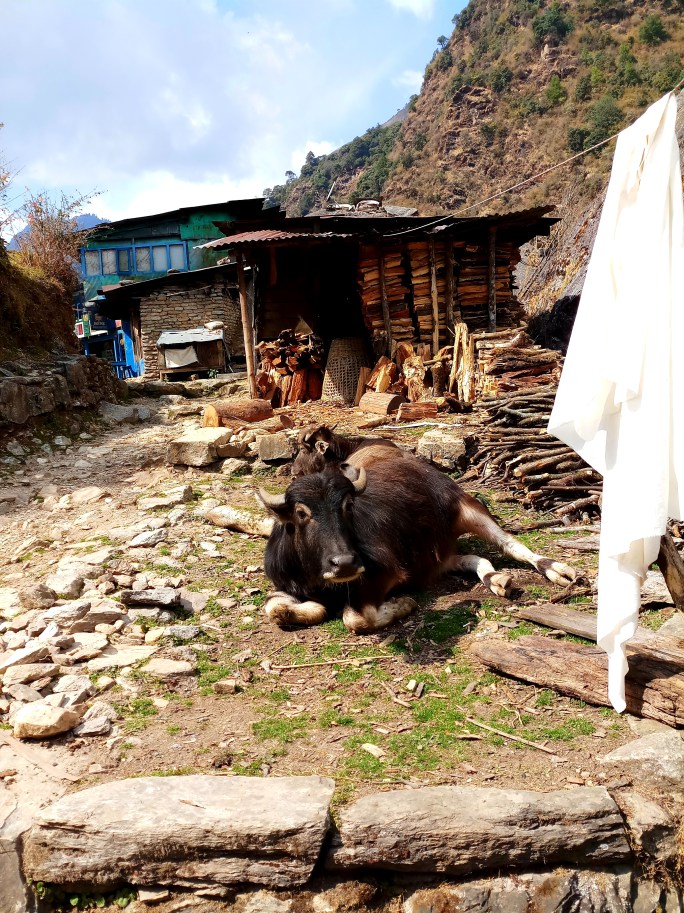
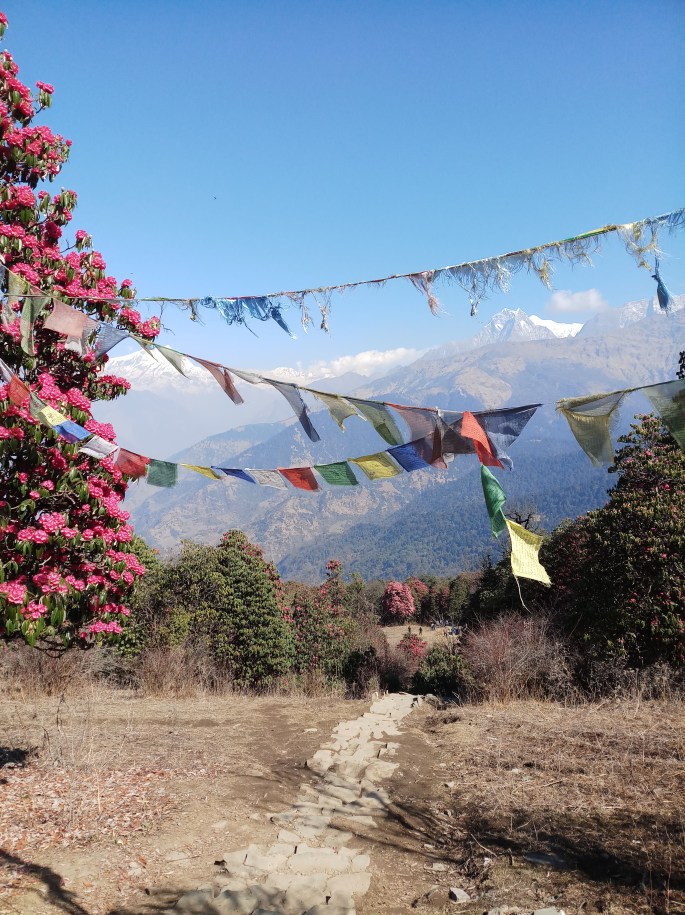
I cannot describe the beauty of our days. Every morning we would awake and start walking with the giant snow-covered mountains at our side. Once we walked through the wild rhododendron forest, red blooms on large old trees surrounding us. Our path was often made of stone, the steps made from the sweat and toil of villagers. These paths are years old and serve as connecting “roads” between villages, the traffic being on foot or donkey. We would greet cows, water buffalo, donkeys and horses along the trail. Mountain dogs follow trekkers miles from village to village, well fed and glossy coated, they travel the mountain paths with little effort.
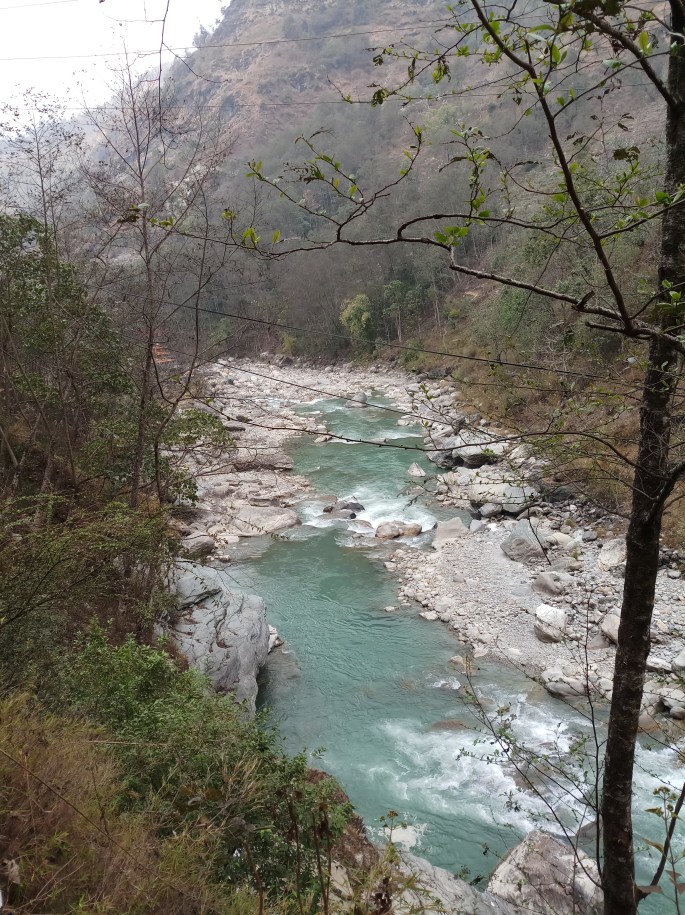
GoatsThe water is snow melt from the mountainsFarming in the mountainsDogs would follow us miles, Jack was in heaven
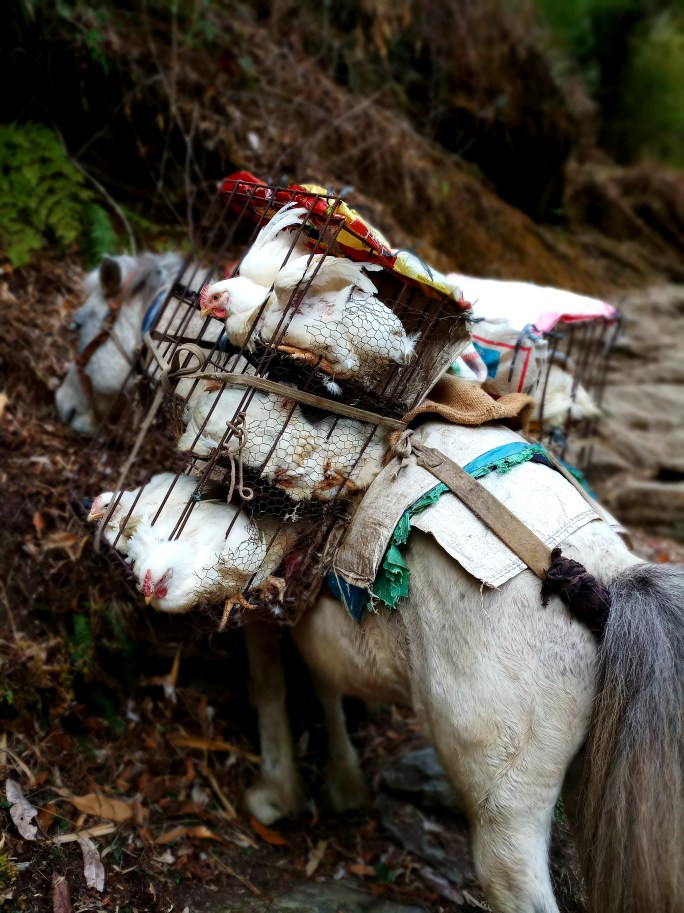
Mountain transport of goods on the backs of animals and people
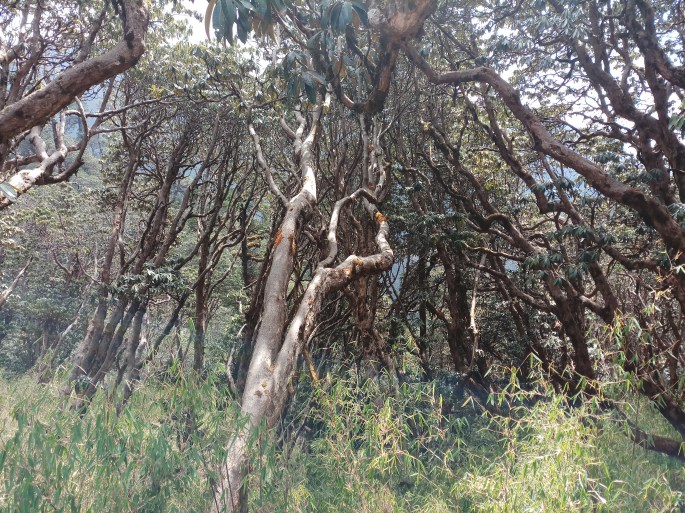
rhododendron trees and bamboo
This trip renewed my faith in the future. I am hopeful that beauty and wild places still exist. The trekking industry and tourism does not seem to be altering these areas in a harmful way, in fact since this is such a draw, perhaps this type of eco tourism is key to saving these vast open spaces.
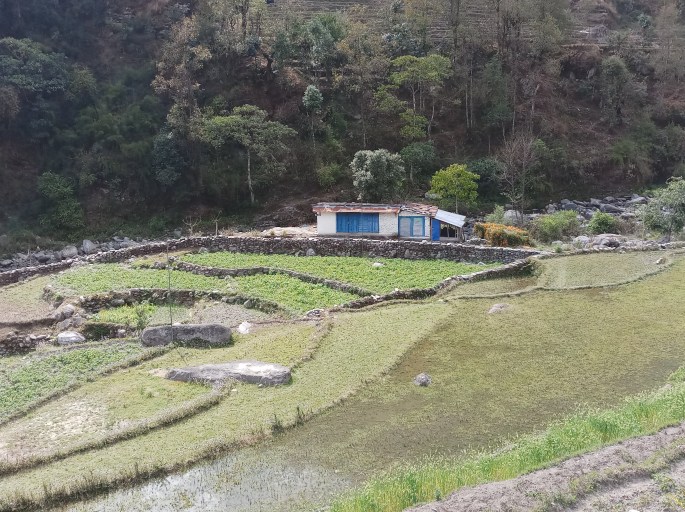
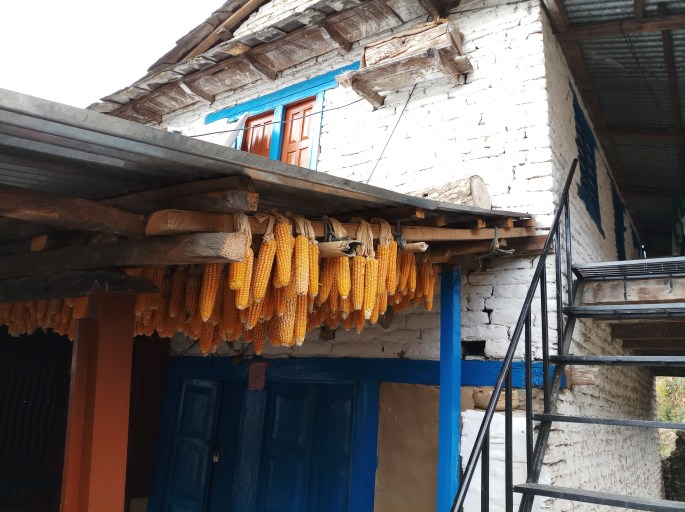
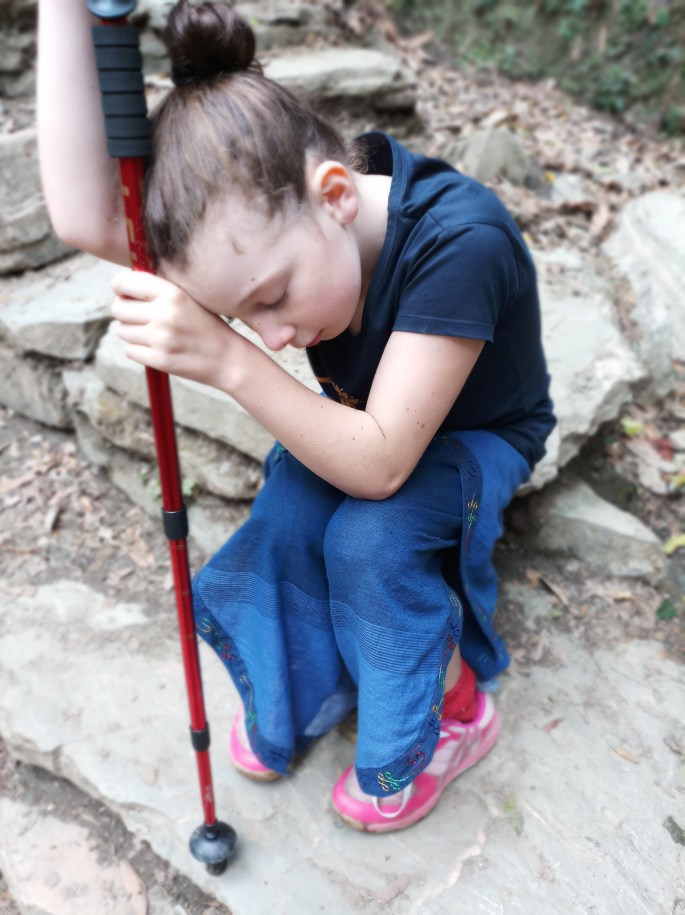
In the mountains people grow wheat, rice and corn, rotating crops in the same terraced plotTaking a much needed break
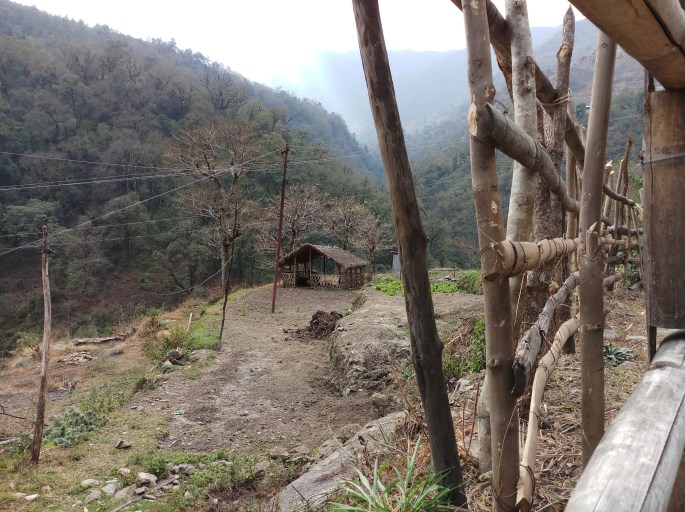
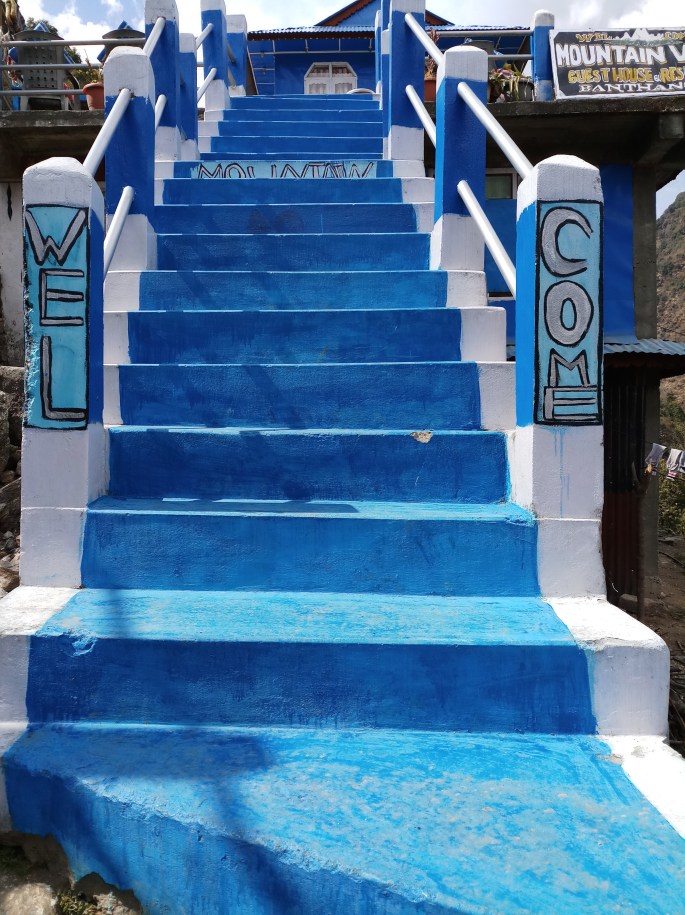
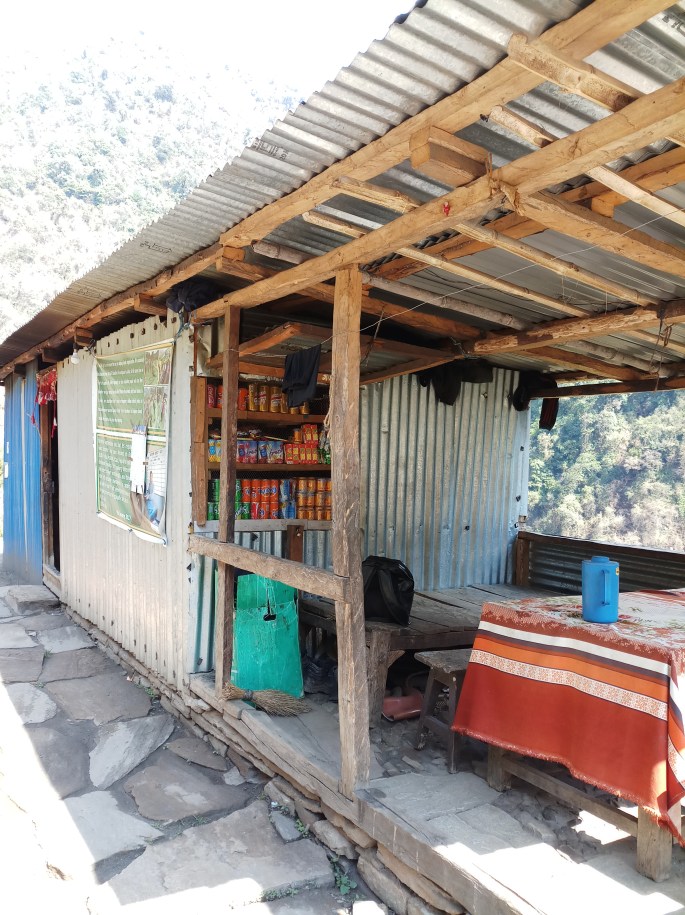
Crossing clear blue waterHappy cabbagePeople live in very simple structures made of tin,wood and stone. It doubles as a store/rest area for trekkersAmazing garden on the patio of this tea house
Our experience will shape our future choices, and we will seek out walks and camping more. We are already researching trekking in Sri Lanka, our next country. Witnessing our kids potential made us realize how much we actually can do.
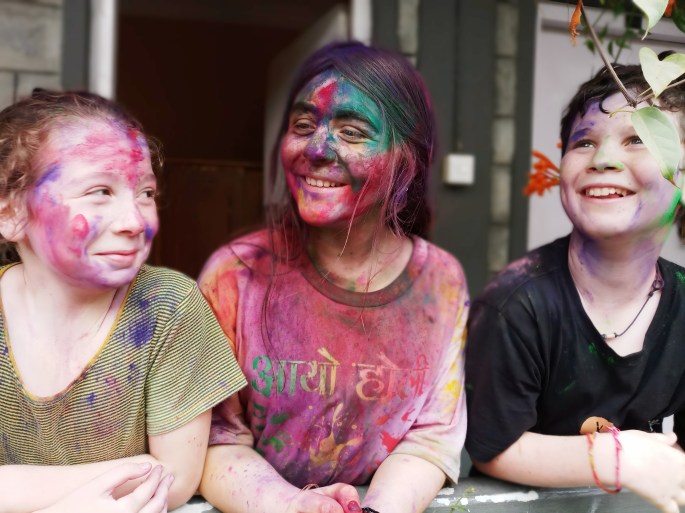
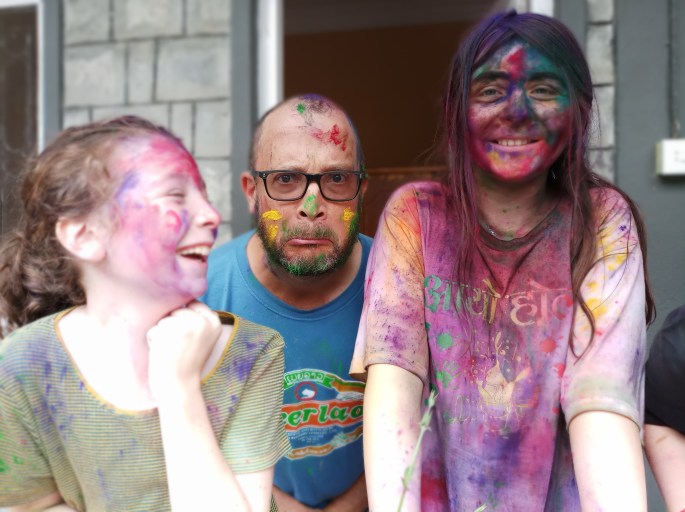
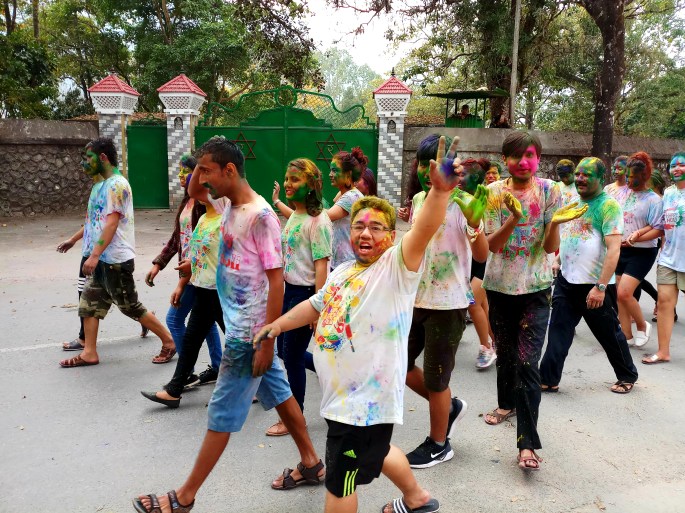
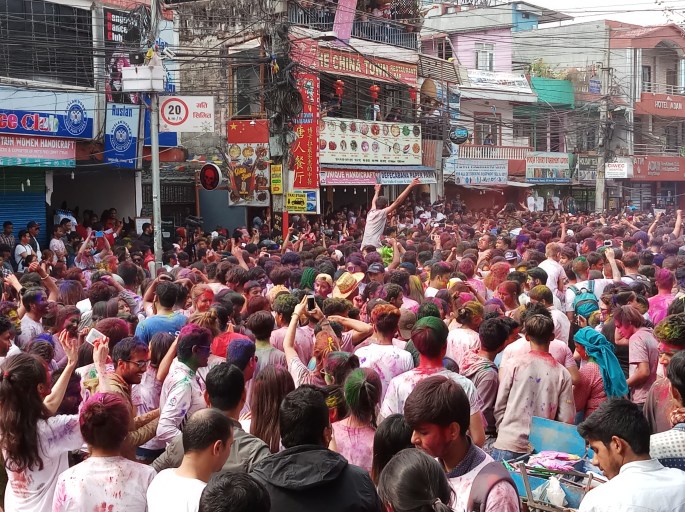
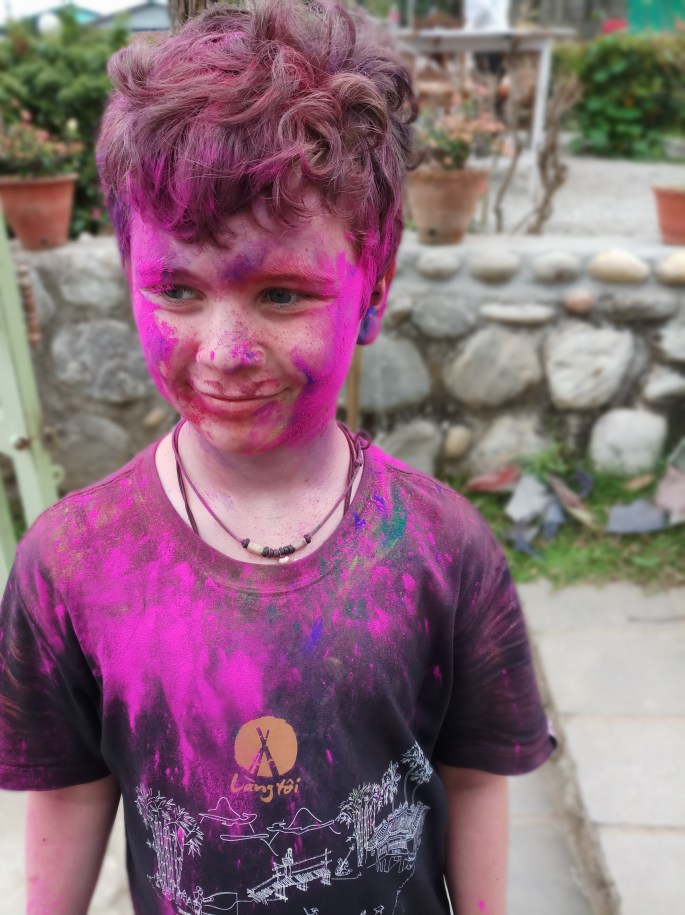
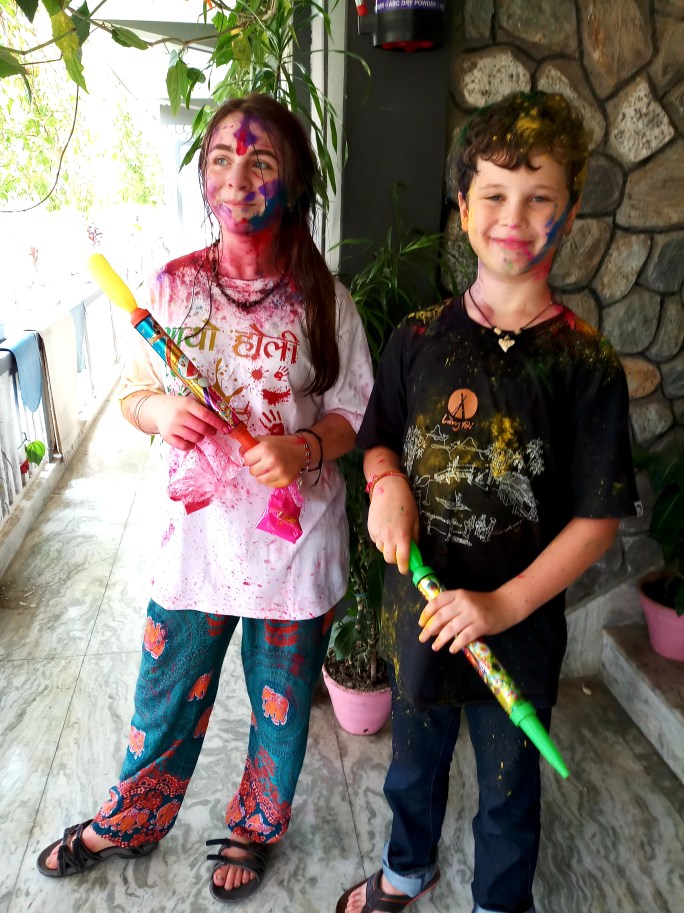
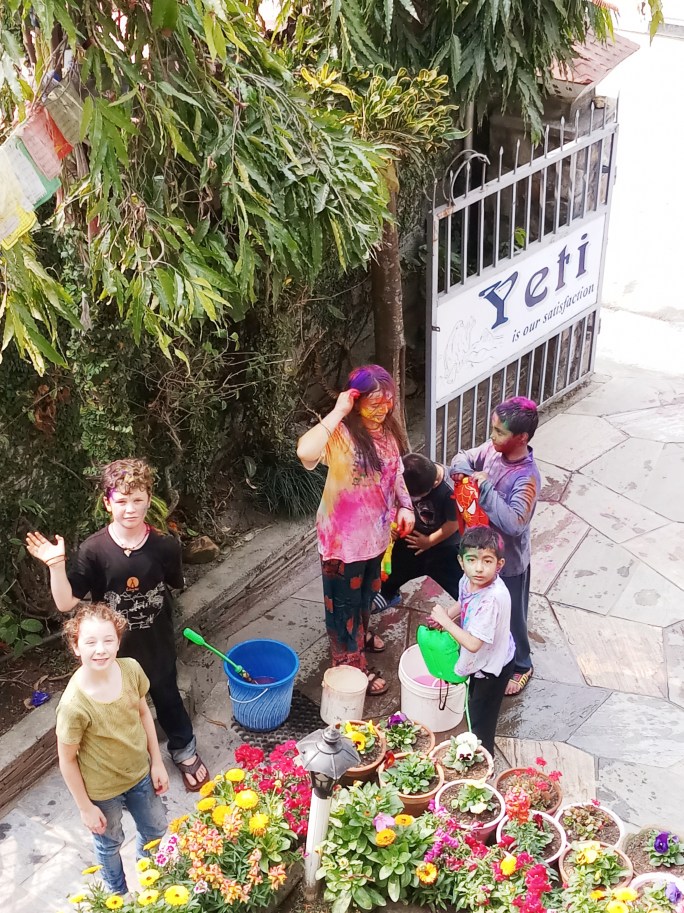
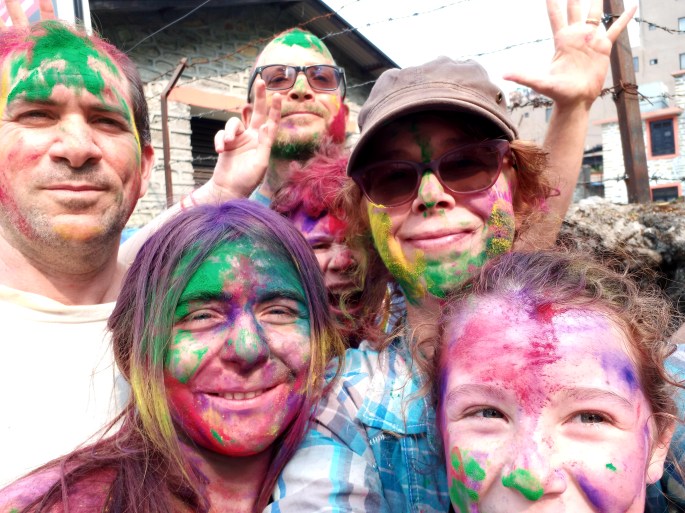
Holi, a Hindu holiday celebrates the triumph of good over evil and commemorates the end of the darkness, or Winter and the start of Spring and color. Observed in South Asia, young people dance in the streets and throw powdered paint and water on each other. We happen to be here in Pokhara, Nepal during Holi, and joined in the fun. It was a really joyous happy day and the main Lakeside street of Pokhara was shut down to traffic and there were many stages that played loud Nepalese rock music while the raucous young crowd jumped and sang along.
We met Shai and Noa, father and daughter traveling for a month in India and Nepal and our children quickly joined forces to play Holi in the streets with other children.
The courtyard of our hotel
You can see the young man coming towards me with yellow on his hands that ended up all over my face.
Fresh out of battleFilling the squirt guns with water with the local kidsShai and his daughter Noa
Nepal. Located between India and Tibet. Nicknamed the “roof of the world” paying tribute to its high elevation and the Himalayas.
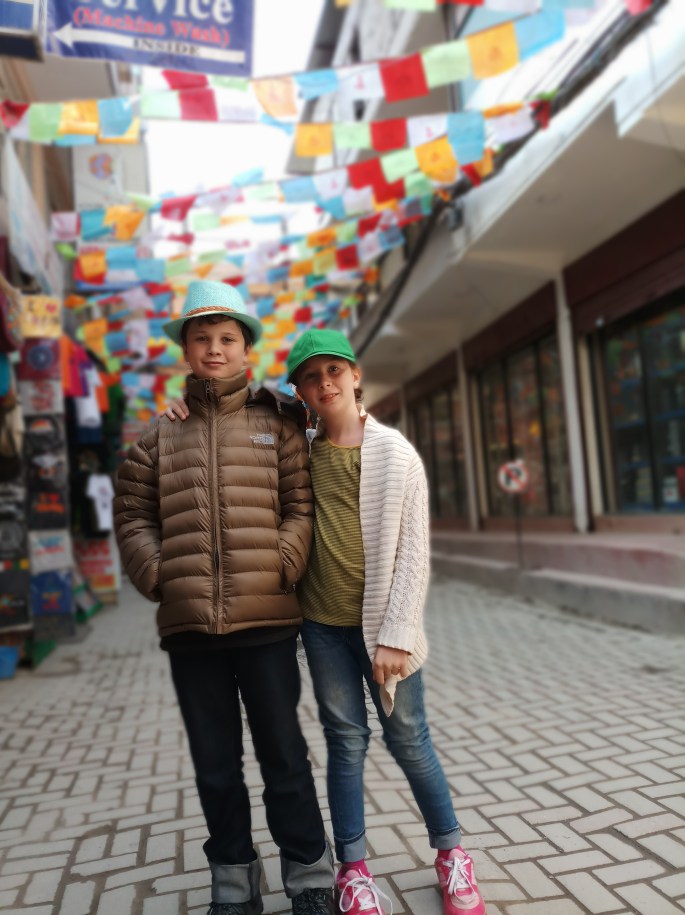
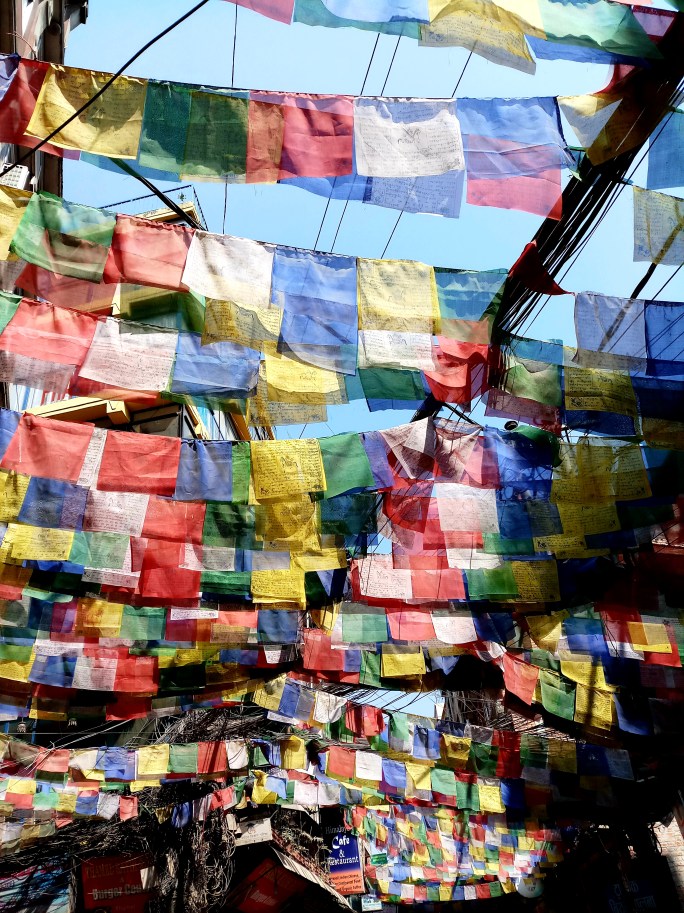
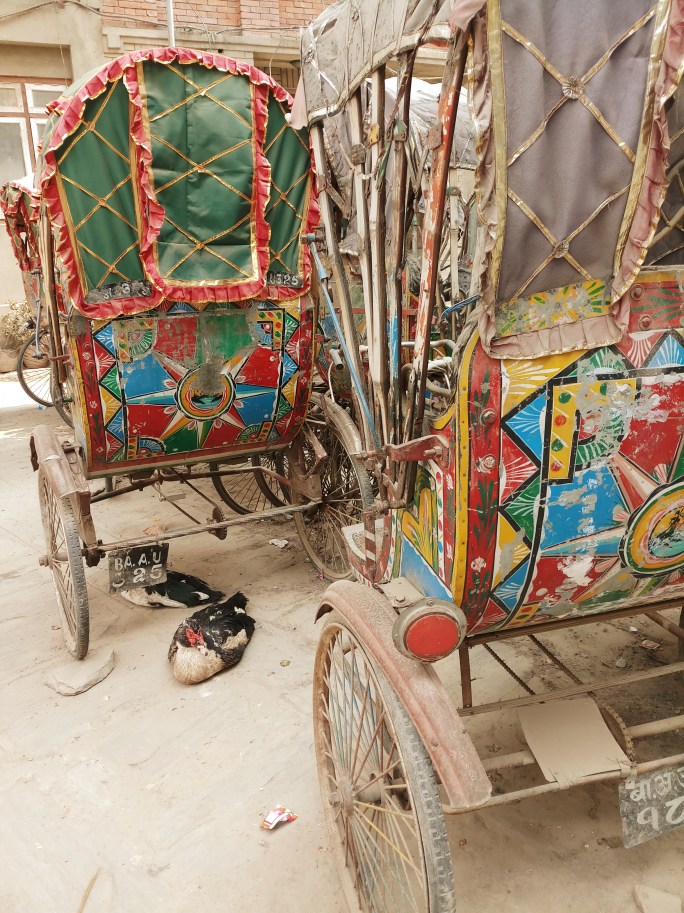
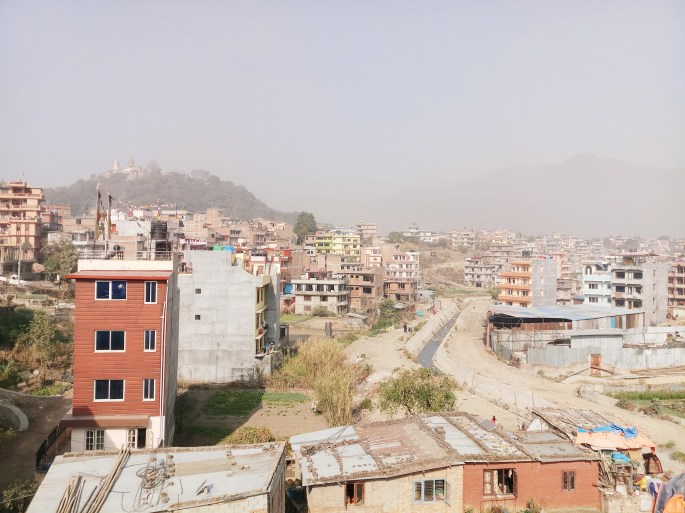
The miracle of air travel makes these transitions even more jarring. In fact the moonscape of Kathmandu, a city consisting of buildings emerging from cement rubble, pot holed muddy streets heavy with honking traffic and women wearing colorful traditional clothing traversing the complicated terrain, contrasts sharply from the Western cosmopolitan Kuala Lumpur. It is like the 2015 earthquake happened last month and the city wages war with cement dust , ultimately failing. Defunct water systems and roadways abound. We are caught off guard by the similarity to a war zone this city resembles. I am sure people from Yemen and Syria would roll their eyes at us, but perspective is all relative.
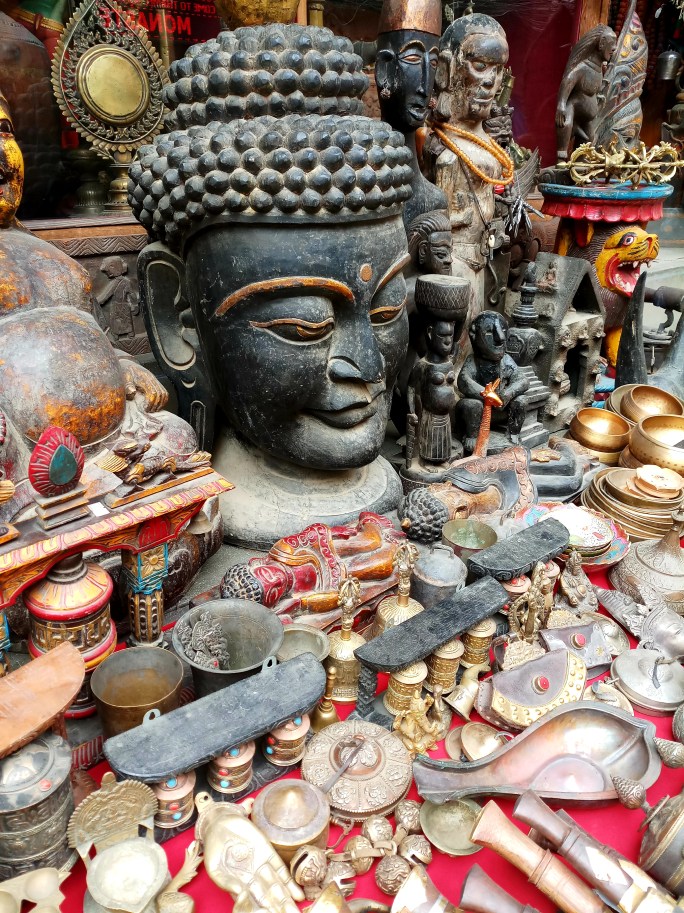
Evidence of people living in Kathmandu date back to 300bc. The oldest firmly dated building in the earthquake-prone valley is almost 1,992 years old. This area is rich with Buddhist spirituality and culture. Nepal is a young country and unfortunately many of the young people go abroad to work. The level of poverty and pollution in Kathmandu caught us off guard. On our travels, we have been surprised how smog, can prevail even the countryside. In Oregon, we only had to confront air pollution during the summer fires. Imagine if every day were like that? Unless there is tighter regulation on industry and vehicle emissions, the air pollution that plagues the world is only going to spread. In the United States, I feel like I was quite isolated from these problems and largely unaware. Now the abstract has become real.
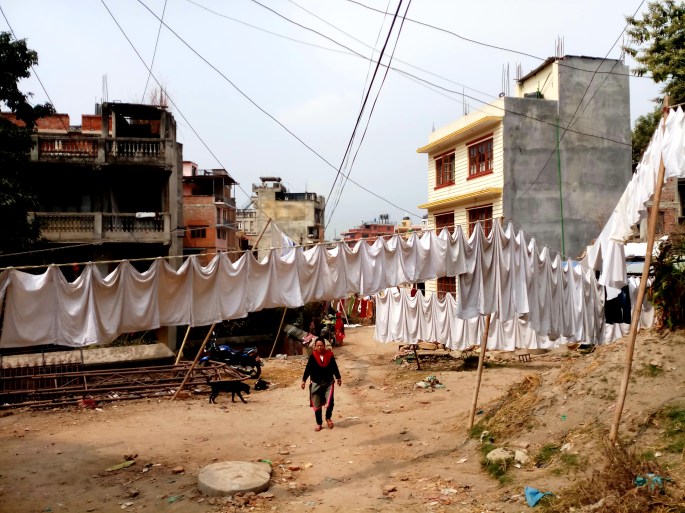
An area in the neighborhood where laundry for the hotels done. Sheets are laid out on the sparsely grassed dirt hills
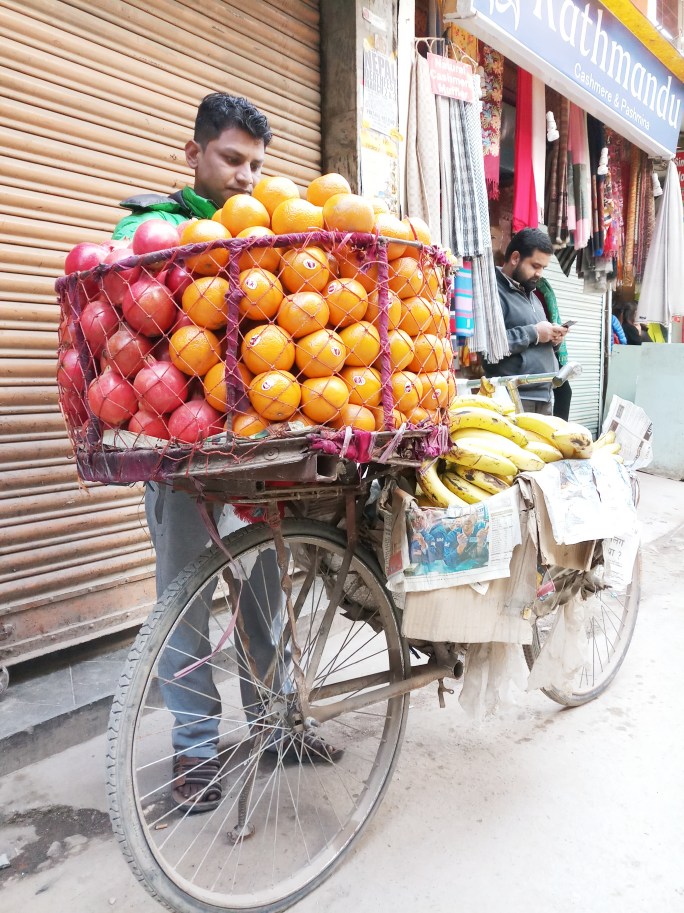
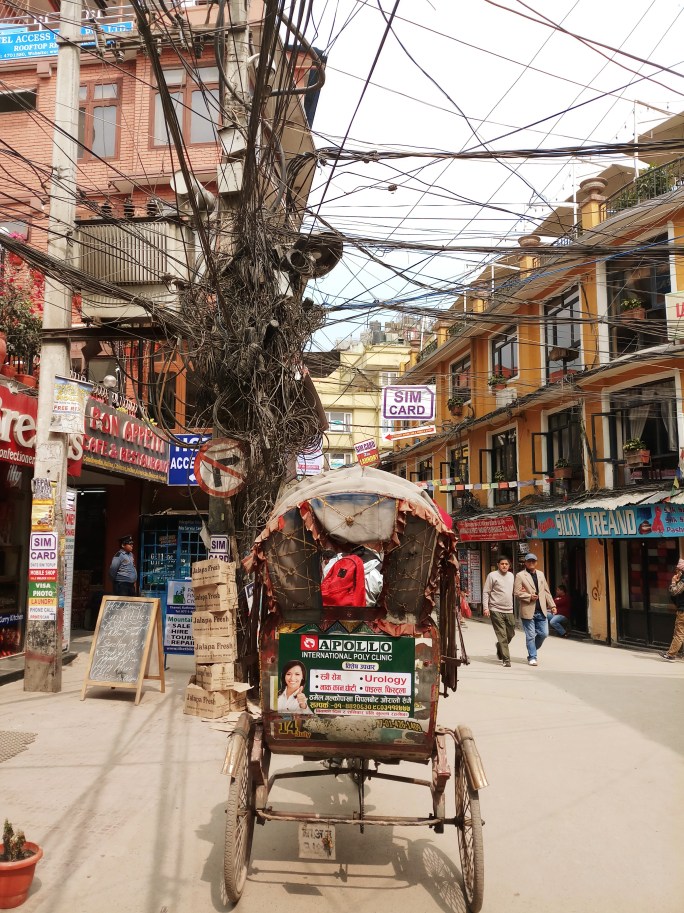
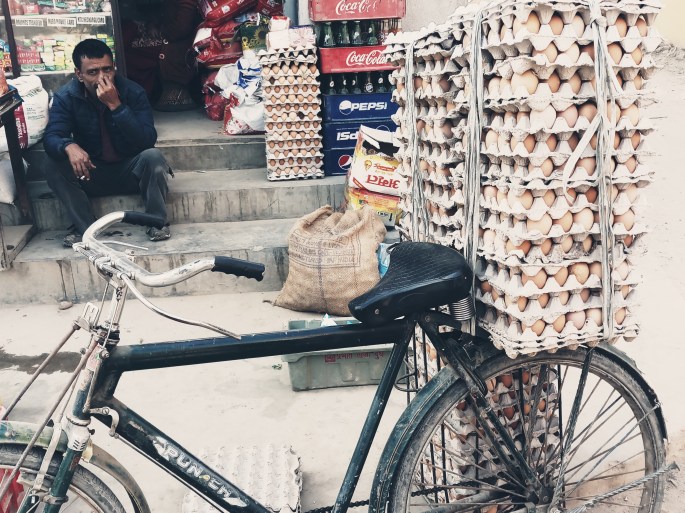
CyclosFruit is sold on bicycles outfitted with wire basketsThe wiring is even more complicated
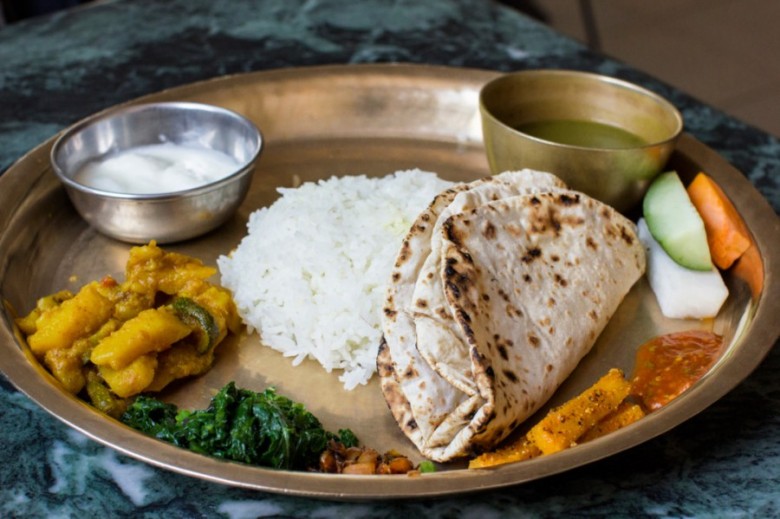
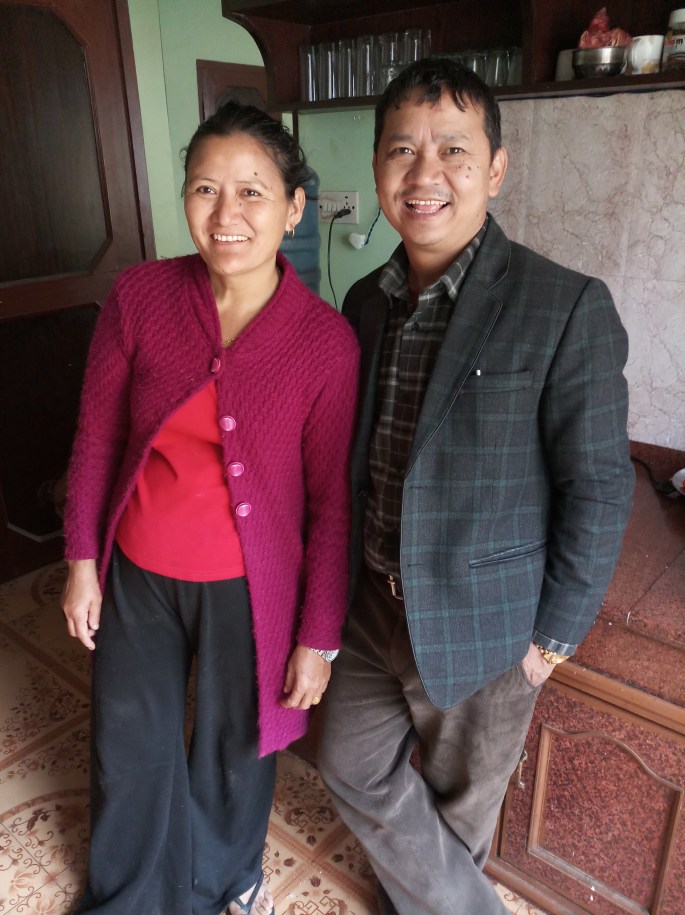
We are staying in a homestay, living in a room in a family home. Santu and Lasang are our hosts. Thier warmth and amazing food has made the adjustment to cold showers and frigid night temperatures easier to bear. Every night we eat Dahl Bat with the family and sweet tea. In the morning we have curry potatoes and chapatis. Our food is flavorful, vegetarian and served hot on heavy brass plates and bowls. I am in culinary heaven.
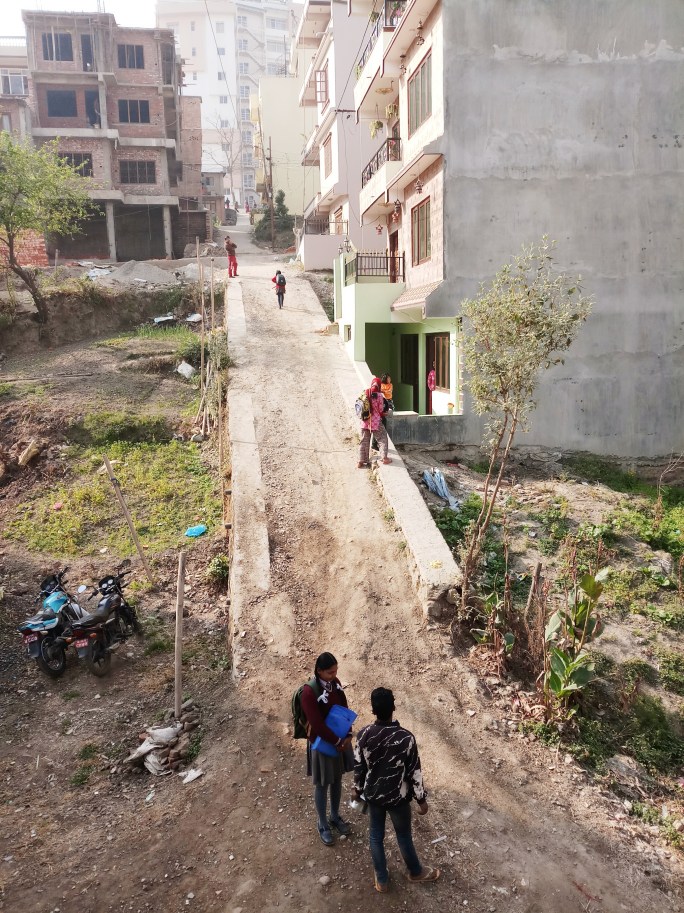
Santu and LapsangView from the roof of our homestayThe steep road/walkway to our homestay
Despite our chaotic and dusty surroundings, we are enjoying Nepal. The Nepalese people are genuine and friendly. They love our kids and are always concerned with their welfare and happiness. The food is layered with complimentary spices and the culture mirrors the food, interesting, enormously nuanced and steeped in tradition and history.
An odd thing has come to pass. Lately I have been feeling worn down. In response to my disenchanted comments regarding trash or traffic, there are comments from the peanut gallery. Addie defends Phnom Pen, saying its a great city as I stare at piles of garbage and bricks that block the sidewalk that force us to walk in the street. She is almost hurt that I would insult Cambodia and wonders aloud “What is wrong with it, it’s really nice” and then gives me a disappointed glance. I smile inwardly at the change in my children’s perspective. This is normal, this is fine. Our endless lectures about positive attitude and keeping your negative complaints inside your head, are actually becoming a part of their core, how they see the world. Big bowls of noodles and mystery meat are greeted with smiles and anticipation, not apprehension that would have marked the reaction at the beginning of our travels.
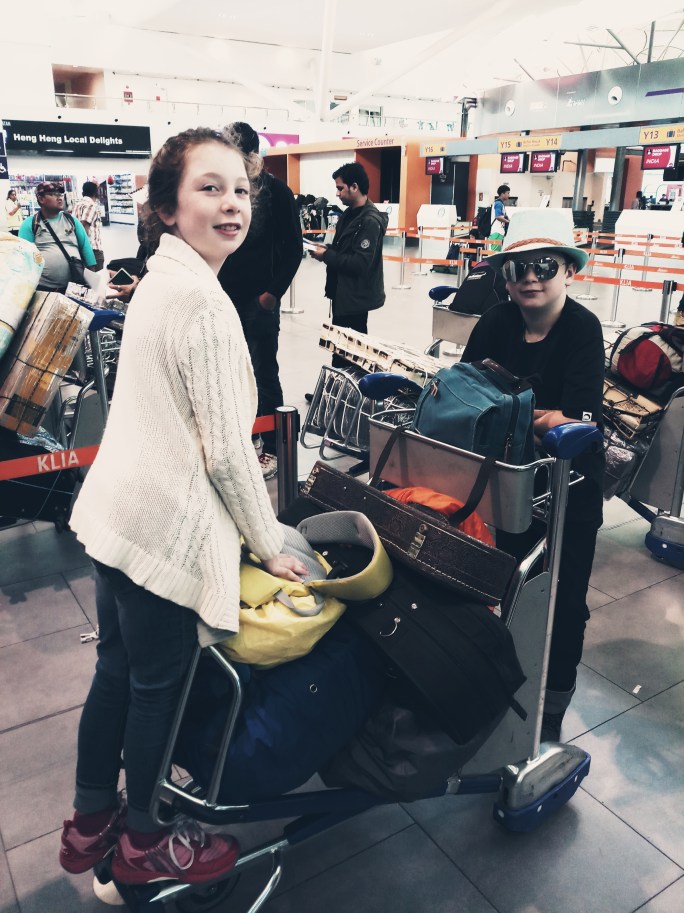
Kuala Lumpur Airport
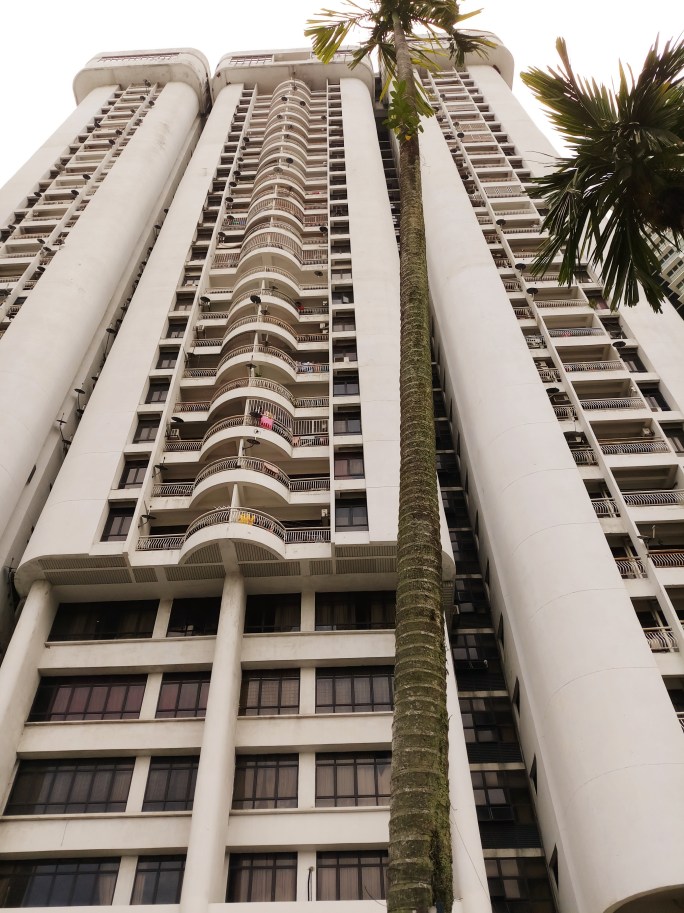
Today we are in Kuala Lumpur, staying on the twentieth floor of a highrise. Yesterday when we arrived at the airport, I felt like we had returned to America. It is very western here, clean bright stores with plenty of items for sale. There are no cows in the road. Everyone drives the right direction. Living here, we are on an island of buildings, walking is difficult and Malls are the town center. Getting ready for our trek in Nepal we have pledged to take the stairs up twenty floors instead of the elevator. Today, my children state excitedly that we are going to run up the stairs three times, up to the thirty-seventh floor. I shake my head, I am not running up thirty flights of stairs. Lucky if I make it up walking.
Jack has voluntarily given up his device and video games and You tube videos. He decided that this trip was too important to spend time looking at a screen. As parents we marvel. The device has been put away.
Yesterday in the elevator, we befriended the waiter of the restaurant at the base of the condo. He was the nicest and friendliest guy. We proceeded to go to the restaurant. It was empty, and sterile, the menu limited. We then had the worst meal of our trip. gelatinous vegetables, soggy french fries with a hint of rancid, oily curry and a chicken patty that was as hard as a disk. Even the Coke was flat and watery. As I marveled at just how bad the food was, my children rallied and refused to say anything negative. I was hushed so as not to hurt the waiter’s feelings. Jack ate his whole meal with a smile and even Addie proceeded to eat her chicken even though it was really too spicy. It was not until we were safely out of ear shot that both children admitted that the food was not good. Even though the food was nearly inedible, it turned out to be one of the best meal experiences. I loved that my kids were so concerned about not hurting the staff’s feelings that they remained positive throughout the meal.
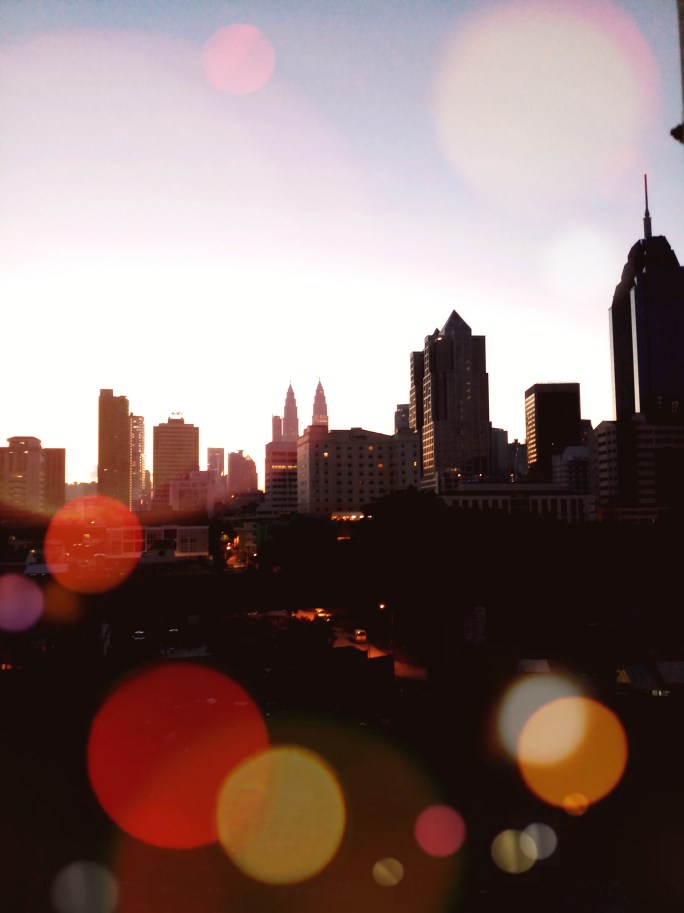
Kuala Lumpur sunrise
Our trip is having profound effects on us and we are learning so much about the world and ourselves. Now we fly to Nepal and I have no idea what to expect.















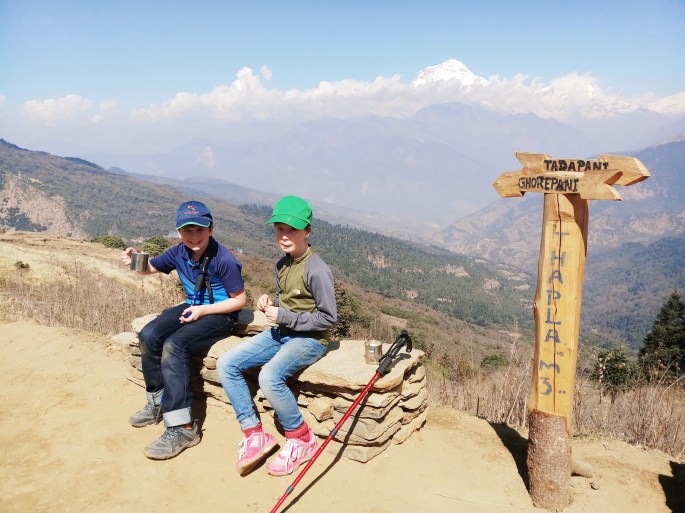
 We trekked through the Himalayas. Wow. Since we do not have a bucket list, it was not on it. But it should have been. Even though we did not climb Everest, our trek was awe-inspiring. After the dust and pollution of big cities, it was the salve that my aching soul needed. The breathing space that the vast hills and valleys of the Annapurna massif allowed me to fill my lungs with cleansing air. The simplicity of walking every day, up to eight hours, up and down steep stairs and paths, looking up to see the largess of the mountain peaks above was the quiet my mind sought.
















 Bochner Family Adventure