Quest to find the perfect beach

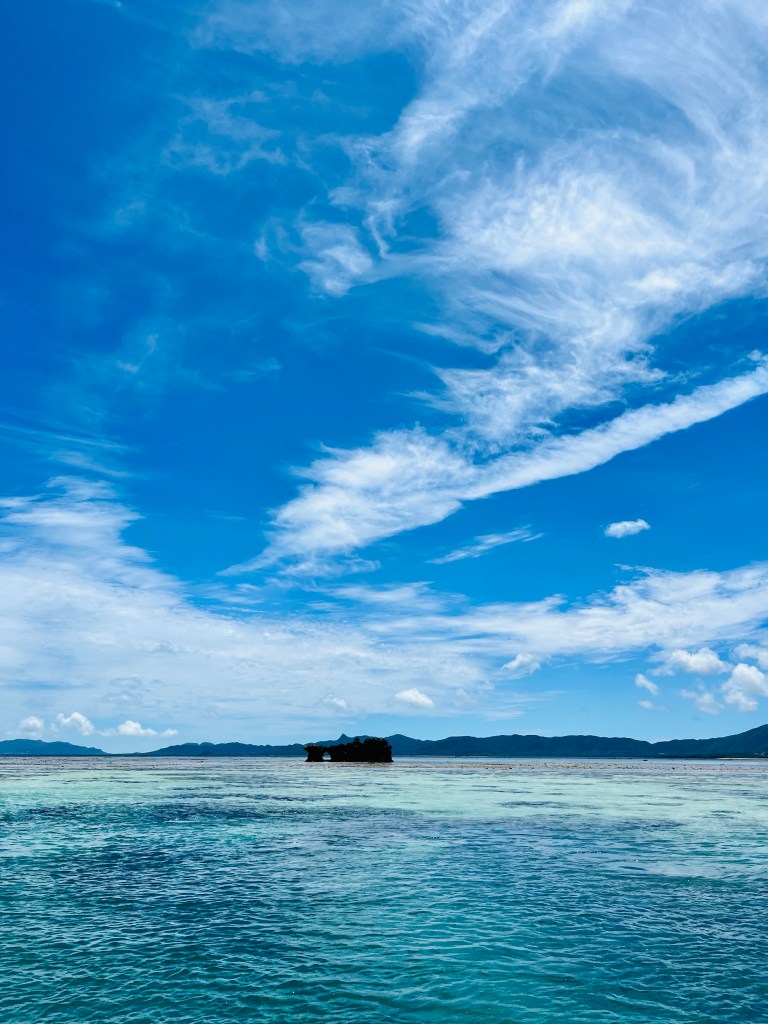
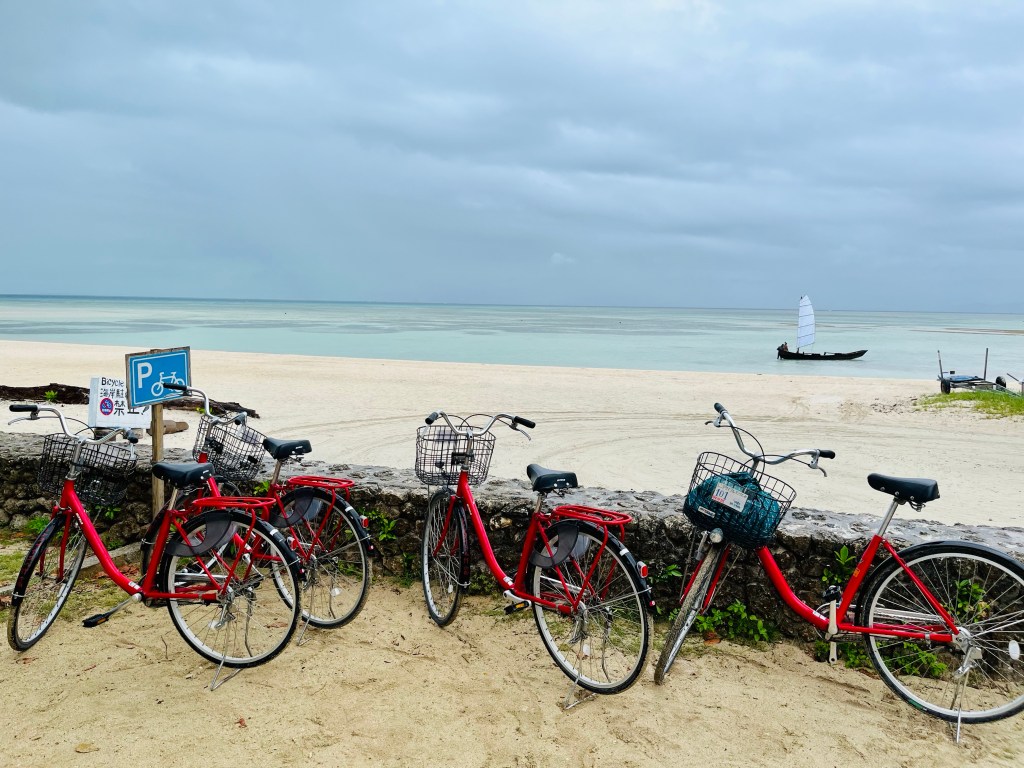
Originally I had visions of Ishigaki as being the Japanese Hawaii. While it is hot and has the island vibe, lots of T-shirts with spam and Orion beer emblems, we have yet to find a good beach to swim at.

Fusaki Beach

Fukasi image below from internet

Fusaki Beach Resort Hotel and Villas | Japan Cheapo

Tides are a real deal breaker here. Low tide means that the water does not come up above the knees. The beaches are painful to the bare feet. Covered with bleached white broken coral only signifies badness in terms of climate change. Box jelly fish are a threat so we tend to swim in the small netted off area set up by the resorts. Ugly buoys and large inflated structures disrupt the view.

Fukasi beach

Image below from internet

Sports and activities

The first beach resort wanted 2500 ($17) yen to rent one chair and umbrella for one hour. On principle we just could not pay it. As a result both boys got a nice burn, as the water was the only place we could comfortably hang.

Today’s beach, Fukasi actually had biting fish, Cork has small open chunks taken out of his shins. We again went to a resort and this time were able to sit in the chairs with sun umbrellas as the resort surveillance was loose. It was a good thing that we had coverage as it poured rain. Luckily both beaches were an easy 30 min bike ride so we did not have to take a bus.

We took two taxis to Yonehara beach, renowned for its off beach snorkeling. We did not have gear but plenty of people were exploring the shallow waters. We found a waist deep pocket of sea that we could submerge and escape the heat.
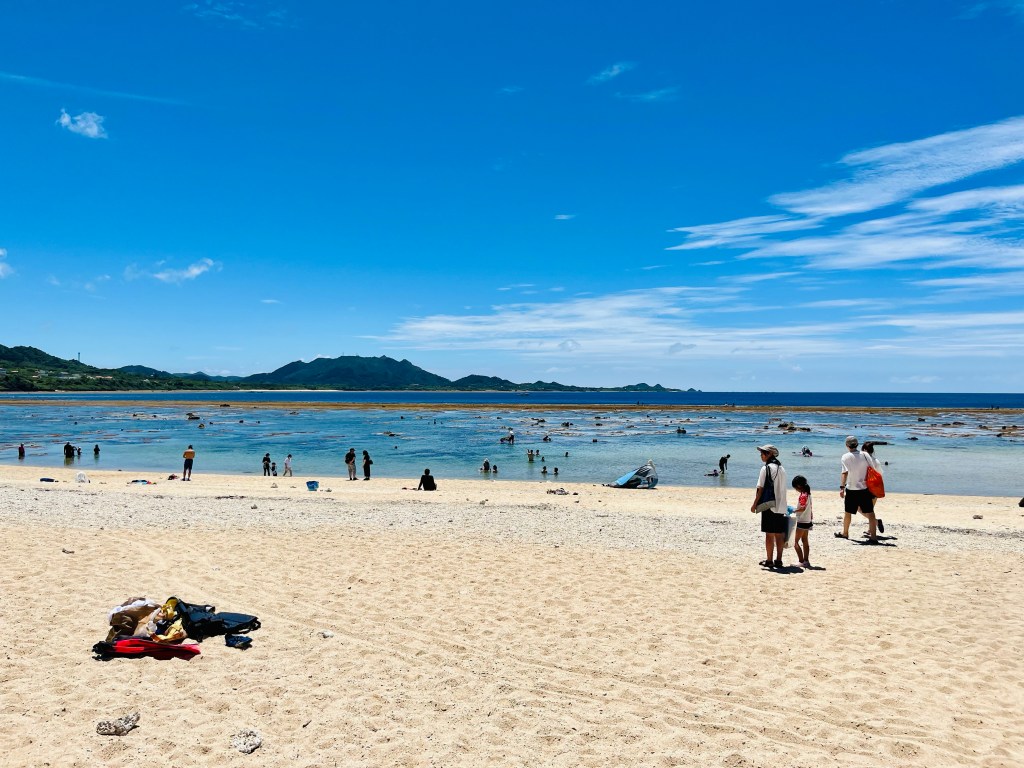
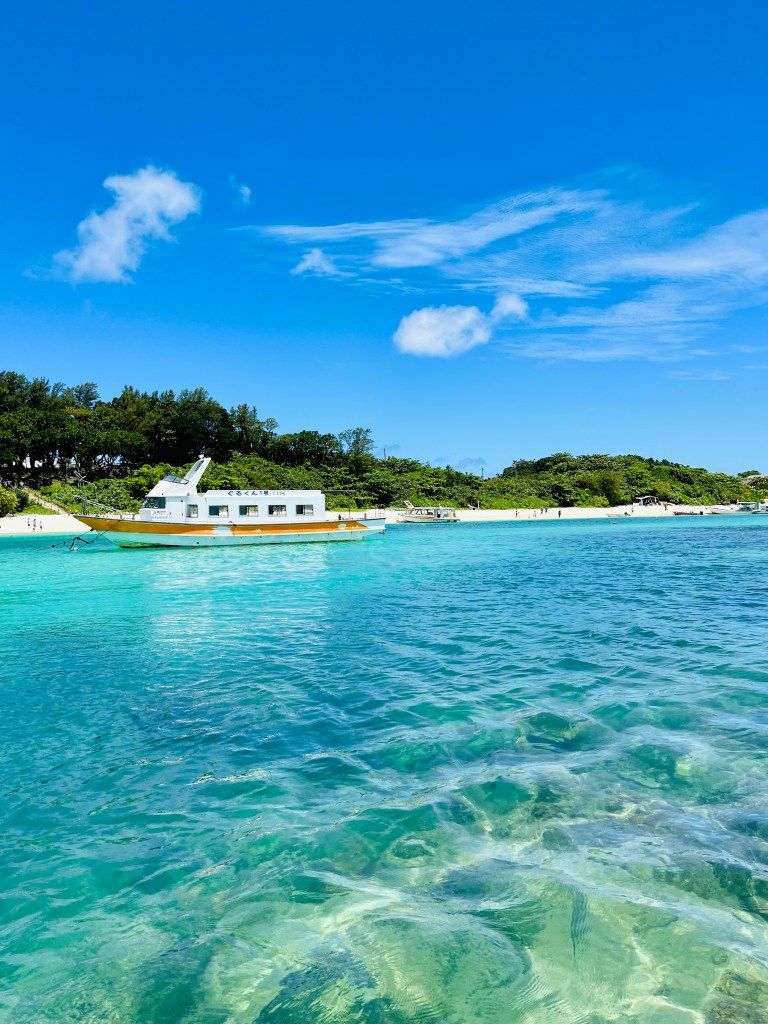
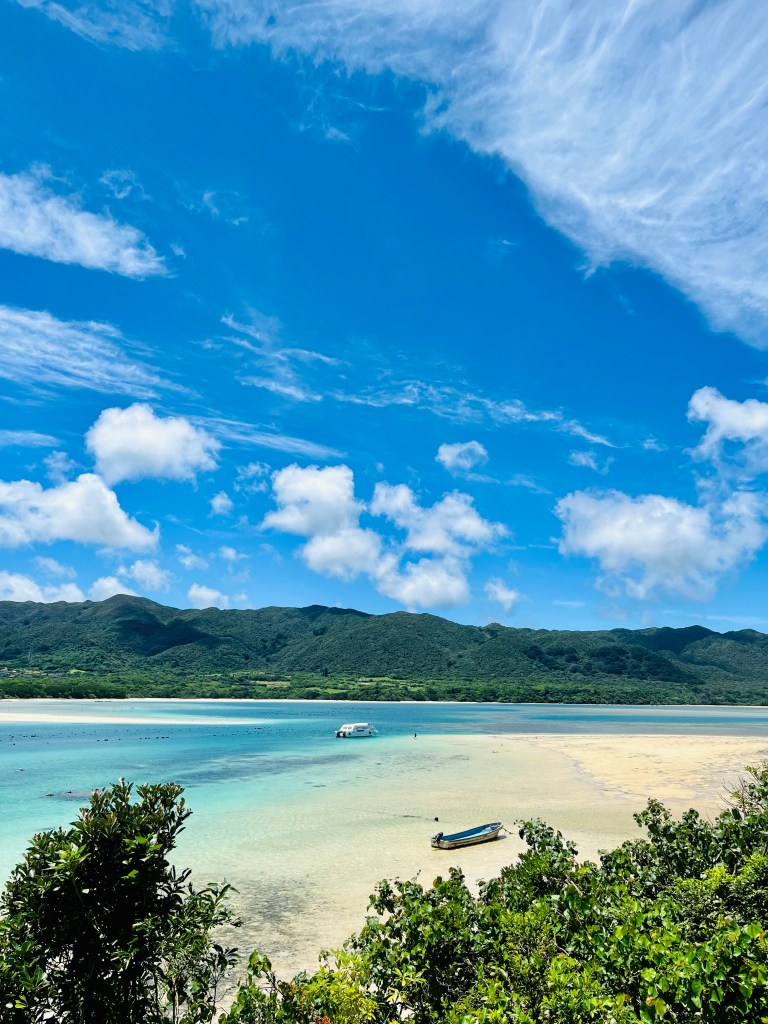
We did find that “instagram” beach after all. Kabira bay, white sands and turquoise waters. Perfect because it is protected and no swimming is allowed. There are only two places in Japan where black pearls are cultivated, this is one of them. It has been designated by the government as a Place of Scenic Beauty and the bay forms part of the Iriomote-Ishigaki National Park. 

We paid 1000 yen a person ($7) to ride on a glass bottom boat and witness the busy coral world. We even saw two magnificent sea turtles. The coral in Kabira Bay is relatively healthy, no doubt because snorkeling is not allowed.
Shisa: the guardians of Okinawa

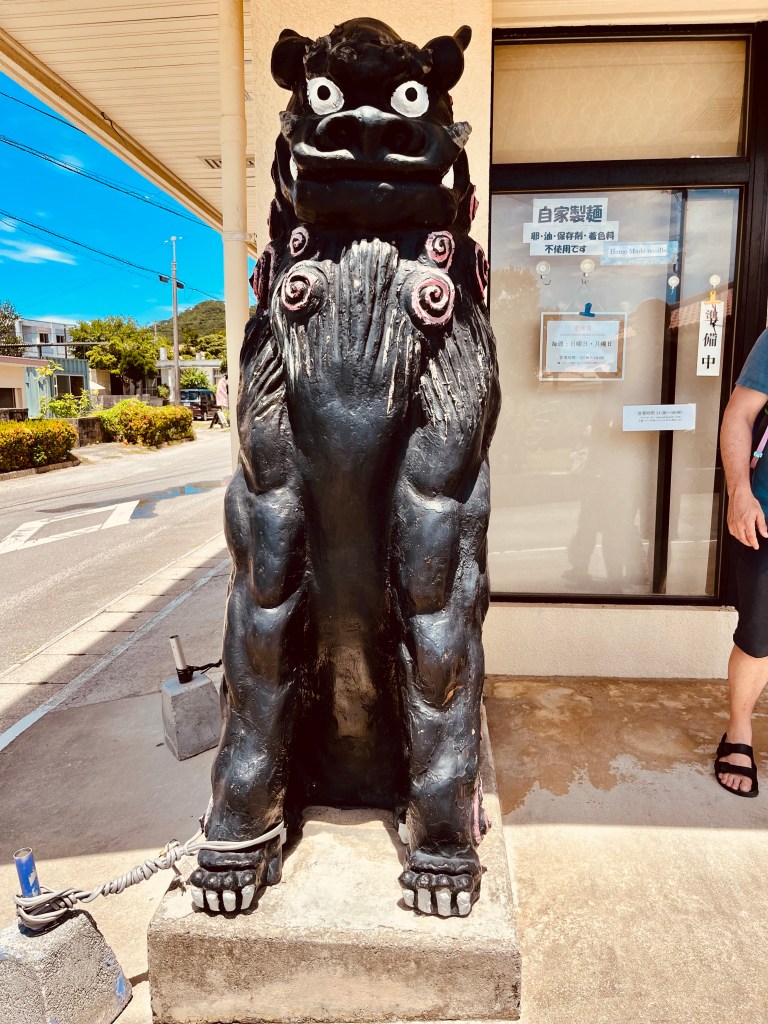
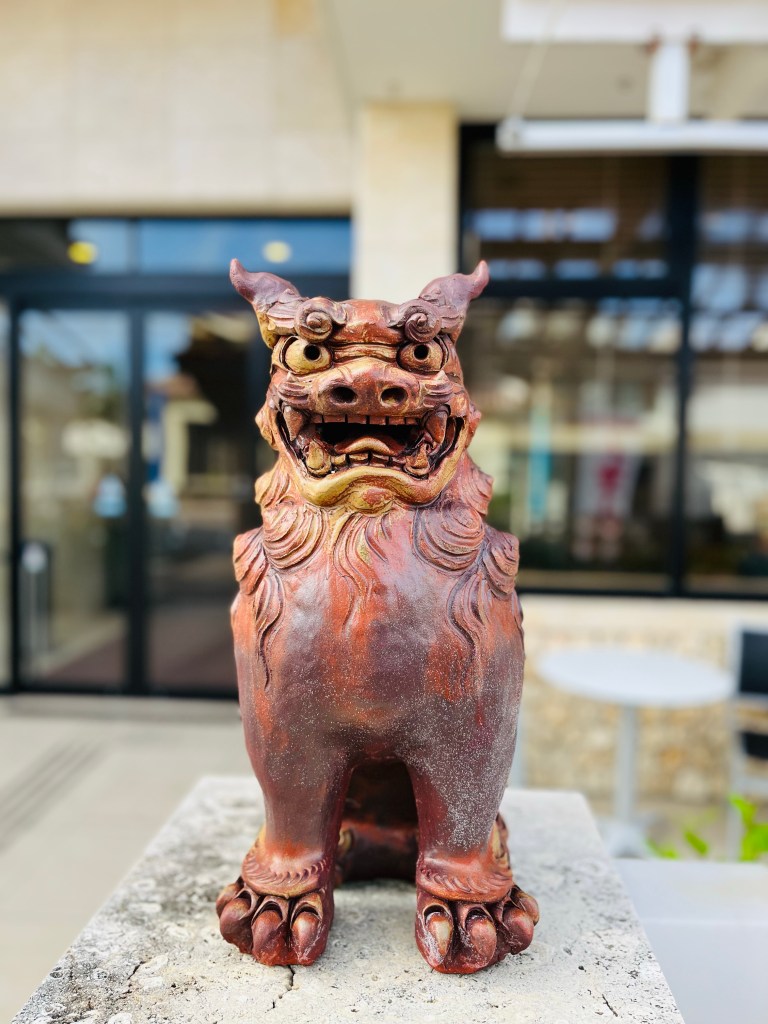
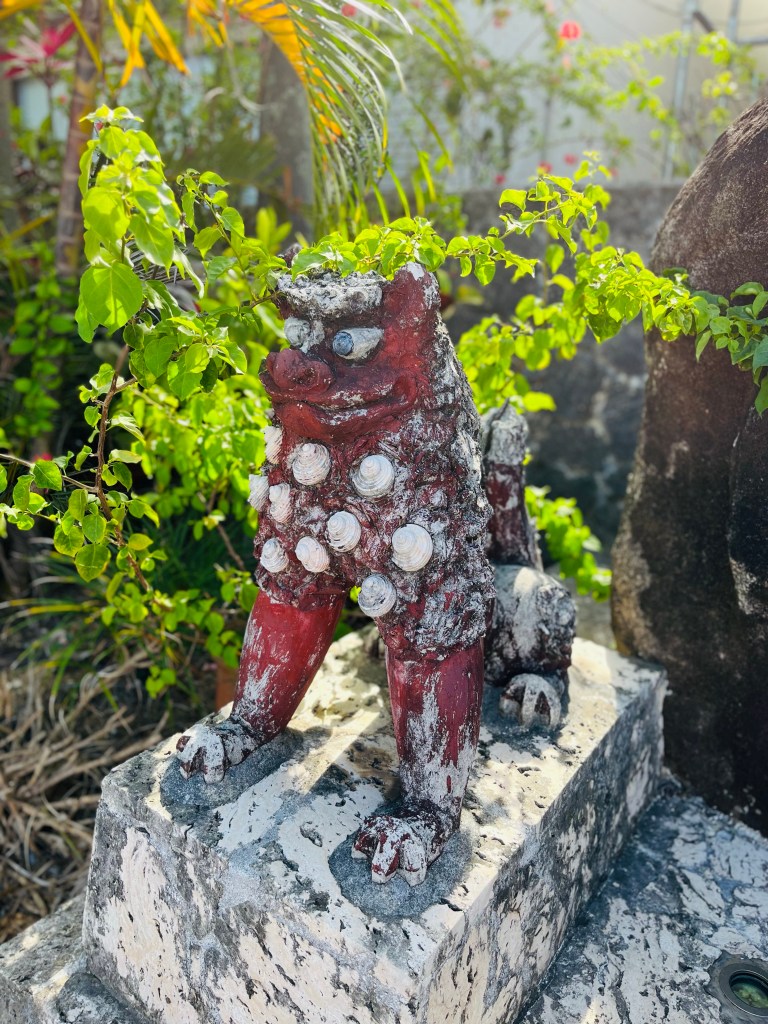
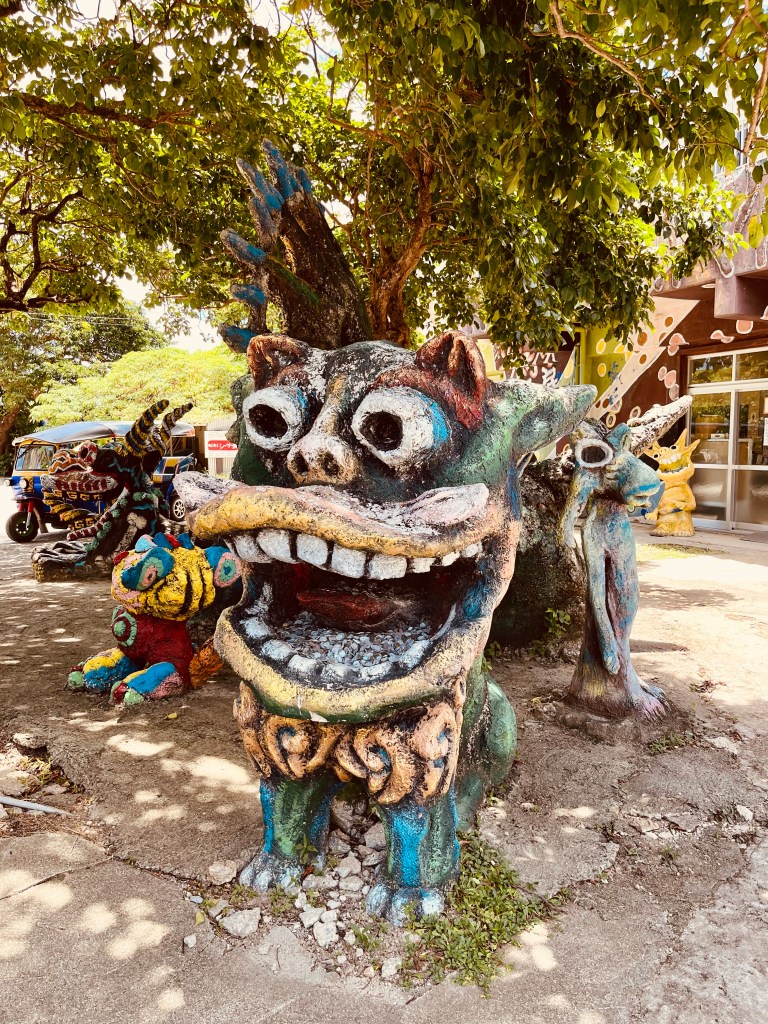
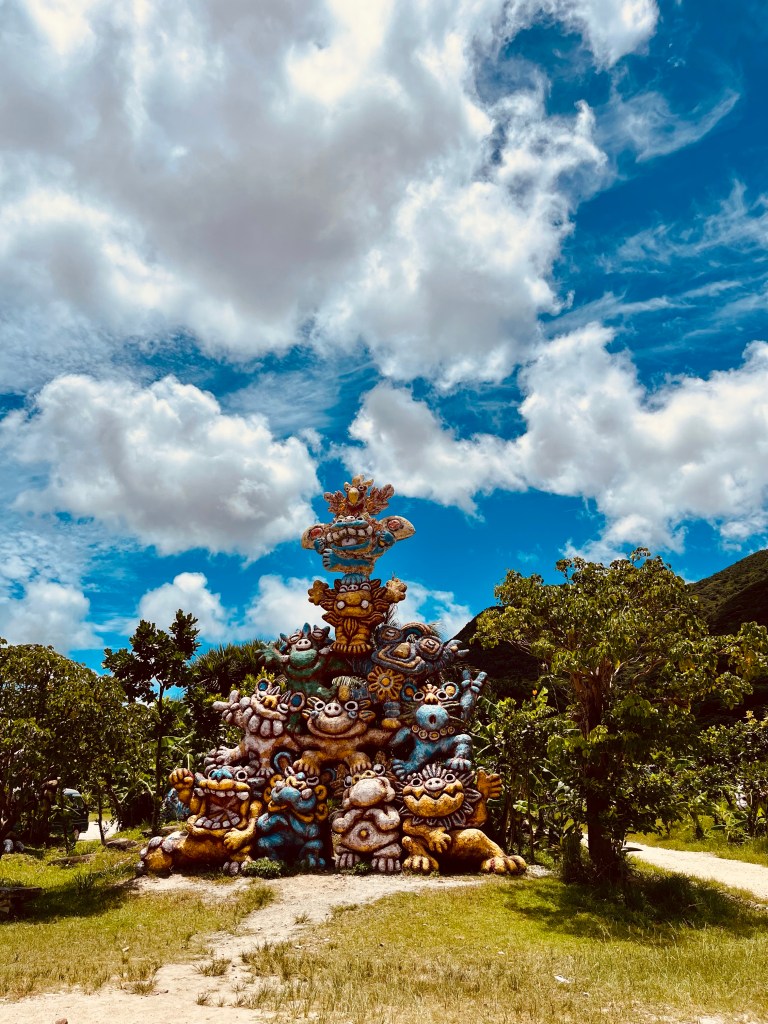
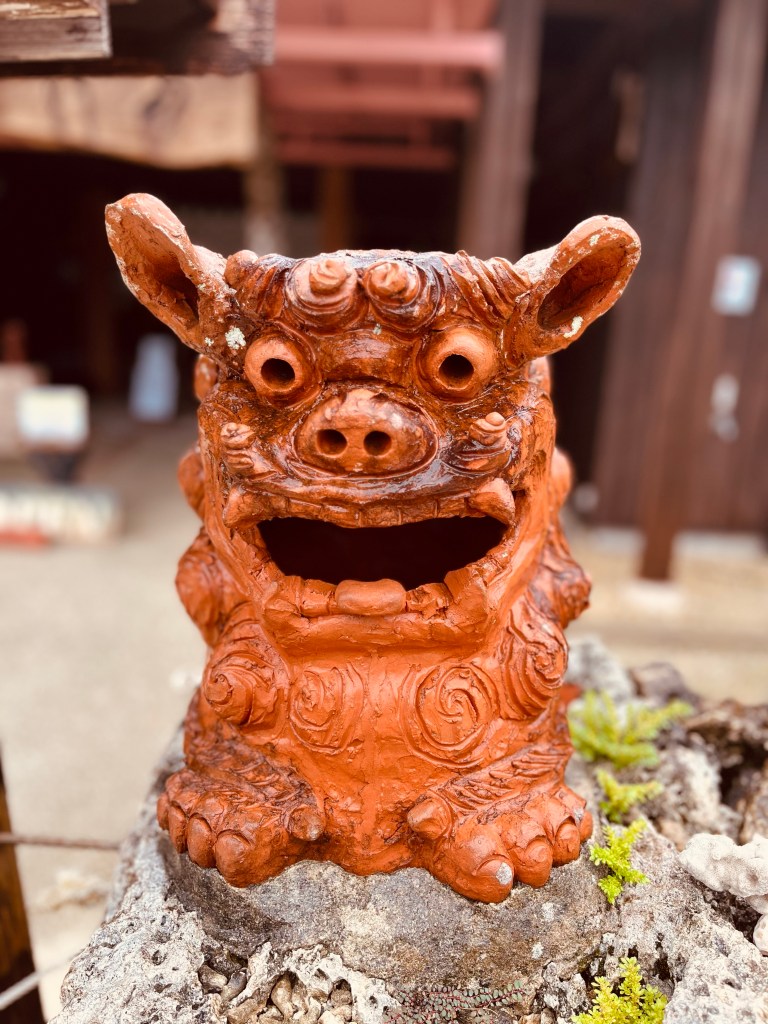
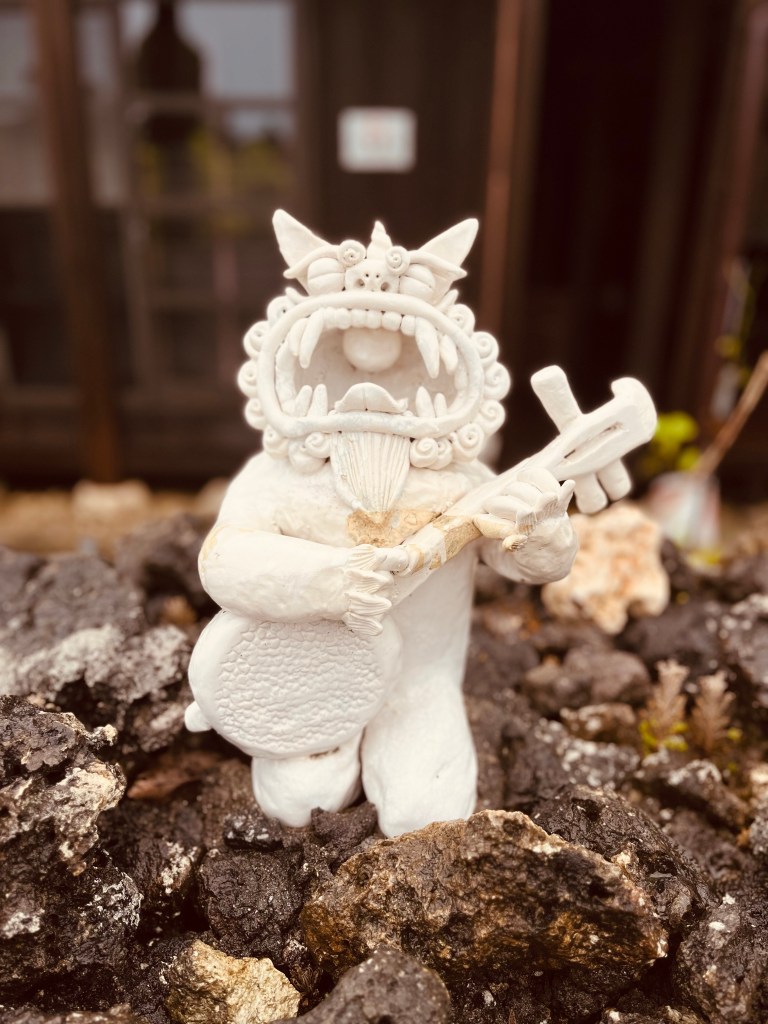
Many of the restaurants and buildings are guarded by large statues called Shisa, a cross between a lion and a dog. They are a traditional Ryukyan cultural holdover that are displayed prominently, even in front of gas stations. They come in all styles and are made of ceramic, wood and concrete depending on size and location.

These guardian lions are seen in pairs, the left with a closed mouth and the right with an open mouth. The open mouth male shisa wards off evil spirits and the closed mouth female shisa keeps good spirits in.

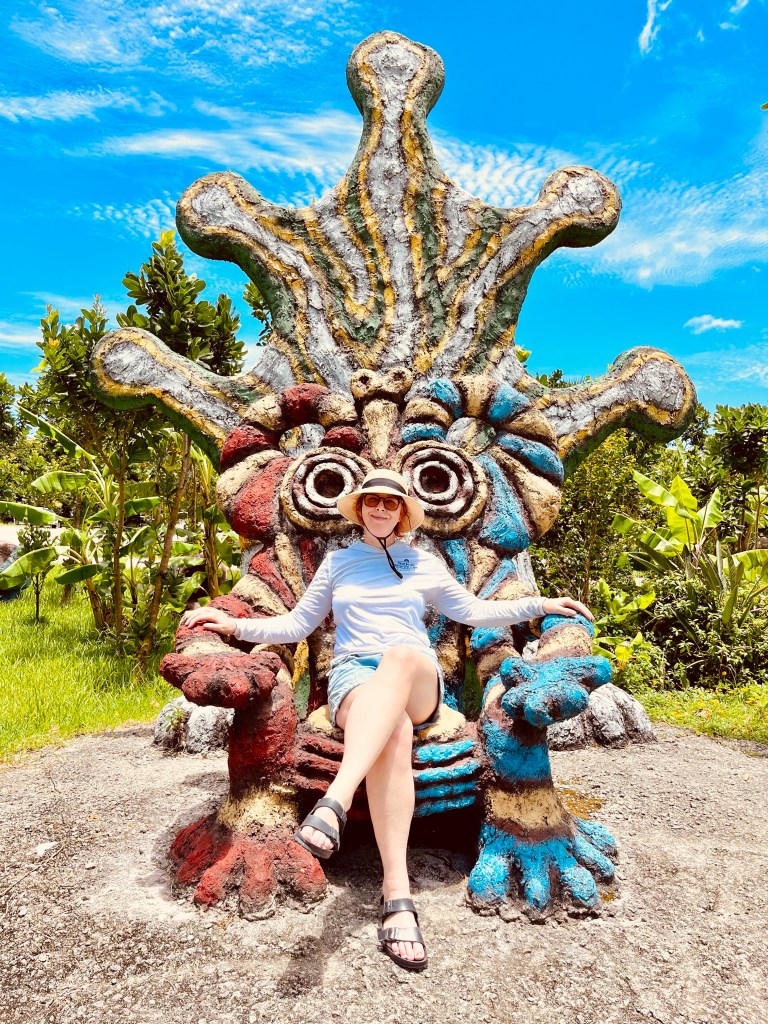
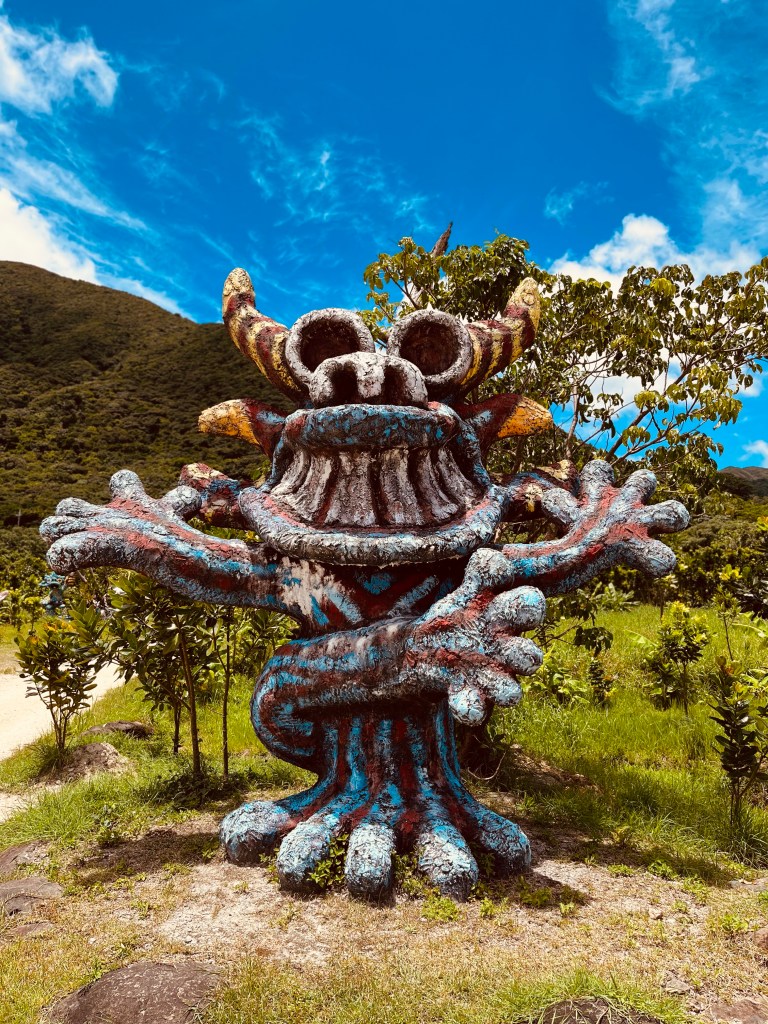
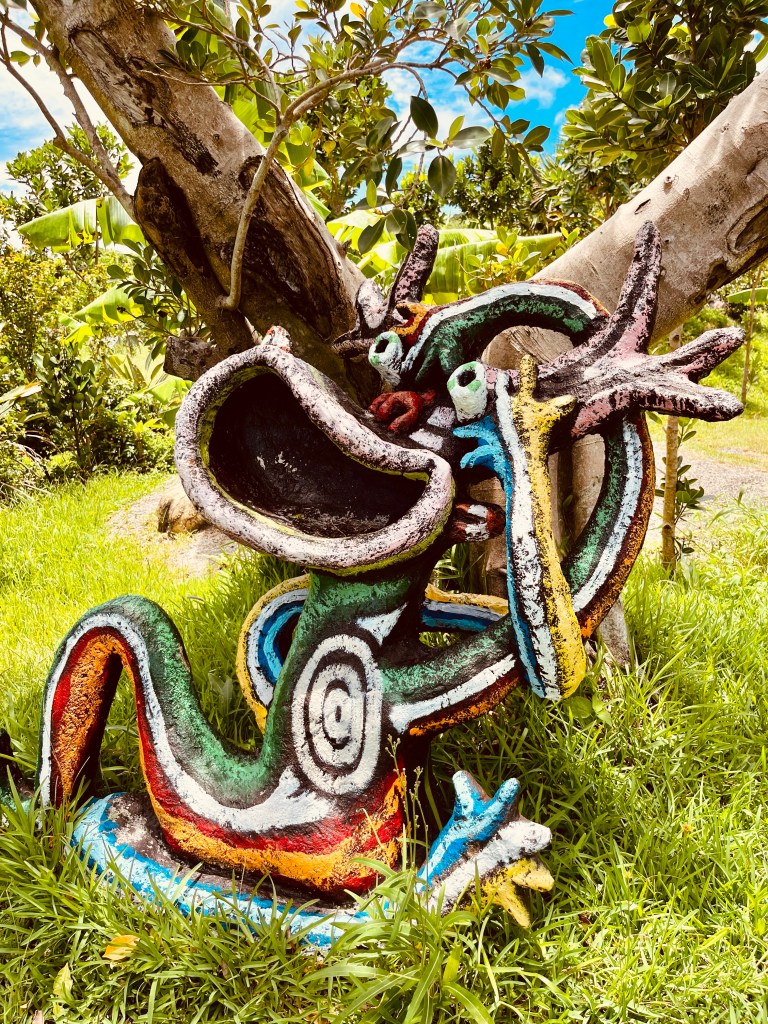
Many can be quite playful and we even found a park in the countryside that had huge Shisa made of concrete. Shisa through a psychedelic lense.

Ishigaki

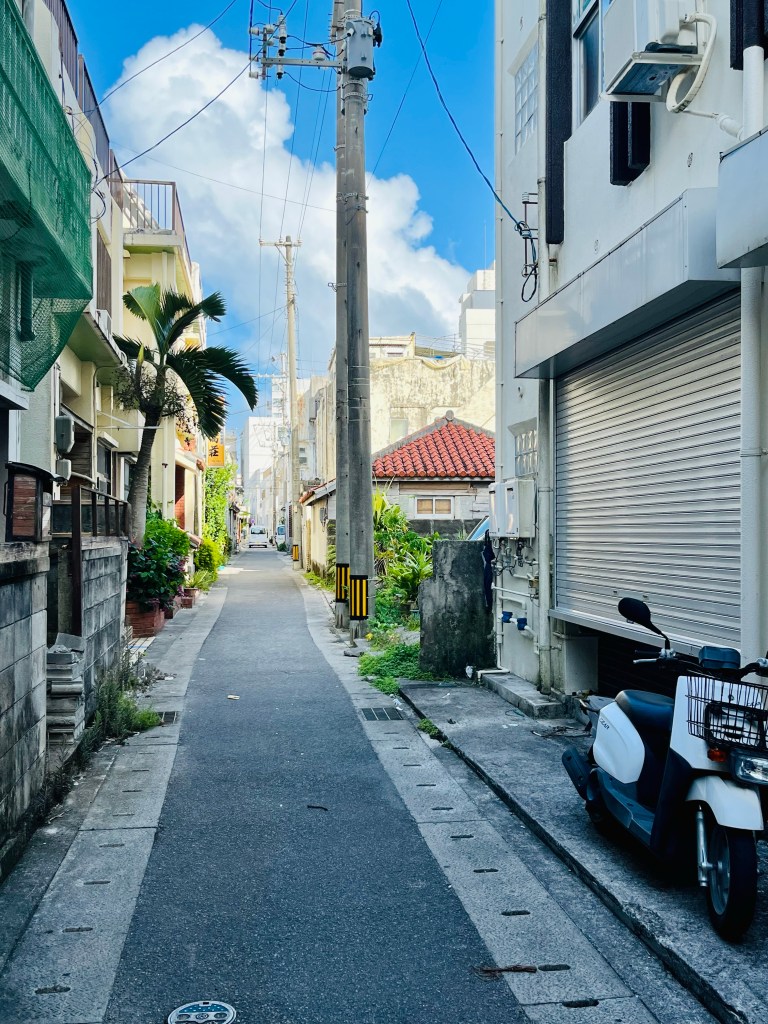
We have been in Ishigaki for nearly a week now. Settling into the rhythm of island life. Slow paced, deliberate and laidback. Walking outside is like being enveloped by a warm washrag. 90 degree heat with 85% humidity. Outside activities take a bit of grit, which we have cultivated out of necessity in order to explore our surroundings.

Ishigaki-jima is part of the Yaeyama Island group. It covers 85 square miles and has a population of 50,000. Most of the island is covered by thick native tropical jungle. The skies are vast and endless.

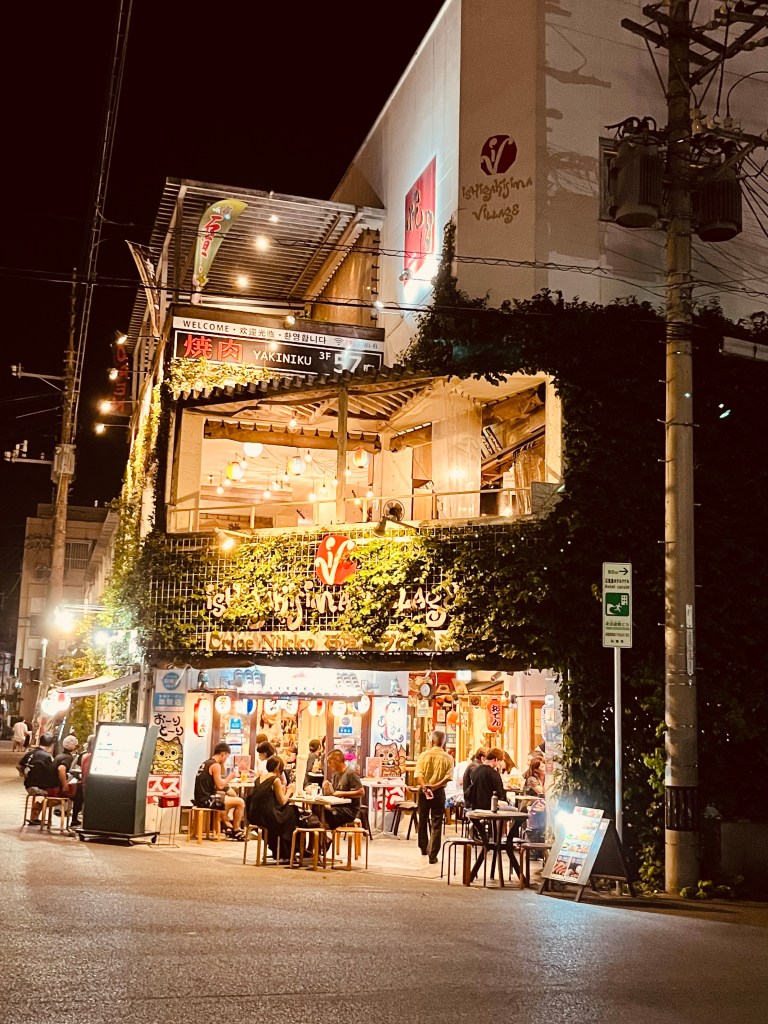
Frequented by Japanese scuba and snorkeling enthusiasts, it is a jumping off point for exploring the Okinawan archipelago. The city is dotted with unique souvenir shops and a surprisingly sophisticated food scene. There is a bustling night life full of happy Japanese people drinking and talking loudly, enjoying themselves.

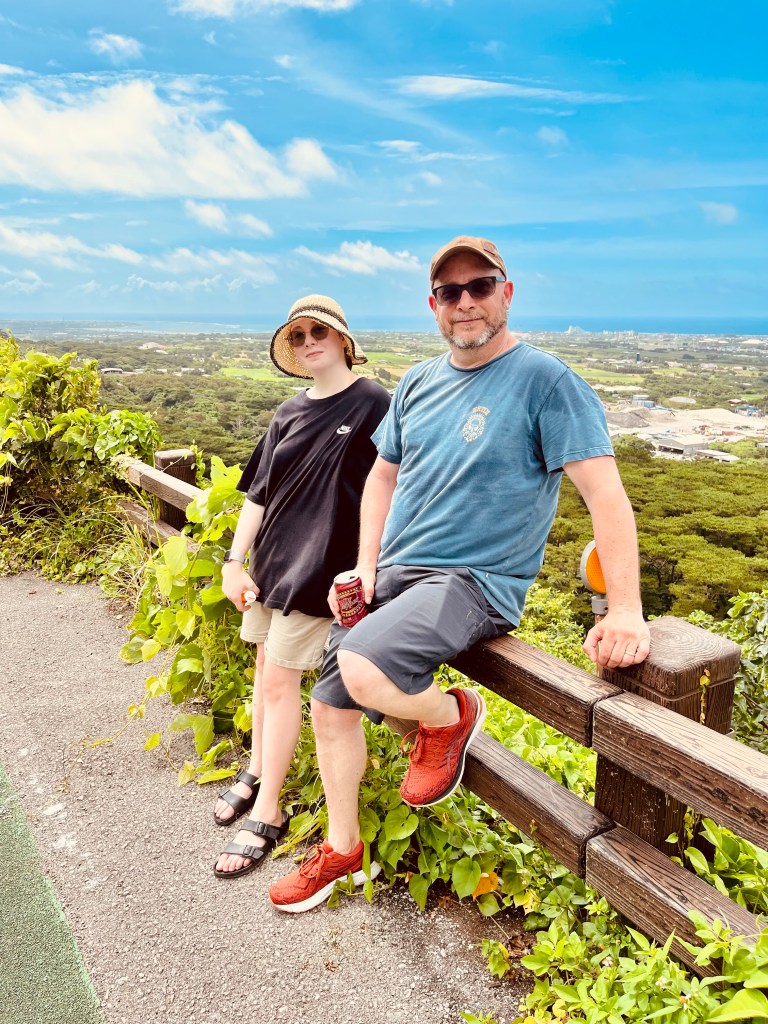
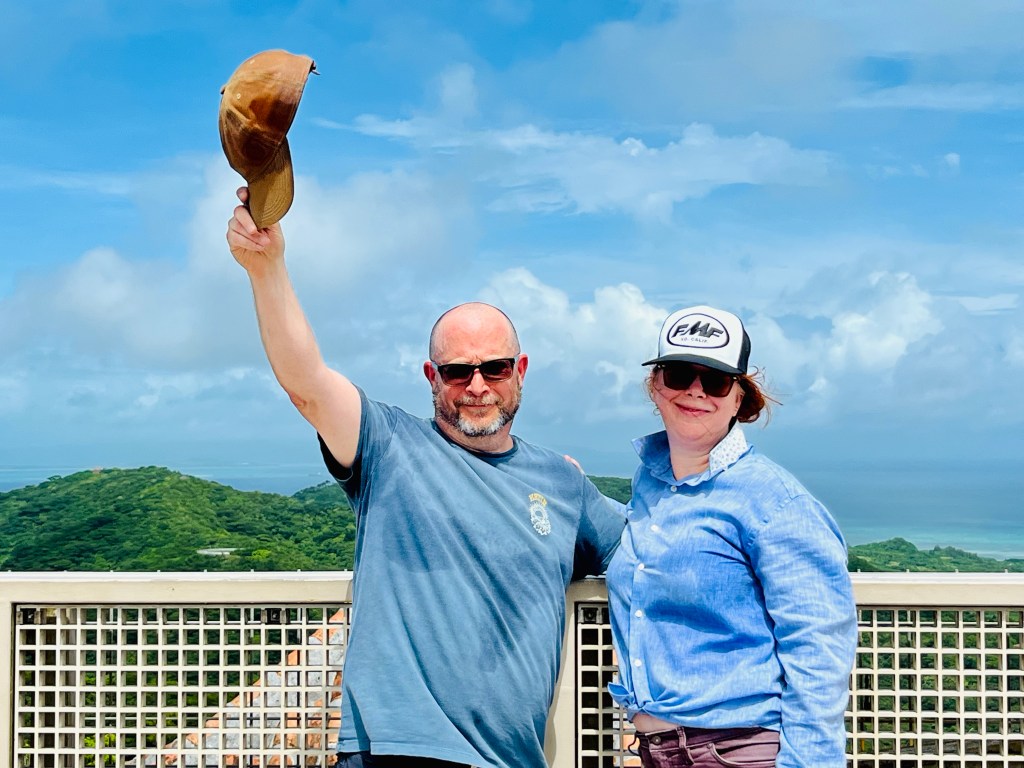
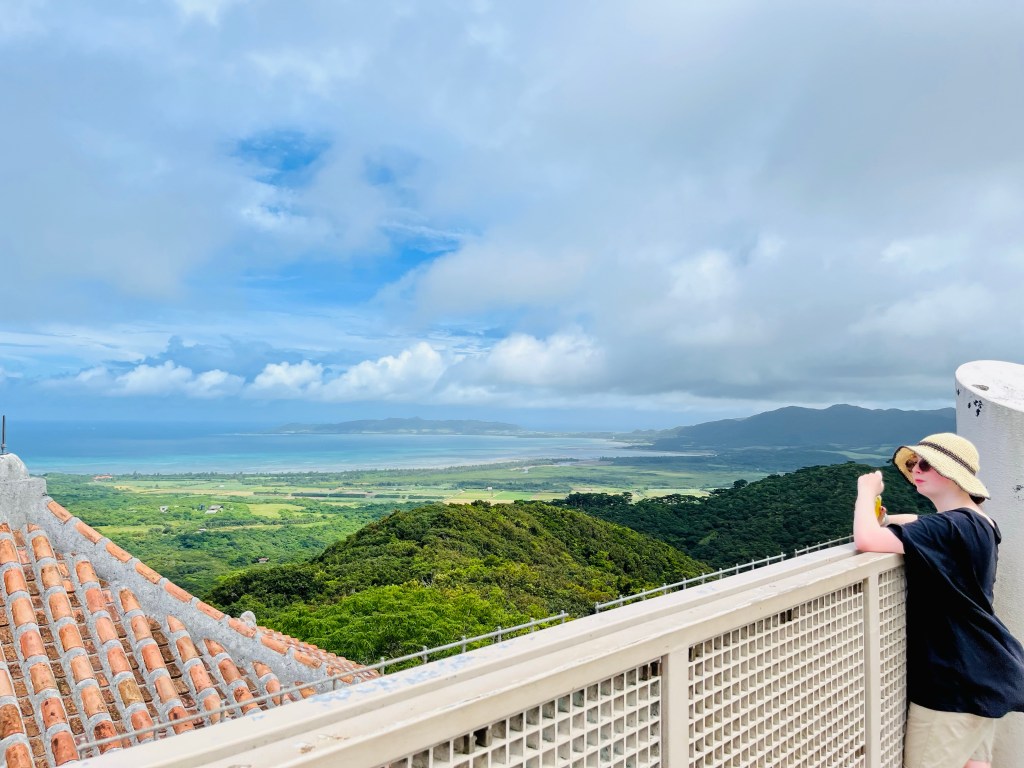
Our wonderful guest house has bikes for us to use. We rode 30 min outside of town and walked up to the view point at Mt. Banna. Hot and sweaty, we were rewarded with a 360 degree view of the island.

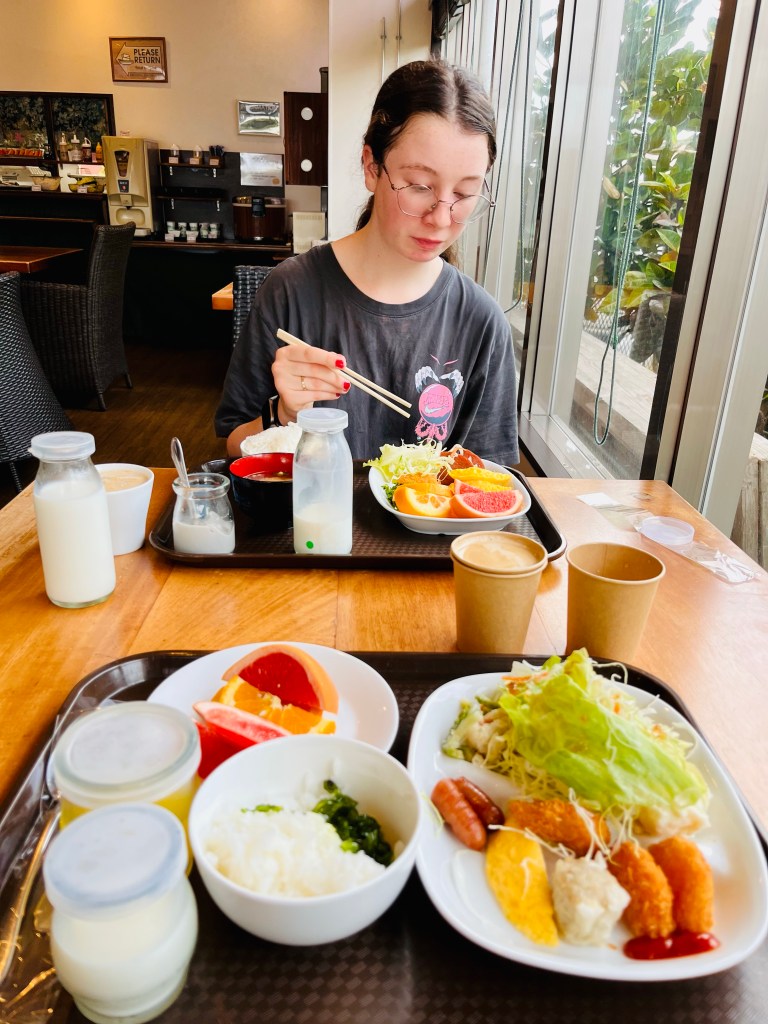
We lucked out with our guest house. Super friendly and many free offerings; bikes, laundry, tea and coffee. Most importantly there is a dining room where we can hang out outside of our room. Plus there is an excellent breakfast served daily:) $200 night for two rooms (four twin beds). We are three blocks from the town center and next to a Family Mart!

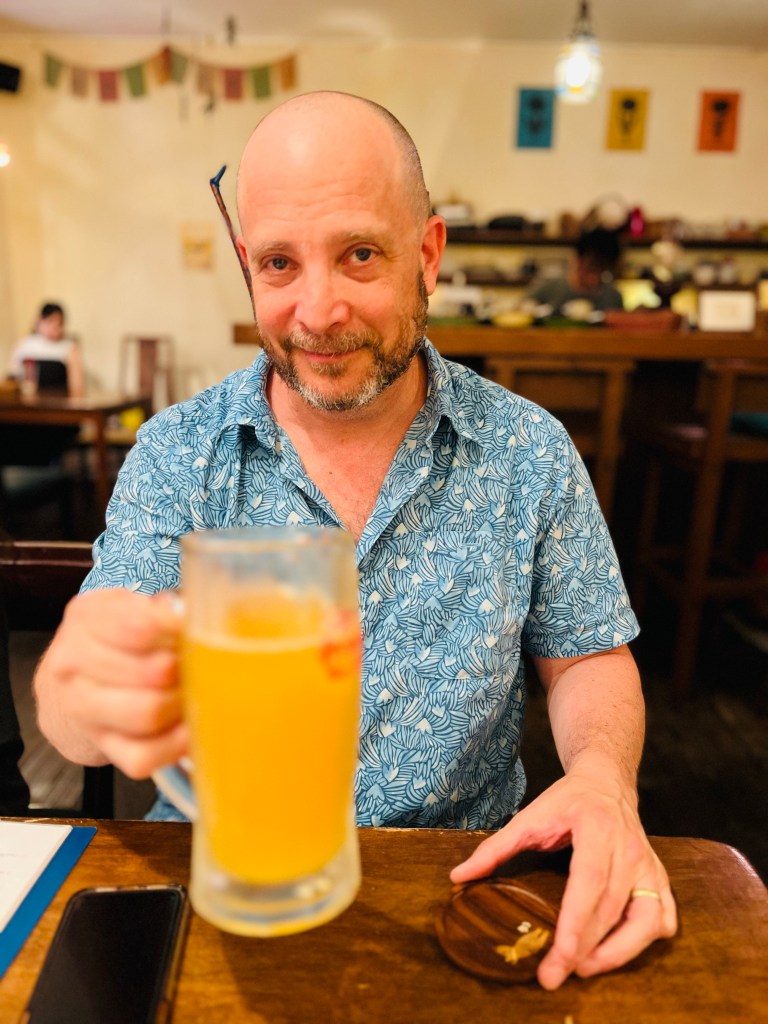
We walked to a curry restaurant where we discovered the delicious Shikuwasa flavored beer. Refreshing and sour, made with the local citrus fruit.

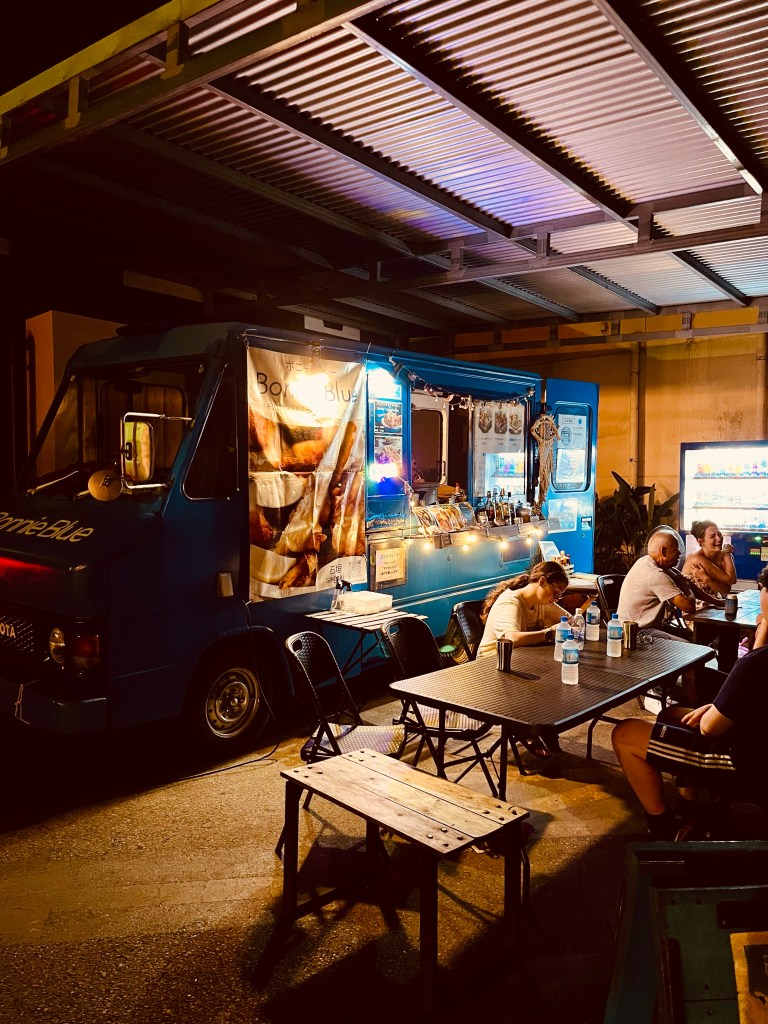
One of our favorite food trucks, Bonne Blue serves fish and chips, owned by Sam, a Scottish transplant who actually catches what he serves. It is a favorite of expats and a good source of local information about the island. However, aside from friends of Sam visiting from Scotland we have not seen any other western travelers.

Osaka

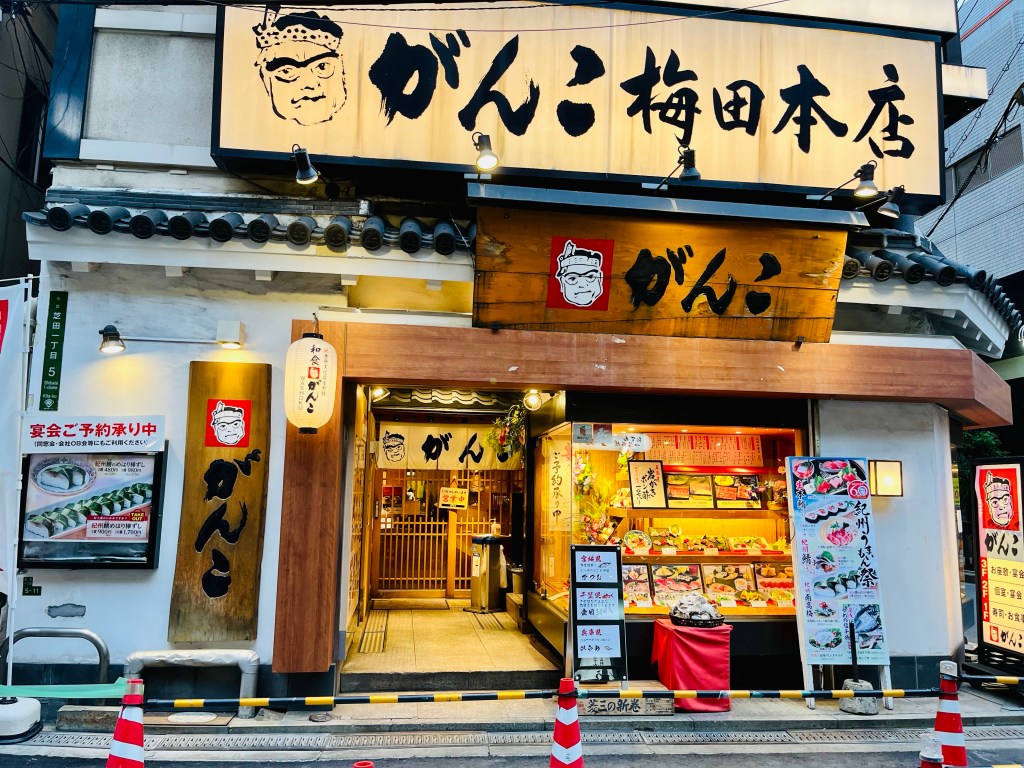
We only spent two nights in this charming laid back metropolis. The restaurant fronts are so colorful that I am drawn to capture them in images.

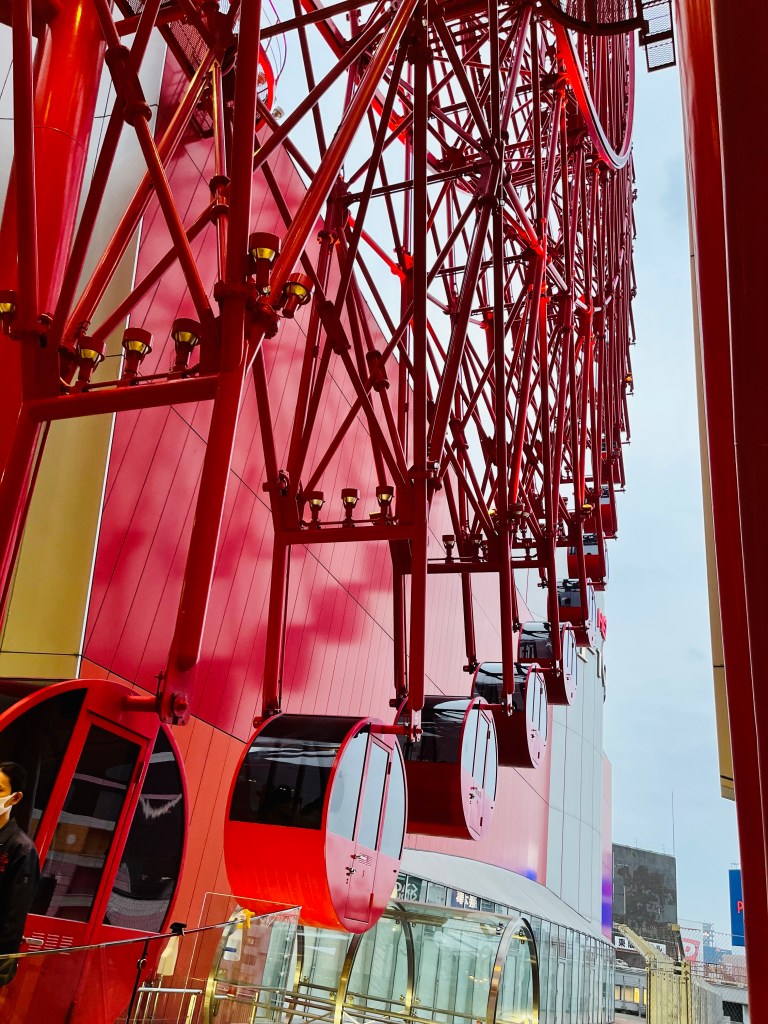
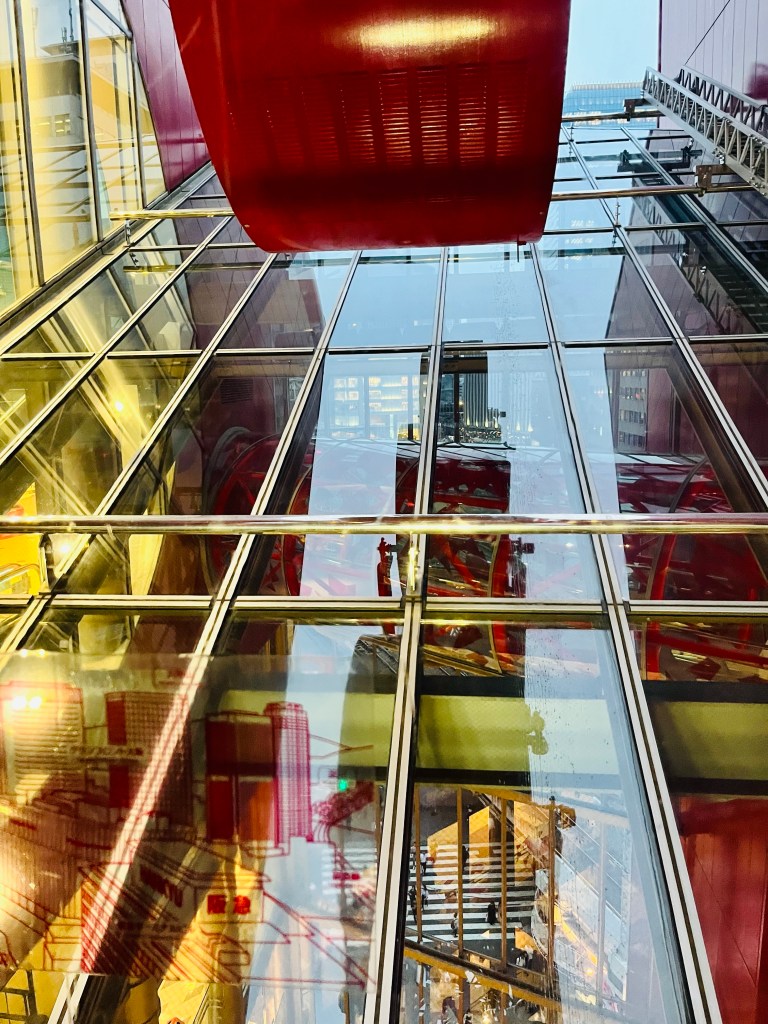
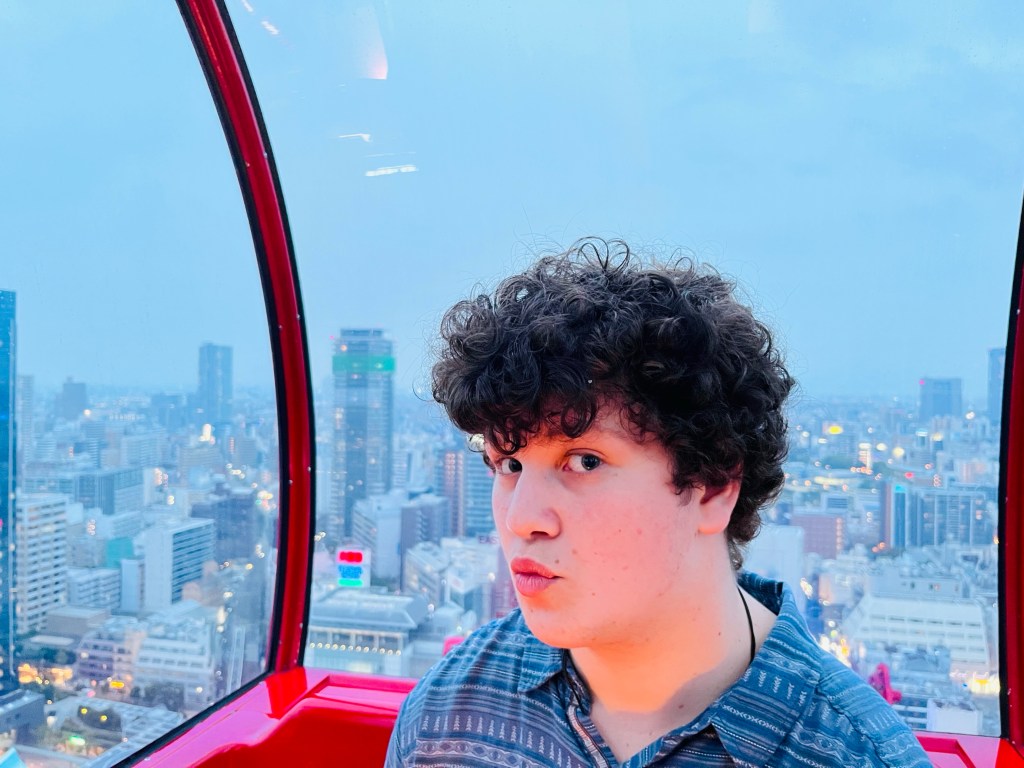
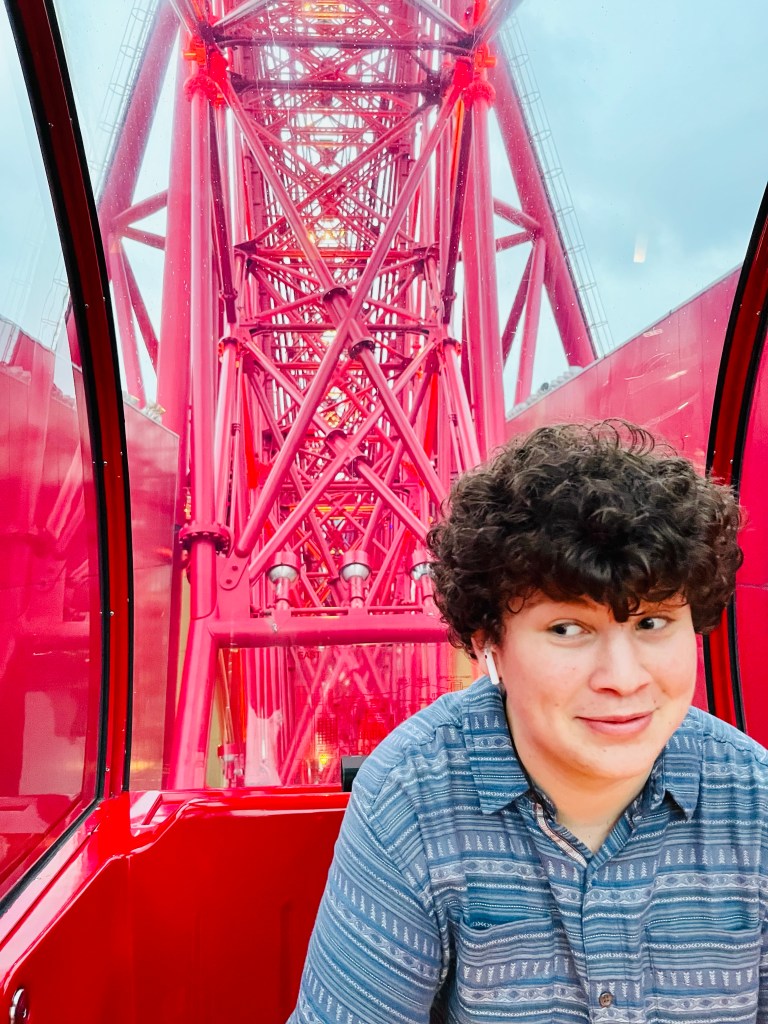
One of the world’s largest ferris wheels is located on the 8th floor of a mall in the center of Osaka. For 500 yen you can slowly rise 112 meters above it all in an air conditioned capsule.

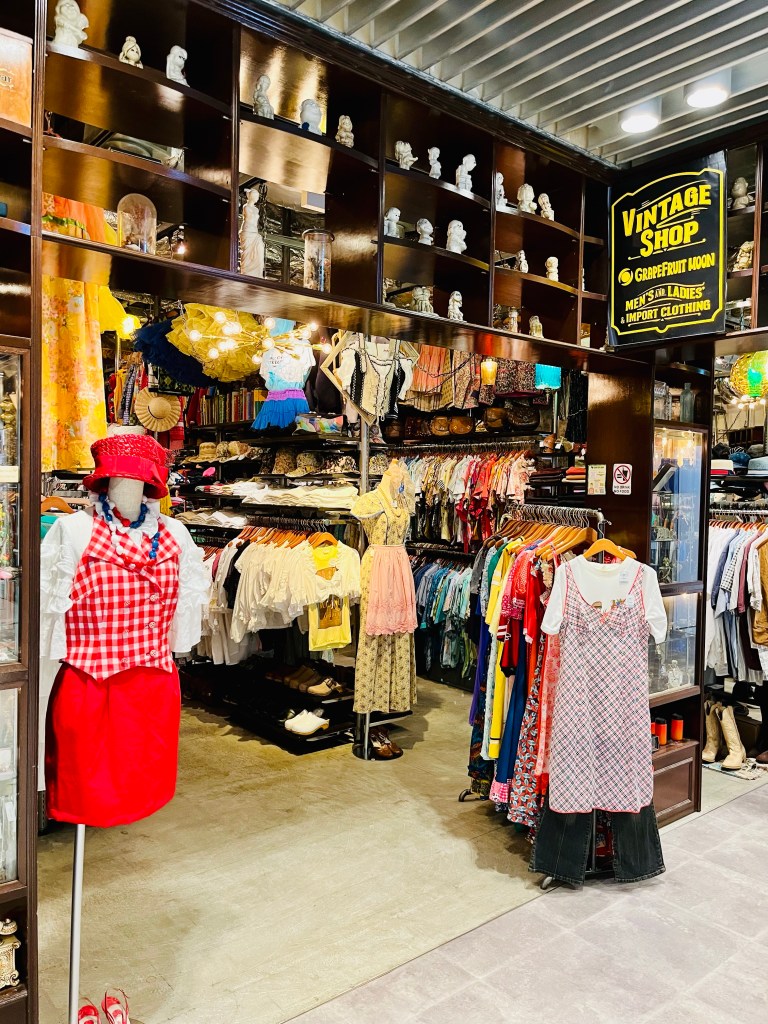
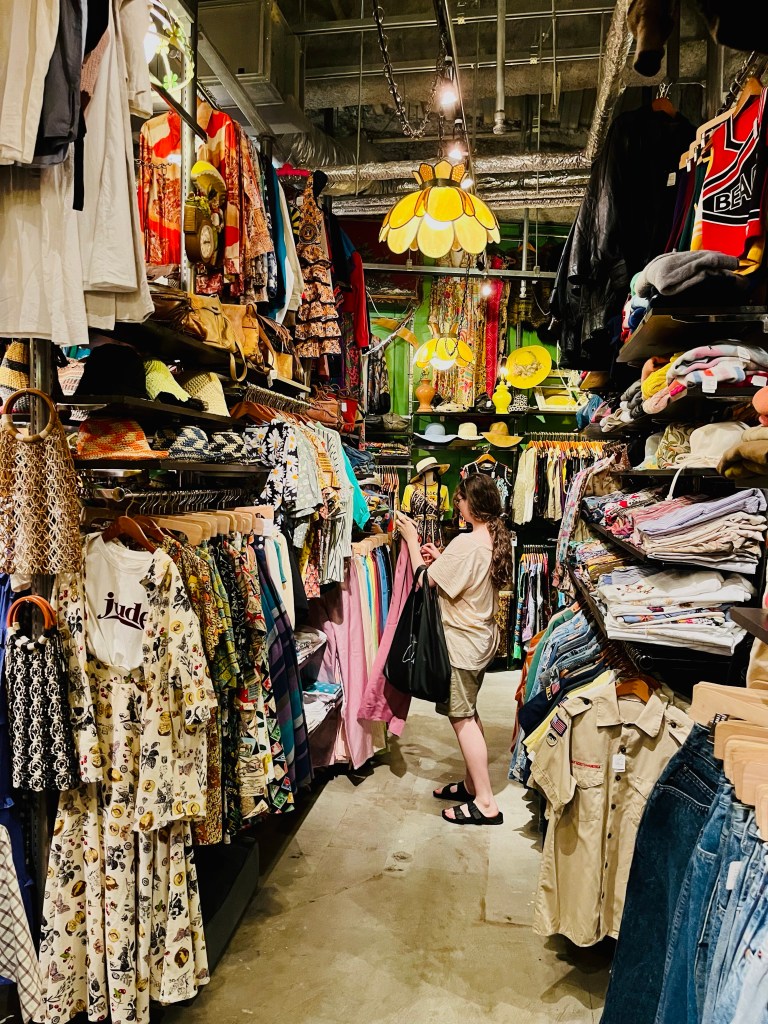
Vintage and used designer clothing is supremely popular in Osaka. The stores are very curated and arranged artfully and with care. There are also stores that specialize in American t-shirts and Hawaiian shirts. La Fitness is cool if written in English.

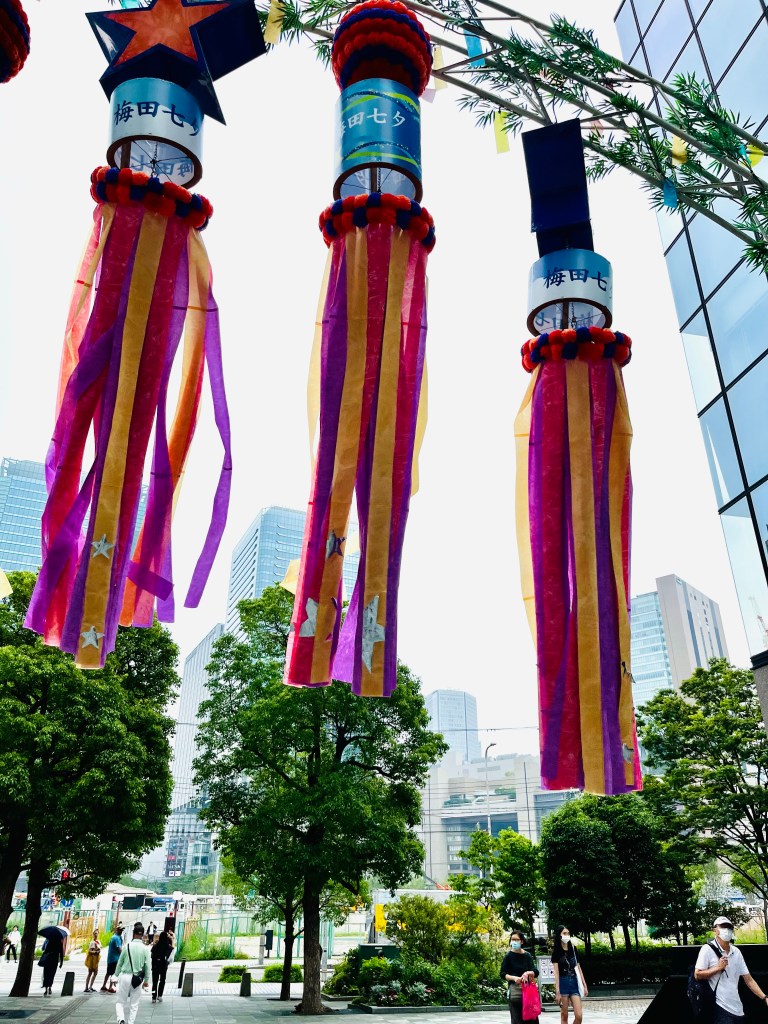
Ultramodern architecture mixed with traditional laterns.

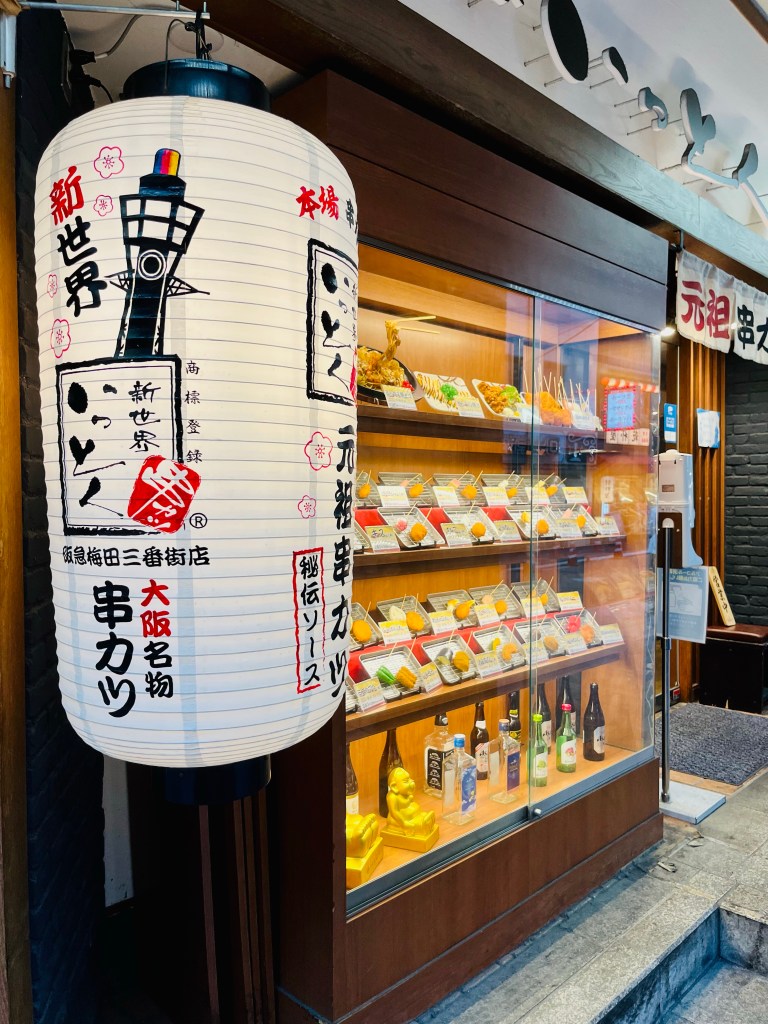
Restaurant store fronts with plastic food and photos that guide you through the menu. Very important when you cannot read Japanese.

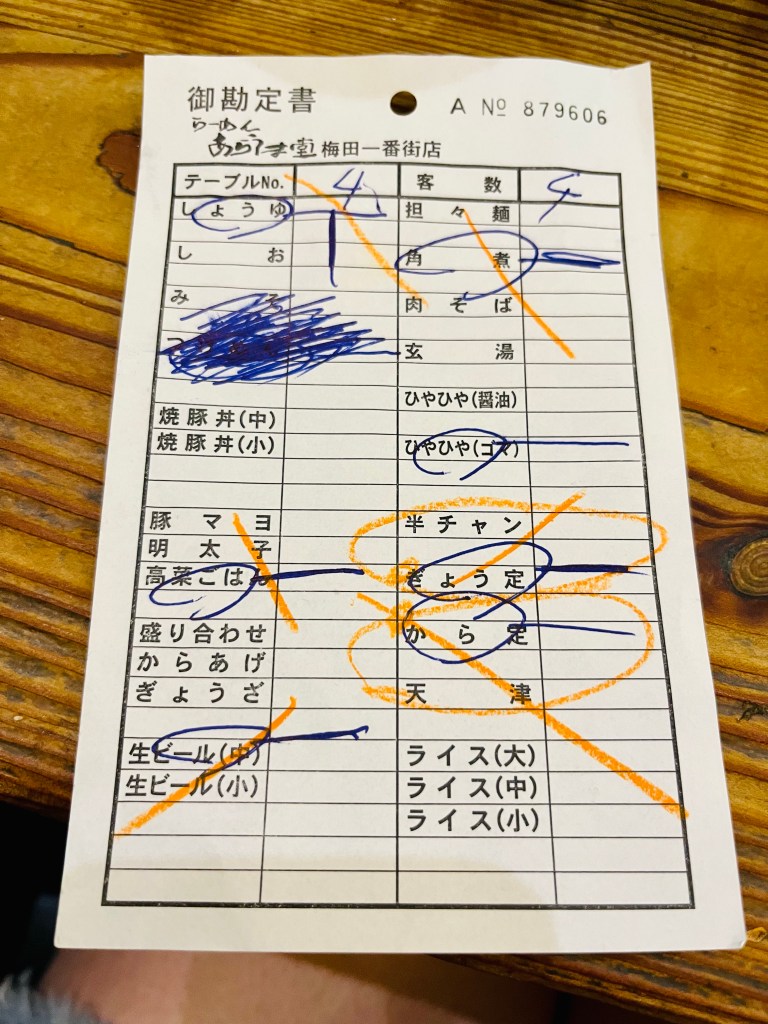
Fun figuring out this meal ticket:)

Taketomi

We rode a 15 min ferry to the very small island (2 miles x 1.7 miles), population 323. It is known for its traditional housing, red tiled roofs, stone walls and sandy streets.

We rented bikes and rode to Kondoi beach, reported to be amazing for swimming. However, when we got there the clouds rolled in and as we walked painfully on the rocky sands out into the knee high sea, we were pelted by very sharp rain. It was less than idyllic but an adventure none the less. The kids convinced that they saw lightening were frightened in land.

Hoshizuna beach is nick named star beach. The sand is composed of the exoskeletons of Foraminifera, a single celled marine organism. En masse, these remains make a beach of star shaped grains.

We have not seen many Western tourists, but the islands do appear popular with Japanese tourists. Ox-cart rides led by a traditional singer story teller is a popular activity.

Okinawan Shiza statues guard the traditional houses from evil spirits. Their Chinese cultural appearance is a reminder that we are 180 miles from Taiwan.

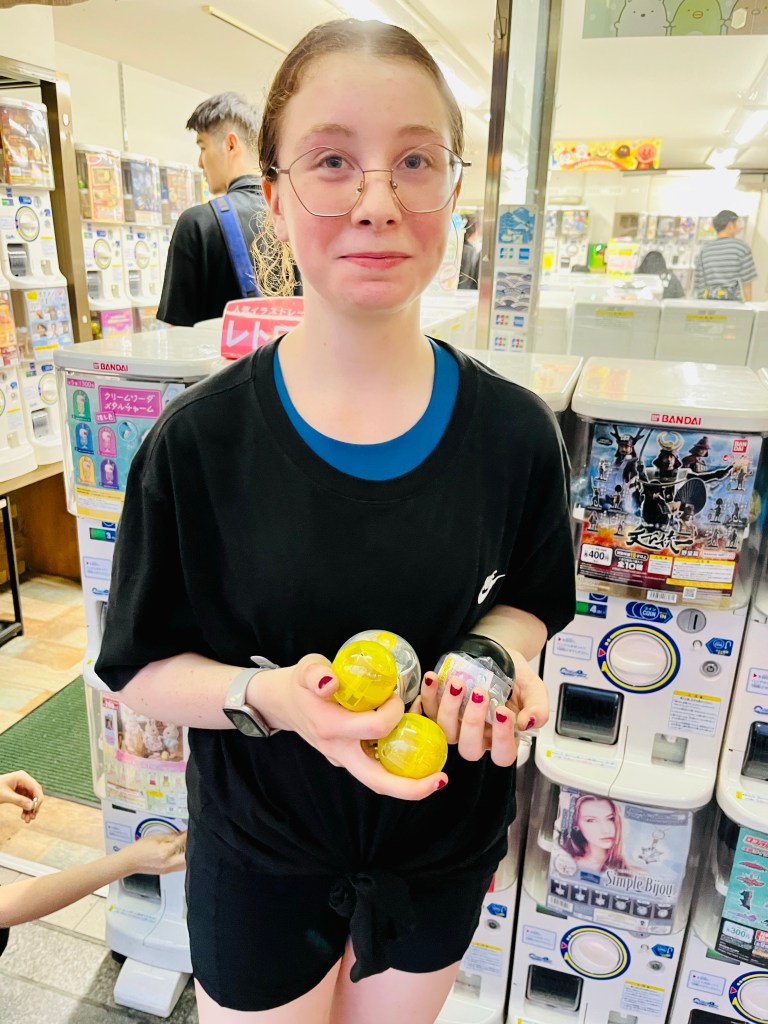
Gachapon Capsules

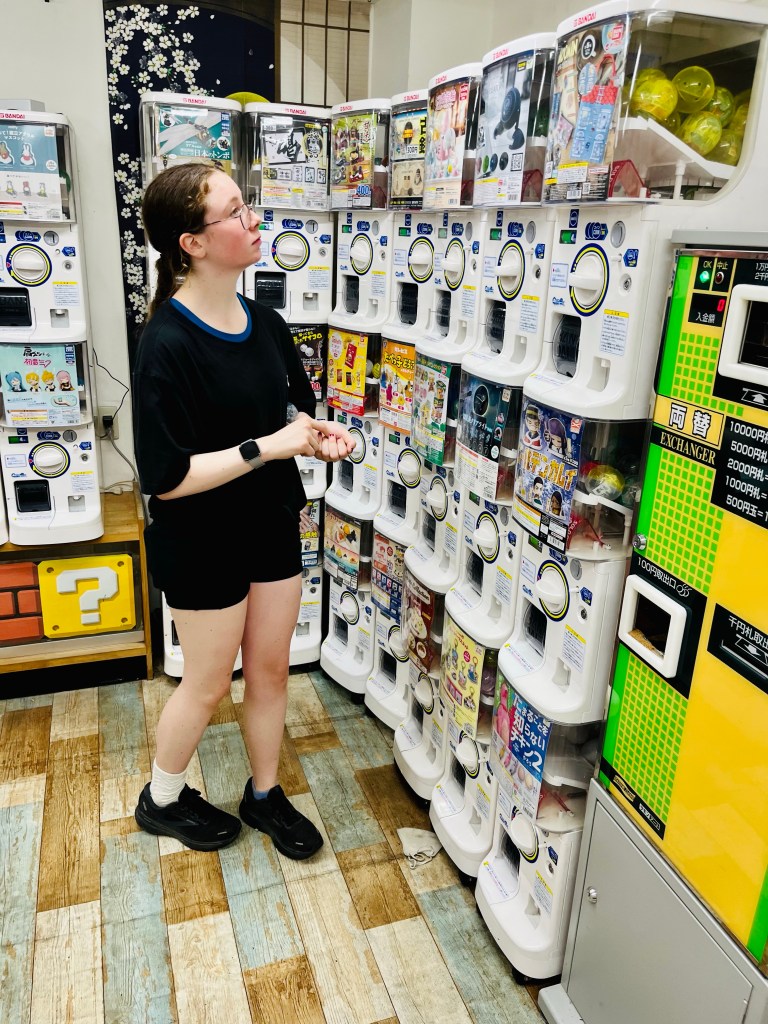
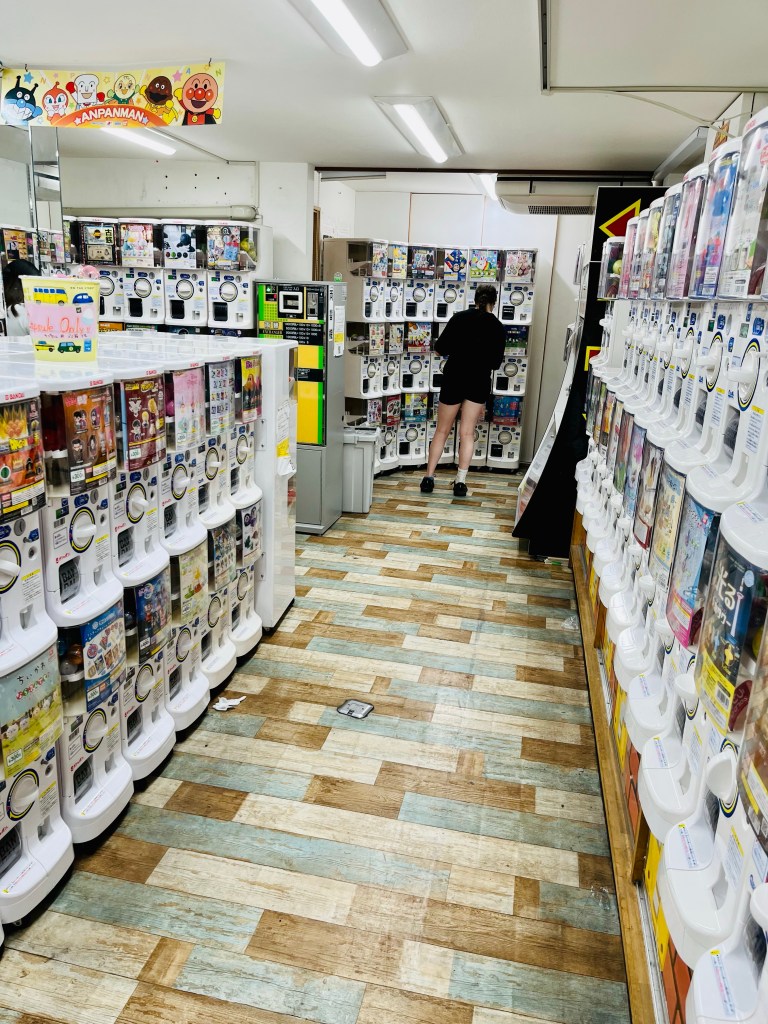
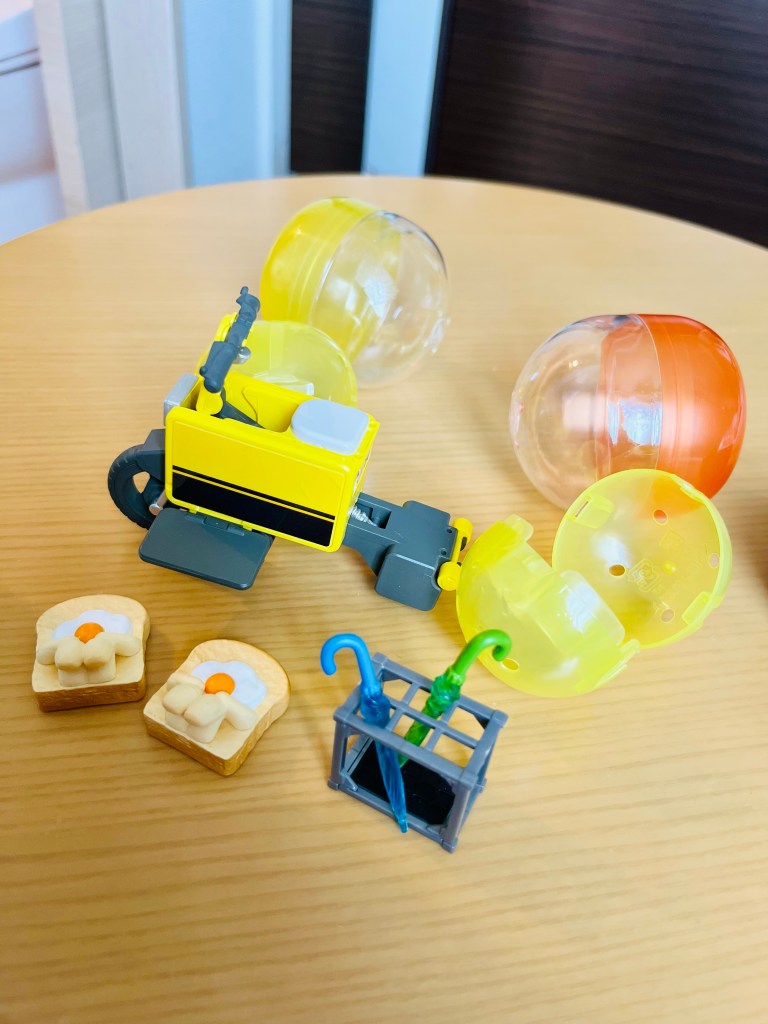
Addie discovered her vending heaven. Gachapon are coin-operated, bright vending machines that are loaded with toy capsule balls, each of which contains a different small toy. The collectible you receive is normally picked at random from a variety of objects and ranges from retro toys and miniature Japanese foods to a range of cat-themed caps.

Gachapon machines began in Japan in the 1960s, originally aimed at children, but now adults are the main market. The name gachapon references the distinctive sound the machine makes as the toys pop out. “Gacha-gacha” is the sound of the machine handle being cracked, and “Pon” is the sound made as the ball comes out of the machine.

The toys are of higher quality and are occasionally only available in limited quantities, which you can get for less than 500 yen. The toys are popular desk collectibles for adults.

Vending Life

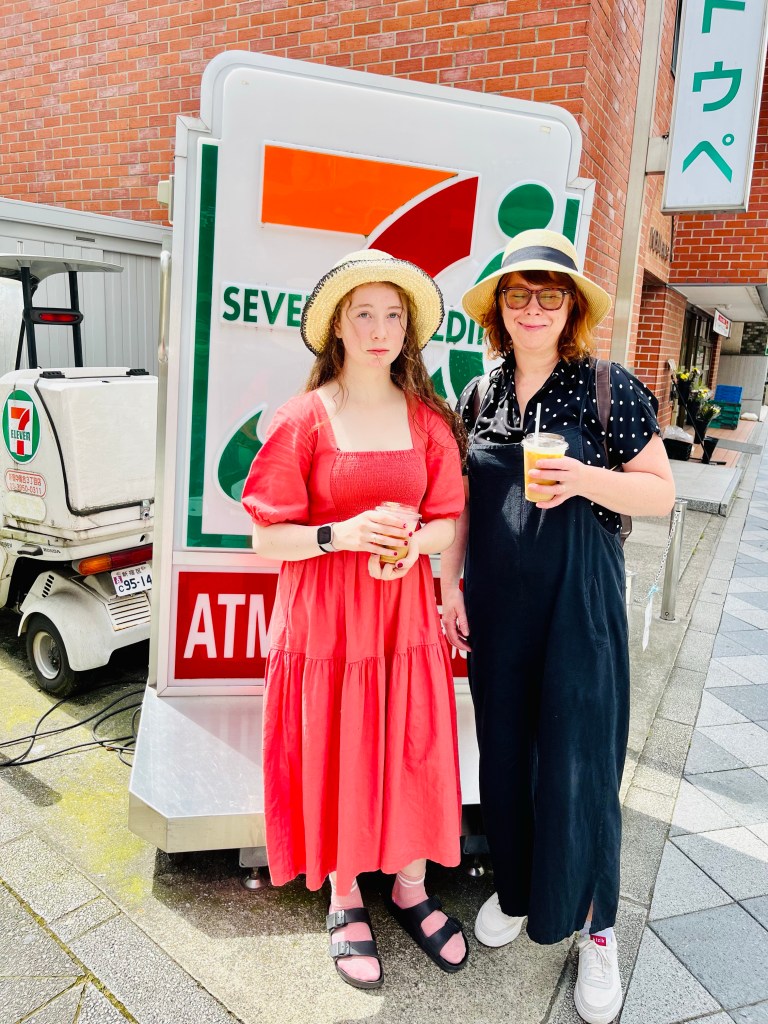
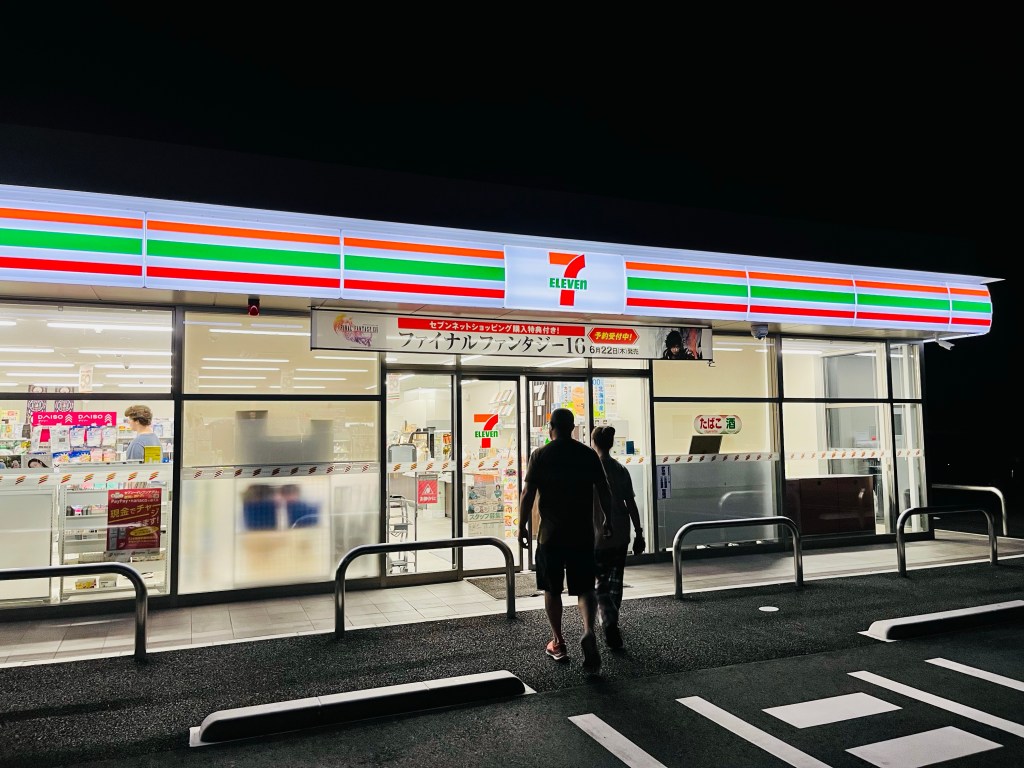
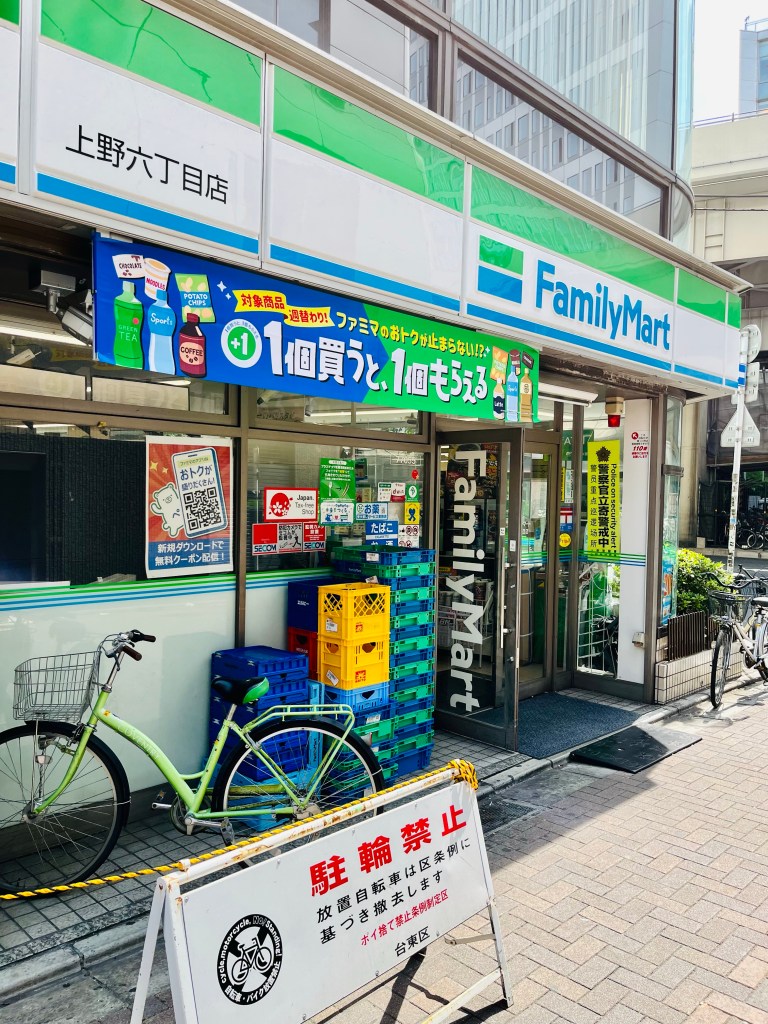
Convenience stores and drink vending machines make up about 50% of our diet in Japan. They are inexpensive and offer quality items to eat, plus various other essentials. We frequent 711 and Family Mart at least twice a day. We eat delicious sushi ($3), onigiri ($2) and egg salad sandwiches($3), plus desserts a plenty. For around $15 we can feed all four of us and they take credit cards! (Japan is still mostly cash and coins)

The drink vending machines are every three blocks it seems. They sell green tea, various juices and coffee, some vending machines even sell hot beverages, ice cream and cigarettes. Their price varies by 10 yen depending on how popular or wealthy an area. There is a recycling container next to the vending machine, the expectation is that you drink near the vending machine (Japan recycles 85% of it’s cans and bottles. However instead of landfills, Japan incinerates all other garbage and is second only to the US per capita for single use plastic)

It is not polite to eat in public or while walking. We eat our 711 finds in our hotel room or right outside the 711. It is reluctantly ok to drink ice coffee or ice cream while walking. It is part of the effort to keep the communal space clean and respectful to others.

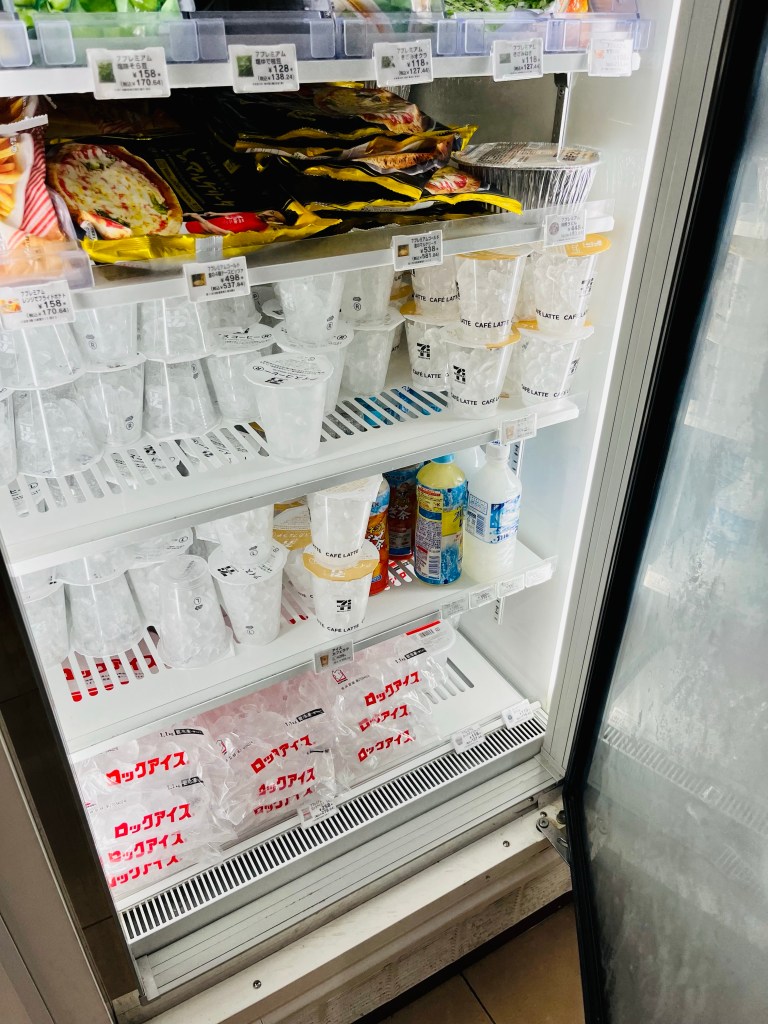
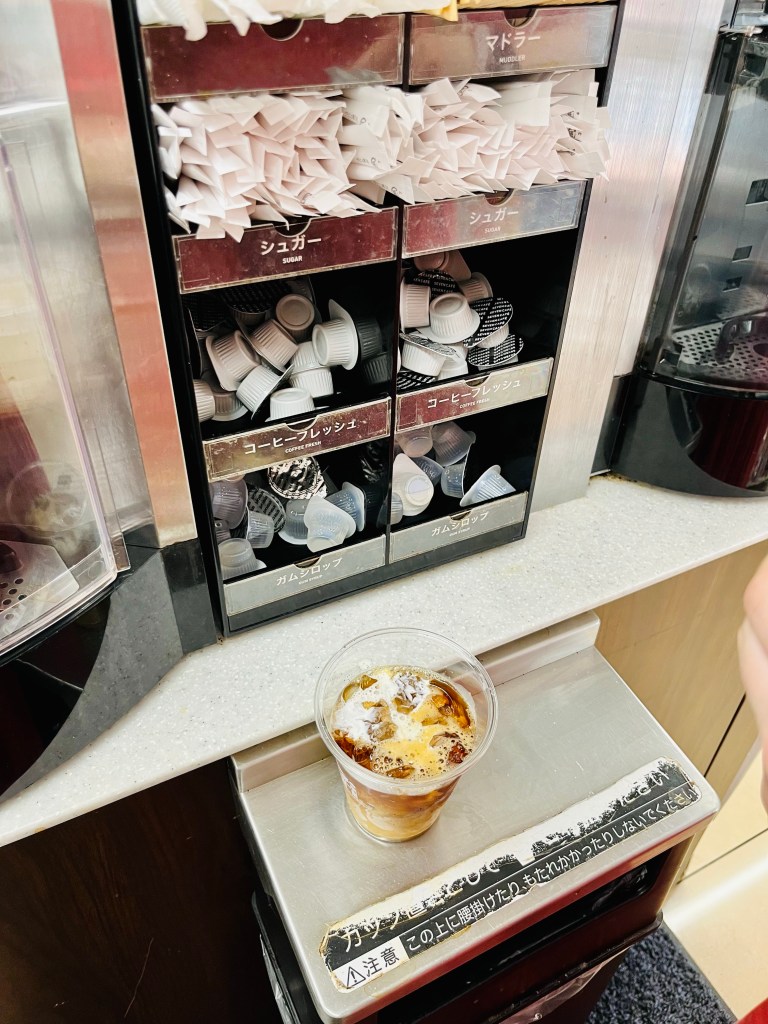
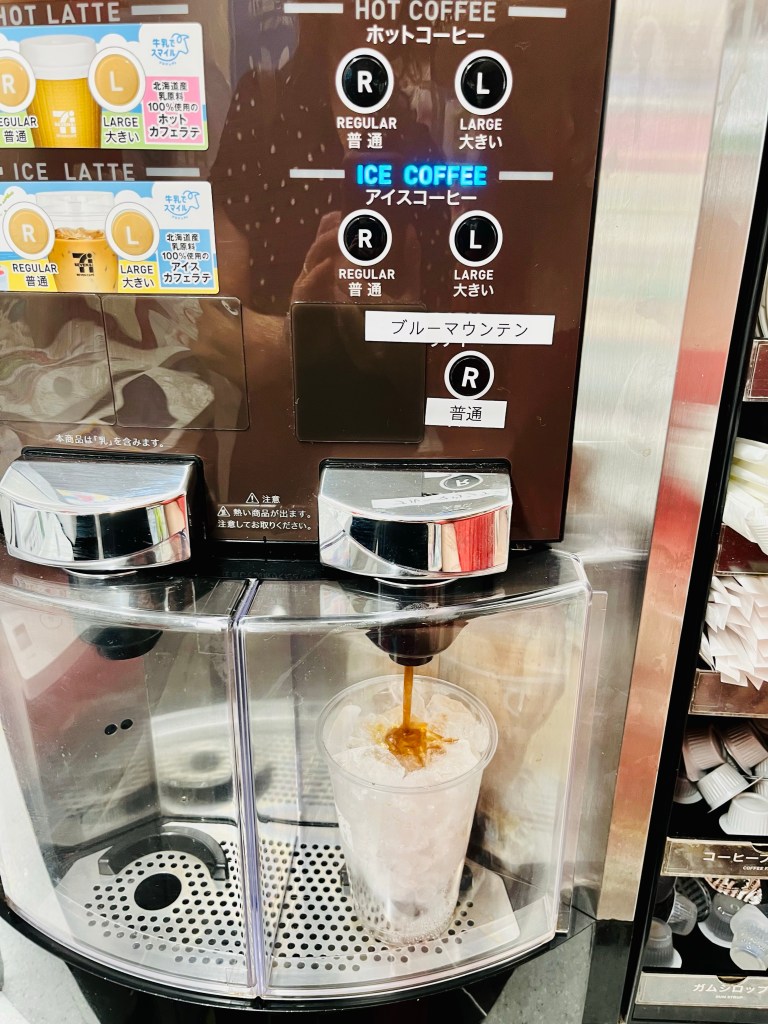
The coffee offerings are genius. You purchase a cup of ice from the freezer and then make your own iced coffee at the machine next to the cashier. The coffee rivals starbucks and cost 110 yen (80 cents).

These stores are open 24/7 and we have them in the countryside village we visited.

Laundry

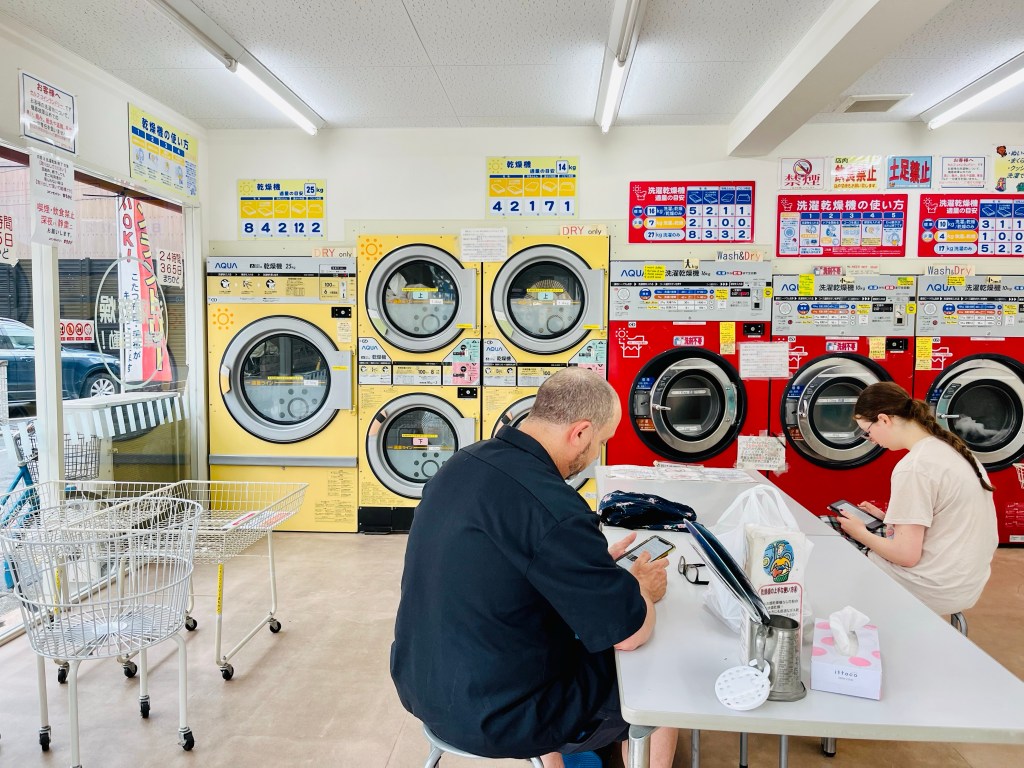
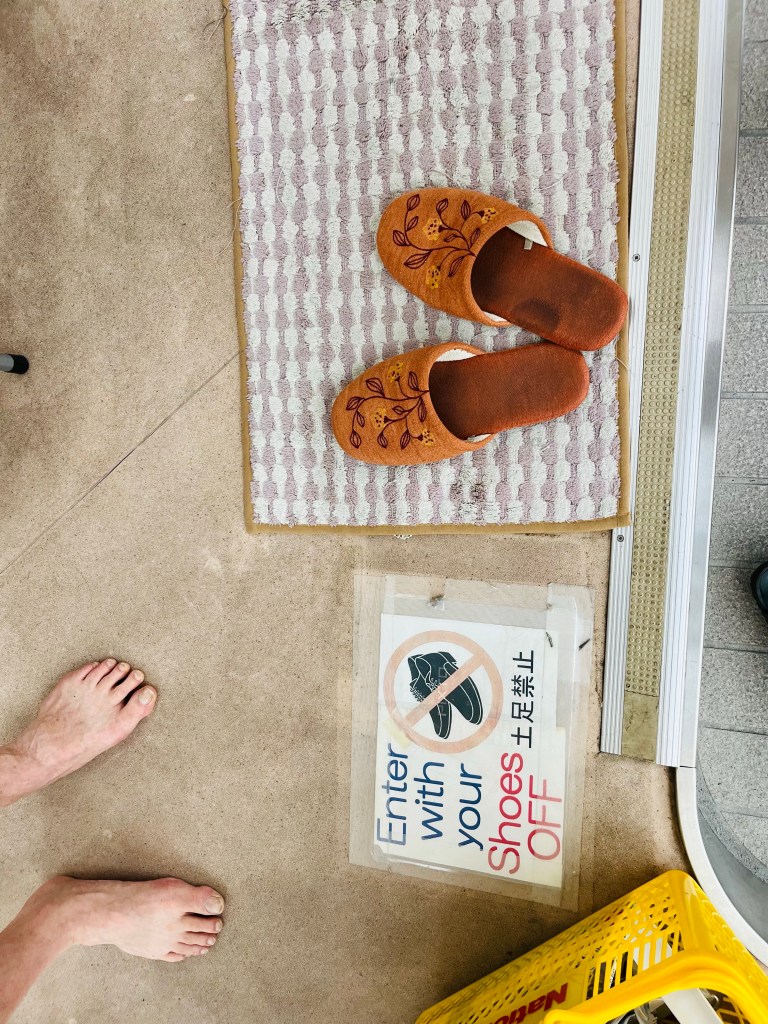
Travelling is a series of puzzles and tasks that one must complete in order to gain the next level, or go to the next activity. Laundry being one of the tasks to complete in order to not smell in polite society. We found a 24hr laundry mat 30 min walk from our hotel. We struggled to decipher the system. A kind Japanese man helped us figure out what machine to use (based on weight of load and priced accordingly). The machines are wash and dry and include detergent within. We were able to clean all our clothes for 900 yen, plus 200 of extra drying ($7.65). It was done in less than an hour and we walked to a cafe for coffee and egg salad sandwiches while we waited. The chore was easy and painless.
Japanese efficiency at its best.

Ramen secret

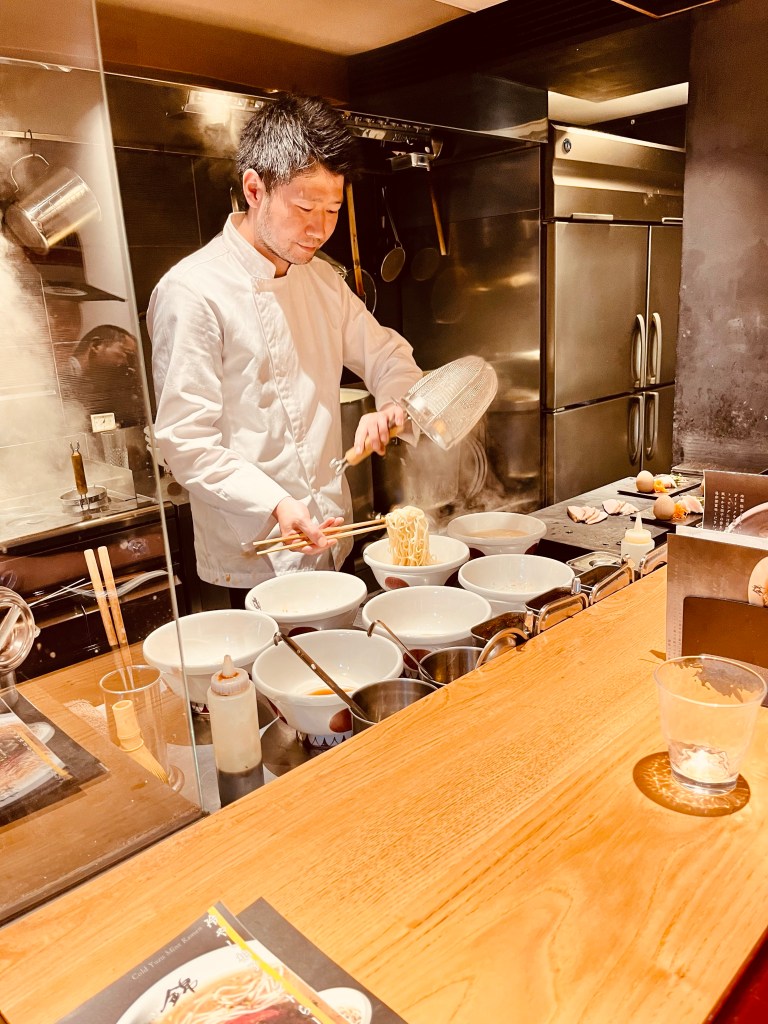
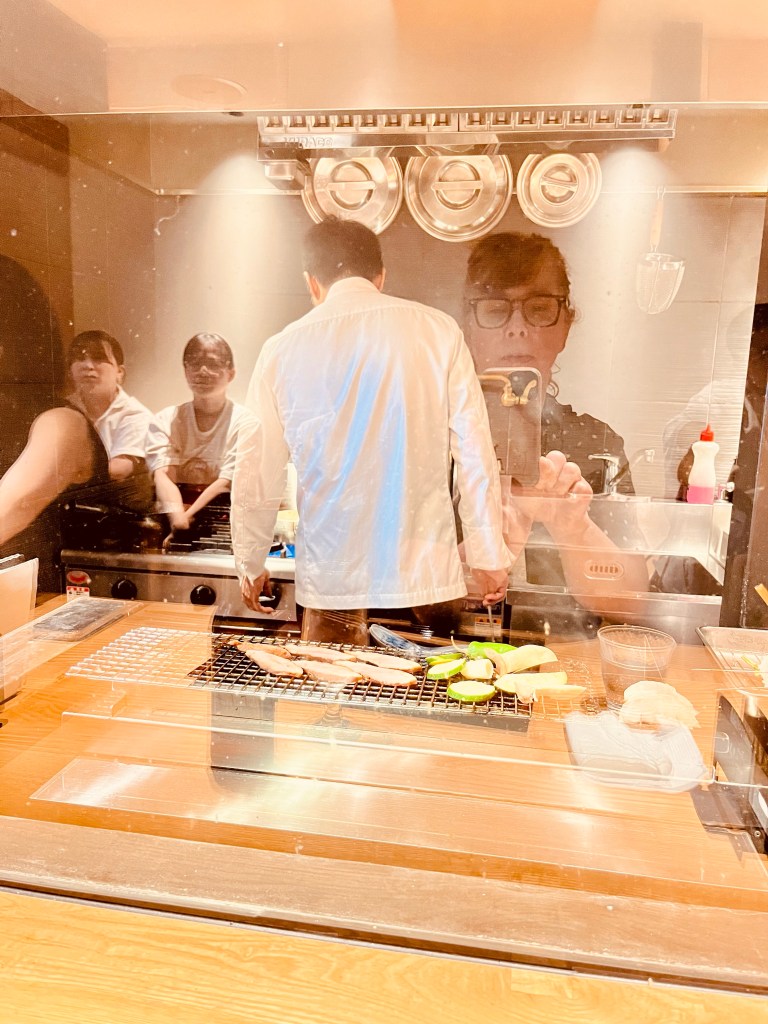
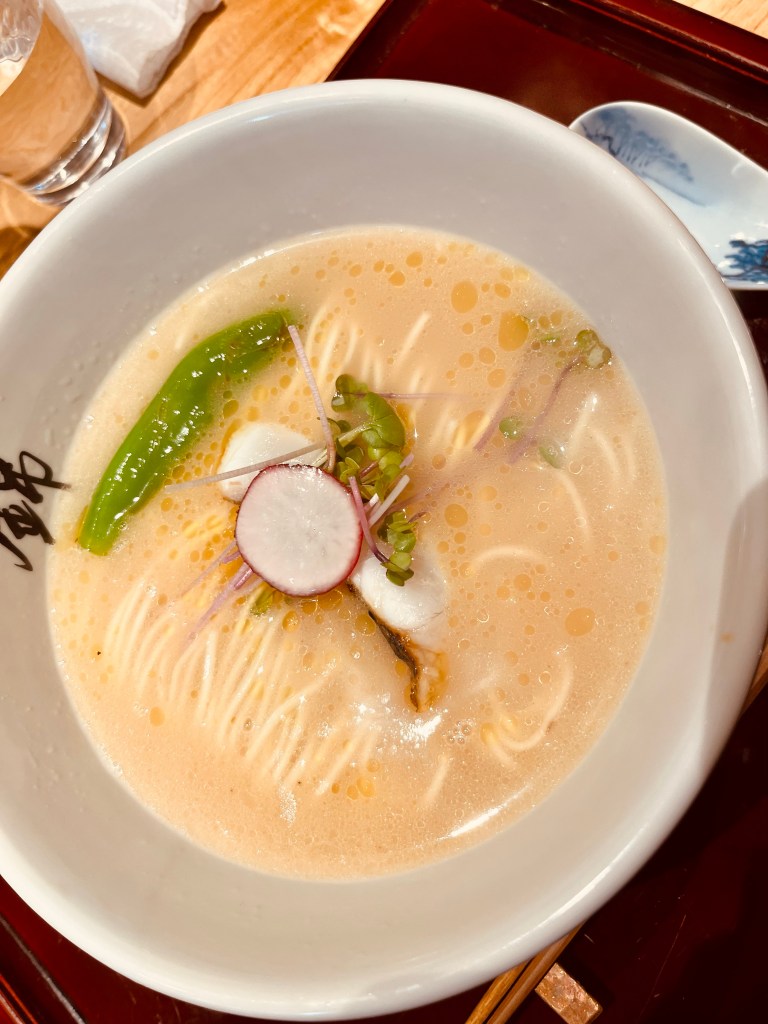
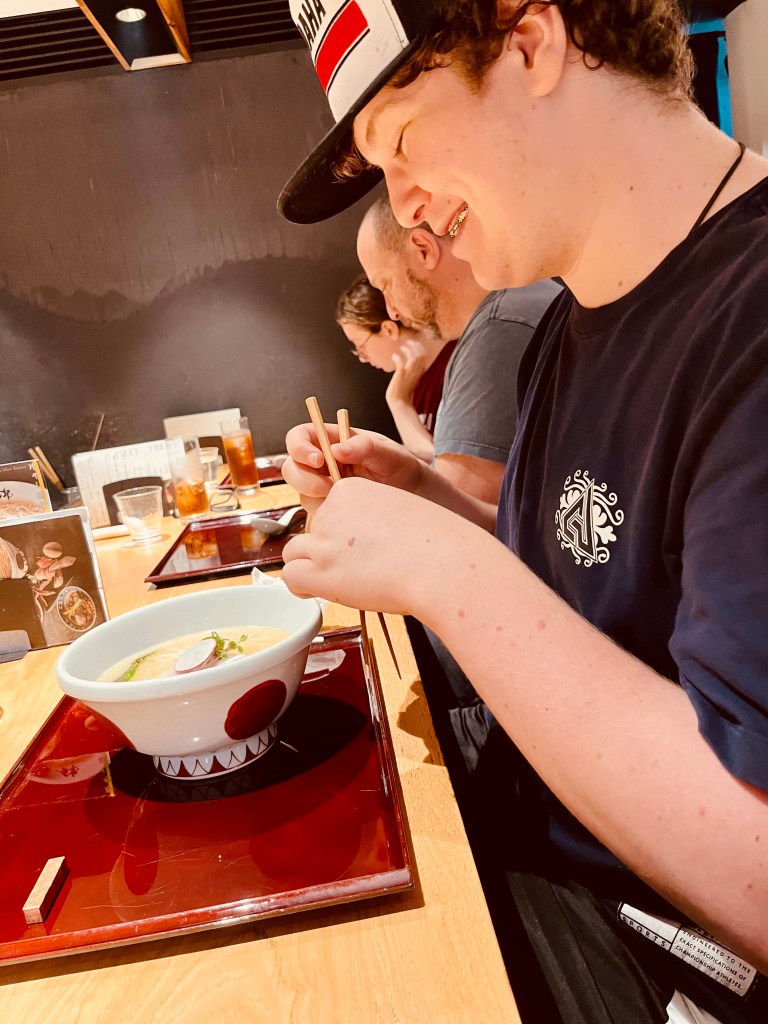
We longed to escape the Kyoto throngs of tourists and wandered down small streets in search of something special. We found it. Ramen Nishiki. A sleek restaurant that has 7 seats only. This is a one man show, the owner quietly and efficiently works all facets of the meal, from till to dishes.

You sit behind the current diners to await your turn. The chef only speaks to acknowledge your order. It is much like a performance, the chef’s movements are intentional and practiced as he prepares ramen, roasted vegetables and fish. The open design of the kitchen grants you front row seats. The food was precise and full of flavor.