
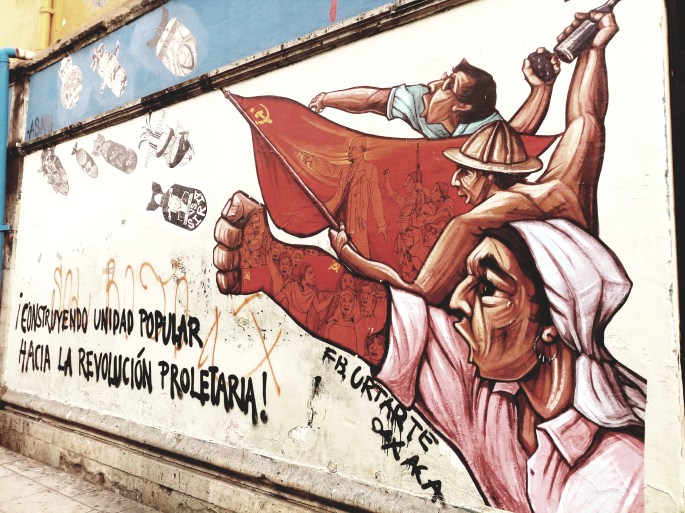
It feels a little unsettled here. Mexican history is rich with struggle. The right to resist and protest is highly valued in this country. Fight is woven into the very fabric of people’s personal story and lives. Mexico has been populated by indigenous societies for 13000 years. To understand current Mexico, we are learning about the recent story of Mexico. Mind boggling and confusing, here is a very brief synopsis. Over 300 years of brutal Spanish colonization ending in 1821, war and loss of vast territory to the US in 1846 and ending with a brief French monarchy in the 1860s. With less foreign intervention, Mexico struggled to govern, and although the Mexican constitution of 1857 codified many liberal principles of equality and land rights, the document was not enforced. Until the people revolted in 1910 the corrupt few lead the government and ran Mexico like a feudal system, working the majority of Mexicans like slaves in large Haciendas, much like plantations. People bent at the behest of the whip, no choice but to work gathering sugar cane and corn. They were paid $.25 a day. The majority of Mexicans were poor, uneducated and desperate.

During the 1900s, violent uprisings and government retaliation marked the majority of that century with war of some sort. Local heroes like Pancho Villa and Zapata led the people to gather strength in arms. They started the battle cry and fought for resources and better lives. After the Mexican Revolution in 1921, the newly appointed Secretary of Education embarked on an ambitious campaign to educate the masses through large painted murals on building walls. Diego Rivera worked on majestic murals on the hallways of the National Palace depicting Mexico’s history. He worked on these walls for 13 years told the story of Mexico from 1521 to 1930 in vibrant images and detailed vignettes of the people. The massive walls envelop the audience pictures, devoid of words but loud with meaning.
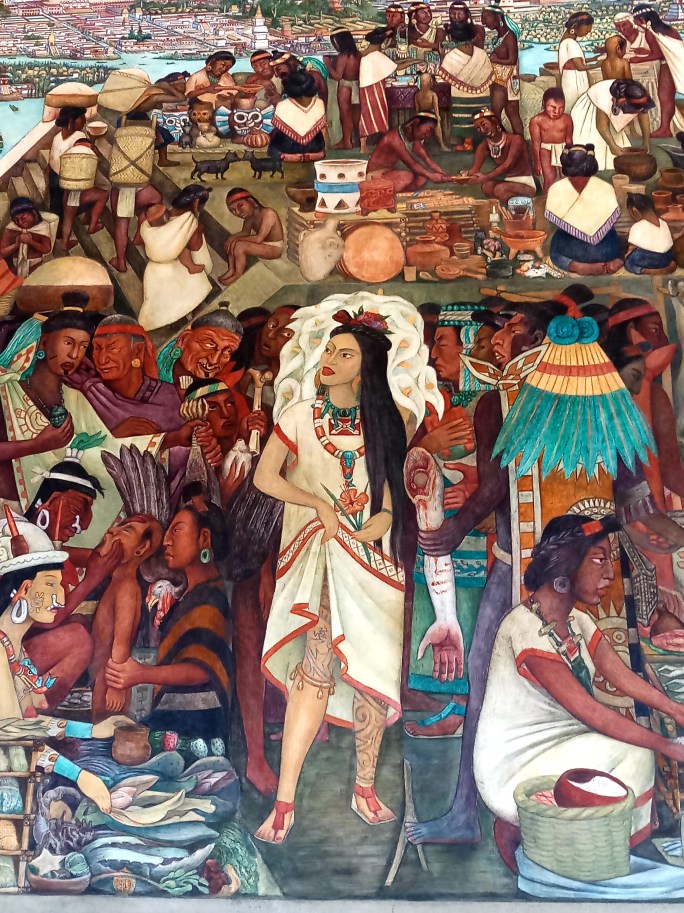

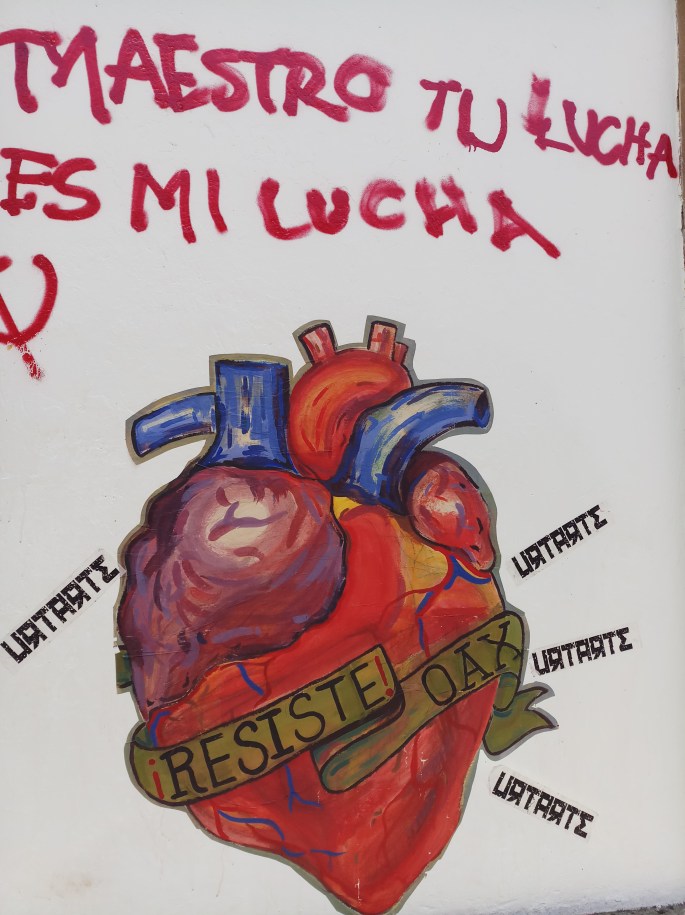
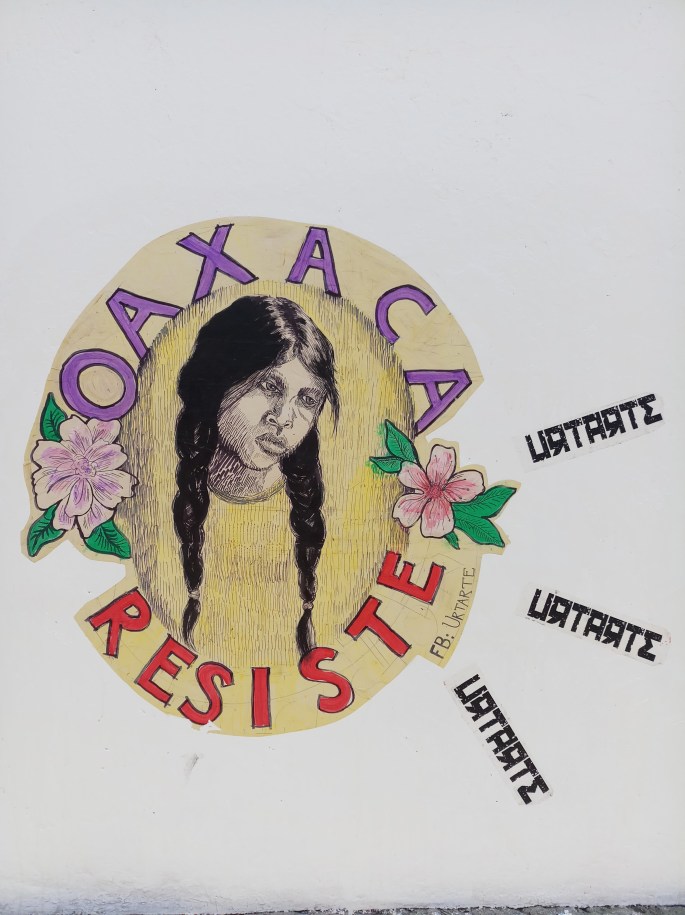
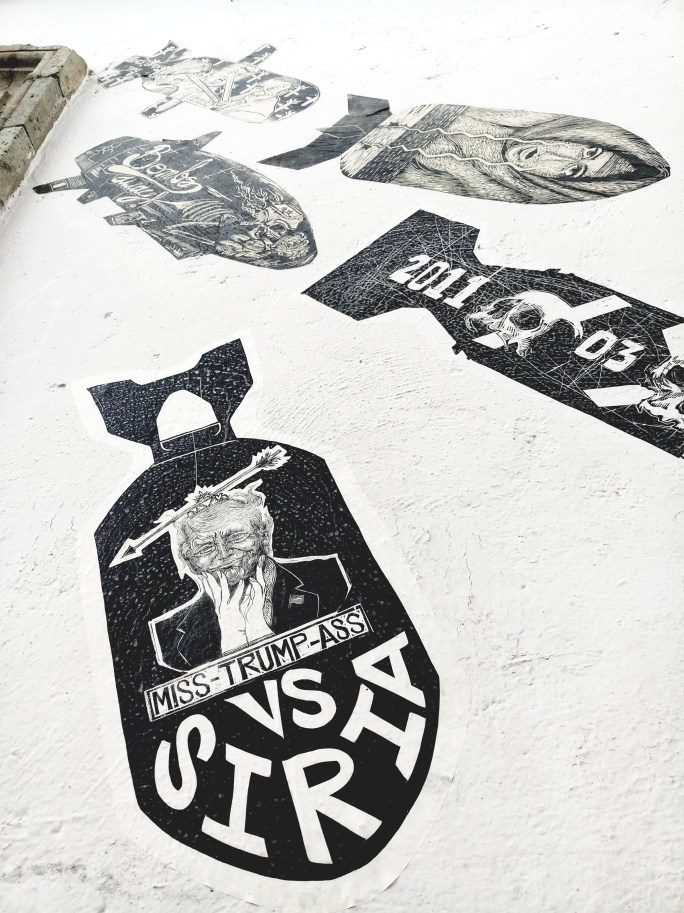
The mural program’s goal was to promote the principles of the Mexican Revolution and the identity of Mexico as a mestizo nation. A nation where ethnically diverse indigenous and Spanish people live, work and prosper together. The art movement and legacy of mural painting was strong from the 1920s to 1950 and paralleled Mexico’s transformation from a rural illiterate society to an industrialized one. The essential value was that art should be public and available to the citizenry. Towards the 1950s Mexico’s leadership became more conservative and capitalistic, and moved away from this goal. Murals were commissioned by the wealthy and only available to patrons of theaters and hotels. Today on the walls of buildings in Oaxaca there are examples of how this tradition is alive and well and the paint brush has been co-opted by young activists.
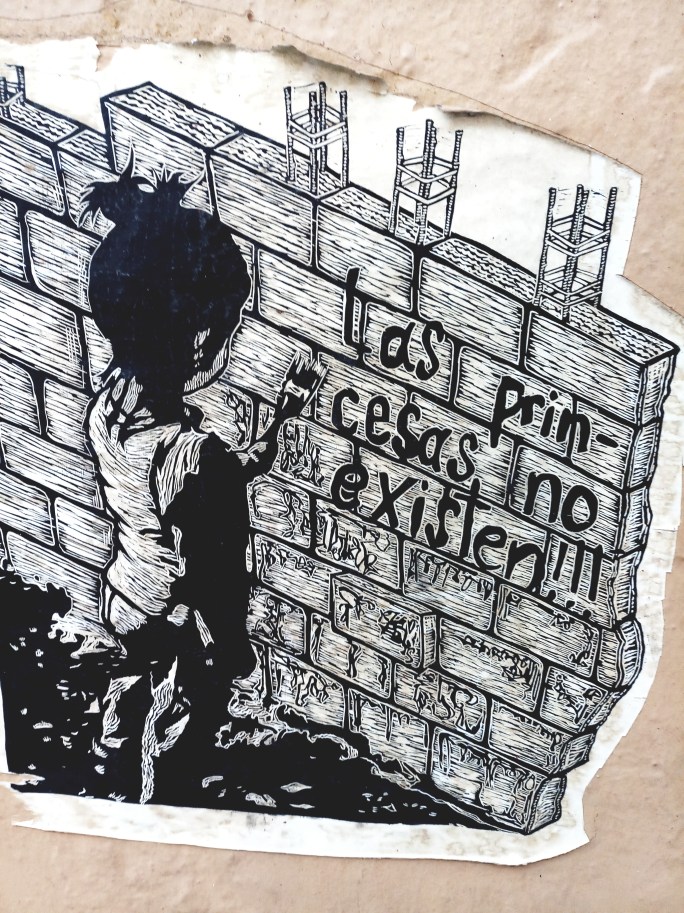
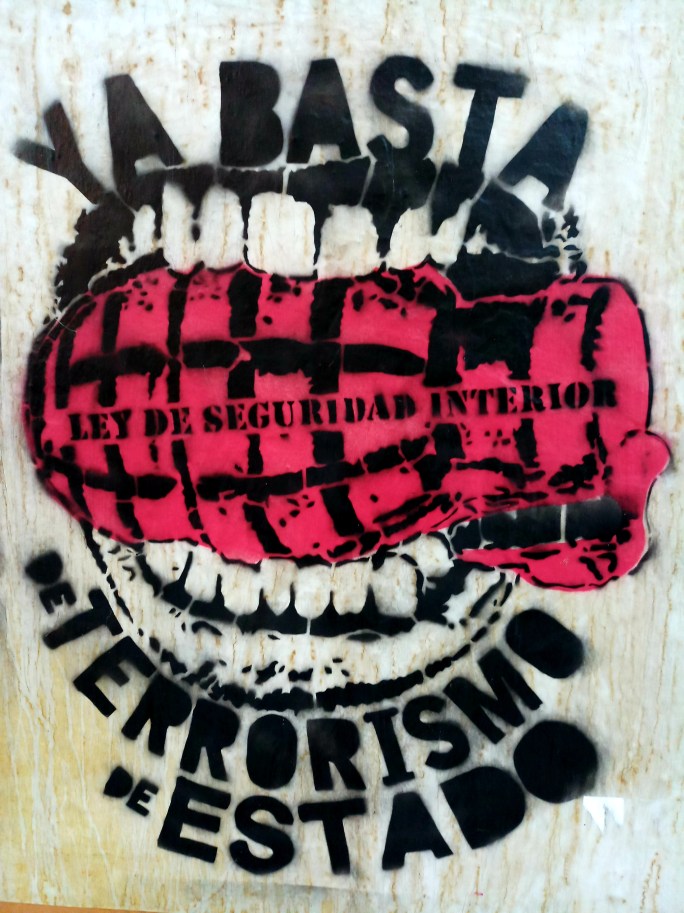
For the last 70 years, the PRI party has been in power and the wealth disparity has widened tremendously. The longstanding war on drugs has intensified, many innocent are caught in the crossfire and billions of dollars have been spent. The country’s economic polarization has increased criminal activity especially among the poor, which includes most of the country’s population. The minimum wage today is 80 pesos ($4) for an eight-hour work day. Increased tension with the US along its borders and the bellicose rants of President Trump elevate the racist hum of injustice focused on Mexican Americans and those travelling across borders fleeing violence and poverty. They are jailed, separated from their children and corralled like animals in a warehouse awaiting an unknown destiny. The cruelty that humans are capable is stupefying.
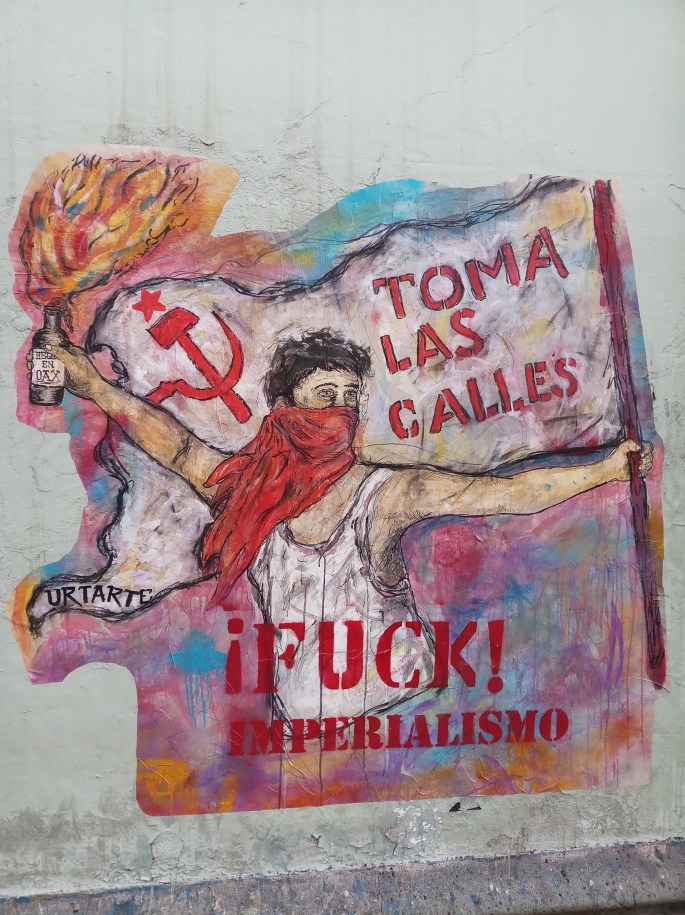
Assassination has been the way this country deals with opposition in politics. Shooting people in the head, in broad daylight has a long historical precedence. This being a political year, over 80 politicians have been shot since September. Many killed are young adults in their 20s, running for local office or council positions. The violence stems from many sources and it is difficult to know who are the exact perpetrators. The police, being part of this broken corrupt system are unable or unwilling to investigate. Mexico is Latin Americas’s most dangerous country to be a journalist according to the Global Criminality Index 2016, with over 42 killed in 2017. Speaking the truth is a death sentence. The uptick in political violence is said to be perpetrated by crime bosses that are looking to install friendly lawmakers in local government. The sparks of this current explosion in violence was unknowingly lit by the United States when it dismantled large cartels and splintered the established crime syndicates. When is America going to learn the dangers of a power vacuum? In addition, the US strategy of deporting gang members back to Mexico has fueled the fire by adding more experienced criminals to this hot mess. Now, newcomers are competing to out-savage each other and intimidate each other as well as local government.
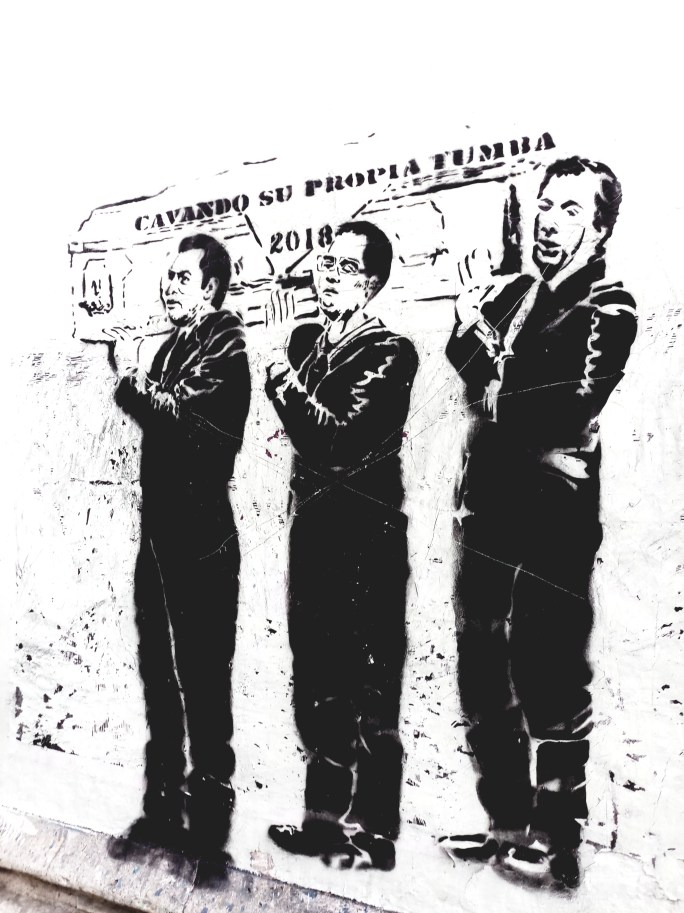
In July there is an election for president. Some say it is the most important election in 70 years. It is expected that the people will elect Andres Manual Lopez Obrador (AMLO), the Morena candidate, a left-wing Labor Party candidate who believes in dismantling corruption and redistributing wealth. Red scare tactics, attacking AMLO for being like Hugo Chavez and potentially ruining the Mexican economy are abound. The peso has dropped in value in the last two months. AMLO, a populist, is a grassroots politician of humble backgrounds and is known to be a man of his word and a man of the people. Currently in national polls he has over 50% of the vote. Like Zapata and Pancho Villa, his stature is taking on mythical proportions and he is the hope of the people for real change. If the powers that be obstruct his election, I fear that the tiger will be let out and the people will march in the streets once again.

 Bochner Family Adventure
With all that happening, do you feel safe and welcome as Americans? We were very comfortable the wonderful week we spent in Zihua, but that was a few years ago. Such a beautiful friendly country, so frustrating the strife and turmoil. And of course no help from their neighbor to the north!
Looking forward to your homecoming, let us know if you need airport pickup or anything. We will be all in our new house, the Milwaukie place (we hope) should be sold by then. Our Independence house is right next to the 2nd largest tulip tree in Oregon; I wonder if the kids remember that is my favorite tree.
LikeLike